Do You Need a Hepatitis Test What Symptoms and Risk Actually Mean
Symptoms often don’t appear until liver damage begins. When “No Symptoms” Doesn’t Mean “No Problem” Marcos, 41, never thought twice about the tattoo he got at a beach shack while traveling in Thailand. It was small.
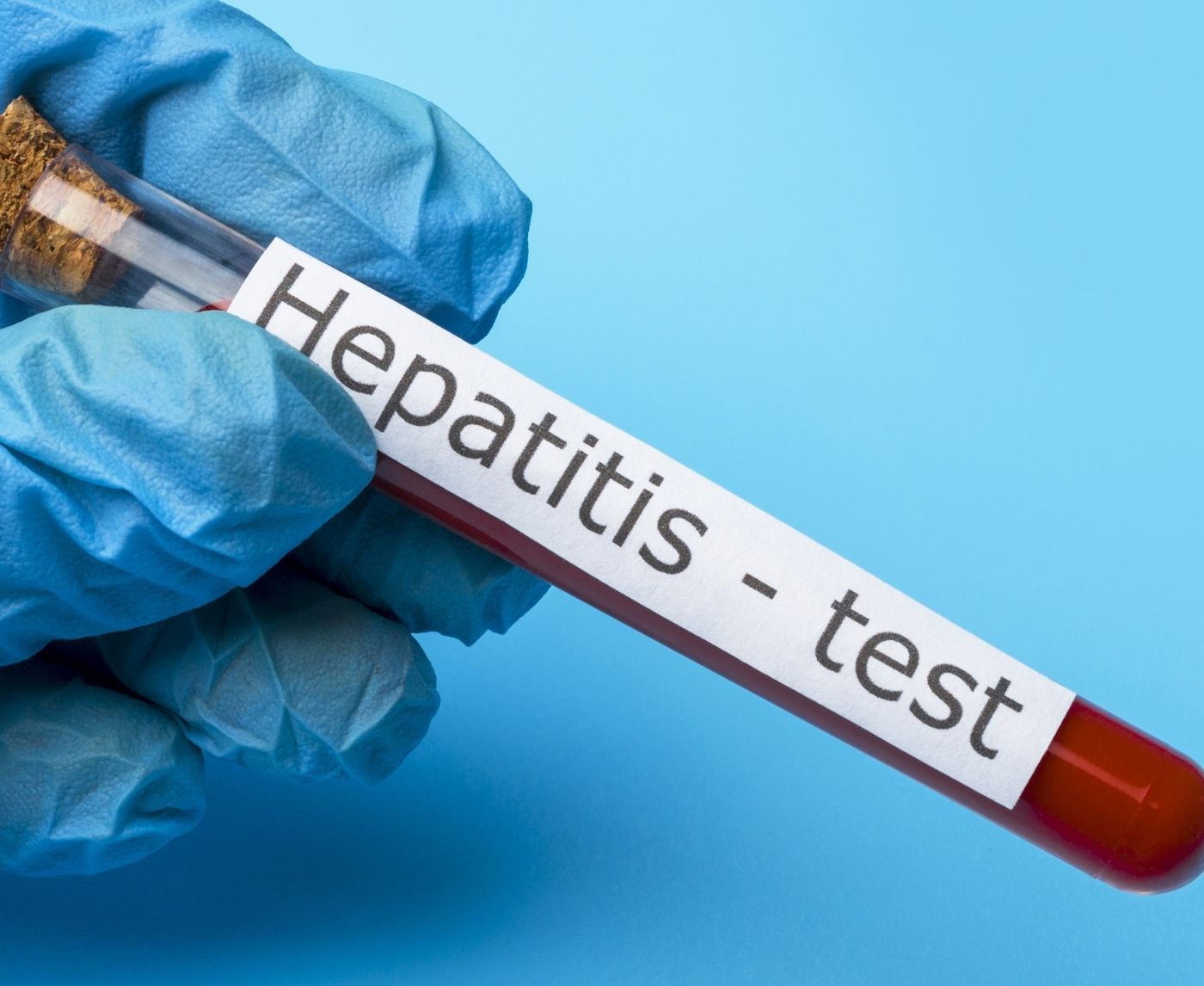
Quick Answer: You should consider testing for hepatitis B or C if you've ever had unprotected sex, a blood transfusion before 1992, shared drug equipment, gotten a tattoo or piercing in an unregulated setting, or had a partner test positive. Symptoms often don’t appear until liver damage begins.
When “No Symptoms” Doesn’t Mean “No Problem”
Marcos, 41, never thought twice about the tattoo he got at a beach shack while traveling in Thailand. It was small. He healed fine. No redness, no infection. But eight years later, a routine blood panel showed something unexpected: elevated liver enzymes. Further testing confirmed hepatitis C. “I was shocked,” he said. “I never felt sick. Not once.”
This is how hepatitis creeps in. Unlike STDs that often present with discharge, rashes, or painful urination, hepatitis B and C are stealth infections. They target the liver, not the surface. And symptoms, when they do appear, can be vague: fatigue, mild abdominal discomfort, or yellowing eyes. By the time they’re noticeable, liver damage may already be underway.
That’s why the CDC recommends one-time hepatitis C testing for all adults over 18, and targeted hepatitis B testing for anyone with risk factors. If you’re reading this, there’s a good chance testing applies to you.

Top Risk Factors You Shouldn’t Ignore
Many people assume hepatitis only affects people who inject drugs. While that’s one high-risk route, it's far from the only one. Here are real-world situations that can expose you to hepatitis B or C, even if you don’t think of yourself as “high risk.”
| Risk Factor | Why It Matters | Applies to Hep B, C, or Both? |
|---|---|---|
| Unprotected sex with multiple partners | Hep B can spread through semen and vaginal fluids | Hepatitis B |
| Tattoos or piercings in non-sterile settings | Needles that aren’t properly sterilized can transmit both viruses | Both |
| Shared needles or drug equipment (even once) | Blood-to-blood contact is the most efficient transmission route | Both |
| Born between 1945–1965 | CDC flags this group due to past medical practices and lack of screening | Hepatitis C |
| Sex with someone who has hepatitis | Many partners are asymptomatic and may not know their status | Both |
| Household exposure (shared razors, toothbrushes) | Hep B can survive outside the body for up to a week | Hepatitis B |
Table 1. Common risk scenarios that often go unrecognized but significantly raise the chance of hepatitis B or C exposure.
If you’ve ticked even one of these boxes, don’t wait for symptoms. Testing isn’t about being paranoid, it’s about being proactive. Especially when testing from home is so much easier now.
Which Hepatitis Tests Can You Do from Home?
If the idea of walking into a clinic, explaining your sexual or drug history, and waiting days for a result sounds… awful, you’re not alone. That’s exactly why at-home hepatitis tests exist. But not all home tests are built the same, and understanding what you’re actually testing for matters.
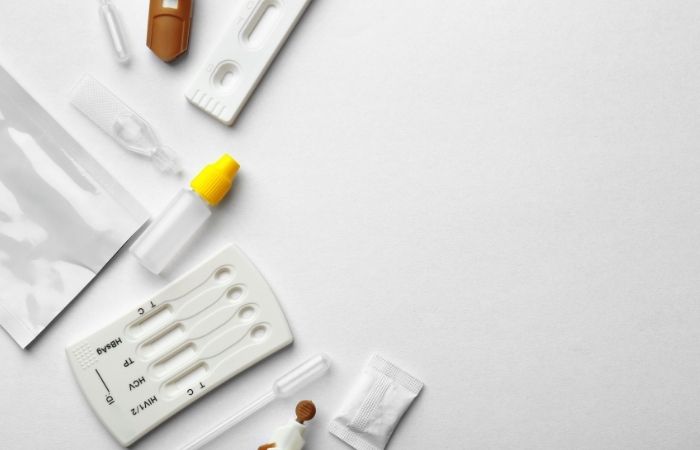
Most reputable at-home kits for hepatitis B and C are blood-based, using either a finger-prick test (like glucose monitoring) or a mail-in collection card. These tests screen for viral antigens or antibodies, depending on the virus:
- Hepatitis B: Tests usually detect the surface antigen (HBsAg), which indicates an active infection.
- Hepatitis C: Most home kits detect anti-HCV antibodies, which signal exposure. Some also include follow-up RNA testing if positive.
Some kits give you results in minutes. Others require mailing your sample to a certified lab and getting results in 1–5 days. The good news? They're private, discreet, and backed by real clinical guidelines.
Here’s how the options break down:
| Test Type | How It Works | Privacy | Speed | Best For |
|---|---|---|---|---|
| Rapid At-Home Test (finger-prick) | Tests blood for antigens/antibodies; results in ~15 minutes | Very high | Fastest | Immediate peace of mind, no mail-in required |
| Mail-In Lab Kit | Send dried blood spot to lab; results in 2–5 days | High | Slower, more detailed | Clinical-grade testing without a clinic |
| Clinic or Lab Draw | Standard venous blood draw, often full panel | Low–Moderate | Varies (often 1–3 days) | Best if you have symptoms or need follow-up care |
Table 2. Comparison of hepatitis B and C testing methods by speed, privacy, and ideal use case.
What Makes a Hepatitis Test Reliable?
It’s not enough to just stick yourself with a lancet and hope for the best. You want a test that’s approved, accurate, and backed by real science. Look for:
- Tests that are FDA-cleared or CE-marked
- Clear labeling: is it testing for antigen (active infection) or antibodies (past exposure)?
- A company that provides clear instructions, customer support, and next-step guidance if you test positive
For hepatitis C especially, follow-up testing is key. A positive antibody test doesn’t always mean you have an active infection, but it does mean you need confirmatory RNA testing. Some test companies offer this automatically; others will refer you to a clinic.
Home Test Spotlight: Why Combo Kits Make Sense
Because hepatitis can co-occur with other STDs, and because they share transmission routes, a Combo STD Home Test Kit is often the smartest buy. It screens for multiple infections (including hepatitis B and C) in one discreet package, saving time, shipping, and emotional energy.
Especially if your exposure involved unprotected sex, shared drug equipment, or a long period without testing, a full-panel test gives you peace of mind across the board.
Take back control of your health. Order a Combo STD Test Kit; It’s fast, discreet, and backed by trusted clinical protocols.
Still Not Sure If You Should Test? Let’s Break It Down
If you’re hesitating, if you’re still scrolling because part of you wants to believe you’re overreacting, let’s do a gut check. Here’s a quick way to decide:
| If This Is You... | Then... |
|---|---|
| I had unprotected sex with a new or casual partner | Test for hepatitis B and consider a full STD panel |
| I had a tattoo or piercing in an informal or overseas setting | Test for both hepatitis B and C |
| I shared straws, needles, or drug equipment (even once) | Test for hepatitis C urgently |
| My partner tested positive or had unexplained liver issues | Get tested even if you feel fine |
| I was born between 1945 and 1965 | CDC says: test for hepatitis C at least once |
Table 3. Decision guide to help you figure out if hepatitis B or C testing is right for you.
If any of those feel even a little close to home, testing is worth it. It’s not about being paranoid. It’s about being smart. And at-home options mean you don’t have to justify anything to anyone but yourself.
“I Thought I Was in the Clear. I Wasn’t.”
Leila, 35, donated blood for the first time after a natural disaster hit her city. When the Red Cross called her afterward, her heart dropped. They had detected hepatitis B markers. “I was confused,” she said. “I didn’t use drugs. I didn’t think I had risk.”
After seeing a specialist, Leila realized she had likely been exposed through a partner years ago who never disclosed his status. “I had no symptoms. I felt betrayed by my own body.” Treatment helped, and now she encourages others to test, “even if you think you’re fine.”
Her story is not rare. Most people with hepatitis B or C find out by accident, blood donation, pregnancy testing, or unrelated lab work. But you don’t have to wait for a surprise. You can find out now, on your terms.
If You Test Positive, What Happens Next?
First, take a breath. Testing positive for hepatitis B or C isn’t a death sentence. In fact, both viruses are highly manageable, and hepatitis C is now curable with antiviral treatment in over 95% of cases.
Here’s what comes next:
- Confirm the result with a follow-up test, especially if you used an antibody screening kit
- See a provider or get a referral through your test company (many offer this directly)
- Avoid alcohol and discuss treatment plans, it may involve just 8–12 weeks of oral meds
- Notify partners if relevant, and consider testing anyone you may have exposed
Most importantly: you’re not alone. Support groups, treatment resources, and even telehealth care are available. This isn’t something you need to hide or handle solo.
STD Test Kits offers privacy-first tools to help you retest, notify, and move forward. If you’re ready, the next step is just one click away.
FAQs
1. Can I have hepatitis and feel totally fine?
Yep, and that’s exactly why so many people miss it. Hepatitis B and C are often silent for years. No fever, no pain, no warning signs. You could feel 100% okay and still be walking around with a virus quietly messing with your liver. That’s why testing isn’t about paranoia, it’s about peace of mind.
2. What’s the real difference between hepatitis B and C?
Think of hep B as the one more likely to spread through sex or household contact, and hep C as the one that mostly moves through blood, especially shared needles or unsafe medical equipment. Both can become chronic. Both can lead to liver damage. And both deserve your attention.
3. I had a tattoo in another country five years ago. Should I test?
If it wasn’t in a regulated studio, or you’re not sure how clean the needles were, yes, you should absolutely test. Even a tiny exposure can open the door for hep B or C. You might have cleared it… or you might not know it’s still there.
4. Can hepatitis C actually be cured?
Hell yes. Hep C is now curable in most cases with simple oral meds taken daily for 8–12 weeks. No injections. No hospital stays. Just pills, and poof, virus gone. But only if you know you have it. Testing is your first step to the cure.
5. Is hep B curable too?
Not in the same way. It can be managed, often with antivirals or monitoring, but not fully cleared yet. The good news? If caught early, you can keep your liver healthy for life. Some people even suppress it naturally. Again, testing is the start.
6. I got a negative result. Am I good?
Maybe, but timing matters. If you were exposed recently, you could still be in the “window period” before the virus shows up on tests. For hep C, that window is 6 to 12 weeks. For hep B, 4 to 6 weeks. If your exposure was recent, test again later just to be safe.
7. Can I give hepatitis to my roommate by sharing drinks or hugs?
Nope. These viruses don’t spread through hugs, coughing, or shared forks. Hep B can spread through shared razors or toothbrushes, but casual contact? Totally safe. So breathe easy, you don’t need to isolate from your people.
8. Can I just get tested at home without a clinic?
Yes, and that’s the beauty of it. Finger-prick tests for hep B and C can now be done from your kitchen table. Some are rapid with instant results, others you mail in. Either way, it’s private, easy, and no awkward waiting rooms required.
9. What happens if I test positive?
First: don’t panic. Then, confirm with a follow-up test. For hep C, that might be an RNA test. For hep B, your doctor might order more bloodwork. After that, you’ll talk treatment or monitoring. You’re not stuck. You’ve got options, and a whole community that gets it.
10. Where can I get a test that covers hepatitis and other STDs?
Right here: Combo STD Home Test Kit. It includes hep B and C, plus other common infections. Ships discreetly, tests fast, and puts you in control of your health.
Before You Wait Another Week…
Your liver doesn’t care how “at risk” you think you are. Hepatitis doesn’t wait for symptoms. It doesn’t always scream. Sometimes it just sits there, quiet, slow, and dangerous. But you’re not helpless. Testing is fast, private, and available right now.
Whether it’s a one-time check or peace of mind after a new partner, you deserve to know. Order a Combo STD Test Kit and find out where you stand. Your future self will thank you.
How We Sourced This Article: We combined current guidance from leading medical organizations with peer-reviewed research and lived-experience reporting to make this guide practical, compassionate, and accurate. In total, around fifteen references informed the writing; below, we’ve highlighted six of the most relevant and reader-friendly sources.
About the Author
Dr. F. David, MD is a board-certified infectious disease specialist focused on STI prevention, diagnosis, and treatment. He blends clinical precision with a no-nonsense, sex-positive approach and is committed to expanding access for readers in both urban and off-grid settings.
Reviewed by: L. Simons, FNP-C | Last medically reviewed: December 2025
This article is for informational purposes and does not replace medical advice.