It Burned, It Itched, But It Wasn’t an STD
Quick Answer: Burning, itching, and genital irritation don’t always mean you have an STD. Common causes include yeast infections, BV, allergic reactions, friction burns, and anxiety-related hypersensitivity. wrong.

Quick Answer: Burning, itching, and genital irritation don’t always mean you have an STD. Common causes include yeast infections, BV, allergic reactions, friction burns, and anxiety-related hypersensitivity. Even if you test negative, follow-up may still be needed depending on timing and symptoms.
Why This Guide Exists (And Who It’s For)
If you’ve ever laid awake googling “STD symptoms but test negative,” or stared at a rash wondering if your life just changed, this article is for you. Maybe you used a condom, maybe it wasn’t “real sex,” maybe you just got out of a dry spell. But now, your genitals feel... wrong. And you’re spiraling.
We’re here to help you hit pause. This guide was made for:
- People who are symptomatic but tested negative
- People who don’t have access to clinics and are self-diagnosing
- People navigating shame, confusion, or trauma post-hookup
This isn’t just a checklist of “what else it could be.” It’s a judgment-free zone where we walk through real possibilities, like lube reactions, bacterial overgrowth, STIs that hide early on, and even how panic can mimic physical symptoms.
By the end, you’ll understand:
- Why genital irritation happens when no STD is found
- How to tell when to retest or seek another opinion
- What your body might be telling you beyond infection
We’ll also cover how and when to use at-home testing, what the window period means, and why some STIs take longer to show up.
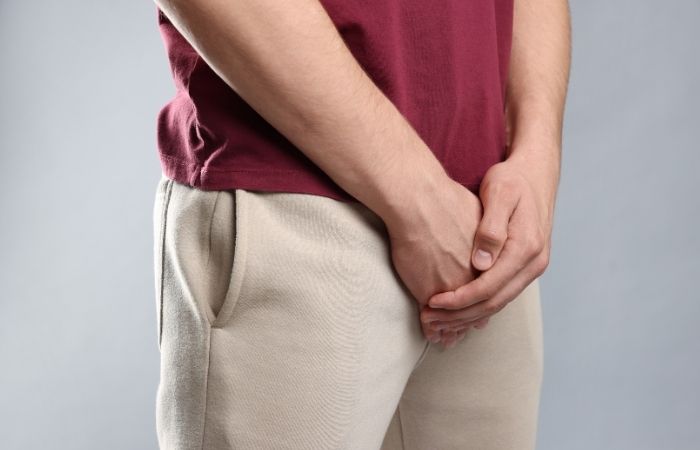
“I Was Itchy for a Week, But Everything Came Back Negative”
Devon, 28, had sex with a new partner during a weekend camping trip. The day after, they noticed redness, mild swelling, and a persistent itch that got worse at night. They panicked, assuming it was herpes, and rushed to an urgent care clinic. A full panel came back negative.
“The nurse told me it was probably a combination of sweat, friction, and a mild yeast imbalance. But I didn’t believe her until I saw a second test come back clean.”
Devon’s symptoms resolved after a few days of OTC antifungal cream and better hygiene. The culprit? Not herpes. Not chlamydia. Just sweat, friction, and a pH imbalance from not washing off after prolonged outdoor exposure and sex.
These stories are more common than you think, and they don’t make your fear any less real. That fear is valid. But so is relief when it turns out to be something treatable, non-contagious, or just temporary.
Burning, Itching, and Redness: What Else Could Be Going On?
When you feel that unmistakable tingle, burn, or itch, it’s easy to assume the worst. But here’s a surprising truth: genital irritation doesn’t always mean infection. Let’s break down the most common STD lookalikes.
| Cause | Typical Symptoms | STD-Like? Yes/No | What Helps |
|---|---|---|---|
| Yeast Infection | Itching, swelling, thick discharge | Yes | Antifungal cream or fluconazole |
| Friction Burn | Burning, redness, sore skin | Yes | Barrier creams, time, hygiene |
| Latex or Lube Allergy | Itching, swelling, rash post-sex | Yes | Switch products, antihistamines |
| Bacterial Vaginosis (BV) | Fishy odor, discharge, irritation | Yes | Antibiotics (metronidazole) |
| Post-Shave Irritation | Red bumps, itching, stinging | Yes | Aloe, witch hazel, avoid shaving |
| Psychosomatic Anxiety | Burning or tingling with no lesion | Yes | Therapy, breathwork, distraction |
Table 1. Common non-STD causes of genital irritation and what helps relieve them.
Each of these can present just like an STI, especially to someone on edge. But the fix isn’t always antibiotics. Sometimes, it’s recognizing your body is reacting to something other than infection.
Window Periods, False Negatives, and Why You Might Still Be Worried
Even after a negative test, the doubt lingers. What if I tested too soon? What if it missed something? The truth is, STD tests aren’t crystal balls, they rely on something called a window period, which is the time between exposure and when an infection becomes detectable.
For example, a test taken just two days after a hookup won’t catch chlamydia or gonorrhea. It’s not about whether the infection is “real”, it’s about whether it’s findable yet. According to CDC guidelines, most bacterial STDs become detectable within 5–14 days, while viral ones like HIV or herpes may take longer.
| STD | Best Time to Test | May Require Retest? |
|---|---|---|
| Chlamydia | 7–14 days after exposure | Yes, if tested earlier |
| Gonorrhea | 7–14 days after exposure | Yes |
| Syphilis | 3–6 weeks | Often recommended |
| Herpes (HSV-1/2) | 4–6 weeks (blood test), sooner with symptoms | Yes, especially without symptoms |
| HIV | 2–6 weeks (antigen/antibody), 10–33 days (NAAT) | Depends on type of test used |
Table 2. Window period ranges for common STDs and retest considerations. Always check test type.
If your test was early, within five days of exposure, it might not have had time to detect anything. And that’s not your fault. That’s just biology. A follow-up test after two weeks often provides clarity. That’s why many providers recommend retesting if symptoms continue, especially if the first test was within the early window.
It Could Still Be Physical, Without Being Infectious
Let’s say you tested at the right time and you’re still having symptoms. One common misconception is that every bodily change must be infectious. But our genitals respond to more than just STDs.
Think: a new detergent, a different lube, a hot tub soak, tight synthetic underwear, vigorous sex, or even hormones. All of these can shift your local pH, thin your skin barrier, or trigger histamine responses.
Example: Mia, 31, got an itchy rash after switching to a new brand of ultra-thin condoms. Her first thought was trichomoniasis, but a negative test and a swap to latex-free protection solved the issue. It wasn’t an STD. It was a latex allergy she didn’t know she had.
There’s also a lesser-known cause: anxiety-induced hyperawareness. When you’re panicking, your brain notices every little sensation. Something that would feel like nothing normally, a tight waistband or a healing shaving bump, suddenly becomes a full-blown crisis in your mind.
That doesn’t mean it’s “all in your head.” It means your nervous system is trying to protect you by scanning for threat, and that includes your body’s most sensitive areas.
When Retesting Makes Sense (And When It Doesn’t)
So you tested. It came back negative. You're still having symptoms. Should you test again?
Here’s when a retest might help:
- You tested within the first 5–7 days after exposure
- You’re having new or worsening symptoms
- You had unprotected sex again since your last test
But if you tested at the correct time and have no new exposure, a second test may not give you new info, unless your symptoms worsen or your provider recommends it. That’s where a tool like the STD Test Kits window period calculator can help guide your decision.
Need a retest? Don’t overthink it. You can order a discreet combo kit that screens for the most common STDs right at home. Order a Combo STD Home Test Kit if you want fast, private answers.
Can You Trust At-Home STD Tests?
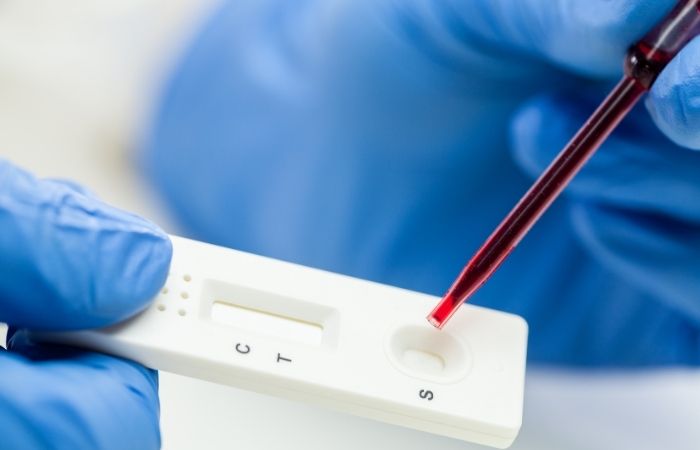
Yes, with a few caveats. Today’s FDA-cleared rapid tests and mail-in lab kits offer impressive accuracy, especially for bacterial STDs like chlamydia and gonorrhea. But you still need to test at the right time, collect your sample properly, and know when a faint line means “maybe.”
At-home tests are especially helpful for people who:
- Want privacy without a clinic visit
- Need to test discreetly between partners
- Have anxiety that makes in-person testing hard
But if your symptoms are worsening, spreading, or involve pain that limits your ability to pee, sit, or have sex, you need an in-person evaluation. That could mean a pelvic exam, swab culture, or even testing for non-STD causes like vulvodynia, lichen sclerosus, or contact dermatitis.
Bottom line? Tests are tools, not therapists. Use them wisely, and don’t let one result (positive or negative) be the only voice in your sexual health decisions.
How Anxiety Feels Like an STD (Even When It’s Not)
It’s the cruelest irony: the more you worry about STDs, the more your body feels like it’s showing signs of one. That’s not coincidence. That’s your nervous system on red alert. Health anxiety, also called hypochondria, can trigger real, physical symptoms including:
- Burning sensations in the groin or genitals
- Muscle tension and tingling
- Increased urination from adrenaline
- Obsessive symptom-checking, which can create micro-injuries
If you’ve tested negative multiple times, your symptoms haven’t worsened, and your worry is becoming constant, your next step might not be another test. It might be a breath, a pause, and possibly talking to a provider who understands how trauma and sex intersect.
We believe in evidence and empathy. Yes, STDs are real and serious. But so is panic. And it deserves care too.
When to Stop Googling and Actually See a Doctor
It’s easy to spiral into symptom-checking loops at 2 a.m., especially when you’ve tested negative and still feel like something’s wrong. But there’s a point where web searches become less helpful, and actual human care matters more.
If any of the following are true, it’s time to get evaluated by a healthcare provider:
- You’re experiencing pain during urination or sex that isn’t resolving with home care
- You notice sores, ulcers, or blisters (even if they’re small or painless)
- You have unusual discharge with odor, color changes, or volume shifts
- Your irritation is spreading or accompanied by fever, body aches, or chills
You don’t need to walk in saying “I think I have an STD.” You can simply say: “I’ve had some irritation or burning after sex. I’ve tested negative for STDs but it hasn’t gone away.” That sentence alone gets you the care you need without shame or overexplanation.
If you're nervous about being judged, you're not alone. Many providers are becoming more trauma-informed and sex-positive, especially if you seek care at a clinic like Planned Parenthood or a local sexual health center.
“I Swore It Was an STD, But It Was My Body Saying ‘Slow Down’”
Marcus, 24, had back-to-back hookups after a dry spell. A few days later, he started feeling burning when he peed and itching at night. He panicked, got a rapid test kit, and waited for what felt like hours. Negative.
“I didn’t believe it. I swore it had to be gonorrhea. I tested again with a lab kit. Still negative. Turns out I had a mild UTI and hadn’t been hydrating. Also? Friction is real.”
Marcus’s case isn’t rare. After periods of sexual inactivity, the genitals can be more prone to inflammation, especially with intense or prolonged sex. Add in dehydration or minor abrasions, and you’ve got irritation that feels like an STI but isn’t.
He treated the UTI with antibiotics, switched to a gentler lube, and learned to listen to his body before it yelled for help.
These stories don’t downplay real risk, they highlight real bodies. Testing is important. So is understanding all the ways sex, skin, and stress interact.
Testing Is Care, Even If the Result Is Negative
Let’s reframe something right now: Getting tested isn’t just about ruling out disease. It’s about understanding your body. A negative result doesn’t mean you wasted your time. It means you took a step toward clarity and control.
Still worried? Here’s what you can do:
- Retest in 2–4 weeks if you tested early or symptoms change
- Switch testing methods (e.g., NAAT lab kits offer higher sensitivity)
- Look at non-STD causes like yeast, BV, allergies, or friction
- Talk to a provider, preferably one who understands sexual health and won’t shame you
Testing also helps your partners, even when the result is clean. It builds trust, creates informed decisions, and helps you advocate for your own health. Don’t downplay that.
If you’re in that waiting space, between worry and clarity, know this: You deserve answers. And they don’t all come from a test strip. Sometimes they come from pausing, breathing, and checking in with your whole self.
FAQs
- 1. Can you feel all the symptoms of an STD and still test negative?
- Yep, and it happens more than people think. Burning, itching, even discharge doesn’t always mean infection. Sometimes it’s a yeast imbalance. Sometimes it’s an allergic reaction to latex or lube. And sometimes, it’s stress wearing a costume. If your test was too early, retest. If the timing was right and you're still struggling, it’s time to look beyond the STD box.
- 2. I tested negative, but I still have irritation. What now?
- First, breathe. If you’ve tested at the right time (most STDs show up between 7–14 days), the issue might not be infectious. Think: friction, shaving, new soap, tight clothes, or even your cycle. If it’s not going away, or if it’s getting worse, check in with a provider. Sometimes the fix is as simple as a pH reset or switching products.
- 3. Could it really be stress causing all this?
- Oh yes. Stress is a sneaky shapeshifter. It can mimic STD symptoms like burning, tingling, urgency to pee, or random aches. Your nervous system isn’t trying to mess with you, it’s just on high alert. Especially if you’ve had a sexual scare before. The good news? Once your brain gets the all-clear, the body usually follows.
- 4. How soon is too soon to test after sex?
- Day one is too soon. Day three? Still nope. Most bacterial STDs (like chlamydia or gonorrhea) show up best between days 7–14. For viral ones like herpes or HIV, you may need to wait longer. Testing early can give you false peace of mind, so if you jumped the gun, just retest at the right time. No shame.
- 5. Is it possible to have herpes even if your test says no?
- It’s complicated, but yes, especially if you’re testing during the "quiet phase." Herpes doesn’t always show up in blood tests unless you’ve had an outbreak your body responded to. If your symptoms include blisters or stinging and your test is negative, you might need a swab during an active flare. No lesions = harder to detect.
- 6. Why does it itch after I shave down there?
- Because skin is dramatic. Shaving creates microtears and opens hair follicles, which can trap bacteria or get irritated. Add sweat, tight underwear, or post-sex heat, and boom, itch city. Use gentle aftercare (like aloe or witch hazel), skip harsh soaps, and give it air. And maybe skip the next shave if your skin’s mad at you.
- 7. Could condoms or lube be making this worse?
- Totally possible. Latex, glycerin, and even flavored lube can trigger burning, itching, or swelling, especially if you're sensitive down there. If things always flare up after protected sex, it might be the condom, not the contact. Try switching to latex-free condoms or a water-based, unscented lube and see what happens.
- 8. What if I told my partner it was an STD but now I know it wasn’t?
- That’s okay. You were doing your best with the info you had. Honest mistake. If you're comfortable, let them know what you found out, it can clear the air. And if you’re not? That’s your call. Just know you’re allowed to revise your truth when new facts come in.
- 9. Should I be worried if I’ve tested negative multiple times?
- If you’ve tested negative at the right time, symptoms aren’t getting worse, and you haven’t had new exposure, odds are you’re in the clear. But if something still doesn’t feel right, trust that. A provider can check for other issues like infections, skin conditions, or hormone shifts. Your peace of mind matters.
- 10. How often should I really be testing?
- Depends on your sex life. If you’ve got new or multiple partners, every 3–6 months is a solid rhythm. One partner but new relationship? Test at the beginning, then keep it honest. Hookup culture or fluid bonding? More often. No matter what, testing isn’t just about catching something, it’s about staying in tune with your body.
You Deserve Answers, Not Assumptions
If you’ve made it this far, you’ve already done the hardest part, confronting the fear. Whether your irritation turned out to be a shaving bump, a yeast imbalance, or just your body reacting to stress, the takeaway is the same: your concern was valid, and so is your right to clarity.
You don’t need to suffer in silence, nor spiral alone. Today’s at-home STD test kits give you discreet access to trusted answers. Tomorrow, you can walk into a clinic, or open your laptop, with confidence instead of dread.
How We Sourced This Article: We combined current guidance from leading medical organizations with peer-reviewed research and lived-experience reporting to make this guide practical, compassionate, and accurate. In total, around fifteen references informed the writing; below, we’ve highlighted some of the most relevant and reader-friendly sources.