PCOS, Infertility, and the Role of At‑Home Testing in a Changing Health Landscape
Quick Answer: The article from Free Press Kashmir says that PCOS and PCOD are now two of the main causes of infertility in the area. This is made worse by lifestyle factors and stigma. The culprits?
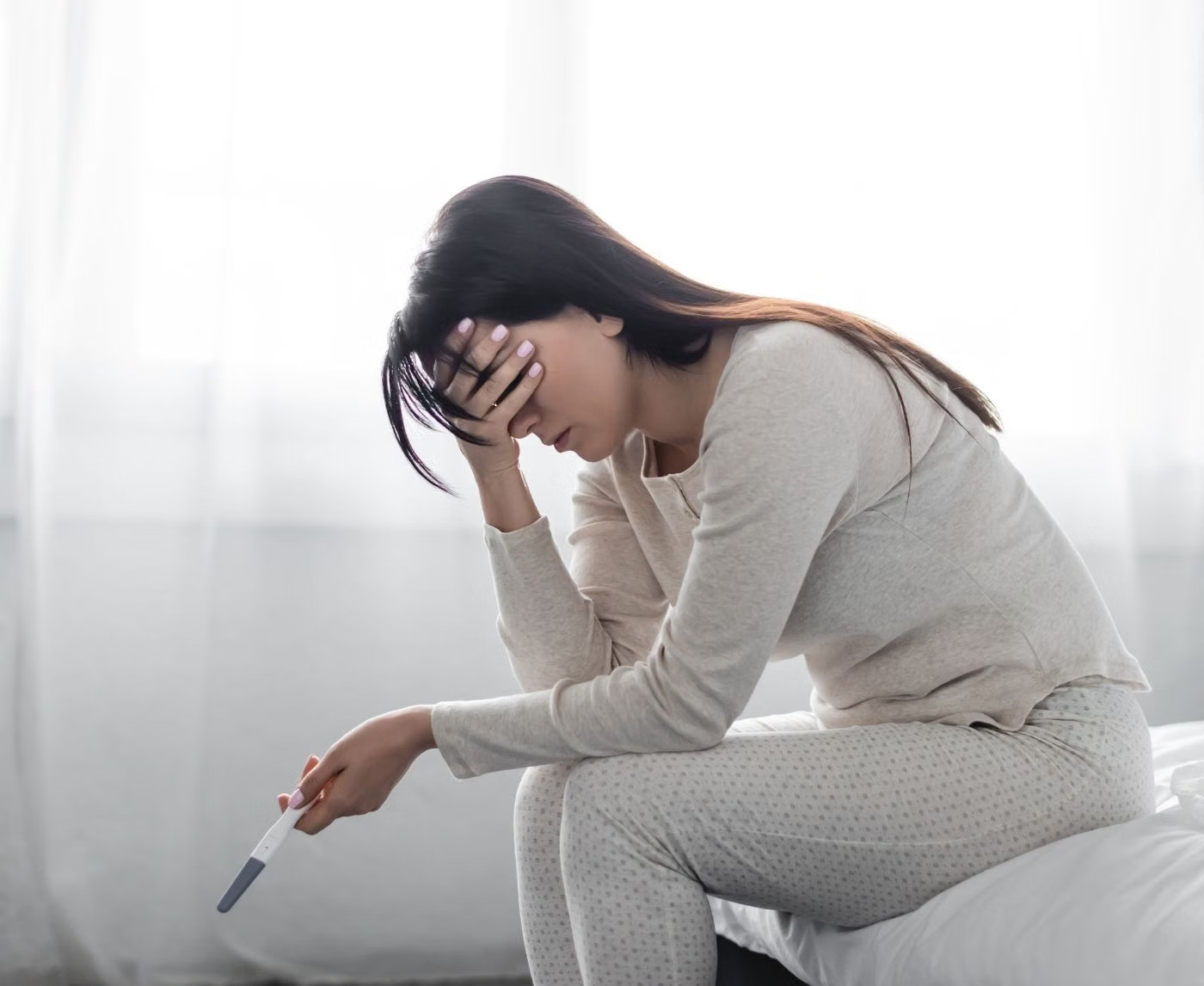
Quick Answer: The article from Free Press Kashmir says that PCOS and PCOD are now two of the main causes of infertility in the area. This is made worse by lifestyle factors and stigma. For people who can't or don't want to go to a doctor's office for a clinical evaluation, at-home health and STD tests are a private, low-cost way to start finding out about their health and reproductive health.
What the Kashmir Report Says, and Why It Matters Beyond Borders
On November 6, 2025, Free Press Kashmir published a piece citing gynecologists from the region who reported a marked uptick in infertility among women of reproductive age. The culprits? PCOS and PCOD, two hormonal disorders that often fly under the radar until they cause major reproductive challenges. One doctor noted that “infertility is becoming more prevalent because women are not coming for early consultation,” a statement that speaks volumes about access, stigma, and systemic neglect.
This report is only about one area, but its effects are felt everywhere. PCOS/PCOD affects about 1 in 10 women around the world, but many of them don't get diagnosed for years. People often ignore or misattribute symptoms like acne, weight gain, and irregular periods. When sexual health or fertility comes up, women are often blamed for "waiting too long" or "not taking care of themselves" instead of being given clear steps to take to get diagnosed and treated.
That’s why this article builds on the Kashmir report to explore how early testing, especially discreet, at-home options, can shift the timeline from confusion to clarity. We'll dig into the biology of PCOS and PCOD, explain how these disorders relate to fertility, and explore what kind of testing (for hormones, STDs, or both) makes sense depending on your symptoms. Whether you're navigating irregular cycles, planning a pregnancy, or just want to understand your body better, you deserve answers without judgment.
When Your Period Vanishes (Or Won’t Stop): Symptoms That Matter
Jasmine, 29, first noticed something was off when her periods went from clockwork to chaos. One month she bled for two days. The next, nothing for eight weeks. Her gynecologist later confirmed what she'd long feared: PCOS. But before that diagnosis, Jasmine spent years hearing things like "just lose weight," "it’s stress," or worse, "it’s all in your head."
PCOS and PCOD are hormonal issues that are hard to understand and make it hard for women to get pregnant. This can cause periods to be irregular or not happen at all. Other common signs are a lot of hair on the face or body, acne, gaining weight (especially around the middle), and mood swings. People with PCOD have bigger ovaries with a lot of immature follicles (cysts) inside them. People often think that PCOS is a more serious metabolic disorder than PCOD because it makes the body resistant to insulin and affects the whole body.
These conditions can make it hard to get pregnant in two main ways: they can stop regular ovulation and change the quality of the eggs that are released. But that's not all they do. People with PCOS are more likely to get Type 2 diabetes, heart disease, and endometrial cancer in the long term. That's why early detection and treatment are important for more than just having kids; they're also important for long-term health.
When Testing Isn’t Just for STDs: The Overlap You Shouldn’t Ignore
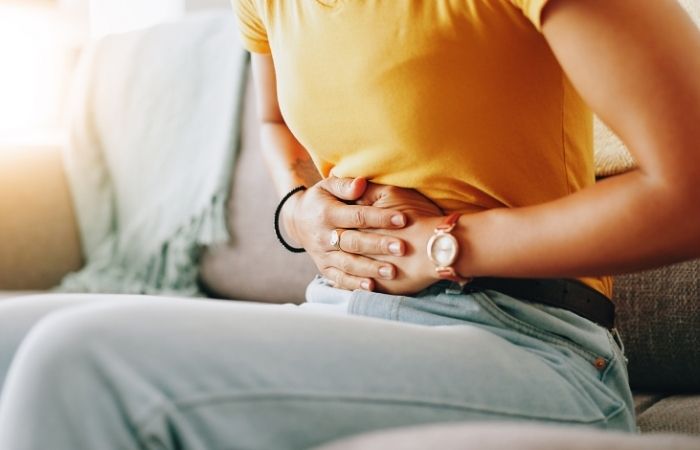
It’s easy to box reproductive symptoms into categories: “This is hormonal,” “That’s infectious.” But real bodies don’t work in compartments. Many people with PCOS or PCOD also experience symptoms that mimic sexually transmitted diseases, like abnormal discharge, pelvic pain, or bleeding between periods. That overlap can lead to confusion, misdiagnosis, or outright avoidance of testing because they don’t know where to start.
Let’s be clear: You can have PCOS and an STD. You can also be misdiagnosed with one when it’s the other. For instance, a patient with recurring vaginal infections may be treated for trichomoniasis without anyone asking about menstrual history, weight changes, or insulin resistance. On the flip side, someone with PCOS-related discharge might ignore it, assuming it’s “just hormones,” only to discover they had chlamydia all along.
This is where at-home testing comes in, not as a replacement for full gynecologic care, but as a crucial tool for visibility. Rapid STD test kits can rule out infections like chlamydia, gonorrhea, or trichomoniasis from the comfort of your home. Knowing what you don’t have can help your doctor focus on what you might.
And for people in areas with limited clinic access, or high stigma around sex and fertility, these kits can be a literal lifeline. In rural regions like those highlighted in Kashmir’s report, the ability to test discreetly can mean the difference between waiting years for a diagnosis or starting the journey now.
Understanding the Timing: When to Test and Retest
PCOS isn’t a one-test diagnosis. In fact, it often takes a combination of hormonal panels, ultrasound imaging, and symptom tracking to confirm. But STD testing? That can be done immediately, and should be, especially if your symptoms could indicate infection. Why? Because untreated infections like chlamydia and gonorrhea can also cause infertility, and unlike PCOS, they’re usually treatable with a single course of antibiotics.
You can test as soon as 5 to 7 days after being exposed if you've had unprotected sex, new symptoms, or a partner with a history of STDs. But for at-home kits, the best time to use them is usually between 10 and 14 days after being exposed. If symptoms continue, retesting after 30 days makes sure that nothing was missed during the incubation period.
Meanwhile, if you’re managing irregular cycles and unsure whether PCOS might be in the picture, start documenting symptoms: cycle length, skin changes, energy dips, hair growth, and mood. Then consider a combined approach, get screened for STDs to rule out infections, then discuss hormone testing with a provider. If visiting a clinic feels overwhelming, some companies offer mail-in hormone test panels you can do from home.
STD Rapid Test Kits offers combo panels that test for multiple infections at once, ideal if you’re not sure where to start. They’re fast, discreet, and user-friendly enough for anyone navigating uncertainty alone.
Why Fertility Isn’t the Only Concern
A common myth about PCOS and infertility is that you don't need to worry if you're not trying to get pregnant. That's just not true. PCOS has an effect on metabolism, mental health, and the risk of heart disease. If your periods are irregular, it means you're not shedding the lining of your uterus on a regular basis, which can raise your risk of endometrial cancer. Diabetes can happen if you have too much insulin. And the mental toll, like shame, loneliness, and changes in identity, is often not talked about.
STD testing is similar. You don’t need to be symptomatic, or even actively sexually active, to justify getting tested. Exposure can happen through oral sex, shared toys, or a single unprotected encounter months ago. And if PCOS already makes your cycle unpredictable, it’s even harder to notice signs like spotting or cramping that might otherwise indicate an STD.
The bottom line? If something feels off, test. If nothing feels off but it’s been a while, or you’ve had a new partner, or want to protect a current one, test. Your body deserves information, not assumptions.
Privacy, Stigma, and the Power of Knowing Anyway
Nazneen, 32, kept her unopened test kit in a drawer for three weeks. “I was scared,” she later said. “Not just of the result, but of what it would mean about me. That I’d waited too long. That maybe it was my fault.”
When she finally took the test, a combo panel for HIV, syphilis, and chlamydia, her results came back negative. She cried anyway. “I realized how much shame I’d been carrying just for wondering.”
This is the unspoken truth of reproductive and sexual health: for many, it’s not just about biology. It’s about identity, safety, timing, and survival. It’s about how you were raised, what access you have, and whether you feel safe asking questions in the first place. That’s why at-home testing matters. Not just because it’s fast or affordable, but because it puts power back in your hands when everything else feels out of reach.
Kits from STD Rapid Test Kits arrive in plain packaging, require no appointments, and deliver clear results in minutes. No judgment. No waiting room glances. Just you, your questions, and your answers.
The Long Game: Retesting, Partner Conversations, and Planning Ahead
PCOS doesn’t go away. But it can be managed, and the earlier you start, the better. That’s true for STDs, too. If you test positive, you’ll need to confirm the result and start treatment. If you test negative but symptoms persist, don’t stop there. Testing isn’t a one-and-done event. It’s part of your wellness rhythm, especially if you’re sexually active, planning a family, or managing a chronic condition like PCOS.
When it comes to partners, don’t wait for the “perfect” time to talk. Open conversations early, about testing, protection, and future plans. STD test kits can actually make these conversations easier: “Hey, I took one of these at home, have you ever used one?” is less confrontational than “Have you ever been tested?” And if you’re both planning a pregnancy, talk about testing for both infections and ovulation-related conditions like PCOS or thyroid disorders.
One path to clarity might look like this: you take an at-home STD combo test today. If it’s negative, great. You’ve ruled out the urgent stuff. Then, you follow up with a hormonal panel or book a PCOS-specific screening. Instead of fearing infertility, you’re now working with knowledge.

Take the First Step, Even If It’s a Small One
Whether you live in Kashmir, Kansas, or anywhere in between, if your period’s a mess, your symptoms don’t add up, or you just want to feel in control again, you are not overreacting. You are responding. You are showing up for yourself in a world that too often asks women to wait, to be quiet, to just deal with it.
Don’t. You deserve better. Testing, especially at-home, private, and judgment-free testing, is one way to say: I want to know. I want to take care of myself. I won’t wait for someone else to validate my concerns.
And you don’t have to do it alone. STD Rapid Test Kits offers discreet tools, clear instructions, and trusted accuracy. No shame. No delay. Just you and your next step, on your terms.
For Everyone Who’s Tired of Wondering
You know the feeling. You’ve googled the same symptoms a dozen times. One search says PCOS. Another says gonorrhea. A Reddit thread swears it’s stress. Your brain goes in circles while your body stays stuck. And maybe, deep down, you’re afraid to know what’s really going on. Because what if it confirms the thing you don’t want to hear?
This cycle, confusion, delay, denial, anxiety, isn’t laziness or ignorance. It’s self-protection. But here's the truth: knowing is never worse than not knowing. When you get real answers, you stop spinning. You make decisions. You make peace. Or at least, you make a plan.
Malika, 25, spent nine months dealing with irregular periods, intense cramps, and weight gain that didn’t make sense. Her family told her to pray. Her friends said it was just stress. But something felt off. When she finally ordered an at-home test kit and ruled out STDs, she brought that information to a clinic, and was diagnosed with PCOS. “That test gave me a reason to keep pushing,” she said. “It made me feel like I wasn’t crazy.”
That’s the gift of at-home testing: a launchpad. It’s not always the final answer, but it gets you out of limbo. It helps you advocate for yourself when systems try to brush you off. It’s especially powerful if you live in a community where fertility struggles are taboo, or if you’ve been dismissed by providers before.
And if you’re dealing with PCOS or think you might be? Know this: you didn’t cause it. It’s not karma, or laziness, or punishment for anything. It’s a medical condition. It’s manageable. And it deserves attention, not shame.
Your body isn’t a mystery to solve. It’s a story to listen to. Start listening today, with whatever tools you have. An at-home STD test kit might seem small, but it could be the turning point that shifts everything.
Peace of mind isn’t something you earn. It’s something you’re allowed to reach for.
FAQs
- 1. Can PCOS really make it harder to get pregnant?
- Yeah, it can, but that doesn’t mean it’s a dead end. PCOS can mess with ovulation, which makes timing trickier, but plenty of people with PCOS go on to have kids. Some need meds, some need lifestyle shifts, and some just need time. The key is knowing what’s going on so you can plan, not panic.
- 2. Wait, what’s the actual difference between PCOS and PCOD?
- Great question, and honestly, the medical world hasn’t fully agreed. PCOD usually refers to polycystic-looking ovaries (lots of small follicles), while PCOS is a more systemic condition involving hormones, insulin, and often metabolic issues. But in real life? The terms get mixed. If you're dealing with irregular periods, weight gain, acne, or hair growth, the label matters less than getting checked and figuring out what helps you.
- 3. Could I have PCOS and not even know it?
- Absolutely. In fact, that’s the case for millions of people. If your cycles are unpredictable, you’ve been struggling with adult acne, hair where you don’t want it, or you just feel like your body isn’t syncing right, it’s worth looking into. PCOS doesn’t always scream; sometimes it whispers for years.
- 4. Do PCOS symptoms ever look like an STD?
- Yep, and vice versa. Discharge, pelvic pain, spotting between periods… they can show up in both PCOS and infections like chlamydia or trich. That’s why ruling out STDs is smart, even if you think it’s “just hormones.” You don’t want to assume when a five-minute test could give you a clear answer.
- 5. How do I even start testing if I can’t see a doctor right now?
- Start with what’s accessible. At-home STD test kits are a solid first step. If you’re dealing with irregular bleeding or other red flags, you can check for infections from home. If those are negative, you can bring that info to a provider or look into mail-in hormone tests next. You don’t need to do everything at once, just start somewhere.
- 6. How private are these at-home test kits, really?
- Very. They show up in plain packaging, no labels, no logos. You take the test in your space, your way. Nobody has to know unless you want them to. Results stay with you, and most kits don’t require you to upload or share anything unless you choose to follow up for treatment.
- 7. What happens if I test positive at home?
- Deep breath, you’ve got options. First, confirm it. Then talk to a provider, which could be your doctor or a telehealth service. Many infections like chlamydia or gonorrhea are easy to treat with antibiotics. Getting a positive result doesn’t make you dirty or broken. It means you care enough to find out.
- 8. I’m not trying to get pregnant. Should I still care about PCOS?
- Definitely. PCOS affects way more than fertility. It can raise your risk for diabetes, high blood pressure, and even certain cancers. And it can mess with your mood, your skin, your sleep, all of it. Managing it isn’t about babies. It’s about you feeling like yourself again.
- 9. Can a better diet or exercise fix PCOS?
- Not “fix,” but they can help a lot. Moving your body, balancing blood sugar, reducing inflammation, all those can improve symptoms. But let’s be real: PCOS isn’t your fault, and thin people get it too. So yeah, lifestyle matters, but this isn’t a punishment or a weight-loss crusade. It’s about feeling better.
- 10. How often should I test for STDs if I have PCOS?
- If you’re sexually active, aim for once or twice a year, or after any new partner. PCOS doesn’t protect you from infections, and the symptom overlap can make things harder to spot. If something feels off, don’t wait. Testing is one of the kindest things you can do for your body.
You Deserve Answers, Not Assumptions
People have ignored, misread, or let conditions like PCOS and STDs go untreated for too long. You don't have to wait for a crisis to look for answers. At-home testing gives you the power to figure out what's wrong with you and what to do next, whether you're dealing with confusing symptoms or just want to be sure before you make a decision.
Don't put off getting the answers you need. This discreet and quick at-home combo test kit checks for the most common STDs.
How We Sourced This Article: We combined current guidance from leading medical organizations with peer-reviewed research and lived-experience reporting to make this guide practical, compassionate, and accurate.
- PCOS, PCOD among major causes of infertility in Kashmir: Doctors (Free Press Kashmir)
- PCOS Overview – Mayo Clinic
- Women’s Health Gov – Understanding STIs
- Polycystic ovary syndrome (PCOS) – World Health Organization
- Polycystic Ovary Syndrome (PCOS) – NICHD (NIH)
- Diabetes and Polycystic Ovary Syndrome (PCOS) – CDC
- Infertility: Frequently Asked Questions – CDC
- Polycystic Ovarian Syndrome – StatPearls (NCBI Bookshelf)
- Infertility management in women with polycystic ovary syndrome – PMC
- How to Use Ovulation Tests When You Have PCOS – Verywell Health