Read This Before You Swab: At-Home Chlamydia Test Mistakes
Quick Answer: The most common mistakes with at-home chlamydia tests are swabbing the wrong area, contaminating the sample, opening the test cassette too early, or testing outside the accuracy window. And waited. Nothing.
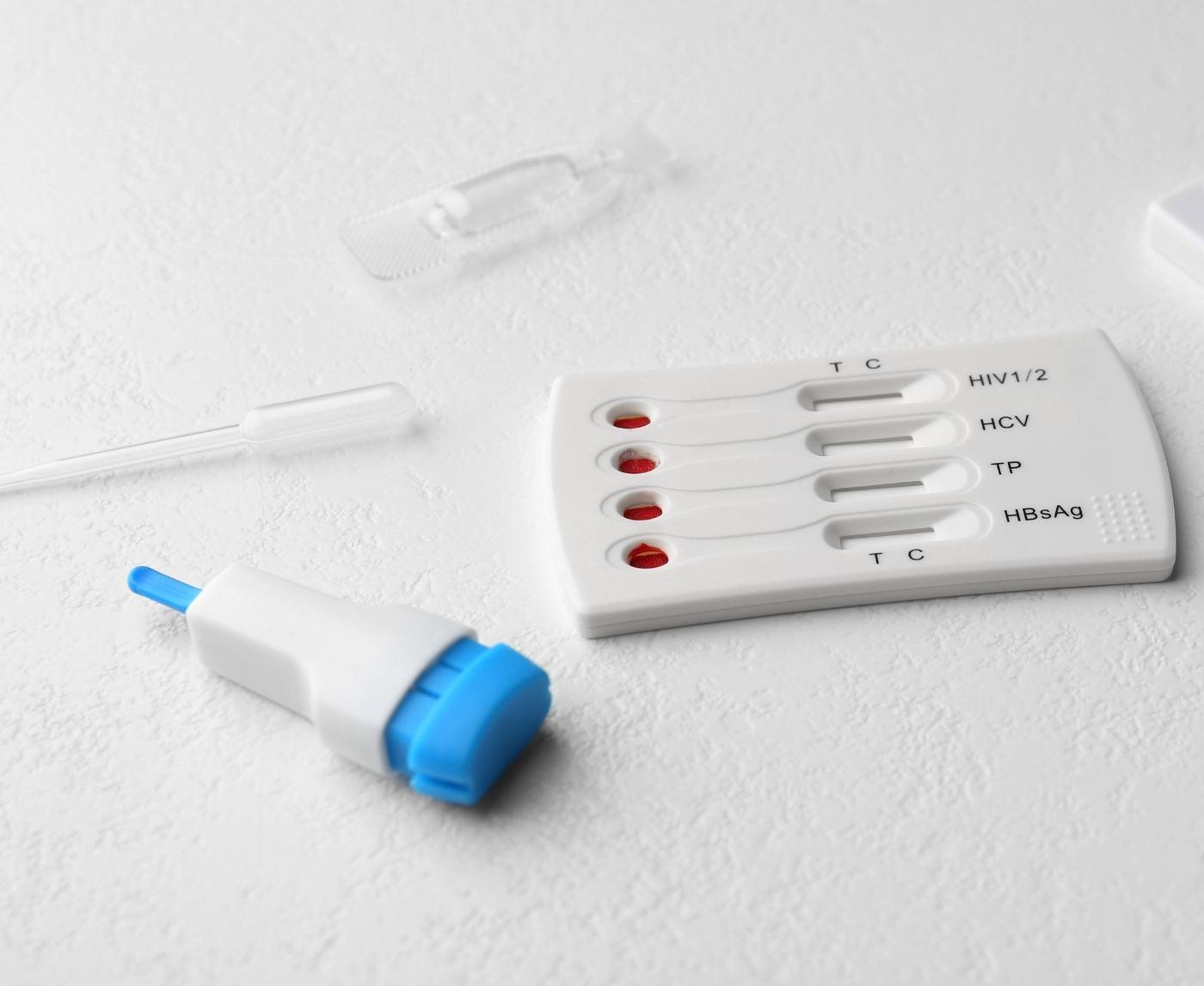
Quick Answer: The most common mistakes with at-home chlamydia tests are swabbing the wrong area, contaminating the sample, opening the test cassette too early, or testing outside the accuracy window. One slip can mean a false result, follow the steps exactly and read the clock like it matters (because it does).
“I Thought I Did It Right, Until Nothing Showed Up”
Janelle, 25, ordered a chlamydia test after a new partner confessed they “might’ve had something once.” She followed the steps, kind of. “I swabbed the inside, but maybe not far enough? It felt weird,” she said. She popped the swab into the tube, opened the test cassette, and waited. And waited. Nothing. No line. No result.
“I had to reorder the test and wait another week. The second time I used a timer and followed every step, and it worked.”
Swab Test vs. Urine: What’s the Difference, Really?
If you’re wondering why you even need a swab when peeing in a cup feels easier, good question. The truth is, urine tests and swab tests don’t always detect infections the same way. It depends on where the infection is and what part of your body is being tested. Here's how it breaks down:
| Test Method | Where It Detects Infection | Best For | Risk of Missing Infections |
|---|---|---|---|
| Urine Sample | Urethra (penis, lower vagina) | Penile testing, lower vaginal detection | Can miss rectal or throat infections |
| Vaginal Swab | Upper vagina, cervix | Higher sensitivity for vaginal chlamydia | Low, if done correctly |
| Rectal Swab | Rectum | Receptive anal sex partners | Not detected by urine or vaginal swab |
| Throat Swab | Oropharynx (back of throat) | Oral sex exposure | Not detectable by urine or genital swab |
Figure 1. Different sample types detect different infections. Urine is easiest, but not always enough.
The takeaway? If you're only peeing in a cup and you've had oral or anal sex, you're gambling. Swabs catch what urine can't. But they also require precision. Let’s talk about how people screw it up, and how you won’t.
Top 5 Mistakes People Make with Chlamydia Swab Tests
These are the MVPs of user error. And yes, most of them are entirely avoidable if you slow down and follow instructions like your reproductive health depends on it (because it does).
| Mistake | What Happens | How to Avoid It |
|---|---|---|
| Touching the swab tip | Contaminates the sample, invalidates result | Only touch the stick, never the soft tip |
| Opening the cassette too early | Test dries out before sample is added | Open it only when you're ready to add the drops |
| Not inserting swab far enough | Misses the infection site, false negative | Follow depth instructions (vaginal = 2 inches, rectal = 1.5 inches) |
| Waiting too long to read results | Line fades or changes, result becomes unreadable | Use a timer; read between 10–20 minutes, not after |
| Testing too early after exposure | Infection hasn’t built up enough to detect | Wait at least 7 days post-risk, or 14 for peak accuracy |
Figure 2. Common at-home swab test errors and how to not sabotage your own results.
Still feel unsure? That’s normal. These kits assume you’re a calm, sober, clinically trained adult with zero anxiety. Most people using them are none of those things. But with clear steps and a decent clock, you can absolutely get it right.
Before You Open Anything: Your Swab Prep Checklist
This isn’t just about cleanliness, it’s about getting the best shot at an accurate result. Here’s how to prep before you even touch the kit:
- Wash your hands. Then dry them with a clean towel. Not your pants. Not the guest towel covered in glitter.
- Clear a surface. Bathroom counters are danger zones. Go for a desk or tray if possible.
- Read every single step. Out loud. Slowly. No skimming.
- Set a timer or phone alarm for the read window (usually 10–20 mins).
- Pee first if it’s a swab kit, swabbing works better with an empty bladder.
Once you’ve done that, then, and only then, should you start. The swab doesn’t get a second shot. And neither do you, unless you want to pay for another kit.
How to Swab for Chlamydia at Different Sites
Swabbing isn’t one-size-fits-all. Where you swab depends on how, and with whom, you’ve had sex. Don’t assume a vaginal swab covers oral exposure, or that urine will detect rectal infections. Here’s how to get it right, by site:
- Vaginal Swab: Stand with one foot on the toilet seat or squat. Insert the swab about 2 inches (roughly to the second knuckle). Rotate for 10–15 seconds. It should feel awkward, but not painful. Pull out, insert into tube. Done.
- Rectal Swab: Use a mirror if you need one. Gently insert the swab 1.5 inches into the rectum. Rotate slowly. Do not push hard. This swab matters for anyone who’s had receptive anal sex, regardless of gender or orientation.
- Throat Swab: Tilt your head back, open wide, swab both tonsil areas and the back of your throat (don’t gag yourself into oblivion). Avoid touching your teeth, tongue, or cheeks. If it feels like a COVID test, you’re too shallow.
- Penile/Urethral Swab: Rarely used in at-home kits anymore because it hurts like hell and urine works fine. But if your kit includes it, follow instructions carefully, usually just a shallow insert into the urethra opening.
Rule of thumb: swab the site of the exposure, not just the site you’re comfortable talking about. If you had oral sex, a throat swab makes sense. If you had anal sex, a rectal swab is non-negotiable. And no, symptoms aren’t required for a valid test, chlamydia loves hiding in silence.
Reading the Results Without Melting Down
Now for the part that makes everyone sweat: interpreting the test. At-home chlamydia kits often come with a rapid test cassette. You’ll see one or two lines appear, maybe faint, maybe bold, maybe…nothing. Here’s what it all means:
- 1 line (Control only): Negative result. No chlamydia antigens detected.
- 2 lines (Control + Test): Positive. Even a faint line = positive. Yes, really.
- No line at all: Test invalid. You messed up the sample or the cassette was faulty.
- Test line only, no control: Invalid. Control line must always appear, or it doesn’t count.
If you’re staring at a faint line and wondering if it’s “real,” the answer is: probably. Faint doesn’t mean false, it means there’s low-level antigen present. Retest to confirm if you’re unsure, but don’t ignore it.
If your test came back invalid, do not try to fix it by reusing the swab or adding more drops. Once a cassette has been opened and exposed, its timeline is ticking. Toss it, reorder, and follow the steps more carefully next time.
What If I Messed It Up? Can I Test Again Right Away?
If you touched the swab tip, dropped it, or swabbed the wrong spot (like oral instead of rectal), assume the result is unreliable. You can test again immediately with a new kit, no need to wait, because the problem wasn’t your biology. It was human error. Welcome to the club.
But if your test was negative and you're still within 7 days of exposure, wait before testing again. Testing too early can give you a false negative, not because you messed up, but because the infection hasn’t built up enough to detect yet.
If you’ve had new symptoms since your last test or you’re retesting after treatment, wait 21 days post-treatment for accuracy. The test can’t always distinguish dead bacterial fragments from active infection immediately after antibiotics.
Think of testing like baking: too early, and your cake’s still goo. Too late, and it’s burned. Follow the window and read the directions, and you’ll get it just right.

Why At-Home Chlamydia Tests Fail, and It’s Not Always Your Fault
Sure, most testing fails come down to user error, but not all. Sometimes the kit itself is the problem. At-home STD tests are sensitive little things. Exposure to heat, cold, or humidity during shipping or storage can mess with their accuracy before you even open the box.
Also, check the expiration date. Yes, even if you just bought it. Tests close to expiring may not react properly. And if you’ve stored your kit in a steamy bathroom cabinet or it sat in a mailbox during a heatwave, that could be enough to weaken the chemicals inside.
Sometimes the test fails without a clear reason, cassette never activates, no control line, sample doesn’t flow. That’s frustrating, but it doesn’t mean you’re infected. It just means the tool broke. Get another new test, have another go, and don't forget: one rubbish cassette won't tell you anything about your body.
Must I be tested even though have already been treated?
Once you have had chlamydia and already been treated with antibiotics, you might be thinking you don't need to be tested again. You do. Depending on your situation.
If it’s been more than three months since treatment and you’ve had new partners or unprotected sex since then, yes, you should test again. Reinfection is common, especially if your partner didn’t get treated or if you’re part of a higher-risk network.
There are also cases where a test of cure is recommended. For example, if the infection was in your rectum, if you're pregnant, or if symptoms stick around after treatment, follow-up testing is smart. You want to make sure it’s really gone, not just quiet.
Bottom line? Chlamydia is curable, but not a one-and-done situation. New sex = new risk = new test.
Should I Trust a Negative Result If I Still Feel “Off”?
This one’s tricky. A negative result is usually reliable if you swabbed correctly, waited the right number of days post-exposure, and didn’t mess up the kit. But if you’ve got a gut feeling, or symptoms that don’t go away, listen to that.
You might’ve tested too early, swabbed the wrong site, or picked up a different infection entirely (hello gonorrhea, hello BV). Testing isn’t mind-reading. It’s one piece of the puzzle. So if something still feels wrong, retest in a week or talk to a provider who can run a full panel.
Also, if your partner tested positive, assume you're exposed even if your test says negative. Infections don’t always show up on schedule. Play it smart, not smug.
When to Retest After a Chlamydia Test
| Situation | When to Retest | Why |
|---|---|---|
| Tested | Retest in 7–14 days | Early tests can miss infections |
| No symptoms, high-risk partner | Retest in 3–4 weeks | Infections may be asymptomatic |
| Post-treatment follow-up | Wait 21 days | Ensure infection is cleared fully |
| Still have symptoms after negative test | Retest in 1–2 weeks or consult provider | Could be missed or different infection |
Figure 3. Retesting timelines vary based on timing, symptoms, and exposure history. When in doubt, test again.
FAQs
- 1. Can I swab the wrong place and still get a result?
- You’ll get a result. Just not one you can trust. If you swab your vagina but the infection is chilling in your throat, the test might come back negative, and you’ll think you’re fine when you’re not. Swab where the action happened.
- 2. I touched the tip. Is it ruined?
- Sadly, yes. That little cotton puff is sacred. Once it’s touched your fingers, the counter, or anything that isn’t your anatomy, the risk of contamination goes up. New kit, new swab, deep sigh. Learn. Move on.
- 3. Do I really need a throat or rectal swab?
- If your sex life includes mouths or butts (and let’s be honest, most do), then yes. Chlamydia can camp out in the throat or rectum without throwing a party, no symptoms, no heads-up. It’s stealthy. Swabbing there is the only way to catch it.
- 4. I see a line but it’s faint. Do I panic?
- No panicking, but yes, you should take it seriously. Even a whisper of a line means the test picked up something. This isn’t a “dark line = very infected” thing. It’s binary. Faint means positive. You’re not imagining it.
- 5. I opened the test cassette before I swabbed. Did I screw it up?
- Probably. Those cassettes are picky. They dry out if you open them too soon, and then they ghost you when it’s time to show results. Always swab first, then open. Otherwise, it’s like pouring soup into a bowl with a hole in it.
- 6. Can I swab multiple places with one swab to save time?
- Nope. That’s not multitasking, it’s cross-contamination. You can’t swipe your throat, then your rectum, then your vagina, and expect science to sort it out. One site = one swab = one result that means anything.
- 7. I tested too early after sex. Now what?
- Wait and test again. Chlamydia can take 7–14 days to show up in your system. If you jumped the gun and tested on day three, your negative result might just mean “too soon.” Hold out at least a week for round two.
- 8. My test says invalid. Do I blame the kit or myself?
- Honestly, it’s usually user error. The cassette was opened too early, not enough drops went in, or you skipped a step. Don’t beat yourself up, but don’t trust the result either. Start fresh with a new test and no shortcuts.
- 9. I feel totally fine. Do I still need to test?
- Yes. Chlamydia’s favorite move is doing absolutely nothing while quietly ruining your reproductive system. Most people don’t feel symptoms. That’s why it spreads so easily. Feeling fine doesn’t mean being clear.
- 10. Are at-home tests actually accurate?
- When used right? Very. Like, lab-level accurate. But the key phrase is “when used right.” Most mistakes come from rushing, guessing, or skipping steps. Take your time, follow the guide, and your test result can be trusted.
Your Results, Your Power: What Comes Next
Whether you swabbed perfectly or had to do a second round, getting tested is never a waste of time. Every test is a step toward clarity, even if the answer isn't what you wanted. If your result is positive, chlamydia is curable with antibiotics. You’ll just need to follow up with a provider or clinic that can prescribe them. No lifelong sentence. No scarlet letter.
If you want to retest discreetly, or get a more complete panel while you’re at it, we’ve got you covered. This Combo STD Home Test Kit screens for chlamydia, gonorrhea, syphilis, and more, and shows results in minutes. Private, fast, and handled by the same hands that just swabbed like a champ. That’s progress.
How We Sourced This Article: We combined current guidance from medical institutions with hands-on product testing data and peer-reviewed research to make this guide practical and accurate. In total, around fifteen references informed the writing; below, we’ve highlighted some of the most relevant and reader-friendly sources.