STD Testing in Alaska What New Data Means for At Home Testing
Quick Answer: Alaska’s latest data shows lower rates of chlamydia and gonorrhea in 2024, but syphilis cases, including those in newborns, continue to rise. But the news isn’t all good.

Quick Answer: Alaska’s latest data shows lower rates of chlamydia and gonorrhea in 2024, but syphilis cases, including those in newborns, continue to rise. At-home STD tests offer Alaskans a private, fast, and accessible way to screen, especially for those in remote or underserved areas.
What This New Report Tells Us (And Why It Matters)
The recently released 2024 infectious disease report from Alaska’s Division of Public Health breaks down more than numbers, it shows where progress is happening and where we’re falling short. The state logged 4,712 cases of chlamydia, a drop from 5,118 the year before. Gonorrhea cases also dipped, from 2,280 in 2023 to 2,104 in 2024. But the news isn’t all good. Syphilis rose to 445 cases, up from 392, and there were seven documented cases of congenital syphilis, which can cause irreversible harm in newborns if left untreated.
What does this mean if you’re sexually active in Alaska, or anywhere with high STI rates? It means the threat isn’t over, even when the headlines suggest progress. It means testing still matters. And it means those who don’t have access to regular healthcare, or who fear stigma, need other options, like discreet, FDA-cleared at-home STD tests that deliver clarity without the clinic.
This guide builds on the Alaska Beacon’s report to explore how and when to test for STDs, what your options are (especially if you live off the grid or are worried about privacy), and what to do if your results come back positive. Consider it your go-to roadmap for testing smarter, not just reacting when symptoms get scary.
What Counts as an STD Test, and What Doesn’t?
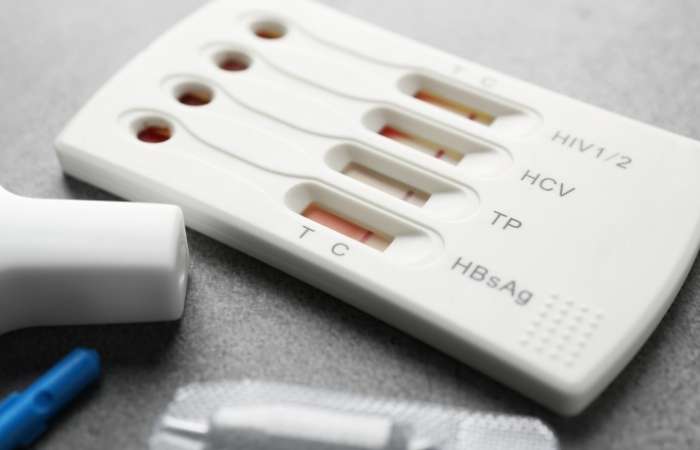
Many people assume that a physical exam or a Pap smear includes a full STD panel, but that’s not true. A proper STD test is targeted and specific. For chlamydia and gonorrhea, that usually means a NAAT (nucleic acid amplification test), which checks your urine or swab samples for the bacteria’s genetic material. Syphilis testing typically uses blood-based antibody screens. At-home rapid tests, like those available from STD Test Kits, detect antigens or antibodies, giving you results within minutes.
You might also see “mail-in” test kits, where you collect a sample at home and ship it to a lab. These often offer higher sensitivity but can take a few days. Clinics and urgent care centers may offer both rapid and lab-based tests, but that often involves wait times, insurance questions, and awkward conversations. At-home kits skip all that. You can order a discreet kit like this combo test and get tested for multiple infections from home.
Window Periods by STD: Why Timing Affects Accuracy
Every STD has a “window period”, the time between exposure and when a test can reliably detect infection. Testing too soon can lead to a false negative. The good news? Most rapid or lab tests now have clear guidance on when accuracy is highest. But too few people know these windows, or understand how they vary depending on the infection.
| STD | Common Test Type | Sample Type | Window Period | Best Time to Test |
|---|---|---|---|---|
| Chlamydia | NAAT or Rapid Antigen | Urine or Swab | 7–14 days | 14 days after exposure |
| Gonorrhea | NAAT or Rapid Antigen | Urine or Swab | 7–14 days | 14 days after exposure |
| Syphilis | Antibody or Treponemal | Blood | 3–6 weeks | 6–12 weeks after exposure |
| HIV | Ag/Ab Combo or NAAT | Blood or Oral Fluid | 2–6 weeks | 4–12 weeks after exposure |
| Trichomoniasis | NAAT or Rapid Antigen | Swab or Urine | 5–28 days | 2–4 weeks after exposure |
Figure 1. These window periods reflect the earliest and most accurate testing ranges for common STDs. Testing outside of these windows may require retesting to confirm.
Rapid Test vs Lab Test: What’s the Real Difference?
You're not the only one who has ever stared at a test cassette in a bathroom with shaky hands. At-home testing has made things faster and more private, but it has also raised questions. How reliable are quick tests? When should you still see a doctor? This is what you need to know, without all the technical talk.
Rapid at-home tests use lateral flow technology to find antibodies or antigens. They don't take long, usually less than 20 minutes, and they don't make a lot of noise. On the other hand, lab-based NAAT or PCR tests look for the actual genetic material of the infection and are often thought to be the best tests. Both types are useful, but they have different uses.
| Testing Method | Privacy | Speed | Accuracy | Best Use |
|---|---|---|---|---|
| At-Home Rapid Test | Very High | 10–20 minutes | Moderate to High | When you need quick clarity and privacy |
| Mail-In Lab Kit | High | 2–5 business days | High | When you want lab-grade results without a clinic |
| Clinic-Based Test | Low to Moderate | Same-day to 1 week | Very High | When you have symptoms or need follow-up care |
Figure 2. Rapid vs lab vs clinic testing, each option has tradeoffs in privacy, speed, and sensitivity. The best choice depends on timing, access, and peace of mind.
When to Test After Exposure: A Timeline That Works
If your partner just told you they tested positive, or if you had unprotected sex with someone new, your first instinct might be to test immediately. But that can backfire. Testing too early can give you a false sense of safety. Here’s how to time it better.
If it’s been less than 5 days since the exposure, most infections won’t yet be detectable. You can test, but understand the result may not be final. For example, someone exposed to chlamydia who tests on Day 3 could show negative, but turn positive a week later. Between 7 to 13 days, some tests begin to pick up early infections, but retesting at 14 days or later is often recommended for confidence.
By Day 14, you’ve hit the sweet spot for chlamydia, gonorrhea, and trichomoniasis. Syphilis takes longer, anywhere from 3 to 6 weeks. That’s why many people do a two-step approach: test now, then again in a few weeks.
Real story: A reader tested negative for gonorrhea on Day 5 after a condom broke. She felt relief, until symptoms started at Day 12. A follow-up test came back positive. This isn’t rare. It’s biology, not failure. Knowing when to retest is part of protecting yourself.
Should You Retest? Here’s When It Makes Sense
Retesting isn’t just for people who had a scare. It’s for anyone with ongoing exposure, past treatment, or confusing symptoms. If you were treated for chlamydia or gonorrhea, the CDC recommends retesting in 3 months to make sure you weren’t re-infected. But if you’re still feeling “off” just a few weeks after treatment, don’t panic, your body might still be healing, and residual cells can confuse some test types.
If you tested during the early window, retesting at the optimal point, usually 14 to 45 days later, can confirm your status. For example, someone testing for syphilis at 3 weeks might test again at 6 or 8 weeks for confirmation. Retesting is also smart if your partner tested positive after your last encounter or if you’re entering a new relationship and want a clean baseline.
Case snapshot: After testing positive for trichomoniasis and taking medication, a 33-year-old reader retested at home two weeks later. It still showed faint positive. She called a local nurse line and learned to wait 3 more weeks before rechecking. The next test? Negative. No drama, just timing.
Privacy, Shipping, and Real-Life Support
Living in Alaska, or anywhere rural, can mean long drives to the nearest clinic. Add stigma, icy roads, or fear of someone recognizing your car, and it's easy to see why people delay testing. But that delay can lead to undiagnosed infections that spread quietly, especially in places where care access is limited.
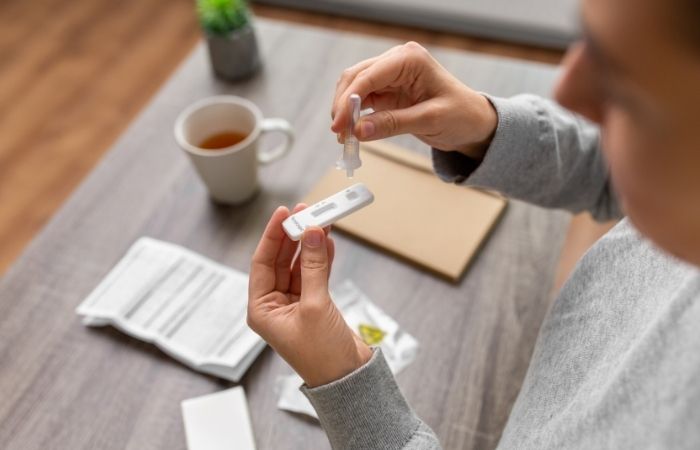
With at-home kits, you control the timeline. Orders arrive in plain packaging, no branding, no embarrassing labels. Inside, you’ll find everything needed to test yourself in minutes. Results are yours alone. And many kits now include access to telehealth guidance if you test positive or feel unsure what next steps to take.
Whether you’re on a fishing boat, in student housing, or just don’t want to explain a rash to a stranger, this option is built for you. Confidence shouldn’t depend on geography.
What If You Test Positive? Start Here, Not in Panic
You’ve taken the test. The line shows up. Or maybe the result flashes “positive” in bold letters. Before your brain spirals, take a breath. Most STDs are treatable, some with a single dose of antibiotics. Testing positive isn’t a life sentence. It’s a moment of clarity that lets you move forward, protect partners, and feel in control again.
Start with confirming the result. If you used a rapid test, consider following up with a clinic or mail-in lab test. If you’re in Alaska or another remote region, telehealth platforms can guide you through next steps, even prescribe treatment in many cases. Treatment for infections like chlamydia, gonorrhea, and trichomoniasis is usually quick and effective. Syphilis requires an injection, often available through public health clinics.
Scene snapshot: After a rapid test showed positive for syphilis, a 28-year-old in Sitka called a community health center. They confirmed the result with a blood test and treated him the same day. He told his partner using a text-based anonymous notification tool provided by the clinic. What started in fear ended in honesty, and both got treated.
If you’re not sure how to tell a partner, scripts and anonymous tools can help. Testing your partner, or helping them order their own kit, is part of stopping the cycle. A positive result is not the end. It’s a reset.
FAQs
- 1. Are STD rates really dropping in Alaska, or are fewer people just getting tested?
- Both things can be true. The numbers are lower, sure, but that could mean fewer infections, or fewer tests being done. Alaska still ranks at the top nationally for gonorrhea and chlamydia. So while it’s good news, it doesn’t mean it’s time to let your guard down. Think of this more like a weather forecast: partly sunny, still carry an umbrella.
- 2. Do I still need to test if I feel totally fine?
- Absolutely. The majority of STDs, especially chlamydia and gonorrhea, show zero symptoms, until they cause real damage. You don’t need a rash or a weird discharge to have something worth catching early. Testing without symptoms isn’t paranoid. It’s proactive.
- 3. How soon after sex should I test?
- Depends on what you’re checking for. For chlamydia and gonorrhea, the sweet spot is around 14 days post-exposure. Test earlier if you’re anxious, but plan to retest later to be sure. For syphilis or HIV, give it at least 3 to 6 weeks. Testing too early is like baking cookies at 200°F, technically happening, but not ready yet.
- 4. Is it true that congenital syphilis is back?
- Unfortunately, yes. Alaska reported seven cases in 2024, babies born with syphilis because the infection wasn’t caught and treated in the mother. It’s heartbreaking, and it’s preventable. That’s why testing in pregnancy matters so much. You’re not just protecting yourself, you’re protecting someone else’s start in life.
- 5. Can I use an at-home test if I’m on the road or off-grid?
- Definitely. That’s the whole point. These kits were made for folks who don’t live five minutes from a clinic. Whether you’re out in Bethel, working seasonally in Denali, or just don’t want to explain yourself to a receptionist, you can still get answers. Privacy shouldn’t depend on a zip code.
- 6. What if I mess up the test?
- You’re not the first. Common hiccups include not enough sample, testing too early, or misreading faint lines. But most kits come with clear instructions, and rapid tests are surprisingly forgiving. If you’re ever unsure, you can always retest, or use a mail-in kit for backup. It’s not pass/fail. It’s about clarity.
- 7. How do I tell someone I tested positive?
- Deep breath. You don’t have to give a TED Talk. It can be a text. It can be anonymous using a notification tool. You can literally say: “Hey, I tested positive and wanted to let you know so you can take care of yourself too.” It’s awkward, yes, but it’s also brave and responsible. Most people will respect you more for saying something.
- 8. What should I do if I test positive and I’m scared?
- First: know that you’re not alone. It’s okay to be freaked out. But almost every common STD is treatable. You’ve already done the hardest part, testing. Now it’s about taking the next small step. That could mean calling a clinic, texting your partner, or just reading this paragraph again. You’re still in control. You’re still worthy of care.
- 9. Can I use these tests even if I’m on PrEP?
- Yes, and you should. Being on PrEP means you're serious about protecting yourself from HIV, but it doesn’t cover other STDs. At-home kits are a smart way to stay on top of your status between regular checkups.
- 10. Do I have to tell anyone if I test positive?
- Legally, no. Medically and ethically, it depends. If there’s a partner involved who might also be at risk, telling them is part of ending the loop. But how you do it is up to you. Quiet text? Anonymous message? Handwritten note tied to a rock? (Okay, maybe not that.) Point is, you deserve support, and so do they.
You Deserve Answers, Not Assumptions
STD rates in Alaska may be trending down, but that doesn’t mean the risk is gone. Behind every number is a person who hesitated to test, or who never knew they were exposed. Behind every rise in syphilis is a moment that could have been caught earlier. Whether you live in Anchorage or on a fishing vessel off Kodiak, you deserve access to testing that fits your life.
Don’t wait for symptoms or scary news from a partner. You can get ahead of this. This at-home combo test kit checks for the most common STDs discreetly and quickly. It’s not just about results, it’s about peace of mind, protection, and power.
How We Sourced This Article: We combined current guidance from leading medical organizations with peer-reviewed research and lived-experience reporting to make this guide practical, compassionate, and accurate. In total, around fifteen references informed the writing; below, we’ve highlighted six of the most relevant and reader-friendly sources.
- Annual Alaska Disease Report Shows Dip in Sexually Transmitted Infections – Alaska Beacon
- STDs, Testing, and Prevention – Planned Parenthood
- Sexually Transmitted Diseases — Alaska Department of Health
- STIs Among AI/AN People in Alaska — Epidemiology Report
- Sexually-Transmitted Infections Top Alaska’s Annual Disease List (2024)