Syphilis Cases Are Falling in Alberta, What That Means for You (and At-Home Testing)
Quick Answer: Alberta’s recent 23% drop in syphilis cases is being credited in part to easier access to rapid testing, proof that fast, accessible STD tests can help turn the tide.

Quick Answer: Alberta’s recent 23% drop in syphilis cases is being credited in part to easier access to rapid testing, proof that fast, accessible STD tests can help turn the tide. If clinic visits are hard for you, an at-home syphilis test may be a safe, discreet, and effective way to catch infection early and stop the spread.
Who This Guide Is For (And Why It Matters)
If you’re someone who’s skipped the clinic out of fear, logistics, or just life getting in the way, this article is for you. Whether you’re living in a rural area, working night shifts, navigating stigma, or recovering from past trauma, getting tested for syphilis and other STDs shouldn’t be a battle. Alberta’s success shows what happens when testing meets people where they are, and that includes home.
We’ll break down what counts as a syphilis test, how to time it, and what kind of results to expect from rapid tests versus labs. You’ll also get guidance on what to do if you test positive, how to talk to a partner, and how to prevent reinfection. Because testing isn’t just about catching an infection, it’s about protecting your future.
What Actually Counts as a Syphilis Test?
Most of the time, when people say "getting tested for syphilis," they mean one of two types of blood tests. A screening test (like the RPR or VDRL) looks for antibodies, and then a confirmatory test (like the TPPA or FTA-ABS) checks to see if the first test was correct. These tests don't look for the bacteria itself; they look for how your immune system reacts to it.
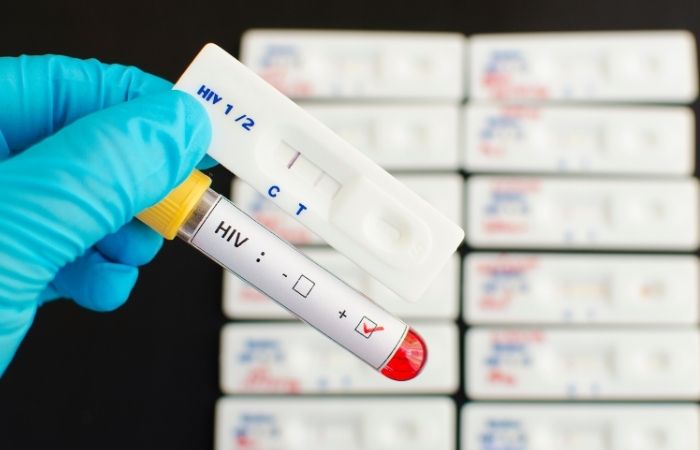
Most at-home syphilis test kits use quick immunoassay technology. These are lateral flow devices, like a pregnancy test or a COVID-19 test, that can find syphilis antibodies in a small blood sample taken from a fingerstick. They don't take the place of a full lab diagnosis, but they can be a very useful first step, especially for people who might not want to get tested at all.
You can order a syphilis rapid test to your home in plain packaging through STD Test Kits, which offers discreet options. No waiting room. No judgment. Just answers.
Window Periods: What to Know for Syphilis and Other STDs
Timing matters. A lot. If you test too early after exposure, your body may not have produced enough antibodies for the test to detect. This period, called the “window period”, is different from the incubation period (when symptoms might show up). Most people infected with syphilis won’t see symptoms right away, if ever. That’s why testing based on timing, not just symptoms, is critical.
| STD | Common Test Type | Sample | Typical Window Period | When Accuracy Peaks |
|---|---|---|---|---|
| Syphilis | Antibody (RPR/VDRL) | Blood (fingerstick or draw) | 3–6 weeks | 6–12 weeks |
| Chlamydia | NAAT/PCR | Urine or swab | 7–14 days | 14+ days |
| Gonorrhea | NAAT/PCR | Urine or swab | 7–14 days | 14+ days |
| HIV | Ag/Ab combo or NAAT | Blood or oral fluid | 2–6 weeks | 6–12 weeks |
| Trichomoniasis | NAAT or antigen | Swab or urine | 5–28 days | 2–4 weeks |
Figure 1. Estimated window periods and optimal testing times for common STDs, including syphilis. Testing outside of these windows may lead to false negatives.
Rapid Test vs Lab Test: Pros, Cons, and Tradeoffs
In Alberta’s case, part of the syphilis turnaround may be tied to faster testing, not just more of it. That’s where rapid tests come in. Imagine being in your car after a risky encounter, hands shaking, unsure whether to drive to a clinic or just ignore it. A test that gives you an answer in minutes, privately, without judgment, can be the tipping point between action and delay.
Lab tests remain the gold standard, especially for confirmatory diagnosis. But rapid tests fill a crucial gap: they reduce barriers. They meet people in reality, on lunch breaks, in rural towns, in moments of panic or doubt. And when used properly, many of them offer sensitivity rates over 90%.
| Method | Privacy | Speed | Accuracy | Best Fit For |
|---|---|---|---|---|
| At-Home Rapid | Very high | 10–20 minutes | Moderate to High | First-step testing when clinic access is hard |
| Mail-In Lab Kit | High | 2–4 days | High | Detailed results with lab verification |
| Clinic-Based | Moderate | Same day to several days | Very high | Ongoing symptoms or high-risk exposure |
Figure 2. Comparison of syphilis and STD testing options by privacy, speed, and accuracy. At-home rapid tests offer a starting point, not a replacement for clinical care.
When Should You Test After a Risk?
If you might have been exposed to syphilis, when you get tested can make the difference between catching it early or not at all. This is how it works:
Your body probably hasn't made any detectable antibodies yet if you were exposed less than 7 days ago. If you test now, you might get a false negative. But if you already have symptoms, like a rash or sore that doesn't hurt, you should still get tested and get help right away.
Between 3–6 weeks is the key window for most accurate detection via antibody testing. If you're in that window, especially with symptoms or high-risk exposure, a rapid test could give you critical insight. And if it's been more than 6 weeks, you're squarely in the “accurate result” zone, perfect timing for either a rapid at-home test or lab confirmation.
Case example: A 31-year-old named Marlon took a rapid syphilis test at home 10 days after a casual hookup. It came back negative. But by week four, he noticed a reddish sore near his lip. He tested again, with a new kit, and this time, it came back positive. That second test allowed him to seek treatment fast, avoid infecting a new partner, and stop the spread.
If your head keeps spinning, peace of mind is one test away. Order a discreet syphilis test kit here and get results in minutes, no appointment, no waiting.
Should You Retest? Here's How to Know
Testing once isn’t always enough, especially for syphilis. If your first test was done too early, or if you’ve had ongoing exposure, a retest is often the best way to be sure. The CDC recommends retesting at 6 and 12 weeks after a known or suspected exposure, particularly if initial results were negative but symptoms emerge later.
Let’s say you tested negative with a rapid kit at week three. If you develop a rash, fatigue, or lesions weeks later, don’t brush it off. Retest with a new kit or seek out lab confirmation. Similarly, if you were treated and your symptoms cleared, a follow-up test can confirm that treatment worked, especially if you're planning to resume sexual activity with a partner.
Partner testing matters, too. One person getting treated won’t break the chain unless partners are tested and cleared as well. Return to STD Test Kits to find partner-friendly testing options that are fast, private, and shipped directly to your door.
Privacy, Shipping, and Discreet Support
Getting tested shouldn’t mean giving up your privacy. That’s one of the biggest reasons people delay or avoid STD screening altogether. Whether you're living with roommates, co-parenting with an ex, or traveling for work, the logistics of testing can feel overwhelming. That’s where discreet at-home kits make a real difference.
When you order a syphilis rapid test kit online, it arrives in plain, unmarked packaging. No clinic name. No awkward pharmacy pickup. Just a sealed, secure box that fits in your mailbox or parcel locker. The instructions are easy to follow, and your results are yours alone. No one sees them unless you choose to share.
Shipping usually takes 1–3 business days, depending on location. If you’re in a remote or rural area, or if you're just trying to avoid a crowded waiting room, these kits let you take control without compromising your boundaries. And if you need support after testing, many platforms offer email or live chat with trained staff who can answer questions without judgment.
What If You Test Positive?
First, take a breath. A positive result for syphilis doesn’t mean you’re dirty, reckless, or doomed. It means your body encountered a bacterial infection, and you caught it. That’s power. Left untreated, syphilis can cause serious health problems, but it’s also one of the most curable STDs when caught early.
If your result is positive, the next step is to confirm it through a medical provider. Even if you used a highly sensitive rapid test, a follow-up lab result ensures accurate treatment. Early-stage syphilis is typically treated with a single injection of penicillin. For later stages, more doses may be needed. Either way, the sooner you start, the better your outcome, and the lower the chance you’ll pass it to someone else.
Case study: Nina, 27, got a positive result from an at-home syphilis test while preparing for a new relationship. “I wanted a clean slate,” she said. “It was scary to see that line show up, but I’m glad I knew before involving someone else.” She found a clinic through a telehealth service, got treated that same week, and shared her story anonymously so others wouldn’t feel alone.
If you test positive, you don’t have to go through it alone. Treatment is available. Support is real. And knowledge is your first line of defense.
You can also use a discreet combo kit to test for multiple STDs at once, because syphilis rarely travels alone. Early detection can protect your future, your partners, and your peace of mind.
FAQs
- 1. Can I really test for syphilis at home?
- Absolutely, and you’re not alone for wondering. If the thought of a clinic visit makes your stomach twist, a finger-prick test you do in your own bathroom can feel like a lifeline. These tests check for antibodies, and while they’re not a full replacement for a lab test, they’re surprisingly accurate during the right window period. It’s privacy, power, and peace of mind in one tiny box.
- 2. How soon after sex should I test for syphilis?
- Timing matters. Your body needs a little time to build up detectable antibodies. Most people will get the most accurate results 3 to 6 weeks after potential exposure. If you test earlier and it’s negative, that doesn’t always mean you’re in the clear, so consider a follow-up at the 6-week mark just to be safe.
- 3. What does syphilis look like in the early stages?
- Sometimes, nothing. That’s the tricky part. Early syphilis might show up as a single, painless sore on your genitals, mouth, or anus, often so subtle it gets missed or confused with a razor bump. Later, you might get a rash on your palms or soles. But many people have no obvious symptoms at all, which is why testing is so important, even when everything looks and feels “normal.”
- 4. Are rapid syphilis tests actually reliable?
- Yes, when used correctly and at the right time. Rapid syphilis tests look for antibodies and can deliver results in under 20 minutes. Most have sensitivity rates over 90% once you’re past the window period. Think of them as a trusted first alert. If it's positive, you’ll want to follow up with a confirmatory test. If it’s negative but you're still unsure, retest in a few weeks or talk to a provider.
- 5. If I ignore syphilis, will it just go away?
- Nope. We wish. Syphilis is persistent and sneaky. Left untreated, it moves through your body in stages, and can eventually damage your heart, brain, and nervous system. The good news? Early treatment, usually a single shot of penicillin, clears it fast and fully. So if you've tested positive, the most important thing you can do is act now.
- 6. Is it possible to have syphilis and not know it?
- Totally. That’s the scary part, and the reason syphilis keeps spreading. Some people go months without a single sign. You might feel fine, look fine, and still be infectious. That’s why testing isn't just about symptoms, it's about timing, exposure, and awareness. If you’re reading this with even a flicker of doubt, it's worth checking.
- 7. How does syphilis actually spread?
- By coming into direct physical contact with a syphilis sore. This is often a result of oral sex, vaginal sex, or anal sex. Also, these sores don’t always have to be present outside. They can be inside the mouth or in folded skin areas. They can be mistaken for something else too. So even wearing a condom can’t guarantee you won’t catch syphilis. Thus, syphilis tests are a must when you have multiple partners.
- 8. Is syphilis curable?
- 100% yes. A simple antibiotic treatment (usually penicillin) clears it right up, especially in the early stages. The sooner you catch it, the easier the treatment. It's not a life sentence, just a bacteria doing what bacteria do. You’re not dirty or broken. You’re human, and you caught it early. That’s a win.
- 9. If I test positive, does my partner need to get tested too?
- Yes. Every time. Even if they don't have symptoms. Even if they had a sexual encounter weeks ago. It’s a partnership effort. Testing and treating can mean stopping the infection from passing back and forth, as well as building trust between partners to move forward.
- 10. Where can I get a test without anyone knowing?
- Right here. STD Test Kits ships in plain, no-logo packaging, no pharmacy lines, no awkward conversations. You test at home, you read the results, you decide what to do next. Total control. Total privacy. Just how it should be.
You Deserve Answers, Not Assumptions
Alberta’s drop in syphilis cases proves what many of us have long suspected: when testing is fast, accessible, and shame-free, people show up. They take action. They protect themselves and their partners. And that changes everything.
Whether you’ve had a recent scare, feel uncertain about symptoms, or just want clarity before a new relationship, testing at home is a powerful first step. You don’t need permission to take care of your health. You just need the right tools.
Don’t wait and wonder, get the clarity you deserve. This at-home syphilis test gives you results in minutes, without leaving your home.
How We Sourced This Article: We combined current guidance from leading medical organizations with peer-reviewed research and lived-experience reporting to make this guide practical, compassionate, and accurate. In total, around fifteen references informed the writing; below, we’ve highlighted some of the most relevant and reader-friendly sources.