Think It’s Just Discharge? It Might Be Gonorrhea
Quick Answer: Gonorrhea symptoms in teens can be subtle or absent, especially early on. The best time to test is 14 days after a potential exposure. Testing earlier is possible but may need a retest. And the apps?

Quick Answer: Gonorrhea symptoms in teens can be subtle or absent, especially early on. The best time to test is 14 days after a potential exposure. Testing earlier is possible but may need a retest.
Why This Guide Matters Right Now
Let’s be real: sex is happening. Whether it’s through a hookup app, a party, or a “situationship” that no one wants to label, teens are navigating a sexual landscape where protection isn't always used, and testing isn’t always discussed. And the apps? They aren’t just for adults anymore. Platforms like Snapchat, Instagram, and lesser-known dating tools are quietly facilitating encounters, many of them unprotected, unplanned, and unspoken.
Gonorrhea doesn’t care if it’s your first time or your fiftieth. It doesn’t care if you used protection once but not the second round. And it especially doesn’t care that most teens don’t show symptoms right away. What matters is catching it early, and that starts with knowing what to look for, when to test, and how to talk about it without shame.
If you or someone you know has had recent sexual contact, oral, vaginal, or anal, this article walks through the real signs, false alarms, and what comes next.
What Gonorrhea Feels Like (Or Doesn’t) in Teens
One of the trickiest things about gonorrhea in teenagers is that it often shows up in ways that don’t scream “STD.” In fact, up to 50% of teen girls and over 10% of teen boys with gonorrhea don’t notice any symptoms at all, until it spreads or causes complications like pelvic inflammatory disease (PID) or epididymitis.
When symptoms do show up, they can be brushed off as something else:
| Possible Symptom | What It Might Be Mistaken For | STD Red Flag? |
|---|---|---|
| Thick or yellowish discharge | Normal vaginal secretions, irritation, or semen | Yes – especially if odor changes |
| Mild burning when peeing | UTI or dehydration | Yes – test if it lasts more than 1 day |
| Pelvic or lower abdominal pain | Period cramps or gas | Yes – if new or outside menstrual cycle |
| Anal itching or discharge | Hemorrhoids or hygiene irritation | Yes – common in rectal gonorrhea |
| Sore throat after oral sex | Cold or strep | Yes – especially with white patches |
Table 1. Common signs of gonorrhea and how they get misread in teens.
How Fast Does Gonorrhea Show Up After Hooking Up?
Most teens want quick answers. But gonorrhea doesn't always happen on time. It usually takes 2 to 7 days after exposure for symptoms to show up, if they do at all. The time between infection and symptoms is called the incubation period. But when it comes to testing, the window period is more important. This is the time your body needs to show a reliable positive result.
| Event | Timeline | What to Know |
|---|---|---|
| Exposure to gonorrhea | Day 0 | Unprotected oral, vaginal, or anal sex |
| Symptoms (if any) | 2–7 days later | Not everyone has them, especially teens |
| Best time to test | 14 days after exposure | Earlier testing is possible, but may need a retest |
| Retesting (if positive or exposed again) | 6–8 weeks later | Especially important after treatment |
Table 2. Gonorrhea timeline: exposure to symptoms and testing windows.
Can You Really Get Gonorrhea From Oral or “Just Once”?
Yes, and yes. Oral sex can absolutely transmit gonorrhea, especially if someone has an untreated throat infection, which can happen with no symptoms at all. And as for “just once”? That’s all it takes. Gonorrhea doesn’t need multiple exposures or prolonged contact. One unprotected encounter can be enough, especially during an outbreak or if your partner has multiple partners.
In a recent study, up to 15% of teen boys who tested positive for throat gonorrhea had no symptoms and didn’t realize they were contagious. That’s why relying on what someone says or how they “look” isn’t enough. Testing is the only way to know.
If you’re worried about privacy or cost, at-home options are available. STD Test Kits offers discreet shipping and options like the Gonorrhea Test Kit you can use privately, without waiting at a clinic.
Jayden’s Story: The Test That Changed Everything
Jayden, 17, had no idea they were infected. After their weekend hookup, they noticed some mild discharge and felt slightly off. But with no burning or obvious signs, they chalked it up to stress, or maybe bad laundry detergent. They kept it to themselves. A week later, the discharge was thicker, and they started feeling pelvic pressure that wouldn’t go away. That’s when a friend mentioned gonorrhea.
Embarrassed but scared, Jayden ordered an at-home test. It was positive. “I never thought it would happen to me,” they said. “I was so careful, or at least I thought I was.” Treatment was easy, a round of antibiotics. But emotionally? That took longer.
Jayden’s story isn’t unique. Many teens with gonorrhea delay testing because of stigma, confusion, or assuming it’s something else. That delay can cause long-term damage, especially for people with uteruses, where untreated infections can lead to fertility issues later on.
What Type of Test Should Teens Use?
Teens (and adults) have more options than ever for gonorrhea testing. The key is choosing a test that matches your timing, privacy needs, and comfort level.
| Test Type | How It Works | When to Use | Best For |
|---|---|---|---|
| At-Home Rapid Test | Swab or urine sample, results in 15–30 minutes | At least 14 days post-exposure | Privacy and fast answers |
| Mail-In Lab Test | Self-collected sample, mailed to a lab | 7–14+ days after exposure | High accuracy, no clinic visit |
| Clinic-Based NAAT | Lab-processed urine or swab, very high accuracy | 7+ days post-exposure | People with symptoms or complications |
Table 3. Gonorrhea test types and when teens should use them.
Some clinics offer free or low-cost testing for teens, but not everyone wants to walk into a clinic, especially in small towns. That’s where at-home gonorrhea test kits come in: fast, discreet, and designed for people who need privacy and control.
Testing Too Soon? Here’s When to Retest
If you tested before the 14-day mark and got a negative result, but symptoms continue or you’re still unsure, a follow-up test is a smart move. Gonorrhea can take time to show up on a test, especially if your body hasn’t produced enough of the detectable material yet. This doesn’t mean the test failed, it means timing matters.
Here’s how to know if a retest is worth it:
- You tested before 10 days post-exposure and had no symptoms
- You tested negative but now have symptoms
- You had a new partner or multiple partners since testing
- You were treated but still have discharge or pain
Don’t overtest obsessively, but don’t ignore your gut, either. If something still feels off, peace of mind may be one retest away. Testing again at the 14-day or 21-day mark helps catch late-developing infections with better accuracy.
What Happens If a Teen Tests Positive?
First: breathe. A positive result is not a life sentence, and gonorrhea is treatable with antibiotics. Most teens who test positive are cleared with a single dose of ceftriaxone, usually given as an injection or oral medication depending on where you go for care.
But don’t stop there. Here’s what else to do:
- Tell your partners, either directly or using anonymous tools like Tell Your Partner
- Avoid sex until you’re cleared, typically 7 days after treatment
- Retest after 6–8 weeks to confirm clearance and catch reinfections
- Screen for other STDs, especially chlamydia, which often co-occurs
Testing positive isn’t about blame, it’s about protection. Many teens pick up gonorrhea from partners who didn’t even know they were infected. Early treatment protects not just you, but your entire future.
Let’s Talk Privacy and Parent Concerns
One of the biggest reasons teens avoid testing? They don’t want their parents to find out. But here’s the truth: in many states, minors have the right to confidential STD testing and treatment. You don’t need parental permission, and results won’t show up on family insurance bills if you use an at-home kit or local clinic with sliding-scale options.
STD Test Kits ships in plain packaging. No logos, no embarrassing labels, and no emails that give anything away. You control the process, and who knows the result.
Testing isn’t about shame. It’s about knowing, healing, and moving forward. Whether you’ve had one hookup or many, your body deserves answers. And your future deserves protection.
FAQs
- 1. Can you really get gonorrhea from just one hookup?
- Yep, just one time is enough. It doesn’t matter if it was “just oral” or “just once.” If there was genital contact without a barrier, gonorrhea can slip in. A lot of teens get caught off guard thinking STDs only happen after a wild phase or lots of partners. That’s a myth. One moment, one mistake, one unspoken infection, that’s all it takes.
- 2. Is gonorrhea always obvious?
- Not even close. Most teens with gonorrhea don’t have intense symptoms. Some notice nothing at all, just a little discharge they chalk up to puberty, period shifts, or “nothing serious.” Others feel a mild burn when peeing or a random sore throat after oral. If you're waiting for dramatic symptoms, you could miss the window to treat early. Think subtle, not showy.
- 3. How do I know if my discharge is normal or a red flag?
- Great question, and tricky, because discharge changes all the time. But if it smells off, turns yellow or green, gets thicker, or comes with itching, pain, or pelvic pressure? It’s worth checking. With gonorrhea, discharge often looks pus-like in guys and watery-but-persistent in girls. Trust your instincts. If it feels off, it probably is.
- 4. Can I get tested without my parents finding out?
- In most U.S. states, yes. Teens can access STD testing without needing parental permission. If you’re worried about someone finding out, at-home test kits (like the ones from STD Test Kits) come in plain packaging with no labels, no logos, and no judgment. Total privacy, you’re in control.
- 5. What if I already got tested, but it was just a few days after the hookup?
- You might’ve tested too early. Gonorrhea usually takes about 7 to 14 days to show up accurately on a test. If you tested at day 3 or 4 and it came back negative, that doesn’t mean you’re totally in the clear. Retesting around the 2-week mark gives you a better answer, and a lot more peace of mind.
- 6. Will my partner know I gave them gonorrhea?
- Not automatically. But if they test positive soon after you did, it’s a fair guess you shared it, especially if no one else was in the picture. That said, this isn’t about blame. It’s about safety. Use tools like Tell Your Partner to send an anonymous heads-up. It’s awkward, but it’s the right thing to do, and could stop the spread.
- 7. Do I have to go to a doctor to get treated?
- Not all the time. A lot of telehealth services and walk-in clinics can give you gonorrhea treatment without making a full appointment. A quick antibiotic shot or oral meds is the norm. The most important thing? As soon as you test positive, start treatment. Don't have sex for at least seven days after that, even if you feel fine. Your body needs time to heal and stop being sick.
- 8. Can I get gonorrhea more than once?
- Unfortunately, yes. It’s not like chickenpox, there’s no lifelong immunity here. You can clear it with antibiotics, feel totally fine, and get reinfected next month from a partner who hasn’t been treated. That’s why retesting matters, especially if you’ve had new partners or didn’t talk about testing before sex.
- 9. What happens if I don’t treat it?
- It's not just risky to ignore gonorrhea; it's also dangerous. It can spread to your reproductive organs and cause PID (pelvic inflammatory disease), infertility, testicular pain, and, in rare cases, joint infections. It also makes it easier to get or pass on HIV. But here's the good news: if you catch it early and take one round of medicine, it usually goes away quickly.
- 10. Should I test for other STDs too?
- 100% yes. Gonorrhea often rides shotgun with chlamydia, and it’s not unusual to have more than one infection at a time, especially if symptoms are mild or confusing. A combo STD kit lets you check for multiple infections at once, saving time, money, and stress.
You Deserve Answers, Not Assumptions
If something feels off, discharge, burning, pain, or just a gut feeling, it’s okay to check. You’re not being paranoid. You’re being proactive. Gonorrhea in teens is more common than most people think, and with hookup culture becoming the norm, testing isn’t just smart, it’s responsible.
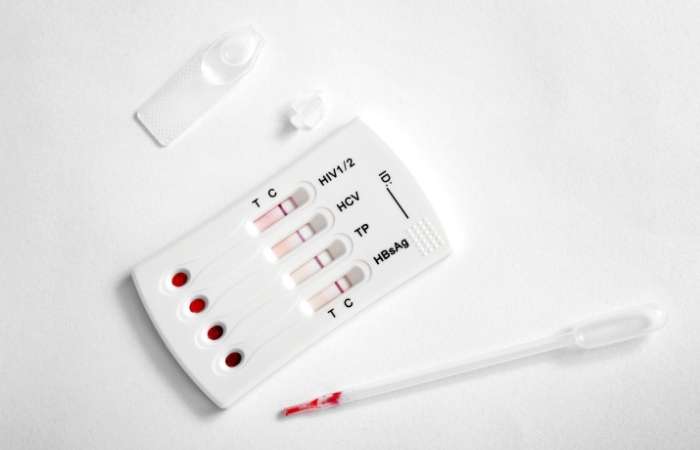
You don’t need a clinic. You don’t need permission. You just need a plan. This at-home combo test kit checks for the most common STDs discreetly and quickly. It’s not about fear, it’s about clarity.
How We Sourced This Article: We combined current guidance from leading medical organizations with peer-reviewed research and lived-experience reporting to make this guide practical, compassionate, and accurate. In total, around fifteen references informed the writing; below, we’ve highlighted some of the most relevant and reader-friendly sources.