What Happens If You Ignore Hepatitis?
Quick Answer: Ignoring hepatitis B or C increases the risk of liver scarring (cirrhosis), failure, and cancer, even if you have no symptoms. Follow-up tests confirmed chronic hepatitis C. “I had no idea,” he said.
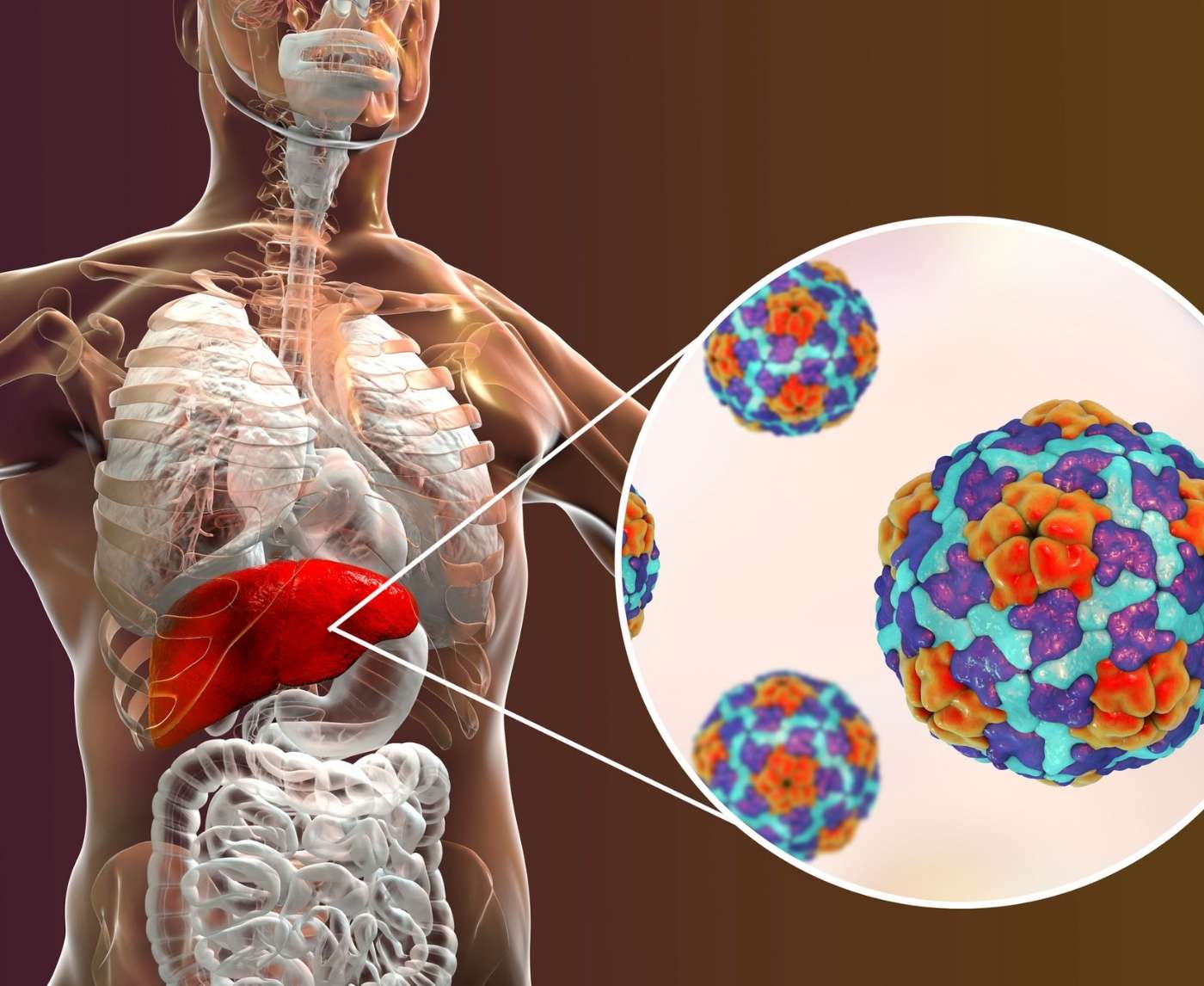
Quick Answer: Ignoring hepatitis B or C increases the risk of liver scarring (cirrhosis), failure, and cancer, even if you have no symptoms. Early testing and treatment can stop the damage and, in many cases, cure or suppress the virus.
The Hepatitis Time Bomb: Why It’s So Easy to Miss
Sam, 41, thought he was just run-down. He never felt sick, never noticed anything strange, until a blood test for a new insurance policy showed elevated liver enzymes. Follow-up tests confirmed chronic hepatitis C. “I had no idea,” he said. “Now I’m being told my liver’s already damaged.”
This is how hepatitis often works. Hepatitis B and C can infect someone and remain undetected for years. You might not get jaundice. You might not feel nauseous or weak. In fact, more than half of people with chronic hepatitis don’t show symptoms until advanced stages of liver disease begin to set in.
The reason? The liver is incredibly resilient. It can function with up to 80% damage before showing signs. But once symptoms appear, like fluid buildup, bleeding, or yellowing skin, the damage is often advanced and harder to reverse.
What Hepatitis Actually Does to Your Liver
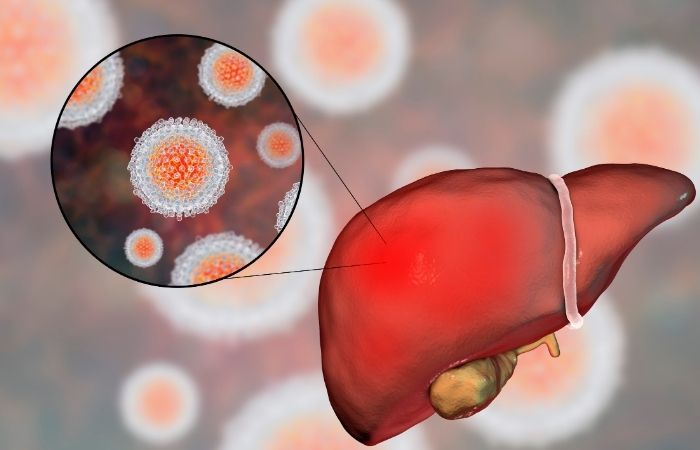
Let's take it apart. Hepatitis viruses attack liver cells, which causes an immune response that leads to inflammation. This inflammation can cause scar tissue, which is also called fibrosis, over time. If the process goes on without being stopped, fibrosis can turn into cirrhosis, which is a lot of scarring that makes it hard for the liver to do its job.
The liver is the part of your body that cleans itself, controls hormones, and speeds up your metabolism. If you hurt it, it will affect your energy, digestion, immunity, and more. If you don't pay attention to hepatitis, here's a simple breakdown of how it gets worse:
| Stage | What’s Happening | Can It Be Reversed? |
|---|---|---|
| Initial Infection | Virus enters liver and begins replicating; often no symptoms | Yes |
| Chronic Hepatitis | Ongoing inflammation starts damaging liver tissue | Often, yes, with treatment |
| Fibrosis | Scar tissue forms in response to inflammation | Partially, with intervention |
| Cirrhosis | Extensive scarring limits liver function | Rarely reversible |
| Liver Failure or Cancer | Organ can no longer function or cancer cells develop | Often irreversible; may require transplant |
Figure 1. Hepatitis progression stages, from silent infection to life-threatening disease. Many people don’t realize they’re infected until cirrhosis has already developed.
Why “Feeling Fine” Doesn’t Mean You’re Safe
Here’s one of the most dangerous myths: if you don’t have symptoms, you’re in the clear. But according to the World Health Organization, up to 90% of adults infected with hepatitis B clear the virus on their own, but the rest go on to develop chronic infections, often silently. And for hepatitis C, about 70–85% of infections become chronic unless treated.
This means you can be living your life, going to work, parenting your kids, and still have a virus slowly damaging your liver behind the scenes. The silence isn’t a sign of health, it’s just the liver keeping up, until it no longer can.
And when symptoms do appear, fatigue, brain fog, fluid retention, bleeding, jaundice, it’s often because liver damage has progressed significantly. At this stage, options may be more limited, and some damage may be permanent.
Who’s Most at Risk of Ignoring It?
It’s not just people with heavy alcohol use or a history of drug use. Today, hepatitis can affect almost anyone. You can get hepatitis B through unprotected sex, shared razors, or birth. You can contract hepatitis C through tattoo needles, dental work in unregulated settings, and even during childbirth or sex if blood is involved.
But the real risk group? Anyone who thinks, “That could never be me.” Hepatitis thrives in silence. If you’ve never been tested, or were tested more than a decade ago before newer tests became widespread, you might be carrying a virus that’s slowly harming your body.
Fatigue, poor appetite, and brain fog are easy to dismiss. But for someone living with chronic hepatitis, they may be early warning signs. And for others, there are no signs at all until liver function declines dramatically.
How Long Can You Live With Untreated Hepatitis?
This is one of the most-searched and most-feared questions online. The answer is both reassuring and urgent.
You can live with chronic hepatitis for years, sometimes decades, especially if you maintain a healthy lifestyle and avoid alcohol or liver-toxic medications. But “living with it” is not the same as being safe from it. The virus may still be quietly causing inflammation, triggering your immune system, and slowly creating scar tissue in the liver.
For hepatitis B, many people become lifelong carriers, especially if they were infected at birth or in early childhood. Some may never have liver problems, but others go on to develop cirrhosis or liver cancer in their 40s, 50s, or later.
For hepatitis C, the longer the virus remains untreated, the greater the risk. One large study found that people with untreated chronic hepatitis C had a significantly higher risk of dying from liver-related causes, even if they didn’t have major symptoms for years.
In both cases, treatment can stop this process, or even reverse it, if caught early enough.
Testing Is the Turning Point
We need to talk about the role of testing, not just in diagnosis, but in saving lives. A single test can reveal what’s been hidden for years. And unlike the past, today’s tests are fast, accurate, and can even be done from home with a fingerstick or saliva sample.
If you’re avoiding testing because you’re afraid of the answer, you’re not alone. Many people delay testing because they assume they’d feel something if they were sick. Others carry shame from past choices or fear they’ll be judged. But testing isn’t about blame, it’s about power. It gives you the information you need to take back control.
You can test for hepatitis B and C with a combination panel or individual kits. If positive, additional tests help determine how active the virus is and what your treatment options are.
Don't wait for symptoms to be the reason you test. If your head keeps spinning, peace of mind is one test away.
How Hepatitis Can Be Treated or Even Cured
Here’s the hopeful part: both hepatitis B and C have treatments that work. And for hepatitis C, the word “cure” is no longer just a dream, it’s standard.
Hepatitis C is now curable in 8–12 weeks for most people using direct-acting antivirals (DAAs), which are taken once daily. These medications have cure rates above 95% and are well tolerated. After treatment, the virus is gone, and so is the risk of liver damage progressing further.
Hepatitis B cannot be cured in most cases, but it can be controlled. Antiviral medications can suppress the virus, reduce liver inflammation, and dramatically lower the risk of cirrhosis and cancer. Many people with chronic hepatitis B live long, full lives with regular monitoring and medication.
Getting diagnosed opens the door to this care. Waiting until symptoms show up often closes it.
What If You Already Have Liver Damage?
Even if you’ve had hepatitis for years without knowing, all is not lost. The liver is one of the few organs that can regenerate, at least partially, if the damage hasn’t gone too far. Once you stop the virus (through treatment or suppression), you also stop the inflammation that causes the scarring.
Doctors use a tool called a FibroScan or liver biopsy to check how much damage has occurred. If it’s still in the early stages (fibrosis), you may be able to reverse much of it with treatment and lifestyle changes. Even people with cirrhosis can slow or halt the damage, especially if they stop alcohol, treat the virus, and follow medical care plans.
Case in point: Lourdes, 38, didn’t know she had hepatitis B until her pregnancy bloodwork showed it. At first, she panicked, thinking of liver cancer, early death, and what it meant for her baby. But with proper care, she’s now on treatment, her liver is stable, and her child was born healthy and vaccinated.
“I thought it was a life sentence,” she says. “But it’s just a diagnosis. And now I’m in control.”

Silent Doesn’t Mean Safe: What to Watch For
Symptoms of chronic hepatitis are notoriously vague. Many people confuse them with stress, age, or poor sleep. But even subtle signs could mean your liver is struggling:
| Possible Symptom | Why It Matters |
|---|---|
| Fatigue or low energy | One of the most common symptoms of chronic liver inflammation |
| Brain fog or forgetfulness | Liver plays a role in filtering toxins that affect mental clarity |
| Right-side abdominal discomfort | Could signal liver enlargement or inflammation |
| Dark urine or pale stool | Changes in bile processing may be early signs of liver stress |
| Yellowing of skin or eyes (jaundice) | Indicates advanced liver dysfunction, seek care immediately |
Figure 2. Early signs of liver stress that may be missed or misattributed. These aren’t always present but should never be ignored, especially with risk factors.
If you’ve had any of these, even just occasionally, it’s worth getting tested. And if you haven’t had symptoms but fall into a risk group, testing is still essential. Hepatitis doesn’t wait for you to notice it.
“But I Don’t Want to Know”, Shame, Stigma, and Silence
Hepatitis carries emotional weight, especially if it’s tied to sex, drug use, or past behaviors people feel ashamed of. But the virus doesn’t care how you got it. And neither should you. Testing and treatment are acts of strength, not shame.
Stigma keeps people from testing, disclosing, and getting care. It’s one reason millions of people in the U.S. alone are living with undiagnosed hepatitis. We have cures and treatments, but stigma is stopping the cure from reaching people who need it.
You are not dirty, dangerous, or doomed because of a diagnosis. And if you’ve been avoiding the test, you’re not alone. But testing is the moment where silence turns into action. And you deserve that clarity, whether the result is negative or something you need to address.
FAQs
- 1. Can hepatitis just go away if I ignore it?
- Short answer: maybe, if it’s hepatitis A, and even then, it’ll knock you out for weeks. But if we’re talking about hepatitis B or C? Ignoring it won’t make it disappear. Some people’s immune systems clear it, yes, but most don’t, and the virus just settles in like a bad tenant, slowly wrecking the place.
- 2. I feel fine. Could I still have hepatitis?
- Yes, and that’s the most dangerous part. Hepatitis B and C are pros at flying under the radar. You could have zero symptoms and still have liver inflammation or scarring happening in the background. We’ve seen folks go decades without a clue, until something serious pops up in a routine blood test.
- 3. What’s the actual risk of liver cancer if I don’t treat it?
- It’s not guaranteed, but it’s real. Chronic hepatitis B or C increases your liver cancer risk over time, especially if you have cirrhosis. Think of it like this: not treating the virus is like playing the long game with loaded dice. You might dodge it, but the odds aren’t on your side.
- 4. Is it possible to have hepatitis and not spread it to anyone?
- It depends. If your viral load is low, or undetectable due to treatment, your risk of passing it on drops significantly. But “not knowing you have it” doesn’t protect others. That’s why testing matters, for you and for anyone you love, sleep with, or live with.
- 5. How do people even get hepatitis?
- So many ways, and most of them aren’t what people assume. Yes, it can be from sex or shared needles. But it’s also been linked to unsterile tattoos, piercings, shared toothbrushes or razors, even dental work in some countries. You don’t have to be “reckless” to be exposed. Just human.
- 6. Can I get rid of it completely?
- If it’s hepatitis C, yes. The meds we have now can cure over 95% of people in a few months. If it’s hepatitis B, we can usually control it with daily medication and monitoring. You might not get a full cure, but you can absolutely stop the damage and live well.
- 7. I’m scared to test. What if it’s positive?
- Totally valid. But knowing doesn’t hurt you, what hurts is not knowing while damage builds up. If it’s negative, awesome. If it’s positive, you’re no longer in the dark. And you're not alone, testing is the first step to care, not a punishment. We’ve seen thousands of people take that breath and step forward. You can too.
- 8. Do I have to tell my partner?
- If you’re sexually active, yes, but that doesn’t mean it has to be awful. There are compassionate, matter-of-fact ways to say, “Hey, I tested positive, here’s what it means, here’s what I’m doing.” Some clinics even offer anonymous partner notification tools. Disclosure is about respect, not shame.
- 9. Is testing at home even accurate?
- Yes, as long as you follow the instructions. At-home tests for hepatitis B and C use the same tech many clinics do. Some are rapid, others are mail-in, but both can give you answers in days (or minutes). And the privacy? Priceless. You can order one here and skip the awkward waiting room altogether.
- 10. How often should I be testing?
- If you’ve got risk factors, like new partners, past drug use, tattoos, or you’re unsure about past exposure, once a year is smart. If you’ve never been tested and you’re reading this? Now’s a good time to start. Your liver will thank you later.
You Deserve Answers, Not Assumptions
If you've been putting off testing, you’re not alone. Many people do. But waiting doesn’t make hepatitis less real, it just delays your power to act on it. Whether you test negative and breathe easier, or positive and start care, you're doing something that your future self will thank you for.
Don’t wait and wonder, get the clarity you deserve. This at-home combo test kit checks for the most common STDs, including hepatitis B and C, discreetly and quickly.
How We Sourced This Article: We combined current guidance from leading medical organizations with peer-reviewed research and lived-experience reporting to make this guide practical, compassionate, and accurate. In total, around fifteen references informed the writing; below, we’ve highlighted some of the most relevant and reader-friendly sources.