What If Semen Gets in Your Eye? STD Risks You Didn’t Know About
Quick Answer: Yes, semen in the eye can transmit STDs like chlamydia, gonorrhea, and herpes, but it’s rare. Rinse immediately, watch for symptoms, and consider testing if risk is high. This isn’t just a one-off.
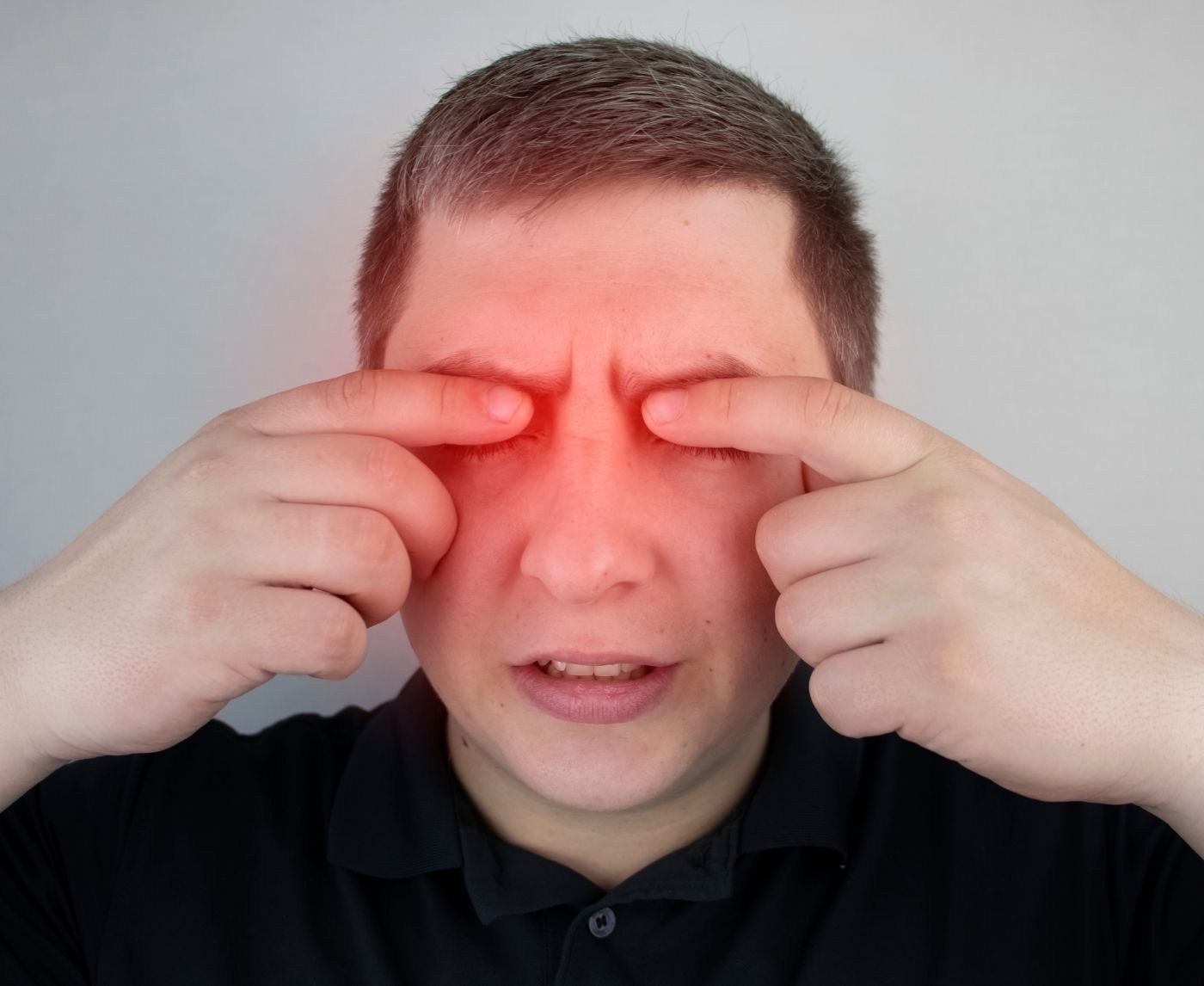
Quick Answer: Yes, semen in the eye can transmit STDs like chlamydia, gonorrhea, and herpes, but it’s rare. Rinse immediately, watch for symptoms, and consider testing if risk is high.
“It Was Red, Swollen, and I Had No Idea Why”
Javi, 27, didn’t think twice when his partner came on his face during a late-night session. It wasn’t their first time, and they were both STI-tested six months ago. But this time, some of it got in his left eye. He rinsed it quickly but woke up the next morning with intense stinging, redness, and blurred vision. “It was like a bad allergic reaction but worse,” he recalls. “I could barely keep my eye open, and I started Googling stuff like ‘can cum make you blind’ at 3AM.”
By the time Javi reached an urgent care clinic 24 hours later, he had developed conjunctivitis. What shocked him wasn’t the infection, it was the diagnosis. He tested positive for gonorrhea, but not in his genitals, in his eye.
This isn’t just a one-off. Though rare, cases of gonococcal and chlamydial conjunctivitis have been documented in healthy adults following direct semen-to-eye exposure. These aren’t urban legends or sex-ed scare tactics. They’re medically verified risks that go undiscussed in most sexual health conversations.
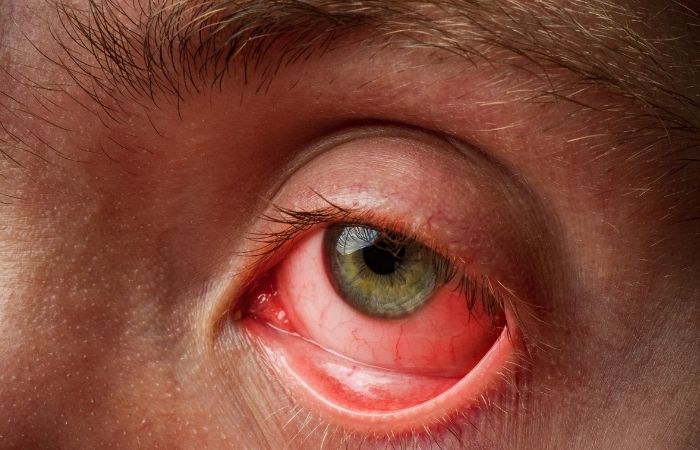
When the Eye Feels It First: Early Symptoms That Matter
Most people don’t expect their STD symptoms to start with one eye tearing up. But your eyes are mucous membranes, just like the throat, vagina, and rectum, which makes them vulnerable to certain infections. And semen, while usually harmless on skin, becomes a risk factor when it hits these moisture-rich entry points.
Within hours of exposure, you might feel an irritating burn, like chlorine or soap. That’s often your eye reacting to the semen’s pH or proteins. But when that burn evolves into persistent redness, yellow discharge, swelling, or pain when blinking, it may not be simple irritation anymore. That’s when you should consider that an STI might be involved.
Symptoms to watch for include:
• A gritty or scratchy feeling in the eye that doesn’t go away
• Yellow or greenish discharge crusting the eyelids shut
• Light sensitivity or blurred vision
• Swelling of the eyelid or surrounding tissue
• Pain that increases over 24–48 hours rather than subsides
These are textbook signs of bacterial conjunctivitis, and if semen was involved, doctors will likely want to rule out gonorrhea, chlamydia, and herpes first. In very rare cases, untreated gonorrhea in the eye can lead to corneal ulceration or even vision damage.
But here’s the part most blogs won’t tell you: These symptoms are usually mild when caught early and are very treatable with antibiotics or antivirals. The key is getting tested, especially if you or your partner haven’t tested recently, or if you’re in a non-monogamous dynamic.
Myth: “You Can’t Get an STD Without Penetration”
This is the myth that causes people to delay care, or not test at all. The idea that STIs are only transmitted through vaginal or anal sex is not only outdated, it’s dangerous. STDs don’t care whether there was penetration, orgasm, or even traditional sex. They follow fluids and contact.
Herpes spreads through skin-to-skin interaction. Chlamydia and gonorrhea spread through semen, vaginal fluid, and sometimes even pre-cum. If that fluid lands on an exposed mucous membrane, like your eye, it can enter your system and infect that area directly.
According to a CDC clinical overview, gonorrhea in the eye is classified as "ophthalmia neonatorum" in newborns but can occur in adults following direct semen exposure. It’s rare, yes. But rare doesn’t mean impossible, especially when most cases go unreported or misdiagnosed as basic pink eye.
So, let’s bust it once and for all: You can get an STD without having sex. That includes oral sex, mutual masturbation, and yes, facials. And this isn’t a scare tactic. This is about informed intimacy. Because nothing kills the mood faster than a medical mystery that could’ve been prevented, or treated, if someone just knew the truth.
When “Just Wash It Out” Isn’t Enough: What Science Says
Most people instinctively flush their eyes with water if semen gets in them, and that’s a good first step. But depending on the risk factors involved (unknown STI status, recent unprotected sex, visible symptoms in a partner), rinsing may not be enough. The question becomes: What’s the actual likelihood of infection?
Let’s get clinical. A 2015 study published in 'Sexually Transmitted Diseases' documented the transmission of chlamydia and gonorrhea via direct eye exposure to infected semen. Researchers noted that while ocular transmission is uncommon, it happens more than people realize, largely because it’s underdiagnosed or misclassified as non-sexual conjunctivitis.
A documented case in the British Journal of Ophthalmology reported a patient who experienced severe eye inflammation two days post-semen exposure. Cultures showed a gonococcal infection, and the only way to get it was through facial ejaculation. It wasn't just uncomfortable; it needed emergency antibiotics to keep the cornea from getting hurt.
Another article in the JAMA Ophthalmology journal talked about how these infections can threaten vision if not treated, especially when people put off getting help because they are embarrassed or afraid of being judged.
These stories aren't meant to scare you. They are reminders that your eyes are also important in conversations about sexual health. Don't ignore a burning feeling on your face just because it's not on your genitals.
What about HIV? Let's be honest about that fear.
Let's get rid of the worry. Can HIV be passed on through semen in the eye? Yes, but the risk is very low. To spread HIV, you need to get into the bloodstream or have a high-risk mucosal exposure, and the eye's environment doesn't make that easy. The British HIV Association and NHS UK say that the risk of getting HIV from semen splashing into the eye is less than 1 in 10,000 times.
There have been no confirmed cases of someone getting HIV just because semen got into their eye. Some doctors may still suggest PEP (post-exposure prophylaxis) as a precaution if the partner is known to be HIV-positive and the viral load is unknown, or if the exposure involved visible blood. But that's a choice for a doctor, not Google at 3 a.m.
For most people, panic around HIV is more rooted in cultural fear than medical likelihood. Let’s honor that fear, but also update it. The real risks in these scenarios are typically bacterial infections, not retroviruses. Treatable. Testable. Survivable. Often, preventable.
From Reddit to ER Rooms: Why No One Talks About This
One reason these conversations stay buried is shame. Facials and cumshots are seen as taboo, especially when they go “wrong.” But shame doesn’t change biology. The truth is, semen in the eye is common enough that entire threads on Reddit’s r/sex, r/TooAfraidToAsk, and r/STIs are filled with posts like:
“Cum got in my eye and now it’s pink, should I be worried?”
“My hookup came on my face, and I woke up with gooey eyelids, do I need to go to a doctor?”
“Partner had chlamydia. I got some in my eye. How screwed am I?”
These are real, vulnerable questions from people who care about their bodies, but who have been left out of the sex-ed conversation. Our sexual health systems rarely account for queer intimacy, kink exploration, or non-penetrative acts. As a result, many people don’t even know they’re at risk until it’s already happening.
Clinics, too, often focus STI testing on genital swabs or urine samples. But if you’ve had semen in your eye and develop symptoms, a clinician can take an ocular swab to test for bacteria or viruses. The problem? Most people don’t know to ask, and most doctors won’t suggest it unless prompted.
This is why we need better testing access, more stigma-free spaces, and more sex-positive education. Your face deserves the same medical attention and care as any other part of your body.

“We Like Facials. Are We Just Screwed?”
This came from a direct message to a community educator on Instagram, and it’s the question behind many late-night searches. The truth? No, you’re not screwed. Wanting to give or receive facials doesn't make you reckless. It makes you human, curious, and sexually expressive. The goal isn’t to shame the act, it’s to build in awareness so you can explore without fear.
If you or your partner have multiple partners, aren’t fluid bonded, or haven’t tested recently, one way to reduce risk is to avoid ejaculating directly into eyes, mouths, or open cuts. Even just aiming away from mucous membranes lowers exposure dramatically. And if you’re both tested and clear? Have fun, clean up gently, and skip the guilt.
But let’s also acknowledge that accidents happen, even in loving, communicative relationships. Lube runs, aim shifts, bodies move. If semen lands somewhere unexpected, your job isn’t to panic, it’s to assess, rinse, and check in with yourself and your partner.
Think of it like a sexual safety net. If you do this kind of play often, you should have regular testing baked into your routine, not because something went “wrong,” but because that’s what care looks like. It’s a tool of trust, not a punishment.
Testing After Eye Exposure: Here’s How It Works
If you’re experiencing symptoms after semen exposure to the eye, or even just want peace of mind, you have a few options. Start by talking to a healthcare provider who won’t flinch when you say what happened. You deserve competent, shame-free care.
Most urgent care centers and STI clinics will examine the eye, ask about recent encounters, and possibly collect a conjunctival swab, that’s a quick sample of the fluid from your inner eyelid. It’s painless, takes seconds, and can test for bacterial STIs like gonorrhea and chlamydia. If the discharge looks viral, they may test for herpes simplex virus (HSV).
If you’re not comfortable going in person or don’t have access to a supportive clinic, consider a private test you can order online. While most home test kits don’t check eye swabs, they screen for the same STIs in the body. That gives you a broad overview of your exposure, especially helpful if you’re not sure whether it was limited to your eye.
In high-anxiety scenarios, it’s also okay to test now and again two weeks later. STIs have incubation periods, and no test can catch everything immediately. But peace of mind matters, and sometimes testing is the fastest way to get it.
If you're dealing with persistent redness, pain, or discharge, don't try to diagnose it on your own. It could be allergic, bacterial, or viral, and treatment depends on getting it right the first time. Antibiotic eye drops, oral antivirals, and steroid meds are all commonly prescribed, but only when a doctor knows what they’re treating.
“Will They Judge Me?”: The Stigma That Delays Treatment
Here’s what we’ve learned from patient stories and sex ed outreach: stigma doesn’t just make people feel bad, it makes them wait too long to get help. People hold back details from their doctors out of fear they’ll be ridiculed, labeled promiscuous, or told they were “asking for it.” This leads to misdiagnosis, incomplete care, and prolonged symptoms.
But clinicians can’t treat what they don’t know. If you tell your provider that semen entered your eye and now it’s red, you’re giving them the info they need to rule out or test for ocular STIs. You’re not confessing a sin, you’re describing a symptom. And if your doctor doesn’t know how to respond with care and clarity? That’s their problem, not yours.
Reproductive health includes the whole body. We’ve just been trained to think it only counts when it’s about penises and vaginas. So let’s expand the conversation. Let’s make it normal to talk about all the places intimacy touches, including your eyes.
Because when you stop treating sexual exposure like a scandal, you start treating it like health care. And that’s where prevention gets powerful.
“But I Feel Fine…”, When Symptoms Don’t Show Up
It’s totally possible to have an STD in the eye and not feel anything for the first few days, or at all. Some people carry chlamydia or herpes without symptoms for weeks, especially in non-genital areas. Others might experience such subtle signs (slight redness, mild itchiness) that they chalk it up to allergies or eye strain.
This is why prevention isn’t about waiting for your body to scream. It’s about listening when it whispers. If you had a high-risk exposure and even mild irritation shows up, that’s a signal. If you feel perfectly fine but haven’t tested in months? That’s still a reason to check in.
Testing is not an accusation, it’s a conversation. With your body, with your partner, with reality. And the earlier you have it, the easier the outcome.
FAQs
- 1. Wait, can you actually go blind from getting cum in your eye?
- Almost never. Your eye might sting, swell, or turn an alarming shade of red, but blindness? That’s more horror-movie myth than medical fact. The only time vision loss becomes a real concern is if something like untreated gonorrhea festers for days without care. And even then, treatment works. So no, this isn’t how your sex life ends in darkness.
- 2. It burned for like 10 minutes, is that normal?
- Yup. Semen’s pH is mildly irritating to the eye, like saltwater with attitude. A brief sting, some watery tearing, and a little redness is par for the course. Rinse with lukewarm water (not soap!) and let your eye chill out. If you’re still squinting after a few hours, or if goo starts crusting your lashes, get it checked out.
- 3. I feel fine now. Should I still test for anything?
- Depends. If you know your partner’s STI status and they’re clear, you’re probably in the clear too. But if there’s any doubt, or if you’re part of a non-monogamous setup, testing is just being smart. No symptoms doesn’t always mean no infection, especially with sneaky bacteria like chlamydia that can hang out silently for weeks.
- 4. Can you really get chlamydia in your eye? That’s not just an urban legend?
- Not only is it real, it’s medically documented. Ocular chlamydia shows up just like pink eye but needs antibiotic eye drops, not sympathy and a warm compress. So yes, your hookup can give you more than just good memories (or mediocre ones). Test, treat, and move on.
- 5. What about herpes? Could it be... that?
- If your eye’s got blisters, burning, or weird clouding, herpes is one possible culprit. Ocular herpes is legit and often shows up after exposure to infected fluids or fingers. The good news? Antivirals can keep it in check. But don’t try to diagnose yourself, your eye isn’t the place to play doctor.
- 6. How long should I wait to test after something like this?
- For most STDs, 1–2 weeks gives enough time for reliable results. Some people test immediately for peace of mind, then again later to be thorough. It’s not overkill, it’s just science catching up to your body. And in the meantime, stay alert for symptoms, but don’t spiral.
- 7. Is there really a risk of HIV this way?
- Real talk? It’s extremely, extremely low. Like, lottery-level low. HIV needs a more direct bloodstream highway than your eyeball usually provides. There are zero confirmed cases of HIV from semen-in-eye alone. That said, if your partner’s status is unknown or high-risk, talk to a provider about PEP, just in case.
- 8. Will a doctor take me seriously if I say this happened?
- A good one will. If yours snickers, side-eyes, or dismisses your concern, that’s their failing, not yours. Medical professionals have seen weirder. You’re not being dramatic; you’re being responsible. Say what happened, ask for what you need, and remember: you deserve care without judgment.
- 9. Can I still enjoy cum play if I’m worried about all this?
- Absolutely. Being risk-aware doesn’t mean shutting down your sex life. It means knowing when to test, how to play safer (like aiming away from the eyes), and how to care for yourself if something feels off. You can be kinky and cautious. They’re not mutually exclusive.
- 10. Okay, but seriously, should I be freaking out?
- No. Be aware, not afraid. Freaking out helps no one. What does help? Rinsing, monitoring symptoms, and getting tested if needed. You’re not gross, broken, or reckless, you’re just a human with an eyeball that got a surprise facial. And now you’re informed. That’s what power looks like.
Not the End of the World, But Still Worth Your Attention
Semen in the eye isn’t usually an emergency, but it’s also not a joke. Whether it leaves you slightly irritated or leads to an unexpected diagnosis, it deserves the same level of care you’d give to any other form of exposure. Our bodies are complex, intimate, and deeply interconnected. That includes the places we don’t talk about in sex ed.
If you’ve been exposed and feel unsure, don’t guess. Don’t spiral. Don’t wait weeks wondering. You deserve clarity, without shame, panic, or assumptions.
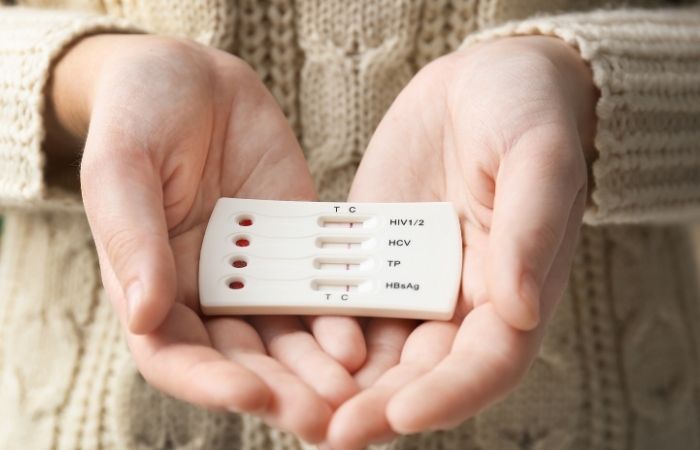
This discreet at-home test kit screens for the most common STDs and lets you test on your own terms. It’s fast, accurate, and built for people who want answers without judgment.
- Healthline – Can semen in your eye cause an STI? (chlamydia, gonorrhea, syphilis, HIV risk "negligible")
- Medical News Today – Sperm in the eye: chlamydial conjunctivitis, gonorrhea, eye infection risks & treatment
- Ending HIV – Yes, you can get chlamydia or gonorrhea in your eye from semen, though very rare
- Opto.ca – Eyes and STIs: How chlamydia, gonorrhea, syphilis, herpes, hepatitis B, HIV may affect the eyes
- PubMed – Case reports: chlamydial conjunctivitis from direct semen ejaculation into the eye
- Wikipedia – Facial (sexual act): chlamydial conjunctivitis can result from semen in the eye; mucous membrane exposure risks