Bleeding Between Periods Explained: When It’s an STD and When to Test
Bleeding between periods sits in that uncomfortable gray area where your body is clearly trying to tell you something, but it’s not obvious what.
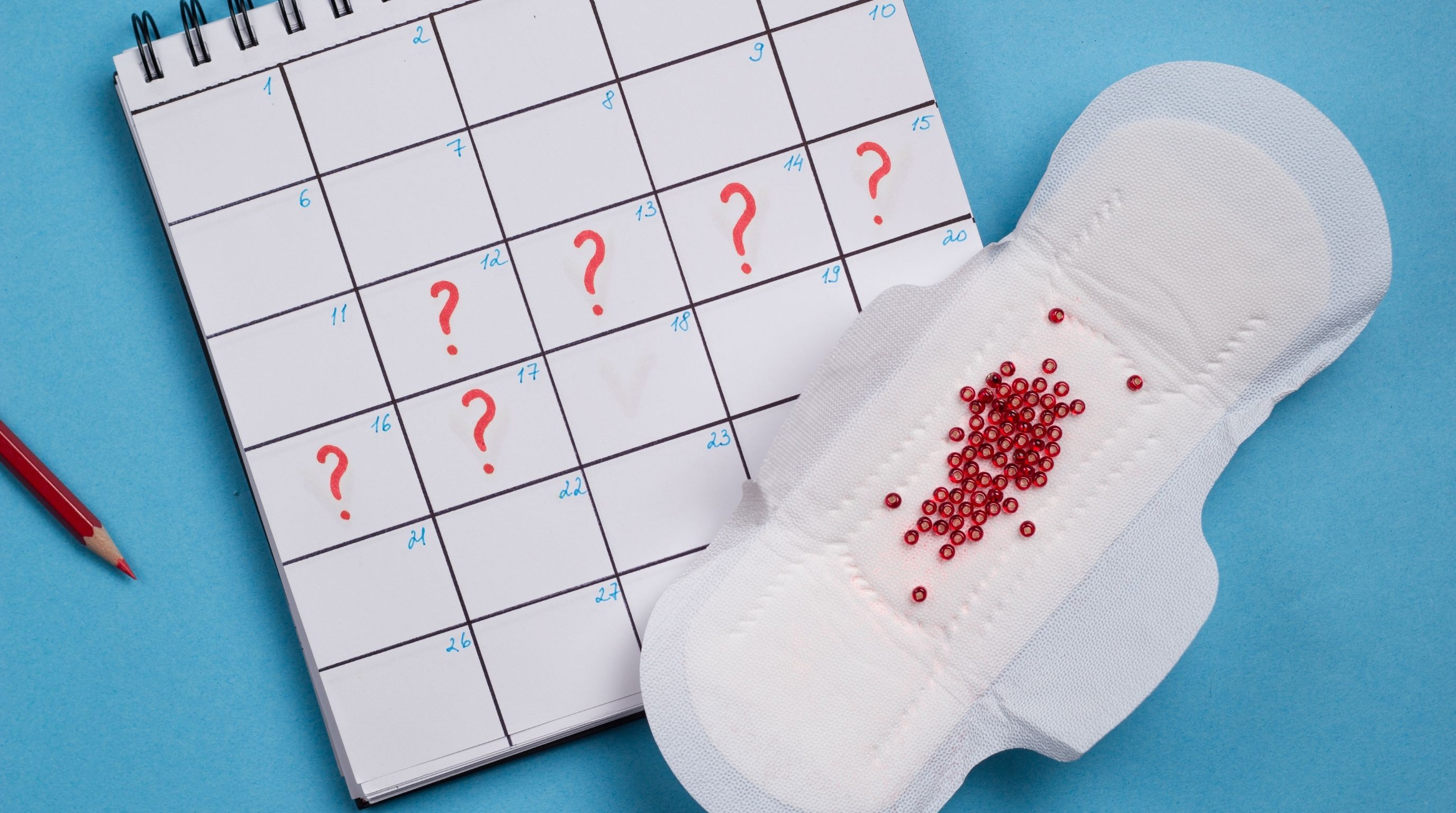
Bleeding between periods sits in that uncomfortable gray area where your body is clearly trying to tell you something, but it’s not obvious what. It might show up as light spotting after sex, a random streak mid-cycle, or bleeding that doesn’t match your usual pattern at all. The key is that this isn’t “random”, it’s the result of a biological trigger, whether hormonal, physical, or infectious.
What makes this symptom especially stressful is how often it overlaps with STD-related changes. The same infections that can stay silent for weeks can also subtly change how cervical tissue behaves, including how easily it bleeds. That’s why this question comes up so often: is this just a cycle fluctuation, or something that needs testing?
Yes, bleeding between periods can be caused by an STD, because infections like chlamydia and gonorrhea inflame the cervix, making its blood vessels more fragile and more likely to bleed outside your normal cycle.
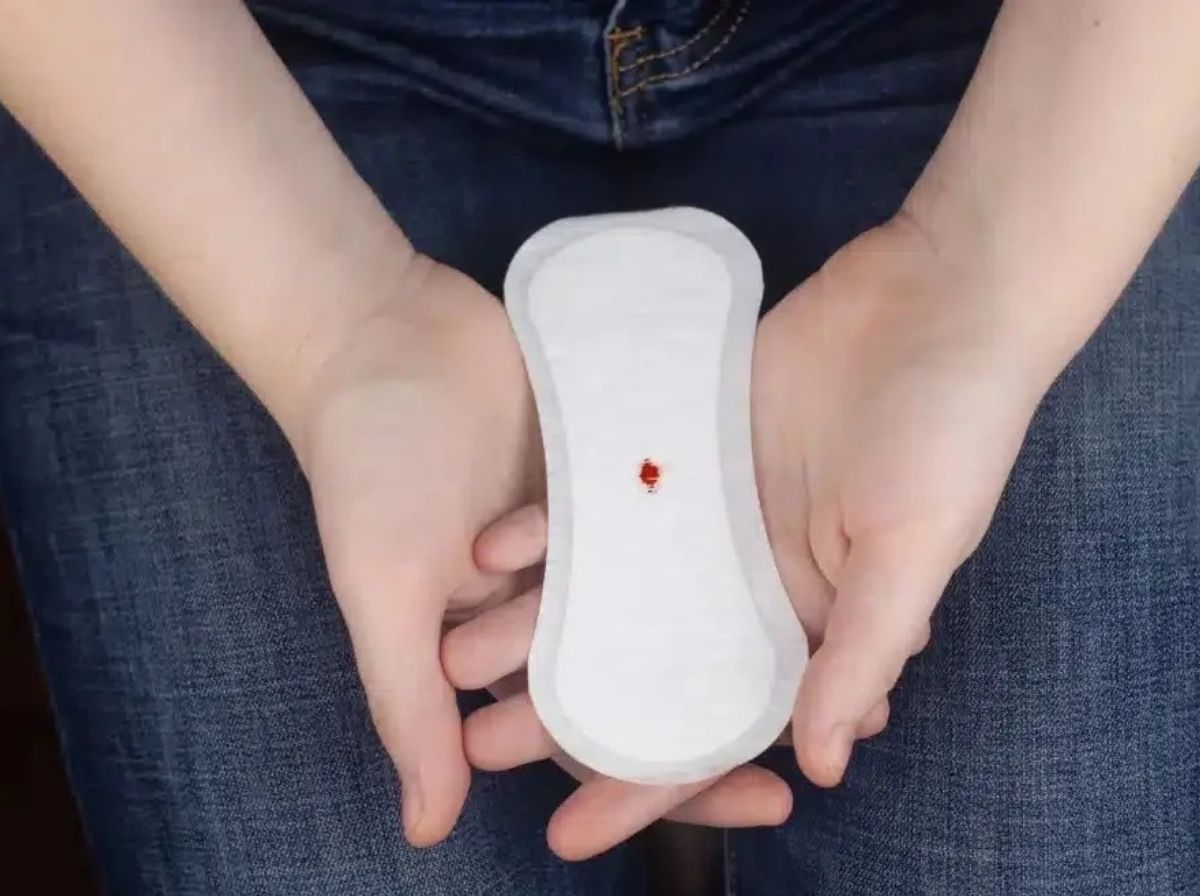
Is bleeding between periods a sign of an STD?
Bleeding between periods is considered a potential STD symptom if the source is the cervix, which is the lower part of the uterus and is located at the top of the vagina. This is because this part is composed of very sensitive tissues with a high density of small blood vessels. If this part is inflamed, even minimal contact can cause bleeding.
STDs like chlamydia and gonorrhea specifically infect this part. Once these bacteria have attached themselves to the tissues of the cervix, an immune reaction is mounted. This reaction causes an increase in blood flow and compromises the structural integrity of the tissues. This is why bleeding occurs outside the regular menstrual cycle. According to the CDC, cervical inflammation is one of the primary ways this STD manifests itself in those infected with this disease.
The problem is, this is not always accompanied by pain. This is because the cervix does not have as many nerve endings as other body parts. This is why, in some instances, the only sign is the spotting, without any burning or other symptoms.
However, not all spotting is indicative of an STD. Hormonal shifts during ovulation can cause spotting because of the drop in estrogen. Birth control can affect the uterine lining. Physical friction during intercourse can cause spotting. This is not about what it feels like; it is about what is happening at the cellular level.
The difference between the two is what is causing the spotting. If the cause is the inflammation of the cervix due to an infection, the spotting will be repeated, occur after intercourse, or be accompanied by subtle changes in cervical discharge. If the cause is hormonal, the spotting will occur at a specific time in the woman’s cycle. Of course, without testing, there is no way of really knowing what is going on, but this is precisely why so much is made of this symptom.
Why STDs can cause bleeding between periods
Sexually transmitted infections cause bleeding between periods by directly disrupting the surface of the cervix. When bacteria like chlamydia or gonorrhea infect cervical cells, they trigger inflammation, a process where the immune system increases blood flow and sends defensive cells into the tissue. This response makes the cervix more fragile, meaning small blood vessels can break more easily than usual.
This is why spotting often shows up after sex. During penetration, the cervix is naturally contacted and slightly moved. If the tissue is inflamed, that contact can cause micro-tears or pressure on already weakened blood vessels, leading to light bleeding. It’s not the sex itself causing damage, it’s the condition of the tissue at that moment that determines whether bleeding happens.
Chlamydia and gonorrhea are the two infections most strongly linked to this kind of bleeding pattern. Both target the mucosal lining of the reproductive tract and can spread upward if untreated. According to the CDC overview of gonorrhea, cervical infection can lead to increased discharge and bleeding between periods due to inflammation and tissue irritation.
One of the most confusing parts is how subtle this can be. The infection can be active at a cellular level, triggering immune activity, changing mucus production, weakening tissue, without creating strong symptoms. That’s because the cervix does not produce sharp pain signals in the same way external skin does. So instead of obvious discomfort, the signal you see is bleeding that doesn’t match your cycle.
There’s also a timing component that people often miss. After exposure, these infections don’t immediately cause visible changes. The bacteria first attach to cells, begin replicating, and gradually trigger inflammation. As that inflammation builds, the likelihood of spotting increases. This is why bleeding between periods can appear days to weeks after exposure, not immediately, and why it can feel disconnected from the actual encounter.
Another layer to this is discharge. Infections that cause spotting often also change cervical mucus, making it thicker, cloudier, or more noticeable. When both are present, bleeding outside your period and a shift in discharge, it points more strongly toward an inflammatory cause rather than a purely hormonal one. But again, this is about biological patterns, not guesswork.
| Infection | What it does to cervical tissue |
|---|---|
| Chlamydia | Infects cervical cells and triggers immune inflammation, increasing blood flow and weakening surface stability, making bleeding more likely |
| Gonorrhea | Causes aggressive inflammation and mucus changes, leading to fragile tissue that bleeds more easily during contact |
| Other infections | Can disrupt normal tissue balance, but are less commonly linked to consistent spotting patterns |
What this table shows is that the bleeding isn’t random, it’s a direct result of how these infections change the structure and behavior of cervical tissue. Once inflammation is active, the threshold for bleeding drops significantly, which is why spotting can appear with minimal or no obvious trigger.
Common non-STD causes of spotting between periods
Not all vaginal bleeding between periods is necessarily the result of infection. Some of it is actually the result of hormonal changes in the body. The uterine lining tends to react in certain ways to the presence or absence of hormones like estrogen and progesterone. As the body is about to ovulate, the estrogen levels dip slightly after peaking. This can affect the uterine lining enough to cause spotting.
Another factor that might be involved in vaginal bleeding between periods is the use of birth control. When you first begin using birth control or change the type of birth control you’re using, your body is adapting to the new hormonal levels. This can affect the uterine lining enough to cause spotting between periods.
Another factor that might be involved in vaginal bleeding between periods is the irritation that can be caused by sex. If the sex is vigorous enough to cause friction in the vaginal canal or around the cervix because of lack of lubrication, it can actually cause irritation in the vaginal canal or around the cervix. The spotting that is the result of irritation will be linked to the event that caused it.
The key here is the pattern or the mechanism involved in the spotting. The spotting that is the result of hormonal changes tends to be linked to the menstrual or birth control cycles. The spotting that is the result of irritation tends to be linked to the event that caused it. The spotting that is the result of infection tends to be linked to the presence of infection in the body. The infection will continue to be present unless it is treated. It will continue to cause spotting between periods.
This is important because the body doesn’t actually tell you the reason why it is happening. The reason why it is happening is not necessarily visible. The spotting looks the same regardless of the reason why it is happening. The key is the mechanism or the pattern involved in the spotting. The spotting that is the result of infection is actually the result of the presence of infection in the body. The infection will continue to be present unless it is treated. It will continue to cause spotting between periods.
Spotting after sex: when infection becomes more likely
Bleeding after sex, also called postcoital spotting, is one of the clearest patterns that points toward cervical inflammation rather than a hormonal shift. When the cervix is healthy, contact during sex does not cause bleeding. But when it’s inflamed, even normal contact can disrupt fragile surface blood vessels and trigger visible spotting.
This is exactly what happens with infections like chlamydia and gonorrhea. As the bacteria infect cervical cells, they change how the tissue behaves: it becomes more vascular, more sensitive to contact, and structurally weaker at a microscopic level. So instead of needing significant irritation to bleed, the tissue responds to minimal pressure.
The key detail here is repetition. If spotting consistently shows up after sex, not just once, but across multiple encounters, that pattern aligns with ongoing inflammation rather than a one-time mechanical irritation. A single episode could still be friction-related, but repeated postcoital bleeding points toward something actively affecting the cervix.
There’s also a biological reason this type of bleeding doesn’t always come with other symptoms. The cervix produces mucus and contains immune-active cells, but it doesn’t generate strong pain signals when inflamed. So instead of discomfort, the signal you see is blood, often light, sometimes mixed with discharge, and disconnected from your cycle.
This is where a lot of people get stuck. The absence of pain makes it easy to dismiss, but the pattern itself, bleeding triggered by contact, is the important clue. It’s not about how intense the symptom feels. It’s about what consistently causes it.
When and how to test for STDs after spotting
Testing after bleeding between periods should be timed based on how infections develop in the body, not on when the spotting appears. The bleeding is a downstream effect of inflammation, but the infection itself follows a detection window, the period where the pathogen becomes measurable by a test.
For bacterial infections like chlamydia and gonorrhea, the most accurate method is a NAAT (nucleic acid amplification test). This test detects the genetic material of the bacteria and becomes reliable once enough of the organism has replicated in the body. For chlamydia, that threshold is reached at a point where you can test from 14 days after exposure, while gonorrhea requires slightly more time, so you should test from 3 weeks after exposure for accurate detection.
Blood-based infections follow a different timeline because the body must first produce detectable markers in the bloodstream. Syphilis becomes detectable when antibodies develop, which is why you should test from 6 weeks after exposure. HIV testing works in two stages: you can test at 6 weeks for the first indicator, retest at 12 weeks for certainty, because early markers appear first, followed by full antibody confirmation.
The same antibody-based timing applies to other viral infections. Herpes (HSV-1 and HSV-2) requires enough immune response to show up in blood testing, so you should test from 6 weeks after exposure. Hepatitis B follows a similar pattern, with reliable detection when you test from 6 weeks after exposure. Hepatitis C takes slightly longer due to how viral markers build in the bloodstream, so you should test from 8–11 weeks after exposure for accurate results.
| Infection | Test type and timing |
|---|---|
| Chlamydia | NAAT, test from 14 days after exposure |
| Gonorrhea | NAAT, test from 3 weeks after exposure |
| Syphilis | Blood test, test from 6 weeks after exposure |
| HIV | Blood test, test at 6 weeks for first indicator, retest at 12 weeks for certainty |
| Herpes (HSV-1 and HSV-2) | Blood test, test from 6 weeks after exposure |
| Hepatitis B | Blood test, test from 6 weeks after exposure |
| Hepatitis C | Blood test, test from 8–11 weeks after exposure |
If you test before these windows, the result can come back negative even if the infection is already present; this is called a false negative. It happens because the test cannot detect what hasn’t reached measurable levels yet. That’s why timing is not a suggestion; it directly determines whether your result reflects reality.
If a result comes back positive, it confirms that the infection is present in your body. The next step is clinical follow-up for confirmation and management, but the key point is that you now have a clear answer, no more guessing based on symptoms like spotting alone.
If you’ve had sexual contact with a new or untested partner, or any exposure where infection status is unknown, the most efficient way to get clarity is to test at the correct window. A comprehensive option like the 7-in-1 at-home STD test kit allows you to check multiple infections at once using both NAAT and blood-based methods, covering the most common causes of infection-related spotting.
In some instances, a second test has to be done even when the first test was negative. This is not because the first test was faulty, but because the biology of the infection has yet to fully develop. For instance, when testing for HIV and the time to the 12th week has yet to arrive, a second test has to be done to confirm the final results after the full development of the antibodies. This same rule applies to all infections.
What a negative or positive result actually means
A negative STD test result means the STD was not detected in your system. However, the result will only be accurate if the test was conducted within the correct window. If the test was conducted too early, the STD might still be in your system but in quantities too small to be detected by the tests. This will lead to a false negative.
For instance, if the HIV test was conducted before the 12th week, the negative result will not accurately reflect your status because the antibodies might not have been developed yet. This same rule applies to syphilis, herpes, and hepatitis. These tests must be conducted within the correct window to reflect your actual status. This is why the second test, conducted within the correct window, is not optional. This is where biological certainty comes in.
On the other hand, a positive result means the STD has been detected in your system. This means the uncertainty has been eliminated. Instead of wondering whether or not you have the STD, the positive result gives a clear answer. This is where a lot of the anxiety associated with the situation dissolves. For instance, spotting might be a symptom of several things. However, the positive result will give a clear answer the moment it comes in. Whether the result is positive or negative, it gives a clear direction to follow. Instead of wondering what your body might be telling you, the result gives a clear answer.
| Result | What it means biologically |
|---|---|
| Negative (within correct window) | No detectable infection, result is reliable and reflects your current status |
| Negative (too early) | Possible false negative, infection may be present but not yet detectable |
| Positive | Infection confirmed, next step is clinical follow-up and management |
When spotting is your sign to stop guessing and test
This spotting then becomes a reason for testing when it coincides with a potential source for disease and a biological reason for disease. If you have had sex with a new partner or someone whose STD status is unknown, and spotting between periods occurs afterward, then you have a reason for suspecting a potential disease in the cervix.
The timing of spotting is more important than spotting itself. Spotting occurs after potential disease. The correct course of action is not to go out and get tested right away. Instead, you have to wait until the disease reaches a high enough level based on the timelines provided earlier. If you go too soon, you will only be misled again.
Another factor that changes everything is repetition. If spotting occurs more than once after sex, then you know that there is something ongoing here. This is when you are no longer just wondering if you have a disease and are forced into a position where you have to go out and get tested.
The main concept here is to understand that symptoms are irrelevant but can guide you toward the right course of action. That course of action in this case is to go out and get tested at the right time so you can work off hard facts instead of assumptions.
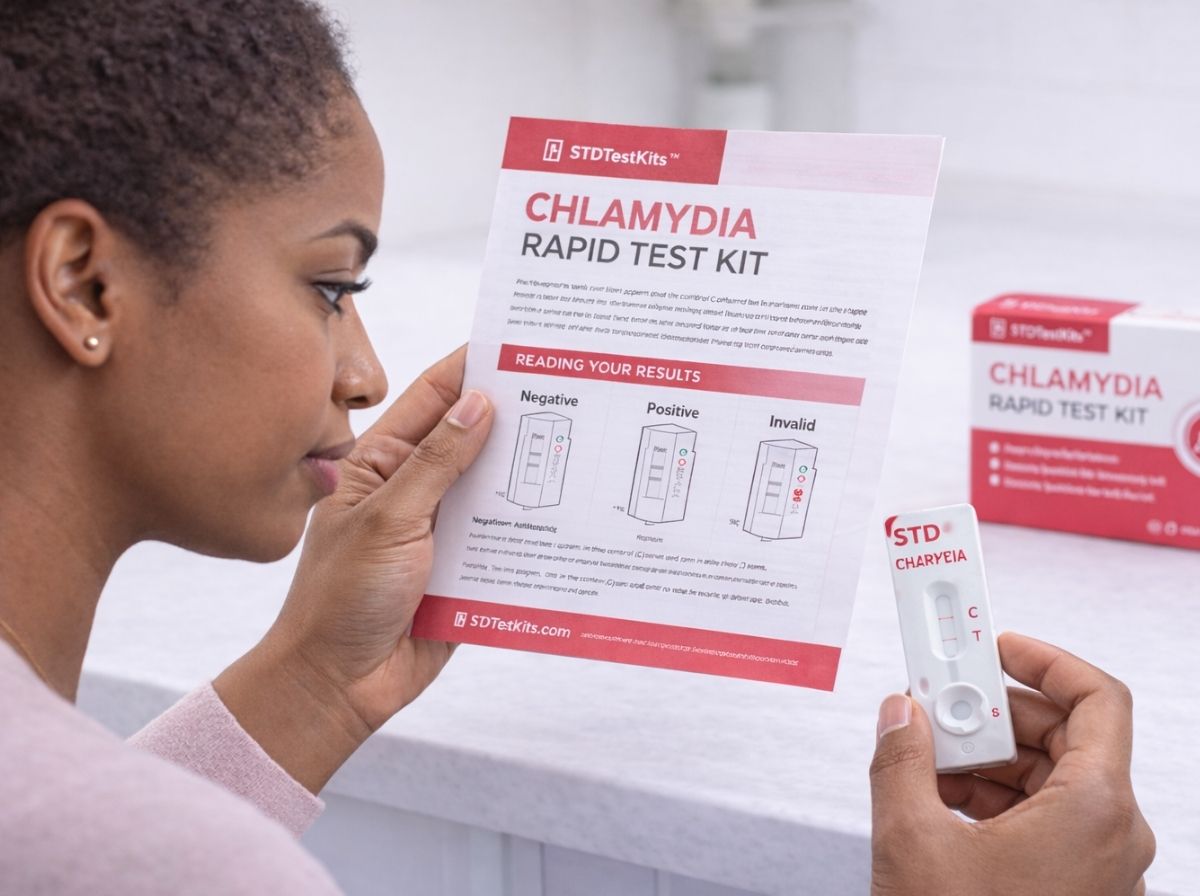
Understanding your body without jumping to worst-case scenarios
Bleeding between periods can feel alarming because it’s outside your normal pattern, but it doesn’t automatically mean something serious is happening. Hormonal shifts, minor irritation, and other non-infectious causes are common. At the same time, infections like chlamydia and gonorrhea are also common, and they don’t announce themselves clearly.
The internet tends to swing between two extremes: either dismissing symptoms or jumping straight to worst-case scenarios. The reality sits in the middle. Spotting is a signal, not a diagnosis. What matters is understanding the mechanism behind it and using that information to decide what to do next.
If there’s been any potential exposure, testing is the fastest way to replace uncertainty with clarity. Not because every case of spotting is an STD, but because guessing based on symptoms alone doesn’t work. Biology follows specific timelines and patterns, and once you align with those, the situation becomes much easier to understand.
That shift, from guessing to knowing, is what actually reduces stress. Instead of trying to interpret every change in your body, you get a clear answer and a clear next step. And that’s ultimately what most people are looking for when they start searching this question in the first place.
FAQs
- 1. Can chlamydia cause bleeding between periods?
- Yes, it can. The infection can spread to your cervix, which will then become inflamed, making it more prone to bleeding even when it is not your period.
- 2. Is spotting between periods always an STD?
- No, it is not. The spotting can also be caused by hormonal changes, ovulation, and birth control. The main factor is the biological process behind it.
- 3. Why do I bleed after sex but not at other times?
- If you are bleeding only when you make love, then it is most likely due to cervical inflammation, which occurs when your cervix is inflamed, making it prone to bleeding when there is friction from intercourse.
- 4. How soon after exposure can spotting occur?
- The spotting can occur when the infection has caused inflammation of your cervix. The inflammation occurs when there is replication of the bacteria, which then triggers an immune system response.
- 5. Can gonorrhea cause irregular bleeding?
- Yes, it can. The gonorrhea infection can cause inflammation of your cervix, leading to bleeding between your periods or even when you make love.
- 6. Should I test immediately after spotting?
- No, you should not. The timing should be based on the window period, not when you feel sick. If you take an STD test when you are sick, you will most likely get false results.
- 7. What does a negative STD test mean?
- A negative STD test means you do not have any infection at the time you took your test. However, it should be taken at the right time, within your window period, for it to be accurate.
- 8. What happens if I test positive?
- If your results are positive, then it is confirmed you are infected. The next line of action is to seek medical care to verify your results.
- 9. Can hormonal spotting look like STD spotting?
- Yes, it can. The spotting from an STD and hormonal spotting look exactly the same. The only difference is what is behind it, but it does not change its look in any way.
- 10. What is the most reliable way to know the cause?
- The most reliable way to know if you are infected with an STD is to take your test at the right time, within your window period.
Take control of your sexual health
If you’re dealing with bleeding between periods and there’s any chance of exposure, testing gives you a clear answer without waiting or guessing. A comprehensive option like the 7-in-1 at-home STD test kit covers the most common infections linked to spotting, using both NAAT and blood-based methods for accurate detection.
Sources
5. WHO, Hepatitis B Fact Sheet
6. WHO, Hepatitis C Fact Sheet
Dr. F. David, MD is a board-certified infectious disease specialist focused on STI prevention, diagnosis, and treatment. He writes with a direct, sex-positive, stigma-free approach designed to help readers get clear answers without the panic spiral.
Reviewed by: STD Test Kits Medical Review Team | Last medically reviewed: April 2026
This article is for informational purposes and does not replace medical advice.