Burning When You Pee but No UTI? It Might Be NGU or Herpes
Quick Answer: Burning when you pee with a negative UTI test may be caused by NGU, herpes, or other STDs like chlamydia or trichomoniasis. These can trigger real pain even when standard urine tests come back normal.
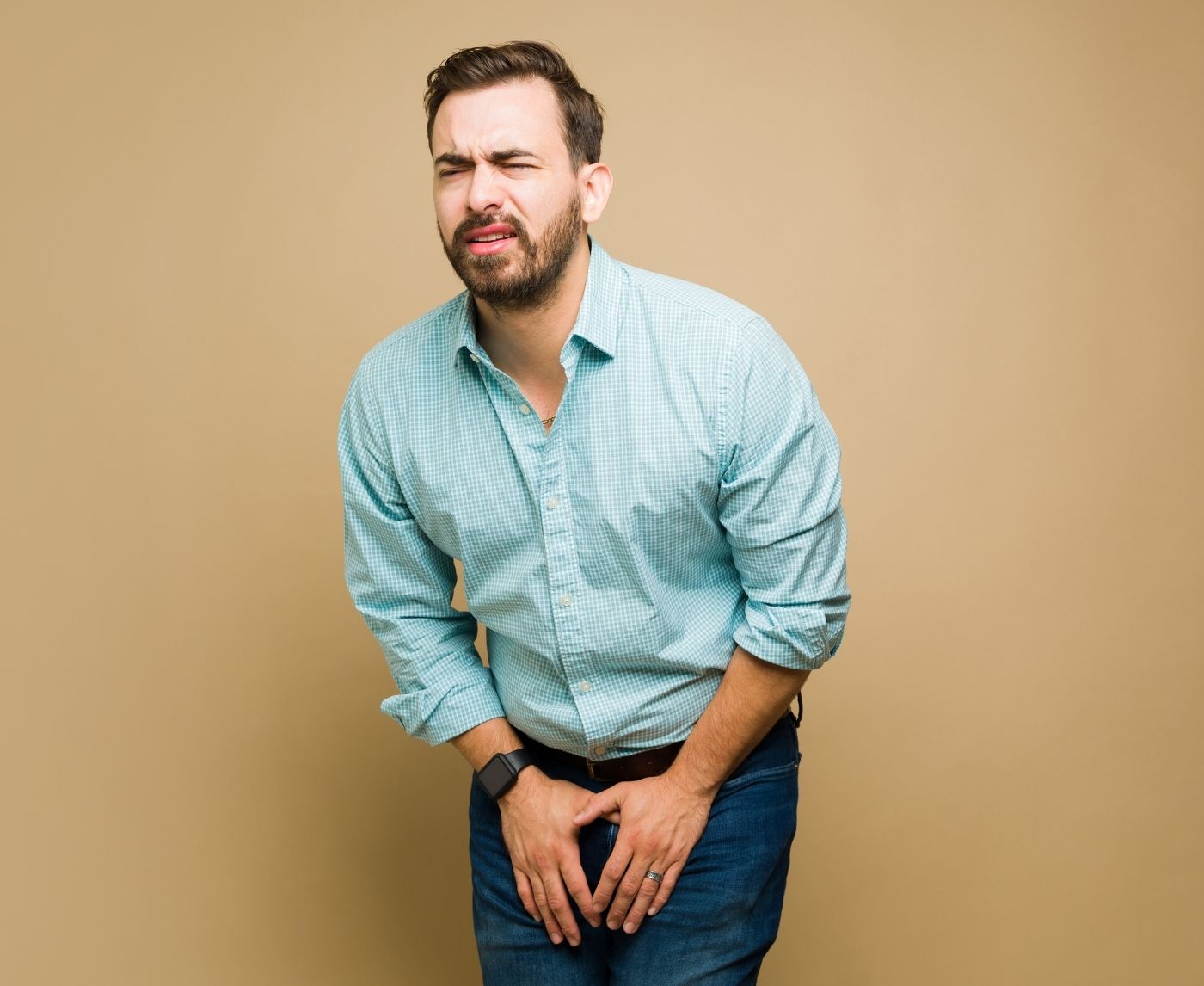
Quick Answer: Burning when you pee with a negative UTI test may be caused by NGU, herpes, or other STDs like chlamydia or trichomoniasis. These can trigger real pain even when standard urine tests come back normal.
When “Clean” Isn’t the Same as Clear
Riley, 26, sat in their car outside the pharmacy, clenching the paper with the words “no infection detected.” They had symptoms, sharp stinging during urination, pelvic discomfort, but apparently, no diagnosis. The clinician told them to drink water and try cranberry pills.
The problem? Riley didn’t have a UTI. They had NGU, a condition few people hear about until it hits them personally.
Standard UTI tests (urinalysis and culture) are designed to detect bacterial overgrowth, typically E. coli, in the bladder. But they don’t pick up on many sexually transmitted infections or inflammatory conditions like non-gonococcal urethritis.
That’s why you can feel all the classic symptoms, burning, urgency, discomfort, and still get a negative result. It doesn’t mean nothing’s wrong. It means you need a broader look.
Burning without a positive UTI result is a clinical red flag. It often signals an overlooked STD, irritation from sexual activity, or an inflammatory condition not visible on a dipstick test. Let’s break down what’s really behind that pain.
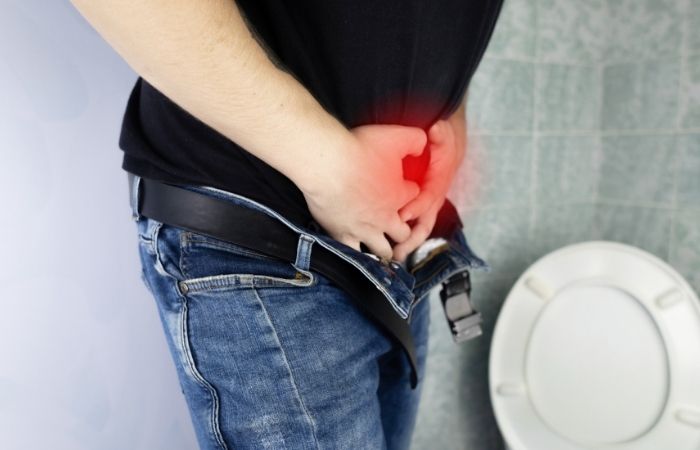
NGU: The Most Misunderstood STD Symptom Cluster
Non-gonococcal urethritis (NGU) is inflammation of the urethra not caused by gonorrhea. It’s usually triggered by chlamydia, but can also result from trichomoniasis, mycoplasma genitalium, or even irritation from sex, soap, or toys. It affects all genders but is most often diagnosed in cis men.
Unlike gonorrhea, NGU may show up without any visible discharge. The burning sensation is often the first and only symptom. In some cases, people report a subtle itch, tingling, or a feeling of rawness near the tip of the urethra.
What makes NGU tricky is that it often hides from standard tests. Many clinics do not routinely swab for NGU unless explicitly asked or unless gonorrhea is ruled out. That means you could have an inflamed urethra, painful urination, and a very real infection, and still be told your results are “normal.”
Herpes Can Burn, Even Without Sores
Most people think herpes only causes visible sores. But the first signs can be far more subtle, and far more confusing. In the earliest stages, genital HSV-1 or HSV-2 can cause internal urethral irritation, especially in the first outbreak. Burning during urination, tingling in the genitals, pelvic aches, and flu-like symptoms often arrive before any blisters appear (if they appear at all).
Herpes urethritis is especially common in cis men and can easily be misdiagnosed as a UTI. According to CDC data on herpes, many individuals who contract HSV don’t realize it because they never develop visible sores, or they mistake early symptoms for a UTI, yeast infection, or even razor burn.
Worse, herpes testing isn’t always included in standard STD panels. Unless specifically ordered, your results might not test for HSV at all. And even if they do, timing matters, false negatives are common in the first few weeks after exposure. That means a negative test doesn’t always mean you’re clear.
If you’re experiencing a persistent burning sensation and have ruled out common UTIs, it’s worth considering herpes, even if there are no blisters in sight.
What Could Be Causing the Burn?
| Possible Cause | Key Symptoms | Is It Detected on UTI Test? | What to Do Next |
|---|---|---|---|
| NGU | Burning when peeing, no discharge | No | Get an STD panel + urethral swab |
| Genital Herpes (HSV) | Burning, tingling, flu symptoms; sometimes sores | No | Request HSV-specific testing |
| Chlamydia | Burning, possible discharge, sometimes no symptoms | No | Test via urine or swab |
| Trichomoniasis | Burning, itching, odd-smelling discharge (sometimes) | No | Order a trich-specific test |
| Non-infectious Irritation | Burning after sex, new soap, or friction | No | Pause exposure, hydrate, monitor symptoms |
Figure 1. Causes of painful urination with negative UTI test results. NGU, HSV, and other STDs are frequently missed in standard screenings.
When Tests Come Back “Normal” But You’re Not
One of the most frustrating things about NGU or early herpes symptoms is how often they're dismissed. If your standard urine culture is clear and your basic STD panel is negative, you might be told to “wait and see.” But burning during urination isn’t a vague symptom, it’s your body screaming that something isn’t right.
Let’s talk timing. Many STDs don’t show up on tests right away. The period between exposure and when a test can reliably detect infection is called the window period. Testing too early can return a false negative, especially for herpes, trichomoniasis, and mycoplasma genitalium. For NGU caused by bacteria other than gonorrhea or chlamydia, standard tests may miss it altogether unless a urethral swab or advanced NAAT test is performed.
This is why retesting matters. If you tested within a few days of symptoms, you may need a follow-up test 1–2 weeks later, especially if pain persists.
Which Tests Work (and When to Use Them)
| Condition | Best Test | Timing for Best Accuracy | At-Home Option? |
|---|---|---|---|
| NGU | Urethral swab + NAAT | 7–14 days post-exposure | Yes (multi-STD panel) |
| Herpes (HSV-1/2) | Type-specific blood test or swab of lesion (if visible) | 4–12 weeks for antibody; swab if symptomatic | Yes (HSV at-home test kits available) |
| Chlamydia | Urine NAAT or vaginal/cervical swab | 7+ days after exposure | Yes |
| Trichomoniasis | NAAT or rapid antigen test | 7–14 days post-exposure | Yes (included in some combo kits) |
| Mycoplasma Genitalium | NAAT (special request at some clinics) | 10+ days post-exposure | No (clinic only) |
Figure 2. Recommended tests by infection type, with optimal detection windows and at-home availability noted.
Should You Retest? Here’s When It Matters
You need to get tested again if your symptoms are still there or getting worse and your tests came back negative. Don't ignore it when you pee and it burns. If you tested too soon or only looked for gonorrhea and chlamydia, infections like HSV or NGU might not show up on the first tests.
Here are some times when you might want to take a test again:
- 5–7 days after exposure: Symptoms may start to show up, but early tests may not find infections. For accuracy, test again after 14 days.
- 14 days or more after exposure: Most STDs can be found with a high level of accuracy. This is the best time to confirm.
- Symptoms that don't go away after treatment: If basic treatment doesn't work, look into other possible causes like herpes, trich, or mycoplasma.
If you were tested but didn't ask for HSV or trichomoniasis, you probably weren't tested for them. These are not always part of the usual STD tests. You can get a kit like this one that is private to check for the most common infections.
When It’s Not an STD, But Still Burns
It’s possible to have painful urination without any infection. Irritation-based urethritis can come from semen exposure, friction during sex, latex condoms, new soaps, or even overly vigorous masturbation. Some people also develop symptoms due to pelvic floor dysfunction, stress, or post-coital inflammation.
Jasmine, 32, noticed burning after every hookup, even with condoms. But tests were always negative. Eventually, a clinician connected her symptoms to micro-tears from vigorous sex and sensitivity to certain lubes. A switch to hypoallergenic products and slower pacing solved what years of antibiotics couldn’t.
Still, irritation should be a diagnosis of exclusion, only made after STDs and urinary infections have been thoroughly ruled out. Never let a provider dismiss your symptoms as “just stress” without exploring the real possibilities first.
Peace of Mind Starts With Knowing
If your head is spinning and your results don’t match how your body feels, don’t wait in limbo. STD Test Kits offers doctor-trusted, FDA-approved at-home test options for chlamydia, herpes, trichomoniasis, and more. Whether it’s NGU, HSV, or something else entirely, you deserve answers, not assumptions.
Order a discreet combo test kit here and take control of your health today.
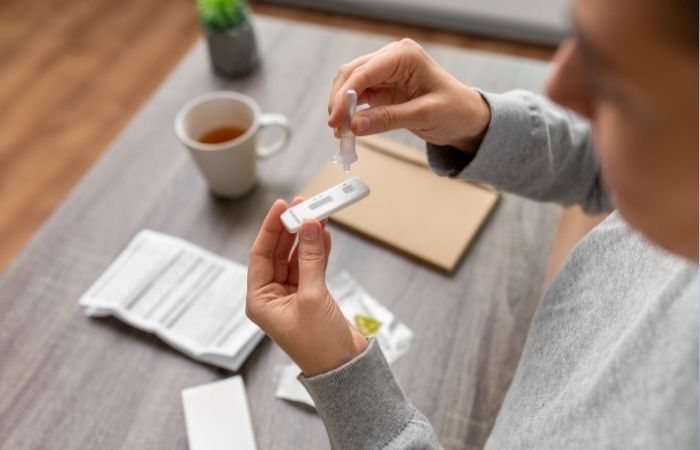
“They Said It Was Nothing, But I Knew It Wasn’t”
Leo, 29, went through four clinic visits before someone finally tested him for HSV. “They kept saying it was probably friction or dehydration,” he remembers. “But the burning was constant, and it got worse after sex.” His urine tests were always negative. No discharge. No visible sores. But something wasn’t right.
On the fifth visit, a nurse practitioner finally asked if he’d ever had an HSV blood test. He hadn’t. A type-specific antibody test confirmed HSV-2. Looking back, Leo realizes the early signs had been there for months, burning, mild nerve pain, occasional tightness in his lower belly, but no one connected the dots.
“I wish someone had just tested me the first time I asked,” he says. “I spent months thinking I was crazy.”
Leo’s story is all too common. Especially for men and trans individuals, symptoms like burning are frequently downplayed if there’s no visible lesion or obvious discharge. But your pain is real. And the sooner it’s acknowledged, the sooner you can get the right care.
FAQs
- 1. Can I really have STD symptoms if all my tests came back negative?
- Yeah, and it sucks. The truth is, not all STDs show up right away, and some aren’t even included in basic panels. Herpes, trichomoniasis, and NGU are commonly missed. So if you’re burning, aching, or just know something’s off, don’t let one round of “normal” results shut down your gut instinct.
- 2. What does NGU actually feel like?
- Honestly? Like a UTI that ghosts you on the test results. You might feel a sting when you pee, a weird pressure in your pelvis, or a mild itch inside your urethra, especially in the morning. No discharge? Doesn’t matter. The burn is real, and it’s not just in your head.
- 3. How can herpes cause pain if I don’t have any sores?
- Great question, because this trips up a lot of people. Herpes can affect the inside of your urethra or genitals before any blisters show up (or without blisters at all). Burning pee, tingling, body aches? Classic first outbreak. It’s sneaky, but not invisible. That pain is the virus doing its thing underneath the surface.
- 4. What if I already tested for chlamydia and gonorrhea?
- You did well, but that doesn't mean you're out of the woods yet. A lot of clinics don't test for herpes, trich, or mycoplasma unless you ask. Also, if you tested too soon (like within a few days of having symptoms), the results could be wrong. If things still don't feel right a week later, you might want to test again.
- 5. Is it worth getting an at-home test for this?
- If you're tired of clinics brushing you off or you just want answers without the awkwardness, yes. At-home kits can check for chlamydia, gonorrhea, trich, and sometimes even herpes, without waiting rooms or judgment. Just make sure it’s a reliable one, like the ones we use at STD Test Kits.
- 6. Could this just be irritation and not an STD?
- It could. Lube, condoms, toys, friction, even your laundry detergent can mess with your urethra. But that should be the conclusion after ruling out STDs, not the go-to excuse. If symptoms last more than 48 hours, get tested (again) and ask the hard questions. Your body deserves answers, not guesswork.
- 7. Do guys get NGU more than women?
- They do, but not because women don’t get it. It’s just harder to spot in people with vaginas. For cis men, NGU often shows up loud and clear: burning pee, urethral irritation. For others, it might blend in with yeast, BV, or feel like a phantom UTI. Either way, it’s underdiagnosed across the board.
- 8. How soon after sex can I start feeling symptoms?
- Sometimes within a day or two. NGU can flare up fast. Herpes usually takes a bit longer, anywhere from 2 to 12 days. But don’t let timelines rule you. If something changed after a hookup and your body feels different, listen to it. You know yourself better than a lab sheet.
- 9. Can I pass NGU or herpes to someone else even without symptoms?
- Unfortunately, yeah. Both can spread when you feel totally fine. That’s part of what makes them tricky. Barrier methods help, but so does being proactive: test often, communicate honestly, and don’t wait for symptoms to do the talking.
- 10. Okay but what if I’m still burning and everyone’s telling me it’s nothing?
- Then it’s time to advocate harder, or find a provider who’ll actually listen. Chronic symptoms deserve real investigation. You’re not being dramatic. You’re being responsible. Whether it’s an STD, inflammation, or something else entirely, you deserve real answers, not dismissal.