Can You Get Chlamydia in Your Eye From a Partner?
Quick Answer: Yes, you can get chlamydia in your eye from a partner, usually through infected fluids during oral, vaginal, or anal sex, or by touching the eye with contaminated fingers.
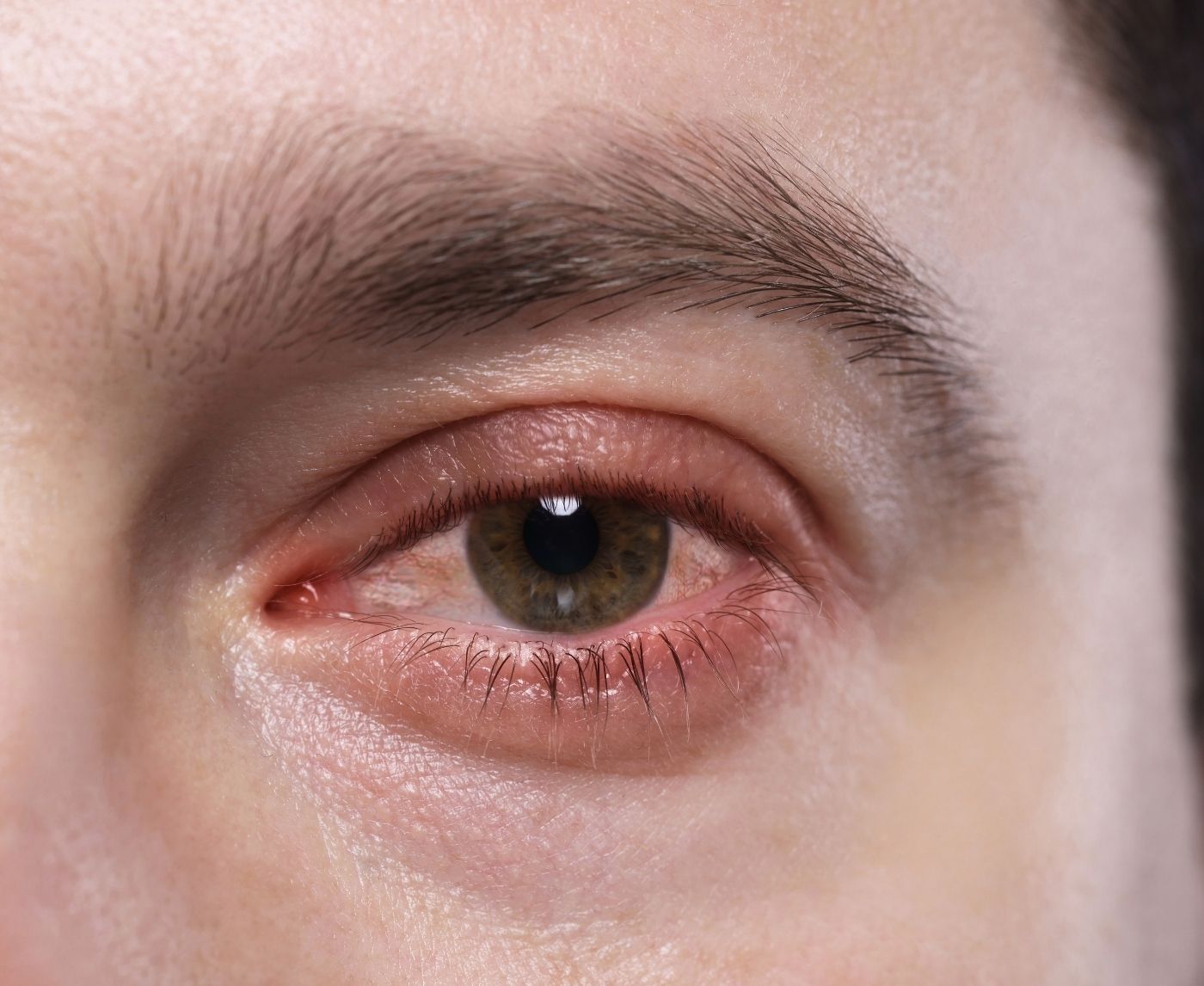
Quick Answer: Yes, you can get chlamydia in your eye from a partner, usually through infected fluids during oral, vaginal, or anal sex, or by touching the eye with contaminated fingers. It can mimic viral or bacterial pink eye but needs antibiotic treatment.
This Isn’t Just Pink Eye, And Here’s Why
Most people assume a red, irritated eye is conjunctivitis caused by a virus (like a cold) or seasonal allergies. But chlamydial conjunctivitis is a sexually transmitted infection that can look nearly identical at first, especially in adults. You might notice:
| Symptom | Viral Conjunctivitis | Chlamydia Eye Infection |
|---|---|---|
| Discharge | Watery or clear | Thick, yellow or white pus |
| Onset | Sudden, with other cold symptoms | Gradual, may follow sexual contact |
| One or both eyes | Usually starts in one eye | Often starts in one, may spread to both |
| Other symptoms | Itching, burning, light sensitivity | Eye pain, swelling, gritty sensation |
| Response to eye drops | Improves with time or antiviral care | Does not improve with standard drops |
Table 1. Key differences between viral pink eye and chlamydia eye infections. Misdiagnosis is common without proper testing, especially when sexual history isn’t discussed.
The scary part? Many doctors assume it’s just viral or bacterial conjunctivitis unless you mention recent sexual activity or ongoing genital symptoms. According to the CDC, chlamydia is the most reported bacterial STI in the U.S., and eye infections are a known but underdiagnosed form of transmission.
How Chlamydia Reaches the Eye (Yes, Even Without Direct Contact)
It doesn't take eye-to-genital contact to get infected. Here’s how it happens:
Let’s say you give your partner oral sex. If they’re infected with chlamydia, the bacteria can be present in their semen, vaginal fluids, or urethral discharge. If any of that reaches your hands, face, or towel, and then your eye? That’s enough. In fact, one clinical study found that adult chlamydial conjunctivitis cases are almost always tied to recent sexual activity, with exposure occurring through fingers, shared makeup, or even pillowcases after a partner ejaculates nearby.
And here’s what most people don’t realize: you might not have genital symptoms at all. Many people carry chlamydia asymptomatically, especially in the throat or rectum. The eye can become the first and only place where symptoms show up.
This is why any red, pus-producing eye infection that doesn’t respond to drops, especially after sex, needs a full workup that includes STD testing.
If you’re already worried, you don’t need to panic, but you do need answers. STD Test Kits offers discreet, at-home options that check for genital and oral chlamydia infections, so you can know for sure before symptoms spread.

Testing and Treating Eye Chlamydia: What Works (And What Doesn’t)
If your eye is red, sticky, and painful, and especially if it’s not improving after a few days of standard antibiotic drops, it’s time to consider chlamydia testing. But here's the kicker: most eye doctors don’t screen for STDs unless you specifically ask, and even urgent care providers often miss the link unless you bring up recent sexual activity.
So what are your options?
| Test Type | Sample Needed | Detects Eye Infection? | Best For |
|---|---|---|---|
| NAAT (Nucleic Acid Amplification Test) | Urine, throat, or genital swab | Indirectly (confirms genital or oral source) | Most accurate for asymptomatic carriers |
| Eye swab culture (done in clinic) | Eye discharge sample | Yes | Persistent eye symptoms after sex |
| At-home chlamydia test kit | Urine or swab (genital) | Indirectly | Privacy and convenience for first steps |
Table 2. Chlamydia test options. A genital or oral positive result can explain eye symptoms without needing a painful eye swab.
In many cases, if you test positive for chlamydia through a genital or throat swab and your eye symptoms align, your doctor may assume conjunctival transmission and treat accordingly, especially if the eye infection doesn’t respond to other treatments. Treatment is usually a short course of oral antibiotics like azithromycin or doxycycline, not just eye drops.
“I Thought It Was Allergies. It Was Chlamydia.”
Sofia, 31, had never had an STD scare before. She wasn’t even sexually active that often, and her last partner had seemed clean. So when her left eye started itching and swelling, she chalked it up to pollen season. But within three days, it was crusted shut each morning, and no over-the-counter drops were helping.
“I went to urgent care, and they said it was viral conjunctivitis. Gave me lube drops and said it’d clear in a week. It didn’t.”
What Sofia didn’t realize: her partner had untreated genital chlamydia and had ejaculated near her face during a hookup. She’d wiped her eye with the same hand afterward. It wasn’t until she got a full STD panel on day ten, thanks to a friend’s suggestion, that she tested positive. A single antibiotic dose cleared her symptoms within 72 hours.
“I felt gross at first. Like I’d done something wrong. But my doctor told me this happens more than people think, and that I’d caught it early. It was a weird relief.”
Stories like Sofia’s are why testing, even when the symptoms seem “non-sexual”, can make all the difference. Eye symptoms after sex, even indirect contact, are never too minor to check out.
Why So Many Eye STDs Get Misdiagnosed
Here’s the uncomfortable truth: unless you bring up your sexual history, most doctors won’t ask. And when it comes to red, irritated eyes, they’re often operating from a standard assumption, viral conjunctivitis or seasonal allergy, not a sexually transmitted infection. This leads to a dangerous delay in the right treatment.
One study in the Journal of Clinical Ophthalmology found that nearly 60% of adult chlamydial conjunctivitis cases were initially misdiagnosed as non-STD related infections. The average time to correct treatment? Over two weeks. That’s two weeks of contagious discharge, increasing discomfort, and potential complications.
Untreated chlamydia in the eye doesn’t just go away, it can scar the inside of the eyelid, cause chronic dry eye, or even lead to vision loss if it spreads deeper into the ocular tissues. The longer you wait, the harder it is to treat without lingering effects.
And this doesn’t just affect you. Chlamydia in the eye is still contagious. If you share towels, makeup, or sleep close to others, you could unknowingly pass the infection to a partner or roommate, even without genital contact.
That’s why we always say: if it started after sex, even if it seems minor, it’s worth testing for STDs. Waiting for it to "clear on its own" could lead to far more discomfort and damage.
You Don’t Need to Be Embarrassed, You Need a Plan
Here’s the thing no one tells you: eye chlamydia isn’t a sign of being reckless. It’s a sign of how many people don’t know this can happen. Oral sex, rubbing your eye after intimacy, sleeping on a shared pillow, it doesn’t take much. What matters is what you do next.
If you’re experiencing eye discharge, redness, or irritation, especially if it came on days after sexual activity, start with a discreet at-home test. STD Test Kits can check for chlamydia and other STDs with lab-grade accuracy, from your own space.
If positive, treatment is simple. Most eye infections clear within a few days of starting oral antibiotics. And once treated, you’re not contagious anymore, no stigma, no shame. Just clarity and healing.
Protect yourself. Protect your partners. And if it’s not an STD? You’ll know that too, and can seek the right kind of care without second-guessing.
FAQs
- 1. Can oral sex really cause chlamydia in your eye?
- Absolutely. It surprises people, but if your partner has chlamydia, even if they don’t know it, it can live in their throat, genitals, or rectum. If any fluids end up near your face during oral sex, or if you touch your own eye afterward, that’s all it takes. Think of it less like "you did something wrong" and more like bacteria being sneaky. This isn’t rare. It’s just rarely talked about.
- 2. How would I know if it’s chlamydia and not just pink eye?
- Honestly? You might not at first. They both cause redness, irritation, and that delightful goopy discharge. But chlamydia tends to be slower to clear, often more painful, and resistant to typical pink eye drops. If your eye looks like it’s been punched by a snotty ghost, and you had sexual contact in the last couple weeks, it’s worth testing. Bonus red flag: if the gunk is yellowish and thick, or it starts in one eye and spreads to the other.
- 3. Does this mean I have chlamydia somewhere else too?
- Probably. Eye infections from chlamydia don’t usually happen in isolation. It likely means there’s also infection in the throat, genitals, or rectum, even if you feel totally fine down there. That’s why at-home test kits are helpful: you can screen more than one site and catch what your body isn’t telling you yet.
- 4. Will regular eye drops do anything?
- They might soothe the burning a bit, but they won’t kill the infection. Chlamydia is a bacterial STD, it needs oral antibiotics, not lubricating drops or allergy relief. If your eye isn't improving after 48 hours on over-the-counter stuff, stop guessing and get tested. Eye drops can’t fight what they don’t target.
- 5. Is pink eye always an STD now?!
- Nope. Most pink eye cases, especially in kids or during flu season, are viral or allergic. But if you’ve had recent sexual activity (especially oral), and the eye symptoms don’t add up or go away, it’s fair to wonder. You’re not overthinking it. You're being smart about your health.
- 6. Will I go blind if I don’t treat it?
- Unlikely, but let’s not roll those dice. Untreated chlamydia in the eye can lead to scarring under the eyelids or even corneal ulcers. That’s not just painful, it can mess with your vision permanently. Luckily, a simple round of antibiotics clears it fast when caught early. The risk is real, but so is the fix.
- 7. Do I need to tell my partner?
- If you test positive for chlamydia, even if it's just in the eye, yes, you should tell them. It’s not about shame. It’s about stopping the ping-pong game of passing it back and forth. And if you're dreading that conversation, know this: anonymous notification tools exist, and most people handle the news better than you'd think.
- 8. How do I even test for an eye STD at home?
- You can't swab your eye at home (thank god), but you *can* test for genital and throat chlamydia, which is where the infection usually starts before traveling to the eye. If those come back positive and your eye symptoms match, most doctors will connect the dots and start treatment. That’s why combo STD kits are so useful here.
- 9. Can makeup or towels spread it?
- Yes, and this is one of the least sexy ways an STD spreads. If you use a mascara wand or towel that’s been contaminated (by you or someone else), that bacteria can land in your eye. It’s like kissing someone with strep throat: you didn’t think about it, but it’s all connected. Toss the eye makeup and get a clean towel.
- 10. Should I stop wearing contacts if I think I have this?
- Yes. Stop immediately. Contacts can trap bacteria on your eye’s surface and make everything worse. Until you’re cleared and symptoms are gone, glasses are your best friend. Think of it as giving your eyes a much-needed spa day (with less pus).
You Deserve Answers, Not Assumptions
You don’t need to guess. You don’t need to wait. And you definitely don’t need to be shamed for a red, irritated eye that may be something more. Eye chlamydia is real, treatable, and more common than most people realize. Getting tested isn't overreacting, it's taking control.
If you’ve had recent sexual contact and now have eye discharge, don’t play the waiting game. This combo STD test kit can give you answers from home in total privacy, no awkward waiting rooms, no assumptions, just clarity.
How We Sourced This Article: We combined current guidance from leading medical organizations with peer-reviewed research and lived-experience reporting to make this guide practical, compassionate, and accurate. In total, around fifteen references informed the writing; below, we’ve highlighted some of the most relevant and reader-friendly sources.