Can Chlamydia or Gonorrhea Infect Your Eye? What to Watch For
Quick Answer: Chlamydia and gonorrhea can infect the eye if bacteria enter through contact with infected fluids, including during oral sex. They don’t carry the same stigma, and they’re easier to explain away.
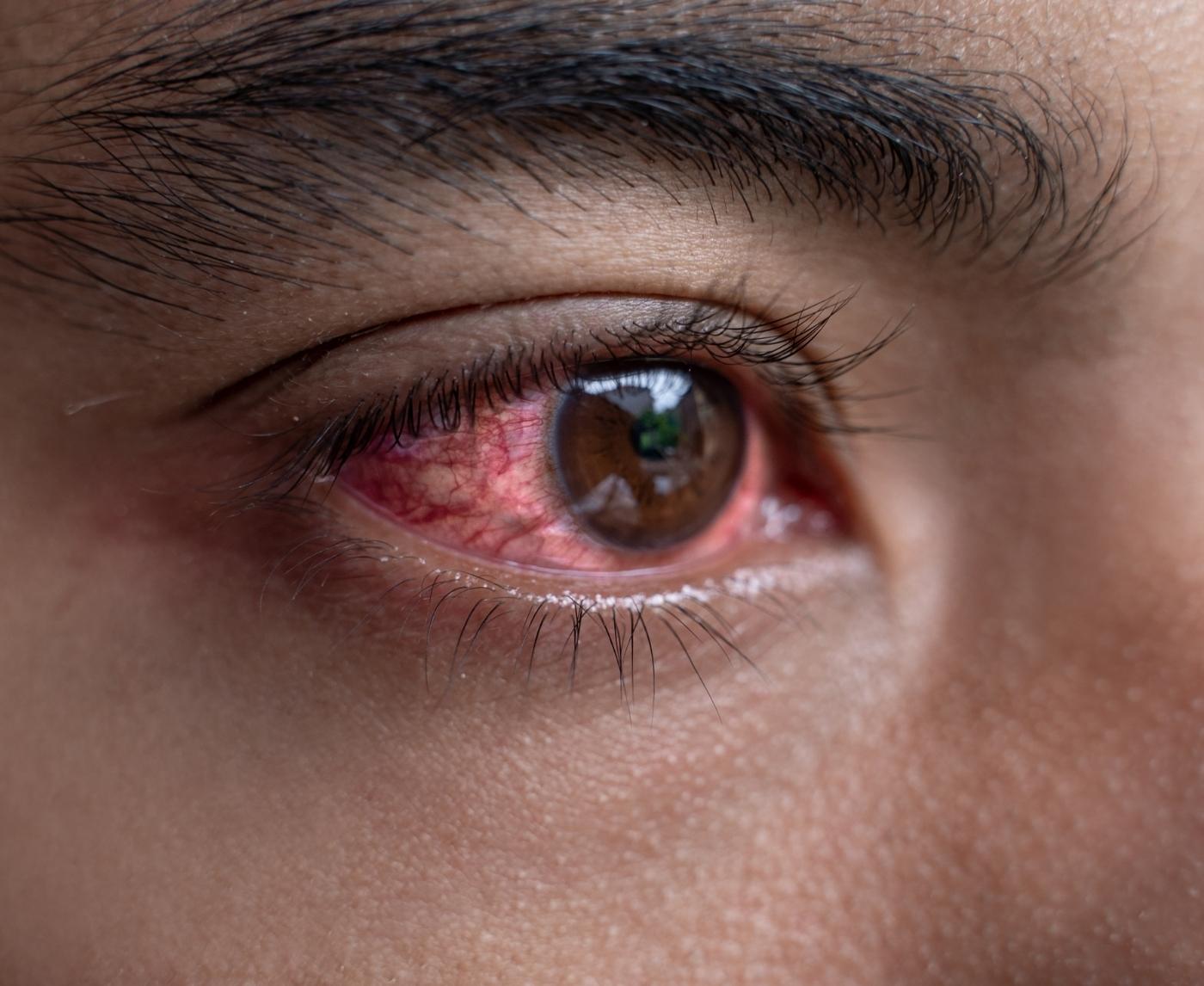
Quick Answer: Chlamydia and gonorrhea can infect the eye if bacteria enter through contact with infected fluids, including during oral sex. Symptoms often look like pink eye or allergies but usually involve swelling, discharge, and irritation that doesn’t improve with standard treatment.
This Isn’t Just About Your Eye
Eye symptoms feel “safe” compared to genital ones. They don’t carry the same stigma, and they’re easier to explain away. Many people treat eye redness with drops, wait it out, or assume it’s seasonal irritation, especially if nothing feels wrong anywhere else.
But STDs don’t always announce themselves clearly. Infections like chlamydia and gonorrhea are notorious for being quiet in the genitals while causing inflammation elsewhere. The eye is especially vulnerable because it’s a mucous membrane, just like the throat, rectum, and genitals.
If you’re searching this now, you’re not overreacting. You’re noticing a mismatch between what you expected and what your body is doing. This guide walks through how STD-related eye infections happen, how to tell them apart from allergies or common pink eye, and when testing matters.
How STDs End Up in the Eye in the First Place
Most people assume STDs require genital-to-genital contact. In reality, infections spread through contact with infected fluids or tissues, and the eye doesn’t have much protection against that.
The most common pathway is simple and accidental. During oral sex, bacteria can be present in the mouth or throat. Touching your eye afterward, rubbing irritation, or transferring fluids via hands or towels can introduce those bacteria directly into the eye.
This isn’t about hygiene failure or recklessness. It’s about how easily bacteria move and how sensitive the eye is. According to guidance summarized by the CDC’s STI Treatment Guidelines, both chlamydia and gonorrhea can infect non-genital sites, including the eyes, when exposed.
Chlamydia in the Eye: What It Usually Looks Like
Chlamydial eye infections often start subtly. One eye becomes red or irritated, then swollen. Discharge may be watery at first, then thicker over time. Because it doesn’t always itch intensely, many people don’t think “allergies.” They think irritation that should clear up.
What makes chlamydia tricky is timing. Eye symptoms can appear days or even weeks after exposure, especially if the original infection was oral or genital and never caused symptoms. Someone can genuinely have no idea they were exposed.
Doctors sometimes treat this as routine conjunctivitis. If symptoms don’t improve with standard antibiotic drops, that’s often the first red flag that something else is going on. This delay is common and not a personal failure, it’s a gap in awareness.
Gonorrhea Eye Infections Are Rarer, and More Aggressive
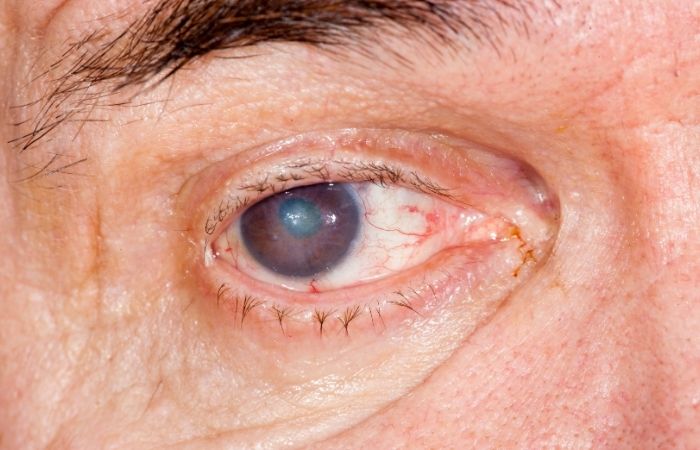
Gonorrhea in the eye tends to move faster and hit harder. Swelling can be dramatic. Discharge is often thick, yellow, or green. Pain and light sensitivity are more common, and symptoms may escalate over just a few days.
This type of infection is considered an urgent medical issue because untreated gonorrheal eye infections can damage the cornea. That sounds scary, but early treatment is highly effective. The problem is recognizing what it is before it gets there.
The National Institutes of Health notes that gonococcal conjunctivitis in adults is uncommon but serious, often linked to sexual exposure rather than casual contact.
Allergy, Pink Eye, or STD? The Overlap That Confuses Everyone
This is where most people get stuck. Allergies cause redness and watering. Viral pink eye spreads easily and looks awful. Bacterial conjunctivitis can produce discharge. STD-related eye infections overlap with all of these, but there are patterns worth paying attention to.
Allergies usually affect both eyes and come with itching, sneezing, or known triggers. Viral pink eye often spreads from one eye to the other within days. STD-related infections more often stay in one eye, worsen instead of improving, and don’t respond to typical over-the-counter solutions.
If your symptoms appeared after sexual contact, oral sex, or a situation where fluids could have transferred, even indirectly, that context matters. Bodies don’t separate systems as cleanly as we wish they did.
When Eye Symptoms Are the Only Symptom
One of the hardest parts of this conversation is the absence of genital signs. Many people with eye-related STD symptoms have no burning, no discharge, no pelvic pain, and no sores. That doesn’t make the infection imaginary or unlikely.
Both chlamydia and gonorrhea are frequently asymptomatic, especially in the throat and cervix. An eye infection may be the first and only signal that something is off.
This is why testing isn’t about panic, it’s about closing an information gap. When you know what you’re dealing with, treatment becomes straightforward, and the anxiety loop finally breaks.
When to Test If You’re Worried About an STD Eye Infection
When your eye is swollen, leaking, or painful, the instinct is to do something immediately. That makes sense. Eye symptoms feel urgent in a way genital symptoms sometimes don’t, they’re visible, uncomfortable, and hard to ignore. But when it comes to STD testing, speed without timing can backfire.
Testing too early can give you false reassurance. Waiting too long can let symptoms drag on or worsen. The goal isn’t to test fast, it’s to test smart, using both your exposure history and what your body is doing right now.
If your symptoms showed up after oral sex or another sexual encounter, timing matters differently depending on the infection. And frustratingly, eye symptoms can appear before a test turns positive elsewhere in the body. That’s why clinicians don’t rely on the calendar alone, they look at the full picture.
| Infection | Earliest Testing Window | Best Time for Accuracy | Why Timing Matters for Eye Symptoms |
|---|---|---|---|
| Chlamydia | About 7 days after exposure | 10–14 days after exposure | Eye symptoms may appear before genital tests turn positive, especially if exposure was oral |
| Gonorrhea | 5–7 days after exposure | 7–14 days after exposure | Can cause rapid eye inflammation; early testing helps guide urgent treatment |
| Other STDs | Varies by infection | Often 2–6 weeks | Less commonly linked to eye symptoms but may be tested based on risk profile |
Table 1. General STD testing windows when eye symptoms are present. Individual timing may vary based on exposure type, immune response, and test method.
This table explains why people sometimes test “negative” at first, even when something clearly feels off. The bacteria may not have reached detectable levels yet, or the site tested doesn’t match where symptoms are showing up.
If you want a deeper breakdown by infection, including window periods for blood, urine, and swab tests, this guide on STD testing window periods and when to test for each infection walks through the timing in plain language.
The takeaway is this: early testing can be helpful, but follow-up testing is sometimes what gives you real certainty. If your eye symptoms started early, testing now, and retesting at the optimal window if needed, isn’t overkill. It’s how you avoid weeks of guessing.
Why At-Home Testing Can Be a Relief in Situations Like This
Eye symptoms create a strange kind of anxiety. You’re uncomfortable, visible, and worried, but you may not feel ready to talk about sexual exposure with an urgent care provider who’s focused only on your eye.
At-home STD testing gives you control over the first step. You can test privately, on your timeline, and with less emotional friction. For many people, that initial clarity makes the next conversation with a doctor easier and more direct.
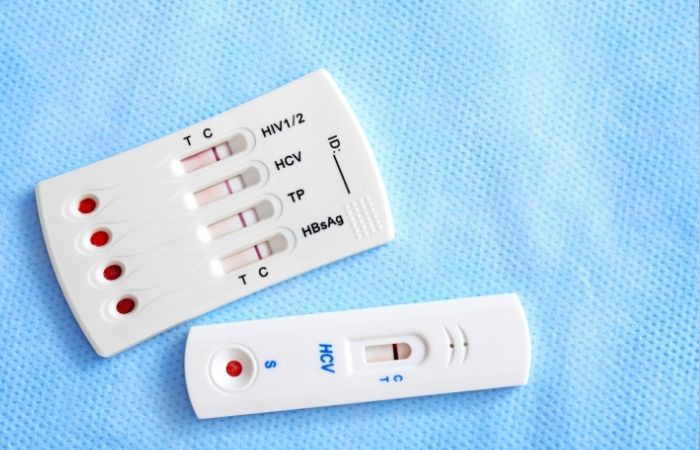
If you’re trying to narrow things down quickly, a multi-STD option like a combo at-home STD test kit can check for the most common infections linked to eye symptoms. It’s not about replacing medical care, it’s about arriving informed.
A Composite Case: “It Was Treated as Pink Eye for Weeks”
Jordan, 31, noticed swelling in one eye a few days after a weekend hookup that included oral sex. There was no pain at first, just redness and discharge. An urgent care clinic prescribed antibiotic eye drops and sent them home.
“They said it was probably bacterial pink eye. I didn’t even think to mention sex, it felt unrelated.”
After ten days, nothing had improved. A second visit led to a different drop, then a referral. Only after a full sexual health screen did the cause become clear: chlamydia. Once treated systemically, the eye symptoms finally resolved.
This pattern isn’t unusual. Eye symptoms are often treated in isolation, even though the source may be elsewhere. What changed things wasn’t panic, it was testing.
What Not to Do While You’re Figuring This Out
It’s tempting to self-treat aggressively when your eye looks bad and feels worse. But piling on random drops, using someone else’s medication, or delaying evaluation because you’re embarrassed can slow recovery.
If symptoms are worsening rapidly, especially with pain or vision changes, urgent medical care matters. Gonorrhea-related eye infections, in particular, need prompt treatment. That urgency doesn’t cancel out your need for privacy or dignity.
Think of testing as a tool, not a verdict. It narrows possibilities and helps clinicians choose the right treatment instead of guessing.
How Long Does It Take to Feel Better Once Treated?
Once treatment starts, most people want one thing: proof that it’s working. Not eventually. Not “in theory.” They want to wake up, look in the mirror, and see their eye finally calm down.
The good news is that STD-related eye infections usually respond well to the right antibiotics. The tricky part is that “better” doesn’t always mean “immediately normal.” Healing happens in stages, and knowing what’s typical can save you a lot of unnecessary stress.
| Stage After Treatment | What You Might Notice | What It Usually Means |
|---|---|---|
| First 24–72 hours | Less discharge, reduced swelling, eye feels less “angry” | The antibiotics are working and bacterial load is dropping |
| 3–7 days | Redness fading, irritation improving, eye opening more easily | Active infection is clearing; inflammation is settling |
| 1–2 weeks | Eye looks mostly normal but may still feel sensitive | Tissue healing phase, not infection, just recovery |
| Beyond 2 weeks | Lingering redness or discomfort | Worth rechecking treatment response or ruling out reinfection |
Table 2. Typical recovery timeline after treatment for STD-related eye infections. Individual healing can vary based on severity, timing of treatment, and overall health.
A lot of people see real progress in just a few days. It's nice to get some relief right away, but it's not the same as getting everything fixed. It takes time for eyes to heal, and being sensitive for a long time doesn't mean the treatment didn't work.
Treating the root cause is the most important thing for long-term recovery. Eye drops may help with surface symptoms, but they won't get rid of an infection throughout the body. The eye can finally heal instead of being constantly irritated once the underlying STD is properly treated.
Follow-up testing is sometimes recommended, especially if symptoms were severe, treatment was delayed, or exposure risk continues. That follow-up isn’t a judgment or a penalty. It’s simply confirmation, a way to close the loop and make sure the infection is truly gone.
If something still feels off weeks later, that’s not failure. It’s feedback. And it’s worth listening to.
Privacy, Partners, and the Hard Conversations
Eye symptoms make partner conversations awkward in a unique way. People don’t associate eye infections with sex, so bringing it up can feel surreal. But sharing information protects everyone involved.
You don’t owe anyone details about your symptoms. What matters is notifying partners if an STD is confirmed so they can get tested and treated. Many people choose neutral language focused on health rather than blame.
If you’re not ready for that step yet, starting with testing gives you grounding. Answers first. Conversations second.
Eye Infection, Allergy, or STD? How Doctors Tell the Difference
On paper, these conditions look easy to separate. In real life, they blur together fast. Redness, discharge, swelling, and irritation show up across allergic reactions, viral infections, bacterial conjunctivitis, and STD-related eye infections.
What clinicians look for isn’t just how your eye looks, it’s the story around it. Timing, exposure history, whether one or both eyes are affected, and how symptoms respond to treatment all matter more than color charts or guesswork.
STD-related eye infections tend to resist the usual fixes. If drops don’t work, symptoms worsen, or the infection keeps returning, that persistence is a signal to zoom out and consider systemic causes.
| Feature | Allergies | Typical Pink Eye | STD-Related Eye Infection |
|---|---|---|---|
| Onset | Seasonal or exposure-based | Sudden, often after illness | Days to weeks after sexual exposure |
| Itching | Common and intense | Variable | Often mild or absent |
| Discharge | Clear and watery | Watery or mucous | Thick, persistent, sometimes yellow or green |
| One or Both Eyes | Usually both | Often spreads to both | More often stays in one eye |
| Response to Drops | Improves quickly | Improves in days | Little or no improvement |
Table 3. Key differences between allergic conjunctivitis, common pink eye, and STD-related eye infections. Patterns matter more than any single symptom.
If Your STD Test Is Negative but Your Eye Isn’t Better
A negative test can feel like relief, and confusion. If your eye is still swollen, red, or painful, it’s reasonable to wonder whether the test missed something or whether the problem isn’t sexual at all.
False negatives can happen when testing is done too early or when the site tested doesn’t match the site of infection. That doesn’t mean testing failed, it means timing and strategy may need adjustment.
This is where follow-up matters. Persistent symptoms warrant re-evaluation, repeat testing at the right interval, or referral to ophthalmology. Getting a second look isn’t dramatic. It’s responsible.
When Eye Symptoms Mean You Should Seek Care Immediately
Most eye infections are uncomfortable but manageable. Some, however, cross into urgent territory. Severe pain, light sensitivity, blurred vision, or rapid worsening are not “wait and see” symptoms.
Gonorrhea-related eye infections can damage the cornea if untreated. That’s rare, but it’s real, and it’s why eye symptoms paired with sexual exposure deserve respect, not dismissal.
If you’re unsure where to start, testing can still be the first step. It gives providers context and helps rule things in or out quickly when decisions matter.
Why Treating Only the Eye Isn’t Enough
This is one of the most important takeaways. Eye drops treat the surface problem. STD treatment addresses the source. Without both, infections can linger or recur.
Systemic antibiotics are often required to fully clear chlamydia or gonorrhea, even if symptoms are isolated to the eye. That’s why eye-only treatment sometimes “fails.” It wasn’t wrong, it was incomplete.
Once the underlying infection is treated, the eye usually follows. Healing feels faster when the cause is finally addressed.
Testing Isn’t About Blame, It’s About Clarity
People hesitate to test because they’re afraid of what it says about them. But infections don’t carry moral weight. They follow biology, not intention.
Choosing to test doesn’t mean you assume the worst. It means you’re tired of guessing. It means you want your body to stop sending confusing signals.
If you’re looking for a discreet starting point, options like at-home testing allow you to gather information privately before deciding what comes next. You can explore available kits through STD Test Kits and move forward at your own pace.
FAQs
- 1. Wait, seriously, chlamydia can infect your eye?
- Yes. Weird, but very real. The eye is a mucous membrane, just like your throat or genitals, which means bacteria don’t need an invitation. If infected fluids make their way to your eye, often through hands after oral sex, chlamydia can set up shop there without asking permission.
- 2. Is gonorrhea in the eye actually dangerous, or is that overblown?
- It’s uncommon, but it’s not something to brush off. Gonorrhea-related eye infections tend to be aggressive and fast-moving. Think intense swelling, thick discharge, and pain that ramps up quickly. Treated early, it’s very manageable. Ignored, it can cause real damage. This is one of those “don’t wait it out” situations.
- 3. How could this be an STD if I have zero genital symptoms?
- That’s one of the cruel tricks these infections play. Both chlamydia and gonorrhea are famous for being quiet downstairs. No burning. No discharge. Nothing obvious. The eye can end up being the only place your body waves a red flag.
- 4. If it’s an STD eye infection, will it itch like allergies?
- Usually not. Allergies are loud and itchy, the kind that make you want to rub your eyes raw. STD-related eye infections are more about swelling, redness, discharge, and a feeling that something is just… wrong. Less itch, more irritation that doesn’t back off.
- 5. How long after oral sex would eye symptoms show up?
- Sometimes surprisingly late. Symptoms can appear days later, or even weeks after the encounter that caused it. That delay is why people don’t connect the dots. By the time your eye is acting up, the moment that triggered it may feel long gone.
- 6. Can’t I just use antibiotic eye drops and be done with it?
- Eye drops can calm the surface inflammation, but they don’t treat the source if the infection is systemic. That’s why some people feel a little better… then get worse again. Clearing an STD usually requires oral antibiotics, not just drops.
- 7. Should I see an eye doctor first, or get an STD test?
- If you’re having severe pain, light sensitivity, or vision changes, go get eye care immediately. No debate. If symptoms are lingering, one-sided, or tied to sexual exposure, STD testing is often the missing piece that helps everything finally make sense.
- 8. Can I really use an at-home STD test if my only symptom is in my eye?
- Yes. Many people do. At-home testing can identify common infections like chlamydia and gonorrhea, even when symptoms show up somewhere unexpected. It’s often the easiest way to get clarity before deciding what to do next.
- 9. What happens if an STD eye infection isn’t treated?
- At best, it drags on and keeps coming back. At worst, especially with gonorrhea, it can cause serious eye complications. The good news is that early treatment works extremely well. The longer you wait, the harder it is to ignore, physically and mentally.
- 10. Am I being dramatic for worrying about this?
- No. You are paying attention. You're paying attention to something strange your body is doing instead of ignoring it. That's not panic; that's trusting yourself.
You’re Not Paranoid, You’re Paying Attention
Eye symptoms are unsettling because they’re visible, uncomfortable, and hard to ignore. When they don’t behave like allergies or routine pink eye, your concern is valid, especially if sexual exposure is part of the timeline.
Testing doesn’t mean you assume the worst. It means you want clarity instead of guesswork. Whether the answer is an STD or something else entirely, knowing lets you treat the problem correctly and move on.
If you’re ready to stop wondering, discreet options are available. A confidential at-home combo STD test kit can help rule out common infections linked to eye symptoms, without added stress or judgment.
This article was written using current guidance from leading medical organizations, peer-reviewed research, and lived-experience reporting to reflect how eye-related STD symptoms show up in real life. Around fifteen reputable sources informed the writing overall; below, we’ve highlighted some of the most relevant and reader-friendly sources to help you explore further.