Can You Trust an Expired STD Test Kit?
Quick Answer: Expired STD test kits can give you wrong or invalid results because chemicals break down or reactions go wrong. Don't trust a kit that has expired; instead, get a new one to make sure it works.
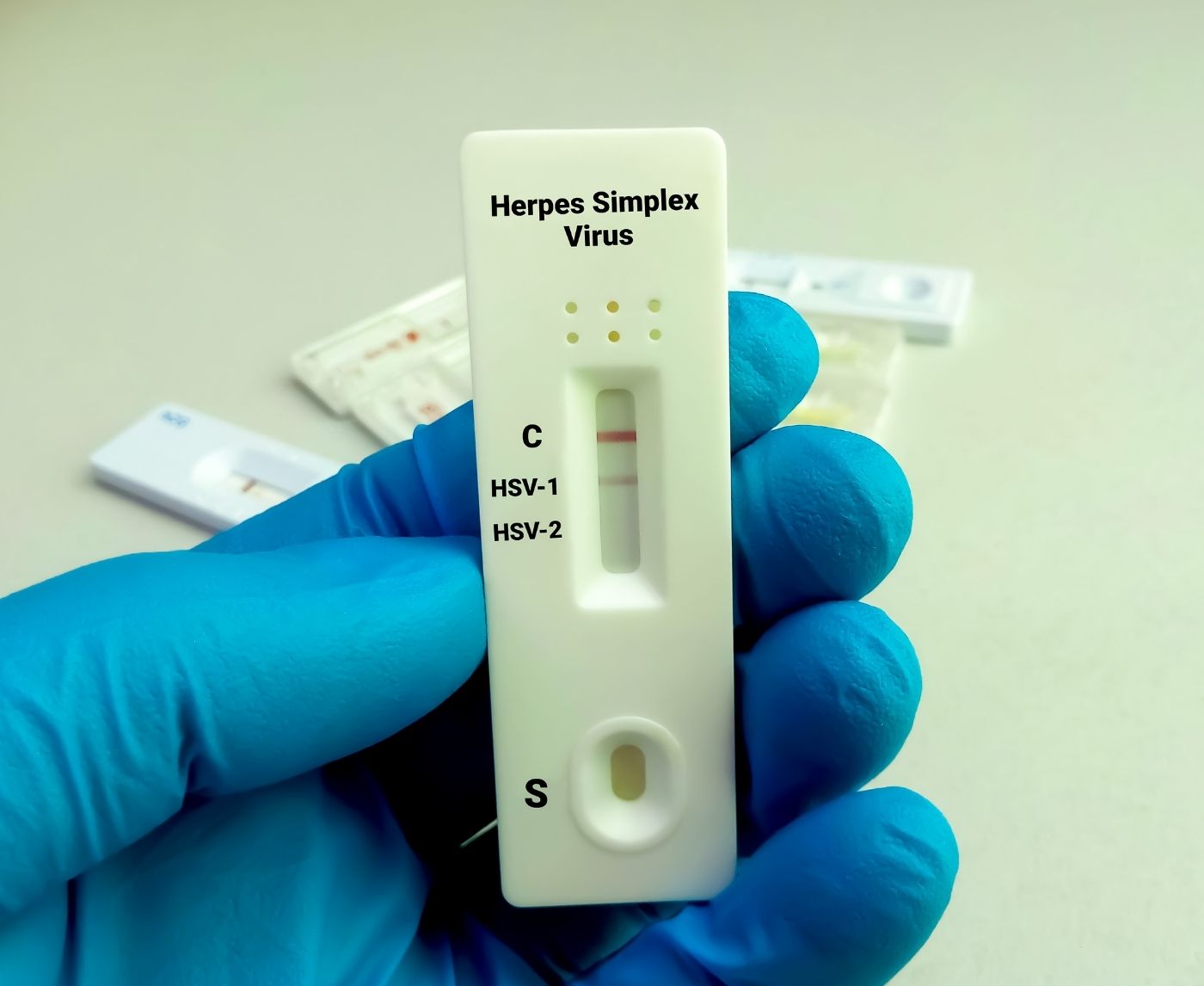
Quick Answer: Expired STD test kits can give you wrong or invalid results because chemicals break down or reactions go wrong. Don't trust a kit that has expired; instead, get a new one to make sure it works. If you've already used an expired one, test it again.
Why Expiration Dates on STD Test Kits Actually Matter
At-home STD tests use chemical reagents and reactive time in their rapid tests. In addition, all of these reagents are subject to various environmental factors such as aging, light exposure, temperature, and humidity. Technically speaking, when a test has an expiration date other than ‘do not use,’ it doesn’t simply mean that it is no longer usable; it means that the chemistry inside will no longer perform in a reliable manner. The expiration of an STD test is not so different from a prescribed pill or another remedy – it eventually stops working in a reliable or potent fashion.
Each kit includes a control line, test line, and reactive zones that are designed to respond to antigens or antibodies. When a test is expired, those reactive agents may degrade, fail to bind properly, or misfire entirely. That can mean: no lines at all, faint false lines, or even an all-clear reading when an infection is actually present.
According to the CDC, accurate testing depends not just on technique and timing, but also on test integrity. An expired test violates that integrity, which means your results could be false negative or indeterminate, and that has consequences not just for you, but also for anyone you’re sexually active with.
What Happens If You Use One Anyway?
Sometimes you’re desperate. Maybe it’s midnight. Maybe you’re on a weekend trip and your brain is spiraling after an unprotected hookup. You find a kit in your bag. It’s expired. But it’s what you’ve got. So you use it anyway. Here’s what might happen:
Scenario 1: You get a negative result, breathe a little easier, and go on with your life, only to find symptoms pop up a week later and a clinic test comes back positive. This happens more often than you'd think. A 2023 study on lateral flow diagnostic kits found that expired tests underreported positive results due to degraded antibody-binding efficiency.
Scenario 2: The control line never appears. The test is invalid, and you’re left even more confused than before. At this point, you’ve wasted time, used up the only kit you had, and now need to wait even longer to retest with a valid one.
Scenario 3: The test gives you a faint line, but you’re unsure if it’s a “positive” or a smudge. Expired kits are more likely to yield indistinct lines, making interpretation harder, especially in low-light, anxious settings.
How Long Are STD Test Kits Good For?
Most at-home STD test kits come with a shelf life of 12 to 24 months from the manufacturing date. This can vary based on the type of test, the chemicals used, and how the kit is stored. Here’s a general breakdown:
| Test Type | Typical Shelf Life | Key Sensitivity Factors |
|---|---|---|
| HIV Rapid Test | 18–24 months | Heat exposure, reagent stability |
| Chlamydia/Gonorrhea | 12–18 months | Moisture sensitivity, enzyme degradation |
| Syphilis | 18–24 months | Blood sample stability, reagent age |
| Combo STD Panel | 12–18 months | Multi-reactive degradation risk |
Table 1. Common STD rapid test shelf lives. Always check the expiration on both the outer box and the test cassette itself.
“I Took the Test Without Noticing It Was Expired”
Janelle, 28, had just returned from a trip with her partner when the worry started creeping in. They’d used a condom, but it slipped halfway through. Janelle remembered she had a test kit from a few months ago and grabbed it without hesitation. “I didn’t even think to check the date,” she later said. “It was just there, and I needed answers.”
The result came back negative. But within a week, she noticed painful urination and a yellowish discharge. She got a full panel test at a clinic and tested positive for chlamydia. “I was so angry at myself,” she admitted. “I thought I had done the right thing. I thought I was safe.”
This isn’t uncommon. The false sense of security from an expired test result can delay treatment, extend transmission risk, and make partner conversations even harder. Janelle’s story isn’t about blame, it’s a reminder of how powerful that little date stamp really is.
Where You Store Your Kit Matters More Than You Think
Even if your test kit hasn't hit its expiration date, poor storage can ruin its accuracy. These kits are sensitive to environmental conditions, especially heat and moisture. Keeping them in a bathroom cabinet (hello, steam) or a glovebox (hello, summer heatwave) can speed up degradation even before the official expiration date arrives.
According to research on diagnostic test stability, elevated temperatures and humidity can alter reagent potency and cause evaporation or condensation inside sealed pouches. That means even “in-date” kits might misfire if they weren’t stored properly.
Here’s what can damage your test kit:
| Storage Issue | Effect on Test Kit | Red Flag Signs |
|---|---|---|
| Extreme heat (car, heater vent) | Breaks down reagents, causes false negatives | Faint or missing control line |
| Humidity (bathroom, unsealed storage) | Moisture interferes with sample wicking | Streaking or blotchy lines |
| Freeze-thaw cycles | Alters antibody binding; results unreadable | No result lines at all |
| Broken or tampered seal | Contamination risk, inaccurate reading | Seal appears loose or resealed |
Table 2. Environmental factors that compromise STD test accuracy, even before expiration.
Should You Use It, Toss It, or Retest?
If you’ve already used an expired STD test, the first thing to do is breathe. Panic doesn’t help, but facts do. Here’s what you need to consider:
- If you haven't used it yet: Check the expiration date on both the box and the test pouch. If it's expired or if the storage has been questionable, don’t use it. Order a new test to ensure valid results. Your peace of mind is worth 24 to 48 hours of waiting.
- If you used it and got a negative: Do not treat this result as conclusive. An expired test can produce false negatives even if you are infected. Plan to retest with a new kit or through a clinic, especially if you have symptoms or a recent exposure.
- If you used it and got a positive: You still need a valid confirmatory test. Expired kits can cause false positives as well, depending on the degraded reagent interactions. Follow up with a current test or seek in-person testing if possible.
Ultimately, expired kits should be viewed the same way you'd treat expired birth control pills or a decades-old thermometer, unreliable at best, dangerous at worst.
Why Expired Tests Stop Working: The Chemistry Behind the Confusion
All forms of the STD rapid test involve reactive strips containing antibodies, enzymes, and antigens that aim to identify the chemical makeup of the sample you submit for testing, such as the production of the HIV antibody, chlamydia antigens, and the like. These biological compounds aren't eternal and can't last forever, of course. Eventually, they'll fall apart. After they do, they'll fail to react in the exact manner that they're supposed to react.
Imagine trying to bake cookies with expired yeast, it might still bubble a little, but your end result won’t rise the way it should. The same applies to diagnostic chemistry. An expired test might show a line where there shouldn’t be one, or miss a line that would otherwise indicate a positive result.
Studies in diagnostic reliability show that even slight deviations in chemical potency can impact sensitivity (ability to detect real infections) and specificity (ability to rule out false positives). The older the test, the more unpredictable it becomes, and that’s not a risk you want when it comes to your health or your partners’ safety.
The Real Risk: False Reassurance Delays Real Action
Getting a false negative from an expired test doesn’t just delay treatment, it can create a false sense of security that spreads the problem further. Many STDs, like gonorrhea or trichomoniasis, can be symptomless in early stages. You might feel “fine,” trust your expired test result, and unknowingly transmit the infection to someone else.
This is especially important for people in new relationships, open partnerships, or navigating hook-up culture. One expired test used in a moment of panic can delay accurate testing for weeks. That window can be enough time for an infection to worsen or silently pass between multiple partners.
Micah, 35, shared his experience: “I didn’t want to wait. I used the test I had, even though I knew it was a little old. It said negative. A month later, I had pelvic pain and tested positive for gonorrhea, and had to call two people to let them know. That was one of the hardest phone calls of my life.”
Your testing choices don’t just affect you. They ripple outward. And it’s okay to make mistakes, but once you know better, you can do better.
FAQs
- 1. Can I still use an expired STD test kit?
- Technically, yes, but should you? Probably not. Expired kits are like expired condoms: they might still look okay, but the stuff that makes them work has broken down. The chemicals inside the test can degrade over time, meaning your results could be wrong. If you want real peace of mind, don’t leave it up to chance, or expired plastic.
- 2. What if I already used one and got a negative?
- First, take a deep breath. We’ve all made decisions in moments of panic. But here’s the deal: that negative might not mean what you think it means. If the test was expired, there’s a chance it missed something. Best move? Retest with a fresh kit or go to a clinic so you can stop second-guessing yourself.
- 3. How do I check if my STD kit is expired?
- Look for two places: the box and the sealed pouch inside. The outer packaging might be fine, but the test strip itself could be past its prime. If either one has a date that’s come and gone, or if it looks like it’s been through a flood or a sauna, don’t use it. Toss and replace.
- 4. Can storing it in the wrong place mess it up, even before it expires?
- Absolutely. Think of it like storing sushi in your car: just because you can doesn’t mean you should. Heat, humidity, and light can all wreck the delicate chemistry inside a test. A kit that’s been sitting in a glovebox all summer might be unreliable, even if the expiration date is still a few months out.
- 5. Are HIV test kits more sensitive to expiration than others?
- They're all pretty sensitive in various ways, though, yes, a lot of HIV test kits do use pretty specific antibody reactions that can be degraded by heat or time to a certain extent, but the margin for error is razor-thin there. So, if you're actually using it to test for something as serious as HIV, then it's kind of essential, yeah.
- 6. What if the lines are super faint, does that still count?
- Faint lines are the frenemy of the testing world. Sometimes they mean a weak positive. Sometimes they mean nothing at all, especially on expired kits where the reagents have gone rogue. Don’t squint yourself into confusion. If the result isn’t clear, it’s not useful. Retest with a good kit and good lighting.
- 7. I opened the kit but didn’t use it. Can I still use it later?
- Sorry, no do-overs. Once that sealed pouch is opened, the test is exposed to air and moisture, and the clock starts ticking. Even if you didn’t collect a sample, the integrity’s compromised. It’s frustrating, but better to start fresh than rely on a maybe.
- 8. Do clinics ever accidentally use expired tests?
- Rarely, and when they do, they catch it fast. Clinics follow strict inventory rules and usually have automated alerts to flag expired stock. At home, though? It’s on you. That’s why checking the date before testing is so important, just like reading the label on milk before you pour.
- 9. How long do these tests usually last?
- Most are good for 12 to 24 months from the date they were made. But shelf life doesn’t guarantee accuracy if the kit’s been sitting in a steamy bathroom or jostling around in your suitcase since last summer. Cool, dark, and dry is the way to go.
- 10. Is it dangerous to buy kits online from random sellers?
- Yes, and honestly, shady sellers are a bigger risk than most people realize. Some kits are sold past expiration or stored badly before they even reach you. Always buy from trusted vendors who clearly list expiration dates and offer discreet shipping. Your sexual health isn’t something to bargain-hunt on eBay.
You Deserve Results You Can Trust
Particularly in a time in which so much remains uncertain, your test kit should be at least one thing that you do feel secure in. Have an unexpired STD test? Don’t bet your peace of mind, or your health, on a false test that’ll only complicate your life, your relationship, and your potential spread of disease.
Order a fresh, reliable combo STD test kit here, discreet, fast, and medically backed. You deserve real answers, not expired guesses.
How We Sourced This Article: We combined current guidance from leading medical organizations with peer-reviewed research and lived-experience reporting to make this guide practical, compassionate, and accurate. In total, around fifteen references informed the writing; below, we’ve highlighted some of the most relevant and reader-friendly sources.