How to Tell Your Partner You Have Chlamydia (Without Freaking Out)
Quick Answer: If you test positive for chlamydia, you should tell any current or recent sexual partners so they can get tested and treated. It messes with how we see ourselves. According to the CDC, over 1.

Quick Answer: If you test positive for chlamydia, you should tell any current or recent sexual partners so they can get tested and treated. You can do it in person, over text, or anonymously, what matters is that it happens.
Why This Conversation Feels So Damn Hard
Let’s name it: telling someone you have an STD brings up all the stuff most of us avoid, shame, rejection, fear of judgment. It messes with how we see ourselves. You might think, “They’ll think I’m dirty” or “They’ll never want to touch me again.” But here’s the truth: chlamydia is incredibly common. According to the CDC, over 1.6 million cases were reported in a single year, and that doesn’t even count the ones that go undiagnosed.
Most people don’t show symptoms, which means you could’ve had it for weeks or months without knowing. This isn’t about being reckless or “unclean.” It’s about being human. About half of the people reading this are in the same boat, or will be at some point in their lives.
If that voice in your head is screaming “they’re going to hate me,” pause. Breathe. You’re not alone, and this article is your step-by-step guide to making that conversation suck a lot less.

“I Thought He’d Walk Away. He Didn’t.”
Marina, 28, found out she had chlamydia after a routine screening. She and her boyfriend had been dating for four months. “I sat on it for two days,” she said. “I googled everything. I drafted ten versions of a text. In the end, I just said, ‘Hey, something came up on my routine test. Can we talk for a second?’”
“I was shaking when I told him. But he just said, ‘Thanks for telling me. Let’s get it treated.’ I swear I almost cried.”
Marina’s story isn’t rare. The fear of rejection is real, but often, the reality is much softer. When we treat STDs like information instead of indictments, we make space for care, not chaos.
What to Say (And What Not To)
If you’re wondering what words to use, you’re not alone. Here’s a truth bomb: there’s no perfect script. But there are ways to make it easier, on both of you. Start with the facts. Keep it calm. Center care, not guilt.
Try something like:
| Context | Example Script |
|---|---|
| You’re dating them regularly | “Hey, I had a routine STI test and it came back positive for chlamydia. I wanted to let you know so you can get checked too. I care about both of us being safe.” |
| One-time or casual hookup | “Just a heads up, my STI screening came back positive for chlamydia. You might want to get tested too.” |
| You’re still angry or unsure | “This is hard to say, but I found out I have chlamydia. I don’t know where it came from, but you should get tested just in case.” |
| They ghosted or blocked you | Use an anonymous notification tool like TellYourPartner.org to send a private alert without contacting them directly. |
Figure 1. Realistic ways to tell someone you have chlamydia, depending on the situation. These examples prioritize safety, clarity, and dignity, yours and theirs.
What to avoid? Don't assign blame, guess where it came from, or spiral into apologies. You don’t owe someone a full medical report, you owe them information that affects their health. That’s it.
Timing: When Is the Right Moment to Tell Them?
There’s no single “best” time, but waiting too long can put others at risk. Ideally, you tell them before they have sex with someone else. But if you’re still reeling from the diagnosis, give yourself a beat. This isn’t a race, it’s a conversation. Aim for sooner rather than perfect.
If you’re seeing them in person soon and feel safe, face-to-face can be affirming. If distance, discomfort, or past history makes texting safer, that’s valid too. Emotional safety matters just as much as physical health.
Remember: this is about timing for both of you. If you need to retest or confirm your result with a lab, that’s okay. But don’t let fear turn into silence. A quick disclosure, even if imperfect, can prevent further spread and might even build unexpected trust.
Need help deciding when to test and how soon is too soon? STD Test Kits offers at-home chlamydia test options that are private, fast, and easy to read. If you or your partner are unsure, testing is a powerful next step.
Can You Still Be Intimate After a Chlamydia Diagnosis?
This question pops up fast, and it should. The answer is: not until treatment is complete and the infection has cleared. Chlamydia is usually treatable with a single course of antibiotics, but that doesn’t mean you’re immediately good to go. According to the CDC, you should wait at least seven days after completing antibiotics before having sex again. If your partner is also infected, wait until both of you have finished treatment.
Intimacy isn’t just physical, it’s emotional too. Some couples feel closer after working through something hard. Others need space to process. There’s no universal script here. But honesty, care, and a shared game plan can be the start of something more real than whatever came before.
And if you're navigating this outside of a relationship, hookups, exes, or friends with benefits, clear boundaries matter more than ever. Sex after treatment can be part of healing, not hiding. But only if it’s mutual, informed, and safe.
What If They React Badly?
Let’s be real, this is one of the scariest parts. You can’t control their response. Some people will be understanding. Some won’t. And some may lash out from fear, not logic. That’s not your fault.
But you can prep. Practice what you want to say. Anticipate questions, but know you don’t owe them a full origin story. If they accuse you of cheating, calmly remind them that chlamydia can stay in the body for weeks, or longer, without symptoms. According to Planned Parenthood, it’s one of the most silently transmitted STDs, often going undetected for months.
If their reaction crosses into disrespect, emotional abuse, or shaming, leave. Block them if needed. Your health is not a reason to be mistreated. Full stop.
And if the conversation goes better than expected? That’s not rare either. You might be surprised how many people are open, relieved, and even grateful you told them. Because you didn’t just look out for yourself, you looked out for them too.
Can You Tell Them Anonymously?
Yes, and for some people, it’s the safest route. Whether you fear retaliation, ghosting, or emotional fallout, anonymous partner notification is a valid and public-health-approved method.
Sites like TellYourPartner.org or STDcheck’s anonymous alert system let you send a free, confidential message that encourages someone to get tested, without revealing your identity.
These tools exist for a reason. Public health departments support them. You’re not dodging responsibility, you’re choosing a method that fits your reality. What matters is the result: your partner gets the info they need to stay safe and healthy.
Whether you go face-to-face, text, or anonymous alert, disclosure is a form of protection, not just for them, but for everyone they may encounter. That’s real impact.
Risk of Reinfection: Why Your Partner Needs to Treat Too
This is where a lot of people mess up: they get treated, feel better, and have sex again with a partner who never got checked. Two weeks later? Reinfection. And it hits harder the second time.
Women who get chlamydia again are more likely to get complications like pelvic inflammatory disease (PID), and men who get chlamydia again may have testicular pain or not be able to have children. The Journal of Infectious Diseases published research that says untreated couples can have reinfection rates as high as 20%.
That’s why it’s crucial that your partner gets tested and treated, regardless of symptoms. Even if they “feel fine.” Especially if they feel fine.
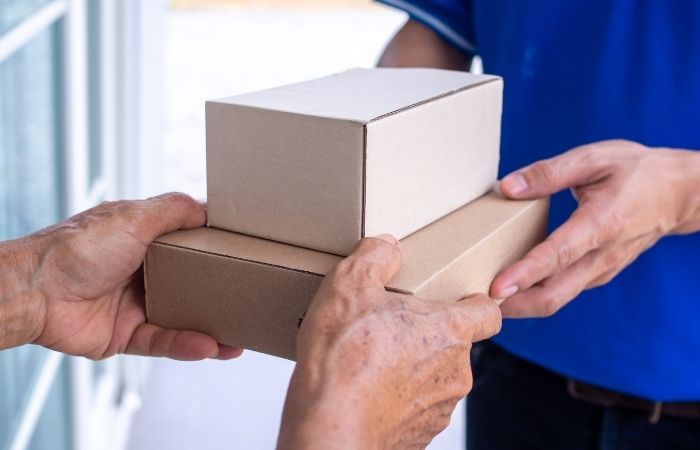
If they’re hesitant or don’t have access to a clinic, there’s an easy alternative. Order a discreet chlamydia test kit here and have it shipped directly to them. No awkward appointments. No waiting rooms. Just answers.
Let’s Talk About Emotions, Not Just Infections
Being diagnosed with an STD can stir up shame, guilt, fear, and grief. That’s especially true if you trusted someone who didn’t disclose their status, or if you’re worried you may have passed it on unknowingly. Let’s be clear: your worth doesn’t shrink because of one diagnosis.
STDs are not a punishment. They are not a moral failing. They are infections, and they’re treatable. What matters is what you do next. Telling your partner is not just a medical responsibility, it’s an act of emotional integrity.
If you’re struggling, talk to someone. A friend, a therapist, a support forum. Processing this out loud can make it feel less like a secret and more like a step toward healing.
Testing, treatment, and talking about STDs? That’s real sexual health. That’s love, even if it’s just love for yourself.
What If You Think They Gave It to You?
This is where it gets complicated. If you just found out you have chlamydia and you're in a monogamous relationship, it’s natural to wonder: “Did they cheat?” But here’s the uncomfortable truth, unless both of you were tested at the start and remained monogamous, there’s no way to know exactly when or where the infection came from.
Chlamydia can live in the body without symptoms for weeks or months. It might have been there before your current relationship. It might have come from a past partner who also didn’t know. Or yes, it might be a sign of betrayal. But don't jump to conclusions without facts.
If you're dealing with anger, betrayal, or confusion, those feelings are valid. But it’s okay to separate medical care from relationship processing. One doesn’t have to wait on the other. Get treated, disclose, and protect your health. Then decide what the diagnosis means for your relationship.
Need a reset after this kind of breach? Start with clarity. This at-home combo test kit checks for the most common STDs discreetly and helps both of you get a full picture of what’s going on.
How to Bring It Up Without Shame
Here’s a trick that helps: remove the word “confession” from your mental script. This isn’t a crime drama. You’re not admitting guilt. You’re sharing health information. That subtle shift in mindset makes a huge difference in how you deliver, and how they receive, it.
Here are a few phrasing frameworks that reduce shame and reframe the talk:
| Instead of Saying... | Try Saying... |
|---|---|
| “I’m so sorry, I should’ve known.” | “I found out I have chlamydia, and I wanted to let you know so you can take care of yourself too.” |
| “You probably think I’m gross.” | “It’s common and treatable, but it still deserves attention. I just wanted to be upfront.” |
| “This is so embarrassing...” | “This might be awkward, but I care enough to have the conversation.” |
Figure 2. Language swaps that reduce shame and encourage healthier conversations. What we say matters, but how we frame it matters more.
Being honest doesn’t mean being dramatic. It means being clear. You don’t have to fall apart in order to be taken seriously. You can be calm, kind, and firm, all at once.
Chlamydia and Trust: Can a Relationship Survive This?
Yes, many do. It depends on communication, honesty, and whether the infection is a symptom of something deeper (like cheating, secrecy, or unsafe patterns). But a chlamydia diagnosis doesn’t automatically mean the end of trust. Sometimes, it’s the start of a more honest phase in your relationship.
It might be awkward. It might stir up insecurities. But working through an STD as a couple, whether new or long-term, can actually deepen intimacy. You’ll have to talk about protection, monogamy, testing habits, and communication. Those aren’t just STD issues; they’re foundation issues.
If your partner’s response is supportive, that’s a green flag. If it’s cold, dismissive, or rageful, take note. Their reaction to your honesty tells you more about their emotional health than the diagnosis itself ever could.
And if you’re still unsure whether to tell them? That hesitation is a sign. Not a sign to hide it, but a sign to get clear on what you want, what you fear, and what kind of relationship you're in.
FAQs
- 1. Can you get chlamydia even if you used a condom?
- Yep. Condoms are super effective, but not invincible. If one slipped, tore, or didn’t cover all the parts involved (looking at you, oral sex), chlamydia can still sneak through. So no, using protection doesn’t make you reckless, it just makes you human.
- 2. Do I really have to tell them?
- If they’ve had any kind of sexual contact with you recently, then yeah, they deserve to know. You’re not doing it because you “owe” them, it’s about protecting their health and giving them a heads-up, just like you'd want someone to do for you.
- 3. How soon after sex can someone test positive?
- Most accurate results show up around 7 to 14 days after exposure. Testing too early could miss it, so if your partner tests right away, they might need to retest a bit later. Think of it as two checkpoints instead of one.
- 4. What if they ghosted me?
- That sucks. But you still have options. Use an anonymous notification tool like TellYourPartner.org to send them a message without ever texting them directly. It’s quick, discreet, and honestly, way less stressful.
- 5. Could I have had it for a long time and not known?
- Absolutely. Most people with chlamydia don’t have symptoms at all. It could’ve been sitting quietly for weeks or months. So if you’re blaming yourself or scrambling to figure out “who gave it to who,” take a breath. There’s no CSI for STDs.
- 6. Can we still have sex if we’re both positive?
- Not until you’ve both finished treatment and waited a full seven days. Otherwise, you’ll just keep passing it back and forth like a really awful love note. Get treated, wait the week, then get back to enjoying each other, with peace of mind.
- 7. What if they get mad or accuse me of cheating?
- That’s on them, not you. The facts don’t care about feelings, and chlamydia doesn’t always mean someone cheated. If you stayed honest and tested, you did your part. Their reaction says more about them than it does about your diagnosis.
- 8. Is it okay to tell someone over text?
- Totally. Especially if the idea of talking face-to-face makes your brain explode. A short, clear text can be respectful and effective: “Hey, just found out I have chlamydia. Wanted to let you know so you can get tested.” Simple, honest, done.
- 9. Should we both get tested for other STDs too?
- 100%. Chlamydia has a lot of uninvited friends. Getting a full panel test, like with a combo STD test kit, is smart for both of you. Think of it as hitting “reset” on your sexual health.
- 10. Can I still date if I have chlamydia?
- Yes. Yes. One more time for the people in the back: YES. Getting treated doesn’t put you in dating jail. If anything, being honest and proactive makes you a better partner than half the people out there pretending they’re “clean” without ever testing.
Peace of Mind Is One Test Away
If you’re navigating this moment with fear in your gut and questions swirling in your head, take this in: you’re already doing better than most. You care enough to get informed, and that means everything.
You don’t have to guess, wait, or panic. Order a discreet chlamydia test kit or combo kit today. Whether it’s for you or for your partner, testing is a turning point, not a dead end. Confidential, fast, and clear. Your answers are just a test away.
How We Sourced This Article: We combined current guidance from leading medical organizations with peer-reviewed research and lived-experience reporting to make this guide practical, compassionate, and accurate. In total, around fifteen references informed the writing; below, we’ve highlighted six of the most relevant and reader-friendly sources. Every external link in this article was checked to ensure it leads to a reputable destination and opens in a new tab, so you can verify claims without losing your place.