How to Tell Someone You Have HPV Without Ruining the Relationship
Quick Answer: Telling a partner you have HPV is best done before sexual contact begins. Many never know they have it. Condoms help, but they don’t eliminate the risk. So why is it so terrifying to tell someone?

Quick Answer: Telling a partner you have HPV is best done before sexual contact begins. Focus on facts, not fear, most HPV strains are harmless, many resolve on their own, and honest conversations can deepen trust, not destroy it.
HPV: More Common Than Your Last Breakup
Let’s start by getting something straight: if you have HPV, you’re not a rare case, you’re the rule. According to the Centers for Disease Control and Prevention (CDC), about 80% of sexually active people will contract at least one strain of HPV in their lifetime. Many never know they have it.
The virus spreads through skin-to-skin contact, which means it can pass during oral, vaginal, or anal sex, and even without full penetration. Condoms help, but they don’t eliminate the risk. And here's the kicker: HPV often causes no symptoms at all. You can test positive for it years after the exposure happened.
So why is it so terrifying to tell someone?
Because we don’t talk about it enough. We confuse “common” with “dirty.” We equate an STI with moral failure. And that internalized shame builds up until the moment you try to say it out loud, and suddenly your mouth dries up, your stomach knots, and the words feel radioactive.
But they’re not. You can say them. And we’re going to show you how.
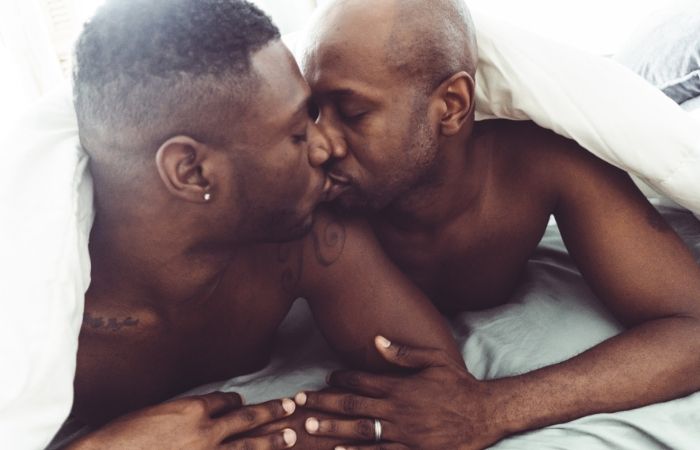
“I Thought She’d Leave. She Didn’t.”
Jordan, 31, found out he had HPV after a routine STI screening prompted by a new partner. He’d had no symptoms, no warts, nothing unusual. Still, his results showed a high-risk strain.
“I was freaking out. I was sure she’d think I was gross or cheating or careless. But when I told her, she just nodded and said, ‘Thanks for telling me. I really appreciate how direct you are.’”
That conversation didn’t end the relationship, it deepened it. Jordan says it taught him that intimacy isn’t just about bodies, it’s about honesty. “She told me later it actually made her feel safer with me. She knew I respected her enough to be real.”
This is what we mean by reframing the narrative. HPV isn’t a red flag. How you handle it is the real signal.
What You're Actually Telling Them (Hint: It's Not Just About HPV)
Let’s break down what’s really happening when you disclose:
- You’re giving them informed consent.
- You’re showing sexual responsibility.
- You’re modeling how to talk about difficult things.
It’s not just about HPV, it’s about how you treat the people you’re intimate with. And that’s hot, actually. Confidence doesn’t mean never having something to disclose. It means knowing how to own it with clarity and care.
But disclosure isn’t one-size-fits-all. So let’s get into the timing, the tone, and the language.
When Is the Right Time to Tell Someone You Have HPV?
Here’s the golden rule: before sexual contact begins. That includes genital touching, oral sex, or anything skin-to-skin in intimate areas. But that doesn’t mean it needs to be date one, hour one. You don’t owe anyone your medical file over appetizers.
Instead, choose a moment when things are building, but before the clothes come off. Some find the third date “sweet spot” useful, it gives both parties a sense of interest, but still allows space for boundary-setting. Other people prefer to talk sooner, especially if things escalate quickly.
Timing isn’t just about logistics. It’s about emotional safety, for you and for them. If you feel grounded, confident, and ready, the conversation goes smoother. If you’re panicked and rushing, it can create unnecessary tension.
But waiting until after sex? That’s when regret, blame, or feelings of betrayal can arise. Don’t put yourself in that position. Give your partner the respect of choice.
Sample Script: A Conversation That Doesn’t Derail the Moment
You don’t need a TED Talk. You need a few grounded sentences. Here’s one that’s worked for others:
“I wanted to tell you something before we get any more physical. I tested positive for HPV a while ago, it’s really common, and I’ve had no symptoms, but I believe in being honest about this stuff. I’m happy to answer questions if you have any.”
You can adjust the tone to match your vibe. More casual? “Just so you know, I’ve had HPV. It’s cleared, but I still like to bring it up.” More serious? “There’s something I want to talk about because I respect you and care about your health too.”
Don’t memorize a script. Learn the rhythm. Speak like you’re explaining something important, not apologizing for existing.
How People React, And What Those Reactions Really Mean
Let’s get one thing out of the way: you’re not responsible for someone else’s panic. You’re only responsible for being truthful, respectful, and grounded in facts. That said, knowing what you might hear, and how to stay steady, can make the HPV talk less terrifying.
Here’s a breakdown of real-life reactions and how to respond without shrinking:
| Reaction Type | What It Sounds Like | What You Can Say |
|---|---|---|
| Supportive | “Thanks for telling me. I appreciate your honesty.” | “It means a lot that you’re open-minded. I’m always happy to answer anything you want to know.” |
| Confused | “Wait, isn’t HPV the cancer one?” | “There are many types, most are harmless and go away on their own. I can share what my doctor said.” |
| Stigmatized | “So... does that mean you’re unclean?” | “Actually, most people get HPV at some point, it doesn’t mean anything about who I am or how I live.” |
| Panic | “Am I infected now?” | “Let’s talk about the actual risks, transmission isn’t guaranteed, and protection helps a lot.” |
Figure 2. Common partner reactions and balanced responses.
Not everyone is ready to hear this news with grace, and that’s not a reflection of your worth. But many are. In fact, studies show that when STI conversations are framed with confidence and care, they increase trust, not fear.
“He Ghosted Me, Then Texted a Week Later”
Sofia, 25, told a guy she’d been seeing casually that she had HPV. She texted him the info after their second date, trying to stay ahead of intimacy. He read the message and never responded.
“I felt embarrassed and rejected. I thought, ‘Well, that’s it. I ruined it.’ But a week later he texted: ‘Sorry I freaked out. I looked into it and realized I didn’t really know anything about HPV.’”
They ended up meeting again and had a calm, respectful conversation. They decided to continue dating, with full transparency. Sometimes a silence isn’t rejection, it’s reflection. Give people room, but don’t chase their understanding at the cost of your dignity.
But What If They Say No?
This one hurts, but it’s part of the truth. A partner has the right to say they’re not comfortable continuing. That doesn’t make them cruel. And it doesn’t make you broken. It makes them human, with their own fears, education gaps, and boundaries.
Still, rejection in this context often has little to do with the virus and more to do with stigma. You can respond with grace, not guilt:
“I understand. Thanks for hearing me out, and for being honest with how you feel. I wish you well.”
That’s how you leave with your self-respect intact, and remind them that being informed is better than being reactive.

Understanding Risk Without Catastrophizing
Now, let’s discuss the transmission of the disease. Transmission of the virus may occur through direct contact of the skin in the case of oral, genital, or anal contact. Not all types of the virus have the same effect. Low-risk types of the virus may lead to the growth of genital warts. Cancer of the cervix or throat may be caused by high-risk types of the virus. These types of the virus can be cleared by the body in 1-2 years.
Here’s what factors in:
- Type of strain (low-risk vs high-risk)
- Whether there are warts or symptomatology present
- Condom or dental dam use
- Vaccination Status (Gardasil 9 protects against 9 strains)
“Very few of the high-risk HPVs result in cancer,” states the American Cancer Society. “And screening helps to pick up abnormalities early. While fear may be a natural reaction to the diagnosis of abnormal Pap test results,” the expert continues to assert a point that needs to be made, “panic need not be,” since the
Prevention You Can Talk About Together
Once you disclose, you may find that the conversation opens up more than just HPV talk. You can discuss:
- Getting tested together
- Whether they’ve had the HPV vaccine
- Using condoms for a period of time
- Monitoring for symptoms or changes
This doesn’t need to be a scary, medicalized moment. In fact, couples who talk about STI prevention often report better communication, stronger sexual boundaries, and more satisfying intimacy long-term.
Think of it this way: you’re not just preventing HPV transmission, you’re modeling what a healthy, sexually mature relationship looks like. That’s powerful.
Rebuilding Intimacy After the HPV Talk
So, you've said the words. You've had the conversation. Maybe it was calm. Maybe it was messy. Either way, now you're standing on the other side of the disclosure, and asking, “Now what?”
The truth is, intimacy after a diagnosis doesn’t have to feel clinical or broken. It can actually become more connected, more mindful, and more communicative. Here’s how to navigate that space with care and confidence.
“We Made a Plan, Then Had the Best Sex We’d Ever Had”
Andre, 29, had just started seeing someone new when he tested positive for a high-risk strain of HPV during a check-up. He almost cancelled their weekend away out of fear. But instead, he told her on the phone two days before the trip.
“She was quiet, then asked if we could talk about it over dinner. We read some stuff online together. By the time we got to bed, we both felt more connected. We used condoms and talked more than we ever had. It wasn’t awkward, it was real.”
Andre’s story is a reminder: intimacy doesn’t break when truth enters the room. It gets sharper. Safer. Sometimes even sexier, because you’re both tuned in, present, and aware.
Can We Still Have Sex? (Short Answer: Yes)
Yes, you can absolutely still have sex after an HPV diagnosis. Most couples do. But how you approach it depends on communication, type of relationship, and risk comfort level. Here’s what many couples choose:
- Use condoms or dental dams consistently to reduce skin-to-skin transmission
- Avoid sex during visible outbreaks like warts (if present)
- Discuss vaccination for either or both partners (see below)
- Check in often, physically and emotionally, especially in early stages
Remember, HPV isn’t always transmissible once it clears. And if your partner has had other partners before, they may already carry a strain, even if they’ve never tested positive. You’re not introducing them to a new world, you’re just being transparent in a world that’s often quiet about STIs.
The HPV Vaccine Isn’t Just for Teens, Adults Benefit Too
It’s one of the most misunderstood tools in STI prevention: the HPV vaccine isn’t just for adolescents. The CDC recommends the Gardasil 9 vaccine for people up to age 45 in certain cases, especially those who are sexually active with new partners or haven’t completed the series.
If your partner hasn’t been vaccinated, this can be a great time to bring it up:
“One thing that came up when I got my results is that the vaccine can help protect against other strains, even for adults. If you’re open to it, maybe we could both check where we stand with that.”
This isn’t pressure, it’s partnership. You’re thinking long-term health together. That’s sexy, no matter how you slice it.
What If I Don’t Know If I Still Have It?
Another common fear: you tested positive for HPV a year ago. No symptoms. No follow-up test. Do you still need to disclose it? And what does “cleared” even mean?
Here’s what science tells us:
- Most HPV infections are cleared by the immune system within 6 to 24 months
- There’s no standard test to confirm clearance for people with penises
- People with cervixes can get follow-up Pap smears or HPV tests to monitor viral activity
If you don’t know your current status, honesty still helps:
“I tested positive for HPV a while back, and I don’t know if it’s still active. There’s no test for me to check. But I wanted to be open so you can make your own choices.”
That’s real. That’s responsible. And again, that’s attractive in ways that go deeper than perfect test results ever could.
When You Lead, They Learn
One of the most empowering parts of disclosure is what it models for the other person. You show that being informed and open doesn’t ruin a relationship, it creates one. Your comfort with sexual health helps break cycles of silence, shame, and misinformation.
Plenty of people have never had a conversation like this before. That’s not a reflection on you. It’s an opportunity to be the one who changes the story. Not just for yourself, but for everyone they date after you, too.
Whether or not things work out, your honesty becomes part of their sexual literacy. You’re doing more than just protecting your partner, you’re protecting the next one, too.

FAQs
- 1. Do I really have to tell someone I have HPV?
- Legally? Usually not. Ethically? It depends. If you’re planning any skin-to-skin contact, oral, vaginal, anal, it’s a good idea to talk about it. Think of it less like a confession and more like giving someone a heads-up before they get on a rollercoaster. Most people appreciate being looped in, even if it’s not required by law.
- 2. Can I still have a normal dating life with HPV?
- Absolutely. “Normal” is a myth anyway, but if you mean dating, flirting, sex, love, all of it? Yes. Millions of people have HPV and date just fine. The key is knowing your status, communicating like an adult, and realizing you’re not damaged goods, you’re just informed.
- 3. Will HPV ever go away?
- For a lot of people, yes. Your immune system can clear it over time, often within 6 to 24 months. Some types hang around longer, especially the high-risk ones, but even then, regular check-ups and screenings can catch changes before they become a real problem.
- 4. Do I need to tell someone if I had HPV in the past but it’s probably gone?
- That’s your call. If it’s been a couple years with no symptoms and normal follow-ups, it’s likely cleared. Some people still choose to share that info just to be extra transparent. Others don’t. You’re not being dishonest if you keep something that’s no longer medically relevant to yourself.
- 5. How do I even start this conversation without ruining the mood?
- Timing helps. So does tone. Keep it casual but clear. Try something like, “Hey, before things go further, I want to be upfront about something health-related.” Or, “I’ve had HPV, it’s super common, and I just believe in being honest.” You’re not dropping a bomb. You’re dropping knowledge.
- 6. Can I still have unprotected sex?
- That depends. Some couples decide they’re okay with the risk, especially if they’ve likely already been exposed. Others use condoms or dental dams as an extra layer of protection. There's no one-size-fits-all answer here, just open conversation and mutual consent.
- 7. What if they react badly?
- Then you’ve learned something important about their readiness for adult intimacy. A negative reaction doesn’t mean you’re gross, it often means they’ve never been taught the facts. Give them space, but don’t absorb their shame. You did the right thing by being honest.
- 8. Is it too late for the HPV vaccine?
- Probably not. Gardasil 9 is FDA-approved up to age 45. Even if you’ve had one strain, the vaccine can still protect you from others. And if your partner hasn’t gotten it yet, this might be the perfect chance to bring it up without awkwardness, it becomes a shared wellness move.
- 9. Can I get HPV again after it clears?
- Yep. There are over 100 strains. You could clear one and catch another, or even the same one again. Think of it like the cold virus: similar family, different versions. That’s why testing, protection, and vaccination still matter even after a past infection.
- 10. Can I test for HPV at home?
- Kind of. There are home kits for HPV, but most are designed for people with a cervix using a vaginal swab. If you have a penis, there’s no approved at-home HPV test yet. But you can test for other STDs easily with a discreet combo test kit, and then talk to your provider about anything else specific.
You Deserve Love, Not Silence
If there’s one message you carry forward from this, let it be this: HPV doesn’t make you unworthy. It makes you human. And telling someone you have it isn’t an act of shame, it’s an act of intimacy. A quiet, courageous moment where truth gets to lead the way.
You don’t have to be perfect to be loved. You don’t have to be symptom-free to be sexy. You just have to be honest, and open to connection. Whether it’s a conversation, a test, or a boundary, take it one truth at a time. You’ve got this.
How We Sourced This Article: We combined current guidance from leading medical organizations with peer-reviewed research and lived-experience reporting to make this guide practical, compassionate, and accurate. In total, around fifteen references informed the writing; below, we’ve highlighted some of the most relevant and reader-friendly sources.
Sources
CDC: Genital HPV Infection – Fact Sheet
NIH: HPV Stigma and Relationship Communication
American Cancer Society: HPV and Cancer Risk
CDC: HPV — Key Facts for Patients and Partners
CDC: About Genital HPV Infection
ASHA: HPV and Relationships — How to Talk to a Partner
London-Gynaecology: How to Tell Your Partner You Have HPV
Healthline: What to Consider When Talking to a Partner About HPV
Planned Parenthood: How to Tell Someone You Have HPV (Or Another STI)
Disclosure of Genital HPV Infection to Sexual Partners — Study (PMC 2012)
Cancer Council Australia: HPV & Sexual Partners — Disclosure Guidance