Tested Positive Without Having Sex? You’re Not Alone
Quick Answer: Yes, you can get an STD without having traditional sex. Many infections spread through oral sex, skin-to-skin contact, or shared items like toys or razors. How Is This Even Possible? Understanding “Sex” vs.
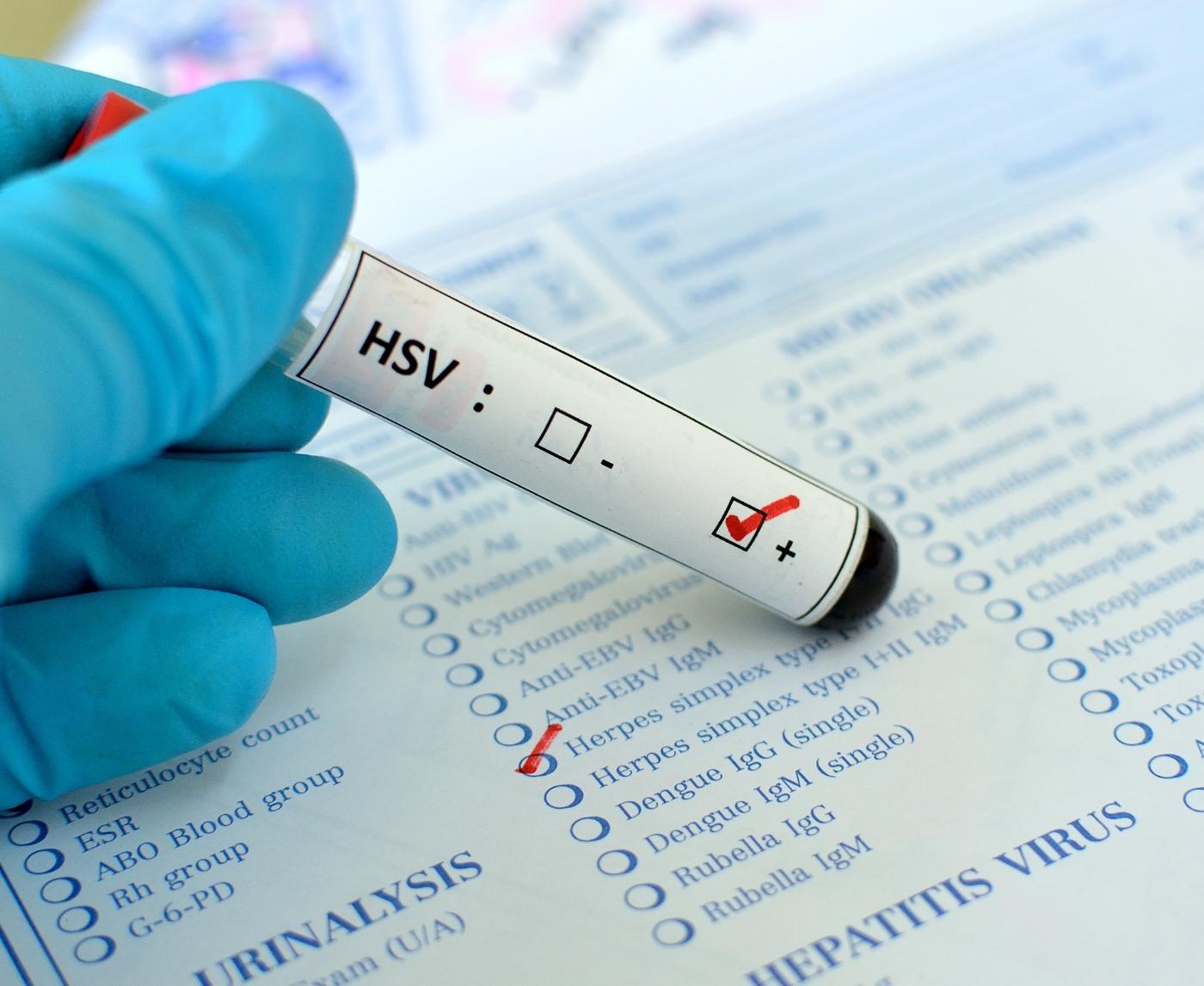
Quick Answer: Yes, you can get an STD without having traditional sex. Many infections spread through oral sex, skin-to-skin contact, or shared items like toys or razors.
How Is This Even Possible? Understanding “Sex” vs. Risk
The phrase “I’ve never had sex” means wildly different things depending on who’s saying it. For some, it means no vaginal penetration. For others, it might include oral or anal sex. But for your body, and for STDs, definitions don’t matter as much as contact does. Viruses and bacteria don’t care if something “counts” as sex. If there was skin-to-skin rubbing, unprotected oral contact, or shared fluids through touch or toys, then exposure happened.
Take herpes, for example. It’s often spread through kissing, even when no visible cold sores are present. Or HPV, some strains are passed by simply rubbing against infected skin. Gonorrhea and chlamydia? Those can be transmitted through oral sex, even if neither partner removes their underwear. This isn’t a loophole. It’s basic virology, and it explains why so many people end up blindsided by a diagnosis they never thought they’d face.
Real talk: school sex ed often fails to mention that STDs like herpes, HPV, and syphilis can spread through contact that feels minor or harmless. That’s why virginity status has never been an accurate predictor of STD risk. It’s time to stop thinking of infection as a moral failing, and start treating it like what it is: a medical event with very human causes.
Micro-Scene: "I Thought I Was Careful, Turns Out That Wasn’t Enough"
Jordan, 20, had been seeing someone for a few weeks. “We did stuff, but we never had sex,” he explained. “Mostly just made out, some over-the-clothes touching, and once we used a toy, but we cleaned it.” After an unrelated UTI, he ended up getting a full panel done through an at-home kit. The chlamydia result was positive. “I was floored. I didn’t even think that was possible.”
But it was. And it is. Bacteria like chlamydia and gonorrhea don’t always need penetrative sex to move between bodies. In some cases, fingers, saliva, or contaminated toys are enough. And since most people who carry these infections don’t have symptoms, it’s easy to pass something without knowing. What felt like “just messing around” can still be enough for exposure.
This isn’t about blame, it’s about realism. And it’s about being armed with the full picture so you can make choices that reflect actual risk, not just what your high school health teacher warned you about.

People are aslo reading: STD Symptoms in Pregnancy, When Spotting & Fatigue Don’t Feel Right
How STDs Spread Without “Sex” as You Know It
Think about it this way: STDs are infections that love moist environments and mucous membranes. Your mouth, genitals, anus, and even eyes provide entry points. So any activity that involves contact with those areas, direct or indirect, can pose a risk. Here’s where things often go sideways: people assume that if there’s no penetration, there’s no problem. But friction, fluids, and shared items can still spread infection.
| Activity | Possible STD Risk | Why It’s Risky |
|---|---|---|
| Kissing | Herpes, syphilis, CMV | Can transmit via saliva or skin contact, even without sores |
| Oral sex | Chlamydia, gonorrhea, herpes, syphilis, HPV | Exposes mouth and genitals to secretions; many infections live in the throat |
| Skin-to-skin rubbing (“dry humping”) | HPV, herpes, molluscum | Warts or lesions can shed virus even without penetration |
| Shared sex toys | Chlamydia, gonorrhea, trichomoniasis | Bacteria and parasites can remain on surfaces and transmit between users |
| Shared razors or toothbrushes | Hepatitis B, HIV (rare), herpes | Blood or saliva on blades can carry viruses if shared too soon |
Table 1. Common non-penetrative activities that can result in STD transmission, along with their biological explanations.
Even things like body waxing at unregulated salons or poorly cleaned gym equipment can pose theoretical risks if microtears in the skin are exposed to contaminated surfaces. These routes aren’t as common, but they’re not impossible.
The bottom line? If there was any fluid exchange, direct oral-genital contact, or skin friction involving genitals, there’s some degree of risk. That doesn’t mean you should panic. It means testing is a form of care, not a confession.
Why No Symptoms Doesn’t Mean No Infection
This part hurts, because it messes with our instincts. We expect sickness to feel like something. A fever, a sore, a weird smell, some kind of red flag. But many STDs don’t play by those rules. Some, like chlamydia or HPV, can live in the body for months (or even years) without causing any symptoms at all. Others might cause issues that are subtle or mistaken for something else, like razor burn, ingrown hairs, or a yeast infection.
It’s one reason why so many people find out by accident, after a routine Pap smear, a partner’s positive test, or a precautionary at-home kit. The infection didn’t come out of nowhere. It just wasn’t obvious. And that’s why being symptom-free doesn’t guarantee you’re STD-free. It’s a myth that causes real harm by lulling people into a false sense of safety.
When Claire, 24, tested positive for gonorrhea, she was in disbelief. “I didn’t feel anything. No discharge, no pain, no clue,” she told us. “And I wasn’t even having sex. Just oral. And it was months ago.” That timeline is crucial, because gonorrhea can linger in the throat without symptoms, and testing the wrong area can miss it entirely.
Don’t wait for symptoms to tell you it’s time to test. They often don’t show up. Testing is about catching the silent things before they become big things.
The “Virgin” Who Tested Positive: Why That Doesn’t Mean You’re Lying
One of the most damaging parts of getting an STD diagnosis without traditional sex is the judgment, especially from doctors, partners, or even your own internal voice. Many people are told they must be mistaken. “Maybe you forgot,” one clinician said to a Reddit user who swore they’d never had penetrative sex. Others are accused of lying or assumed to be covering something up.
This kind of response isn’t just wrong, it’s medically ignorant. Virginity is a social concept, not a scientific one. And transmission doesn’t require vaginal or anal intercourse. If you’ve engaged in oral sex, skin contact, mutual masturbation, or shared toys, that’s more than enough to explain exposure.
In a world that still equates STD diagnoses with promiscuity or irresponsibility, this kind of disbelief adds a second trauma on top of the first. That’s why it matters to say this clearly: you’re not crazy, and you’re not the exception. You’re part of a much bigger pattern that our culture still doesn’t talk about enough.
The real solution? Better sex education, better clinical training, and more honest conversations about what sex actually is, and what it’s not.
Herpes, HPV, and the Unavoidable Gray Zone
Of all the STDs you can get without “having sex,” herpes and HPV are the most misunderstood. Let’s take herpes first. You can get it from a kiss, from oral sex, from rubbing genitals, or even from sharing a towel in rare cases. If your partner has oral herpes (which over 50% of U.S. adults do, according to the CDC), they can pass it to your genitals with no warning. Many don’t even know they have it.
HPV is even harder. It spreads through skin contact, so condoms don't completely protect you. There are more than 100 strains, but only a few of them cause warts or cancer risk. Most people with HPV never show symptoms, and it often clears on its own. But in others, it lingers, and a Pap smear or high-risk test is the only way you’ll know.
| STD | Can Spread Without Penetration? | Most Common “Hidden” Route |
|---|---|---|
| Herpes (HSV-1, HSV-2) | Yes | Kissing, oral sex, genital rubbing |
| HPV | Yes | Skin contact, shared toys, oral-genital contact |
| Chlamydia | Sometimes | Oral sex, unwashed toys, fingers |
| Gonorrhea | Sometimes | Oral sex, shared fluids |
| Syphilis | Yes | Kissing, oral sex, contact with sores |
Table 2. Summary of key STDs that can be spread without penetrative intercourse, along with common transmission methods that go unnoticed.
So when someone says “But we didn’t even have sex,” it doesn’t matter. These infections are nimble, resilient, and not bound by our language. The only thing that matters is contact, and that’s why testing matters even when you think you're low-risk.
What About “Virgin” Oral Sex-Only Relationships?
This is incredibly common, especially among people in religious, conservative, or queer contexts where traditional penetration may be avoided but intimacy still happens. Oral sex is often seen as a “safe” or “less risky” alternative, but the reality is far more complicated.
Most people don’t realize that gonorrhea and chlamydia can thrive in the throat, and be passed to the genitals or anus through oral contact. And those infections may never cause symptoms in the throat, meaning someone can unknowingly pass it on even while thinking they’re being careful. In one 2022 study, over 60% of oral chlamydia cases were asymptomatic yet transmissible.
For Anna, 19, the diagnosis came after her boyfriend tested positive and insisted she must have cheated. “We were each other’s firsts, only oral, no sex. He didn’t believe me. But the doctor explained it could have come from him too. He had no symptoms either.” That story plays out far too often.
If you’re in an oral-only relationship and think you’re safe, it’s worth rethinking that assumption. Testing can help both partners move forward with confidence, not blame.

Need Peace of Mind? Home Testing Can Help
When you’re feeling confused, ashamed, or just plain scared, one of the kindest things you can do for yourself is get tested on your terms. Whether you’ve had sex or not, if there’s been intimate contact, it’s valid to want answers.
You can use STD Rapid Test Kits at home without going to a clinic. The Combo STD Home Test Kit, for instance, checks for the most common infections all at once, which is great if you're not sure which exposure counts. It's quick, private, and gives you the confidence to move forward.
Because here’s the truth: whether it’s a cold sore, a shared toy, or an ex you never had “real sex” with, your body doesn’t need permission to get infected. But it also doesn’t need shame to get better.
Still Feeling Unsure? You’re Not the Only One
Even after learning all the facts, it’s normal to feel unsettled. A diagnosis without clear “cause” can shake your sense of safety, and your trust in your own memory. But the truth is, many people contract STDs without fully understanding when or how. That doesn’t make you reckless, and it certainly doesn’t make you dirty. It just makes you human in a world that doesn’t teach the whole story.
Instead of obsessing over what counts as “sex,” try reframing the question: was there close contact, fluid sharing, or skin-to-skin intimacy? If so, there was risk. And if there’s risk, testing is simply smart, not shameful. Let’s stop treating testing like an accusation and start treating it like routine maintenance. You don’t wait for a toothache to brush your teeth. You don’t wait for STD symptoms to take control of your health.
What to Do If You Tested Positive (But Still Feel Confused)
Step one: breathe. You’re not dirty. You’re not doomed. And you didn’t mess up by not “waiting” or doing things the “right” way. STDs aren’t punishments, they’re infections, and they’re often treatable.
Next: decide what kind of test you took. If it was an at-home rapid test, it may be worth doing a confirmatory test via lab or clinic. If it was a lab-based test, and the result is clear, you can move to treatment. Most providers can walk you through options over telehealth if you don’t feel up for an in-person visit.
Third: if you’ve had partners, even ones you didn’t have sex with, consider letting them know. Use anonymous notification tools if needed. It’s not about blame; it’s about keeping everyone safer, including you. And if you feel overwhelmed by that idea, know that many people struggle with it. There’s no perfect script, only small steps toward healing.
Finally: plan to retest. Not because you’re dirty, but because retesting helps confirm clearance and prevent reinfection. Most providers recommend retesting 3–6 weeks after treatment, or sooner if symptoms reappear. If you’re not sure when to test, tools like the Window Period Calculator or Risk Checker can guide you.
You can also recheck discreetly at home, order a combo kit and take your time. Your body, your privacy, your pace.
FAQs
- 1. Can I really get an STD if I’ve never had “real sex”?
- Yeah, really. “Real sex” is a social term. STDs don’t care if it was oral, fingers, toys, or skin-to-skin grinding. If fluids, mucous membranes, or even friction were involved, it’s enough. The body doesn’t track what counts as sex. It just responds to exposure. No shame, just science.
- 2. Which STDs can spread through kissing?
- Herpes is the big one, especially HSV-1, the oral kind. But syphilis has also made a quiet comeback through make-out sessions when someone has a sore. If it feels like just kissing, and you both have cracked lips or invisible cuts? It’s not as safe as you think. Doesn’t mean don’t kiss. Just means: know the terrain.
- 3. I only did oral, how could I test positive?
- Oral sex is still sex. You can get or give things like gonorrhea, chlamydia, syphilis, herpes, and even hepatitis B through your mouth. You might not have felt anything weird, but infections love the throat. They can live there quietly, and most people never notice until they test.
- 4. But I have zero symptoms. How is that possible?
- Because STDs are sneaky like that. A lot of them don’t cause symptoms for weeks, or ever. Especially in the early stages, you can feel totally fine while carrying something. That’s why so many people find out by accident, or after a partner tests positive. It doesn’t mean you ignored your body, it means your body was quiet.
- 5. Can I get herpes from sharing a drink?
- Unlikely, but not impossible. Herpes is fragile outside the body, so a quick sip from a shared water bottle isn’t the highest-risk thing. But if there’s an active sore and you’re swapping saliva right after? Yeah, there’s some risk. It's low, but it exists, especially if your immune system’s run down.
- 6. How risky is sharing razors or towels?
- It depends. Bloodborne infections like hepatitis B or (rarely) HIV could transmit if there’s blood on a blade or scab residue in a towel and it hits a cut on you. Herpes and HPV? Possible if the item went from lesion to broken skin quickly. It's not the top transmission route, but maybe don’t share personal stuff, yeah?
- 7. Does testing positive mean someone cheated?
- Not necessarily. This one causes a lot of fights, and a lot of heartbreak. But the truth is, someone could have picked up an STD months, or even years, ago, not known it, and only find out after testing with you. Or they could’ve had it before your relationship even started. Don’t assume betrayal when biology could be the culprit.
- 8. We just used a toy, why would I still test positive?
- Because STDs don’t disappear when the action ends. If a toy isn’t cleaned between uses, bacteria and viruses can linger. Even toys used with condoms can spread infections if not handled right. It doesn’t mean you were reckless, it just means you weren’t working with the full rulebook. Now you are.
- 9. What should I say to a partner if I tested positive?
- You don’t need a perfect script. Try this: “I found out I have [X infection]. We didn’t have traditional sex, but there are other ways it spreads, and I care about your health, too.” Keep it simple, honest, and focused on safety, not shame. If talking feels too hard, services like TellYourPartner.org can send a text anonymously.
- 10. If I’m not having sex again for a while, do I still need to test?
- Yes, especially if you had any contact in the past that could have exposed you. Testing isn't just for active sex lives. It's for clarity. For closure. For making sure you’re starting clean the next time things heat up. Your timeline is valid, and testing on your own terms is power.
You Deserve Answers, Not Assumptions
If you’ve read this far, you’re probably still turning things over in your mind, trying to make sense of what happened, wondering if it’s your fault, debating whether to test again. Take this with you: infection is not a character flaw. It's biology, not betrayal.
If you're ready to take the next step, you can start from home. This at-home combo test kit screens for the most common infections with privacy and speed. You don’t need a clinic visit. You don’t need permission. Just clarity, and maybe a little peace of mind.
How We Sourced This Article: We combined current guidance from leading medical organizations with peer-reviewed research and lived-experience reporting to make this guide practical, compassionate, and accurate.
- CDC – Genital Herpes: Detailed Fact Sheet
- Planned Parenthood – Herpes Information
- NHS – Genital Herpes Overview
- About Sexually Transmitted Infections (STIs) | CDC
- About STI Risk and Oral Sex | CDC
- About Genital HPV Infection | CDC
- Sexually Transmitted Diseases (STDs/STIs) — Cleveland Clinic
- Can You Get an STD Without Having Sex? — Healthline
- Sexually Transmitted Infections (STIs) — NHS
- Sexually Transmitted Infections – StatPearls / NCBI Bookshelf