Pain After Ejaculation in Men: STD or Prostate Inflammation?
Quick Answer: Chlamydia or gonorrhea infections, prostatitis (inflammation of the prostate), urinary infections, or temporary irritation can all cause pain after ejaculation.
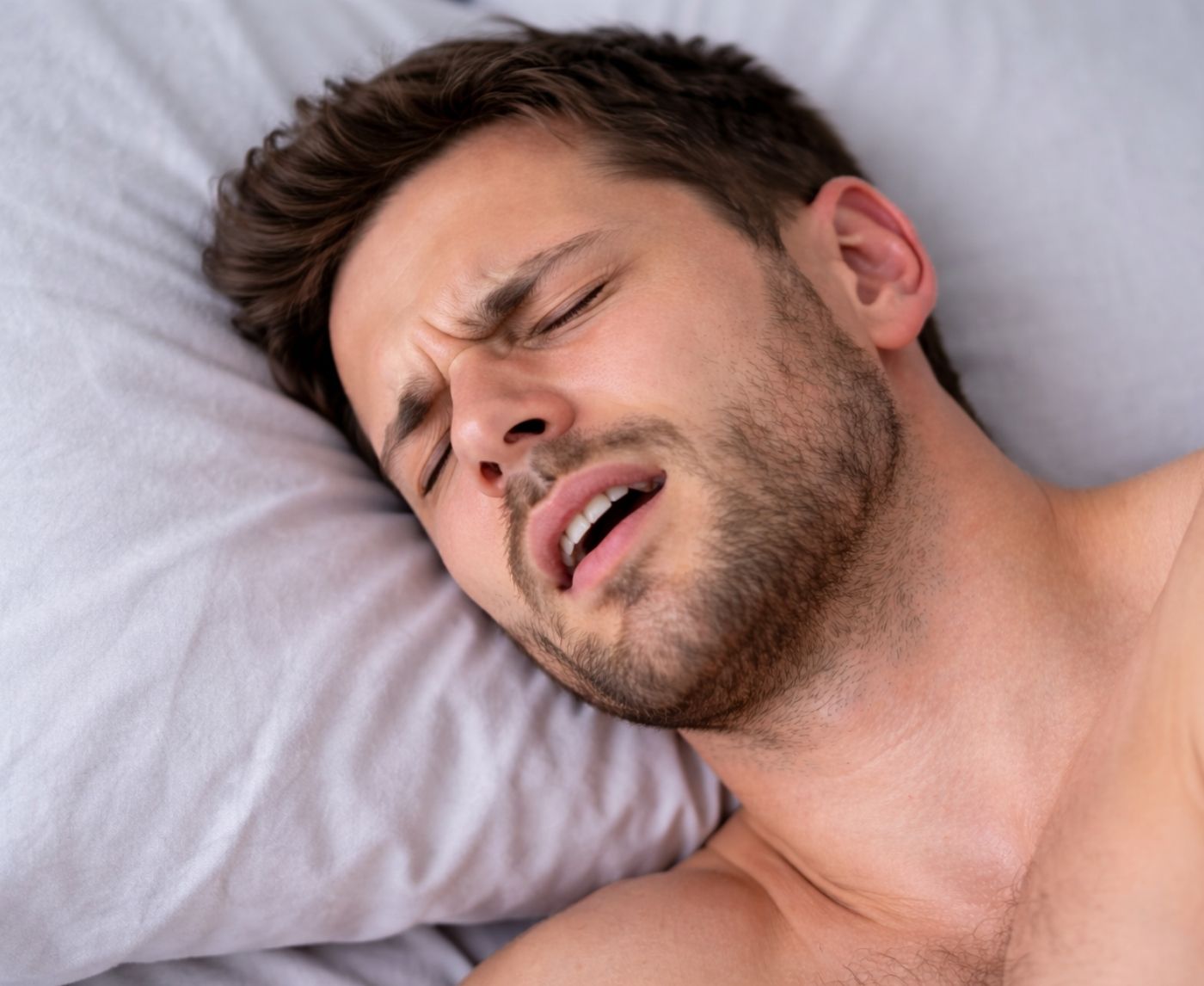
Quick Answer: Chlamydia or gonorrhea infections, prostatitis (inflammation of the prostate), urinary infections, or temporary irritation can all cause pain after ejaculation. Testing is a good idea if the pain comes back, gets worse, or is accompanied by symptoms like burning urination or pelvic pain.
When Ejaculation Hurts, Your Body Is Usually Signaling Inflammation
Ejaculation involves a surprisingly coordinated set of muscles, nerves, and glands. The prostate, seminal vesicles, pelvic muscles, and urethra all contract to move semen out of the body. When any part of that system becomes inflamed, irritated, or infected, ejaculation can turn painful.
Many men first notice it as a sharp burning sensation just as semen passes through the urethra. Others describe a deeper ache that sits behind the penis or in the lower pelvis after orgasm. Some feel a dull pressure in the testicles or perineum, the small area between the scrotum and anus.
What makes the symptom confusing is that pain after ejaculation can appear even when nothing else seems wrong. There may be no discharge, no rash, and no obvious sign of infection. That’s why many people initially assume the problem is temporary irritation rather than something that deserves testing.
But clinicians who treat sexual health see this symptom frequently. One urology resident described it simply: “Pain after ejaculation is one of those symptoms men often wait months to ask about, but it’s actually a common sign of inflammation or infection in the reproductive tract.”
That inflammation can come from several sources, but three of the most common explanations are sexually transmitted infections, prostate inflammation, and urinary tract infections.
Common Causes of Pain After Ejaculation
Not every painful ejaculation is an STD, but infections do appear on the list of possibilities. The key difference between causes is usually timing, accompanying symptoms, and how the pain feels.
| Condition | What Happens | Other Symptoms Often Seen |
|---|---|---|
| Chlamydia | Bacterial infection of the urethra that can irritate semen passage | Burning urination, mild discharge, testicular discomfort |
| Gonorrhea | More aggressive bacterial infection causing urethral inflammation | Thick discharge, burning urination, pelvic discomfort |
| Prostatitis | Inflammation or infection of the prostate gland | Pelvic pain, painful ejaculation, urinary frequency |
| UTI | Bacteria in the urinary tract causing irritation | Burning urination, urgency, lower abdominal pain |
| Pelvic muscle tension | Muscle spasms in pelvic floor muscles | Pressure after orgasm, perineal soreness |
The important point is that the body doesn’t produce pain randomly. Ejaculation moves fluid through the urethra and prostate, so inflammation in those tissues often reveals itself right at that moment.
That’s why people searching phrases like “why does it burn after I ejaculate” often end up discovering that their symptom fits the early pattern of an infection.
When an STD Is the Underlying Cause
Sexually transmitted infections don’t always look dramatic. In fact, many men with Chlamydia have symptoms so subtle that they ignore them for weeks. Pain after ejaculation can be one of those early signals.
Chlamydia infects the urethra, the tube that carries both urine and semen out of the body. When that lining becomes irritated, semen passing through it can cause a burning or stinging sensation. The discomfort may appear only during ejaculation at first, before any other symptoms develop.
Some men eventually notice additional clues: mild discharge, burning while urinating, or testicular soreness. Others experience nothing except occasional pain after orgasm.
Gonorrhea can cause the same symptom, but it usually gets worse more quickly. The bacteria make the inflammation stronger, which could make the burning feelings worse. A lot of men with gonorrhea also notice that their penis is leaking yellow or green fluid.
A sexual health nurse once explained it this way: “People expect STDs to always have obvious symptoms. In reality, many infections begin with one small change, like discomfort after ejaculation.”
If exposure occurred recently, testing is the most reliable way to rule out infection. At-home testing options like the kits available at STD Rapid Test Kits allow people to screen discreetly without waiting for a clinic appointment.
These tests use urine samples or swabs to check for infections like chlamydia and gonorrhea. They give results quickly and privately.
Prostatitis: The Overlooked Explanation
Even though STDs are often the most searched for things online, prostatitis is actually one of the most common reasons why men have painful ejaculation.
The prostate is a walnut-sized gland located just below the bladder. It produces a significant portion of the fluid found in semen. When the prostate becomes inflamed or infected, the contractions that occur during orgasm can trigger sharp or aching pain.
Some men say that prostatitis pain feels like a deep ache that spreads to the pelvis or lower back after they ejaculate. Some people feel pressure in the perineum, which is the area between the scrotum and anus.
Unlike many infections, prostatitis can develop for several reasons:
- Bacterial infection spreading from the urinary tract
- Pelvic muscle tension or nerve irritation
- Previous infections that triggered lingering inflammation
Symptoms may also include frequent urination, difficulty emptying the bladder, or a feeling of pressure in the lower abdomen. Some men only notice the discomfort during or after ejaculation.
Because the symptoms of prostatitis are similar to those of STDs, it is usually best to get tested before making any assumptions.
How Symptoms Can Help Narrow the Possibilities
Although testing provides the clearest answer, symptom patterns sometimes offer useful clues. Pain that appears alongside discharge or burning urination often points toward infection. More severe pelvic pain could be a sign of prostate inflammation.
| Symptom Pattern | Possible Explanation |
|---|---|
| Burning during ejaculation and urination | Urethral infection such as chlamydia or gonorrhea |
| Deep pelvic ache after orgasm | Prostatitis or prostate inflammation |
| Thick discharge from penis | Gonorrhea infection |
| Frequent urination with pelvic pressure | Prostatitis or urinary infection |
| Occasional mild stinging only during orgasm | Irritation or early infection |
Even with these patterns, symptoms alone cannot confirm a diagnosis. Many infections overlap in how they present.
That uncertainty is exactly why medical guidelines recommend testing whenever persistent genital symptoms appear.
The Testing Question Most People Ask
When symptoms like painful ejaculation appear, people usually search one specific question: should I get tested now, or wait to see if it goes away?
In general, persistent symptoms deserve attention. Waiting weeks to see whether burning disappears can allow infections to spread further in the reproductive tract. Infections like chlamydia and gonorrhea can travel upward and cause complications if untreated.
Testing doesn’t require an uncomfortable clinic visit anymore. Many people now use discreet at-home screening options such as the combo STD home test kit, which checks for several common infections using a simple sample.
One patient described the relief of finally testing after weeks of uncertainty: “I kept convincing myself the pain was nothing. When the test showed chlamydia, it was almost a relief, because at least I finally knew what was going on.”
The key benefit of testing is clarity. Whether the cause turns out to be an STD, prostatitis, or something minor, knowing allows you to move forward with the right treatment.
Why People Delay Getting Checked
Even when symptoms feel concerning, many men postpone testing for months. The reasons are surprisingly consistent.
Some assume pain after ejaculation must be caused by temporary irritation or rough sex. Others worry about stigma or feel embarrassed discussing symptoms involving ejaculation.
There is also a common belief that STDs always cause obvious symptoms like discharge or sores. Because painful ejaculation can appear alone, many people convince themselves that infection is unlikely.
Sexual health clinicians see the consequences of this delay regularly. A physician at a community health clinic once explained: “The majority of patients who eventually test positive for chlamydia tell us they noticed symptoms weeks earlier but hoped they would disappear.”
In most cases, early testing leads to quick treatment and resolution of symptoms.
When Pain After Ejaculation Means You Should Pay Attention
Most men experience at least one strange sexual-health symptom at some point in their lives. A sudden sting, a dull ache, a moment of discomfort that appears once and then disappears. The body is complicated, and not every symptom carries a deeper meaning.
The difference between a passing irritation and something worth investigating usually comes down to patterns. Does the pain happen repeatedly? Does it intensify over time? Does it show up alongside other subtle changes like urinary burning, pelvic pressure, or unusual discharge?
When those patterns appear, the body is often signaling inflammation somewhere in the reproductive tract.
One urologist who treats male pelvic pain described it this way: “The body doesn’t invent symptoms for fun. Pain during or after ejaculation almost always reflects irritation in the urethra, prostate, or surrounding pelvic tissues.”
That irritation may come from infection, but it can also develop through mechanical or inflammatory causes. Understanding the broader picture helps people avoid jumping to conclusions while still taking symptoms seriously.
For example, ejaculation itself involves several muscular contractions that push semen through the prostate and into the urethra. If the prostate is inflamed, even mildly, those contractions can trigger discomfort. The same is true if the urethra has become irritated by bacteria, dehydration, or friction.
Sometimes the symptom appears suddenly after a new sexual partner. Other times it follows a urinary infection or prolonged sitting that stresses the pelvic floor muscles.
Context matters. But ignoring recurring pain rarely makes it disappear.
Other Symptoms That Often Appear Alongside Painful Ejaculation
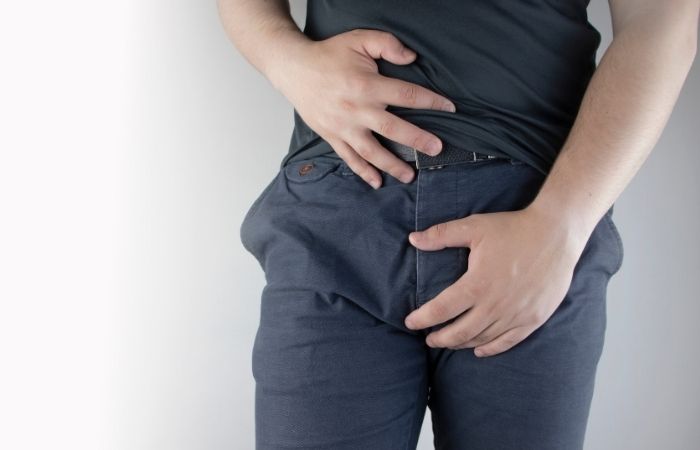
Pain during ejaculation rarely exists completely on its own. Even when the primary complaint is a burning or aching sensation during orgasm, many people later recognize that other subtle symptoms had already started appearing.
Some of these changes are easy to miss because they develop gradually. A mild burning sensation when urinating may seem insignificant at first. A little pressure in the pelvis might feel like muscle tension from sitting too long. There may only be a little bit of discharge now and then.
But when these symptoms occur together, they can form a pattern that points toward inflammation or infection.
| Symptom | What It May Suggest |
|---|---|
| Burning during urination | Urethral irritation or infection such as chlamydia or gonorrhea |
| Pelvic or perineal pressure | Prostatitis or pelvic muscle inflammation |
| Penile discharge | Bacterial infection of the urethra |
| Frequent urination | Prostate inflammation or urinary infection |
| Testicular discomfort | Inflammation spreading through reproductive structures |
These symptoms don’t always appear dramatically. In fact, many people notice them only after they start paying closer attention.
A patient once described realizing this in hindsight: “I kept thinking the burning after ejaculation was random. Then I realized I’d also been waking up to pee twice a night for weeks.”
It’s that collection of small clues that often leads clinicians toward the right diagnosis.
How Infections Travel Through the Male Reproductive System
One reason sexual-health symptoms can feel confusing is that infections rarely stay in just one place. The male reproductive tract is connected through a series of ducts and glands that allow bacteria to move upward if they are not treated.
For instance, infections like Chlamydia and Gonorrhea typically begin in the urethra. From there, bacteria can travel through the reproductive system and irritate nearby tissues.
This is why some men start with mild burning during urination and later develop testicular discomfort or pelvic pain. The infection hasn’t changed, it has simply moved deeper into the system.
The prostate gland is particularly vulnerable because it sits directly at the junction where semen enters the urethra. If bacteria reach that gland, they can trigger prostatitis, which often produces deeper pelvic pain and painful ejaculation.
Researchers studying chronic prostatitis have found that many cases begin after untreated urethral infections. In other words, what starts as mild irritation can eventually lead to more persistent inflammation if the underlying cause isn’t addressed.
That’s one of the reasons sexual-health specialists emphasize early testing. Identifying infections quickly allows treatment before inflammation spreads to additional tissues.
The Psychological Side of Sexual Health Symptoms
Physical symptoms rarely exist in isolation. When something unusual happens during sex or ejaculation, it can trigger a wave of anxiety that has little to do with the physical sensation itself.
Many people immediately wonder whether they have contracted an STD. Others worry about fertility, long-term damage, or whether the symptom signals something more serious.
It's normal to feel this way. Sexual health is about being close to someone, knowing who you are, and being open to new experiences. It's normal for the mind to jump to the worst-case scenario when the body acts differently.
But uncertainty often creates more stress than the diagnosis itself.
Sexual-health clinicians frequently observe that once patients receive clear results, whether positive or negative, the anxiety surrounding the symptom decreases dramatically.
One physician summarized it bluntly: “Most people aren’t actually afraid of the result. They’re afraid of not knowing.”
That’s why modern sexual-health strategies focus heavily on accessibility. Home testing, telehealth consultations, and discreet screening services exist specifically to remove barriers that once prevented people from seeking answers.
The faster someone can move from uncertainty to information, the easier it becomes to address both the physical and emotional aspects of the symptom.
FAQs
- 1. Is pain after ejaculation always an STD?
- No, most of the time it isn’t. Pain after ejaculation can come from several things, including prostate inflammation, irritated pelvic muscles, or a urinary infection. But because infections like Chlamydia or Gonorrhea can cause the exact same symptom, it’s smart to rule them out if the pain keeps happening.
- 2. Why does it burn right when semen comes out?
- Usually that burning sensation means the urethra, the tube semen travels through, is irritated. If bacteria from an infection are inflaming that lining, semen passing through can sting like alcohol on a paper cut. Some men only notice the burn during ejaculation long before other symptoms appear.
- 3. Can chlamydia really cause painful ejaculation?
- Yes, and it surprises a lot of people. Chlamydia often starts quietly, irritating the urethra without dramatic symptoms. A guy might only notice a mild burn after orgasm for weeks before realizing something is off.
- 4. What does prostatitis pain actually feel like?
- Most people describe it as deeper than a surface burn. It can feel like pressure or aching somewhere behind the penis, between the testicles and anus, or even in the lower pelvis. Some men say ejaculation feels normal at first and then a dull ache shows up a minute later.
- 5. Could this just be from rough sex or masturbation?
- Sometimes, yes. Friction, dehydration, or a long session can make tissues feel irritated and cause a temporary sting afterward. The difference is that irritation usually fades quickly, while infection-related pain tends to repeat or gradually worsen.
- 6. What if I have pain after ejaculation but no discharge?
- That situation is actually pretty common. Many men with Chlamydia never develop noticeable discharge at all. Pain or burning during ejaculation might be the only clue something’s going on.
- 7. Should I stop having sex if ejaculation hurts?
- It’s usually a good idea to pause for a bit. If the cause is irritation, giving your body a break helps it recover. And if an infection is involved, avoiding sex protects both you and your partner until you know what’s happening.
- 8. How quickly should I get tested?
- If the pain happens more than once or lasts for a few days, you should see a doctor. It's easy to test early, and it can stop weeks of not knowing what to do or problems caused by infections that aren't treated.
- 9. Is it possible for stress or muscle tension to cause this?
- Surprisingly, yes. The pelvic floor muscles can tighten when someone is stressed or anxious, and those muscles are heavily involved in ejaculation. When they’re tense, orgasm can trigger soreness or cramping afterward.
- 10. What’s the biggest mistake people make with this symptom?
- Waiting it out for months. People often hope the pain will disappear and avoid getting checked. The problem is that infections don’t usually resolve on their own, so the sooner you test, the sooner you can move on with peace of mind.
You Deserve Clarity, Not Guesswork
Pain after ejaculation is uncomfortable, yes. But more than that, it’s unsettling. It takes something that’s supposed to feel like release and turns it into a question mark. The goal isn’t to panic every time your body does something new. The goal is to figure out whether your body is whispering… or trying to tell you something important.
If you’ve had a recent sexual encounter and something suddenly feels different, testing is the simplest way to remove doubt. If infection is ruled out and the pain sticks around, the next step is looking at the prostate or pelvic muscles. Each step replaces anxiety with information, and that shift alone can bring a lot of relief.
Don’t sit with uncertainty longer than you need to. If infection is even a small possibility, start with a discreet screen like the Combo STD Home Test Kit. The process is private, straightforward, and fast, and knowing what’s going on almost always feels better than guessing.
How We Sourced This Article: This guide blends current clinical guidance on sexually transmitted infections and prostatitis with peer-reviewed urology research and real-world patient experience. We reviewed medical literature on urethritis, chronic pelvic pain syndrome, and STD symptom patterns to ensure accuracy while maintaining accessible language. Only reputable medical authorities and research publications informed the clinical distinctions presented here.
- Centers for Disease Control and Prevention – Chlamydia Fact Sheet
- Centers for Disease Control and Prevention – Gonorrhea Fact Sheet
- Mayo Clinic – Prostatitis Overview
- World Health Organization – Sexually Transmitted Infections Fact Sheet
- CDC – Urethritis and Cervicitis Treatment Guidelines
- Cleveland Clinic – Prostatitis