STD or Stomach Issue? What Your Belly Pain Could Really Mean
Quick Answer: STDs like chlamydia, gonorrhea, and trichomoniasis can cause abdominal or pelvic pain, even without discharge or visible symptoms. “I just assumed it was my diet,” she told us.
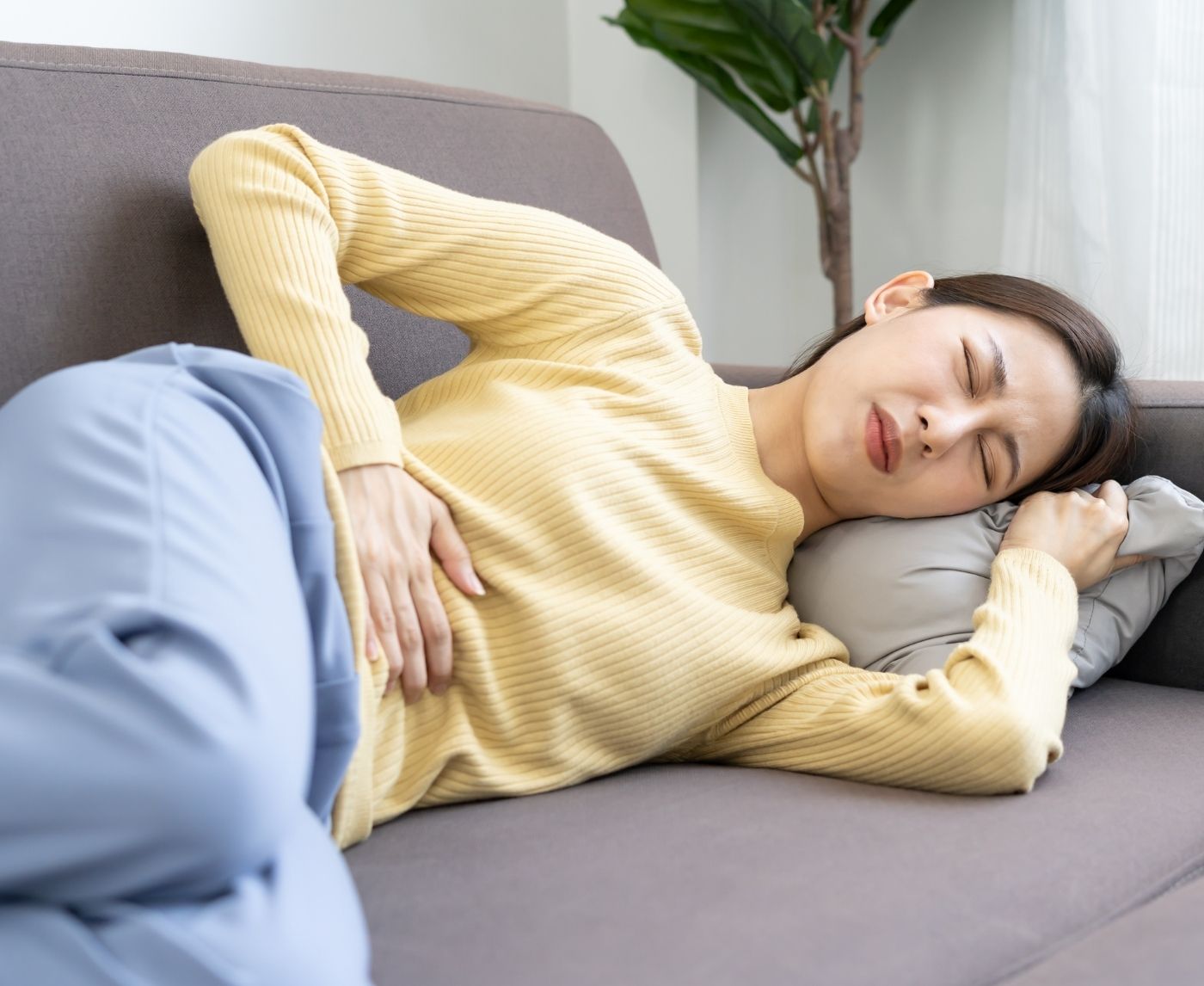
Quick Answer: STDs like chlamydia, gonorrhea, and trichomoniasis can cause abdominal or pelvic pain, even without discharge or visible symptoms. If you have unexplained belly pain, especially after sex or a new partner, testing is a smart next step.
“I Thought It Was a Stomach Bug, Turns Out It Was Chlamydia”
Tamika, 24, had been dealing with what she thought was an off-and-on stomach flu. “I just assumed it was my diet,” she told us. “Bloating, cramps, even some nausea, I chalked it up to junk food and stress.” But after a few weeks, the pain started to concentrate in her lower pelvis. “It felt like period cramps that never ended.” No fever, no discharge, no rash. Just a constant pressure in her belly.
When she finally saw a doctor, she was shocked to learn she had untreated chlamydia, and that it had developed into Pelvic Inflammatory Disease (PID). Her infection had silently spread through her reproductive organs, inflaming the tissues around her uterus and fallopian tubes.
Tamika’s story isn’t rare. Many STDs don’t follow the “classic” symptoms people expect. You might not see a sore, a bump, or any kind of genital discharge. Instead, your body gives you subtle, easy-to-miss cues, like vague stomach pain or pelvic discomfort. And when those signals show up, your gut instinct might be totally wrong.
Why STDs Can Feel Like a Gut Problem
When most people think of sexually transmitted infections, they imagine itching, burning, or an unusual smell. Belly pain? That seems unrelated, more like indigestion or a pulled muscle. But here’s the truth: many STDs impact your internal reproductive organs and the pelvic region, which sits deep in your lower abdomen. That pain can radiate outward or feel like it’s coming from your stomach.
Chlamydia and gonorrhea can spread from the cervix to the uterus, fallopian tubes, and ovaries in women and people with vaginas. This can cause inflammation, swelling, and adhesions that make pain that lasts a long time or feels like stabbing, especially during or after sex.
In men and people with penises, abdominal pain may be referred from inflammation in the urethra, prostate, or testicles. For instance, epididymitis, a condition where the tube behind the testicles becomes inflamed, often due to chlamydia, can feel like a cramp deep in the belly.
The pain doesn’t always present like a red alert. Sometimes it’s a whisper. A tug. A nagging tightness that refuses to go away.
Common STDs That Can Cause Abdominal Pain
Not every STD leads to stomach discomfort, but these infections are known to produce abdominal or pelvic pain, especially if left untreated:
| STD | How It Causes Pain | Typical Timeline |
|---|---|---|
| Chlamydia | Spreads to reproductive organs; can cause PID or epididymitis | 7–21 days post-exposure |
| Gonorrhea | Similar to chlamydia; can inflame fallopian tubes or prostate | 2–10 days post-exposure |
| Trichomoniasis | Leads to vaginal or urethral irritation, cramping, discomfort | 5–28 days post-exposure |
| Herpes | Rarely causes deep pain, but internal outbreaks may radiate | 2–12 days post-exposure |
| Pelvic Inflammatory Disease (PID) | Result of untreated STDs spreading to pelvic organs | Weeks to months after initial infection |
Table 1. STDs and their potential link to abdominal or pelvic pain. Always test after risky contact, even if symptoms are subtle or delayed.
Keep in mind, you don’t need to have all the textbook symptoms to be infected. Some people experience no discharge, no fever, no obvious genital signs. Just a dull ache they can’t quite explain.
When to Suspect It’s an STD, Not Just Cramps or IBS
Let’s be honest: most people don't immediately connect sexual health to stomach pain. You might assume it’s period-related, or that you ate too fast, or that it’s stress. But if you’ve had any new sexual partners, condomless sex, or even oral sex recently, and your belly pain doesn’t go away, STD testing should be on your radar.
So how do you know it’s not just your digestion acting up? Start by asking yourself these:
- Did the pain show up after sex, especially with a new partner?
- Does it feel deep, centralized in your pelvis or lower abdomen?
- Is there any unusual pressure during urination or sex?
- Do you feel bloated or crampy for no clear reason?
If you answered “yes” to any of the above, and especially if the pain lasts more than a few days, it’s worth checking for STDs. Many infections don’t trigger symptoms right away, and by the time abdominal discomfort shows up, the infection may have already moved deeper.
You don’t have to feel “dirty” or ashamed for suspecting an STD. This isn’t about blame, it’s about your body sending you signals. Ignoring them doesn’t make them go away.
“I Was Sure It Was a UTI, But the Test Came Back Negative”
Marco, 29, had dealt with urinary tract infections before, so when he felt a strange ache just above his groin and a little burning while peeing, he thought he knew what it was. He grabbed some cranberry pills, chugged water, and waited. But when he went to urgent care and got a clean UTI test, he was confused.
“They said everything was fine, but I still felt like something was wrong,” he said. After opening up to a nurse about a recent hookup, they offered him a full STI panel. His gonorrhea test came back positive.
“I never would’ve guessed that belly pain could be connected to an STD,” Marco admitted. “I didn’t even know guys could get symptoms like that without anything showing on the outside.”
His case was early enough to treat easily, but he realized how easy it is to misread the signs, especially if you're only thinking of discharge or sores as warning flags.
STD Testing and Timing: Why So Many People Get It Wrong
One of the most common mistakes people make is testing too early, or too late. Timing is everything when it comes to detecting STDs, especially when abdominal symptoms are the only clue. Every infection has its own incubation and window period. Incubation is how long it takes for symptoms to appear. Window period is how long you have to wait for a test to reliably detect the infection.
If you test during the window period, there’s a chance the infection won’t show up even if it’s there. That’s how some people get a false sense of security, only to develop symptoms like stomach pain days later.
| Infection | Window Period | Best Time to Test | Retest Needed? |
|---|---|---|---|
| Chlamydia | 7–14 days | 14 days post-exposure | Yes, if tested before day 14 |
| Gonorrhea | 2–7 days | 7+ days post-exposure | Yes, if early symptoms persist |
| Trichomoniasis | 5–28 days | 3–4 weeks post-exposure | Yes, if pain continues without clarity |
| PID (from untreated STD) | Weeks to months | After confirmed or suspected infection | Yes, especially if symptoms worsen |
Table 2. Testing timelines and the need for retesting depending on symptom onset and exposure risk.
So what if your belly pain started only a few days ago but you’re panicking? Take a breath. You can test now, but understand that a negative result might not mean you’re clear. If the pain continues or worsens, retest at the 2-week mark, and always treat your body’s cues seriously.
What If Your STD Test Is Negative, But You Still Have Pain?
This is a confusing situation for a lot of people. You tested, maybe even more than once. The results are negative, but your lower abdomen still hurts. Now what?
This doesn’t automatically mean the pain is in your head. Infections don’t always follow textbook timing. You could have tested too early, used a sample that wasn’t collected properly, or caught something not covered by the standard panel.
For example, most rapid STD tests check for chlamydia, gonorrhea, HIV, syphilis, and trichomoniasis. But if your symptoms are due to mycoplasma genitalium or an imbalance caused by past infections, those might not show up without specialized testing.
In cases of suspected PID, you may need imaging or a physical exam to assess internal inflammation. No one wants a pelvic exam when they’re already anxious, but the alternative is letting the issue spiral. If pain continues beyond two weeks, seek in-person follow-up even if your test was clear.
And remember: many people do both. Start with an at-home test to ease the fear, then follow up if anything feels off. No shame. No wrong moves. Just action.
Why At-Home Testing Can Be a Lifeline (But Has Limits)
Imagine this: You’re four days into sharp cramping. You’re too embarrassed to go to a clinic. You don’t want your parents, partner, or roommates to know. You want answers, but on your terms.
This is where rapid test kits shine. You can test discreetly at home, without an appointment, without small talk. For many people, that privacy makes all the difference.
At-home kits today can detect several STDs using urine, swabs, or fingerstick blood. They’re FDA-approved and used by clinics across the country. But they’re not magic. If your pain started yesterday, testing today may be too soon for results to be accurate. That doesn’t mean you shouldn’t test, it means you might need to test again in 10–14 days if symptoms persist or get worse.
Still, if your head keeps spinning, peace of mind is one test away. This at-home combo test kit checks for the most common STDs discreetly and quickly.
Think of it as a starting line, not a finish line.
“I Didn’t Even Know STDs Could Affect Your Stomach”
Julián, 33, had no idea that an STD could affect his digestion. “I felt like I had IBS, or maybe lactose intolerance,” he said. “Then I started feeling this weird pressure every time I tried to sit upright.” He had no sores. No rash. Just that belly pain. After ruling out appendicitis and a dozen Google rabbit holes, he stumbled across a Reddit thread about men and chlamydia-related pelvic pain.
“I ordered a test that night,” he said. It came back positive. His doctor told him it hadn’t spread far and could be treated with antibiotics, but if he’d waited much longer, it could’ve developed into something harder to undo.
“I felt embarrassed at first,” he said. “But honestly, I’m just glad I listened to my body.”
That’s the takeaway here. STD-related belly pain isn’t always obvious. It hides under excuses and assumptions. If something feels off, test. And if the test says you’re clear but your gut says otherwise, keep pushing for answers.
Privacy, Shipping, and What Happens After You Order
Let’s be real, one of the scariest parts of STD testing isn’t the needle or the result. It’s the fear that someone will find out. Whether you live with family, have a nosy roommate, or just need control over your personal health info, discretion matters.
That’s why at-home kits have changed the game. Orders from STD Rapid Test Kits arrive in plain packaging with no branding, no STD references, and no surprises. Inside, you’ll find clear instructions and everything you need to collect your sample privately. Results are delivered securely, nobody sees them but you.
If you live remotely, you can plan around shipping times. If you're traveling, you can test before or after your trip. These kits are designed for people who move through life fast but still want to protect themselves and their partners.
And if you do test positive? You’ll get next steps, including guidance on retesting, treatment, and how to tell your partners. Which brings us to the next big question…
What If I Test Positive, And I’m the Only One With Symptoms?
This moment hits hard. You feel like the outlier. The one with symptoms. The one who caught something. Maybe your partner swears they’re clean. Maybe you’re not even sure who it came from. That spiral can turn quickly into panic or shame, but let’s stop that train here.
The truth is, STDs don’t always show up at the same time in everyone. Your partner could be asymptomatic or early in the window period. It doesn’t mean anyone “cheated” or did something wrong. It just means biology is messy and timing is tricky.
Your job now isn’t to point fingers, it’s to protect yourself and communicate clearly. If you're nervous about telling someone, use language that centers your care, not their guilt. Something like: “Hey, I tested positive for chlamydia. You might want to get checked too, just in case.”
You don’t need to explain every detail. You don’t need to have all the answers. You just need to take the first step. If they care about you, or themselves, they’ll listen.
FAQs
- 1. Can an STD really just feel like belly pain?
- Yes, and it throws people off all the time. You might expect itching, a rash, or discharge, but infections like chlamydia and gonorrhea can quietly inflame your reproductive organs. That inflammation can cause pressure, cramping, or sharp pelvic pain that feels more like food poisoning or bad period cramps. One reader thought it was spicy ramen. It was trich.
- 2. I had a stomachache, got tested, and the results were negative. Now what?
- First off, good on you for testing. If symptoms continue, don’t stop there. You might’ve tested during the window period when results aren’t accurate yet. Or you might be dealing with a different infection not included in standard kits (like mycoplasma genitalium). Bottom line: If your body’s still waving a red flag, trust it. Retesting or seeing a provider could give you answers.
- 3. Do guys really get belly pain from STDs?
- Absolutely. It’s just under-discussed. Infections like gonorrhea can cause inflammation in the testicles, prostate, or urethra, which can radiate up into the lower belly. Some describe it as a weird pulling sensation or an ache they can’t quite place. It’s not always dramatic, but it’s your cue to pay attention.
- 4. Is it possible to have chlamydia and not know it for months?
- Oh yeah. Chlamydia is sneaky like that. Many people carry it with zero symptoms, or with signs so vague (like bloating or light cramps) that they chalk it up to diet, stress, or hormones. That’s why it spreads so easily, and why regular testing matters, especially after new partners.
- 5. Can I get an STD even if we only did oral?
- Yup. STDs like gonorrhea, herpes, and even chlamydia can pass through oral sex. Belly pain after oral-only contact is less common, but not impossible. If something feels off afterward, especially if it lingers, it’s worth testing.
- 6. I thought it was a UTI, but it wasn’t. Could it be an STD?
- That’s a classic case. The overlap between UTI and STD symptoms is real: burning, urgency, pelvic pain. But if your urine test is clean and the pain sticks around, STDs are the next thing to rule out. Extra tip: STDs can sometimes cause UTIs by messing up the natural defenses of your urethra.
- 7. Do at-home STD tests actually work?
- Yes, but only if you use it correctly and at the right time. Modern home kits use the same technology as clinics do, such as NAAT for chlamydia and gonorrhea. If you test too soon after being exposed, you might have to test again. Also, not every kit tests for every STD, so make sure to look at what's included before you buy.
- 8. Is it TMI to ask a partner to test too?
- Not at all. In fact, it’s protective, for both of you. Try framing it as mutual care, not accusation. Something like: “I’m testing to be safe, want to do it together?” That one sentence has saved countless relationships and helped catch silent infections early.
- 9. If I test positive, do I have to tell my past partners?
- Legally, it depends where you live. Ethically, it’s the right move, especially if it’s something they might unknowingly pass on. If talking is too hard, there are anonymous partner notification tools out there. Think of it as a ripple of harm reduction, not a confession.
- 10. How long should I wait before I retest?
- Depends on the STD. For most, 2 weeks post-exposure is the sweet spot for accuracy. But if symptoms persist or you tested early, retest again around the 4-week mark. If you were treated, wait at least 3 weeks before checking for clearance, earlier than that and you might pick up leftover DNA from a dead bug.
You Deserve Answers, Not Assumptions
Maybe you’re sitting on the edge of your bed right now, wondering why your stomach keeps twisting like this. You’ve ruled out bad food. You’ve waited out your period. You’ve popped antacids, googled IBS, and even second-guessed your own intuition. But here’s the hard truth most people don’t tell you: STDs don’t always scream. Sometimes, they whisper from deep inside your belly.
This isn’t about guilt. It’s about knowledge. Testing gives you clarity, not just about your body, but about what comes next. Whether it’s a simple antibiotic course or a deeper health conversation, you deserve the right to know what’s going on.
Don't put it off and wonder; get the answers you need. This home test kit quickly and privately checks for the most common STDs.
How We Sourced This Article: We combined current guidance from leading medical organizations with peer-reviewed research and lived-experience reporting to make this guide practical, compassionate, and accurate.
- About Pelvic Inflammatory Disease (PID) – CDC
- About Sexually Transmitted Infections – CDC
- STD Symptoms – Mayo Clinic
- Chlamydia – StatPearls (NCBI Bookshelf)
- Sexually Transmitted Infections – StatPearls (NCBI Bookshelf)
- About Trichomoniasis – CDC
- Sexually Transmitted Infections : Belly Pain as Symptom – MedlinePlus
- Gonorrhea: Symptoms & Complications – Mayo Clinic