STDs That Used to Kill: What Changed in Modern Medicine
Quick Answer: STDs that used to kill, like syphilis and early HIV, are now largely treatable or manageable thanks to antibiotics, antivirals, and early testing. Just patterns, guesses, and a lot of fear.
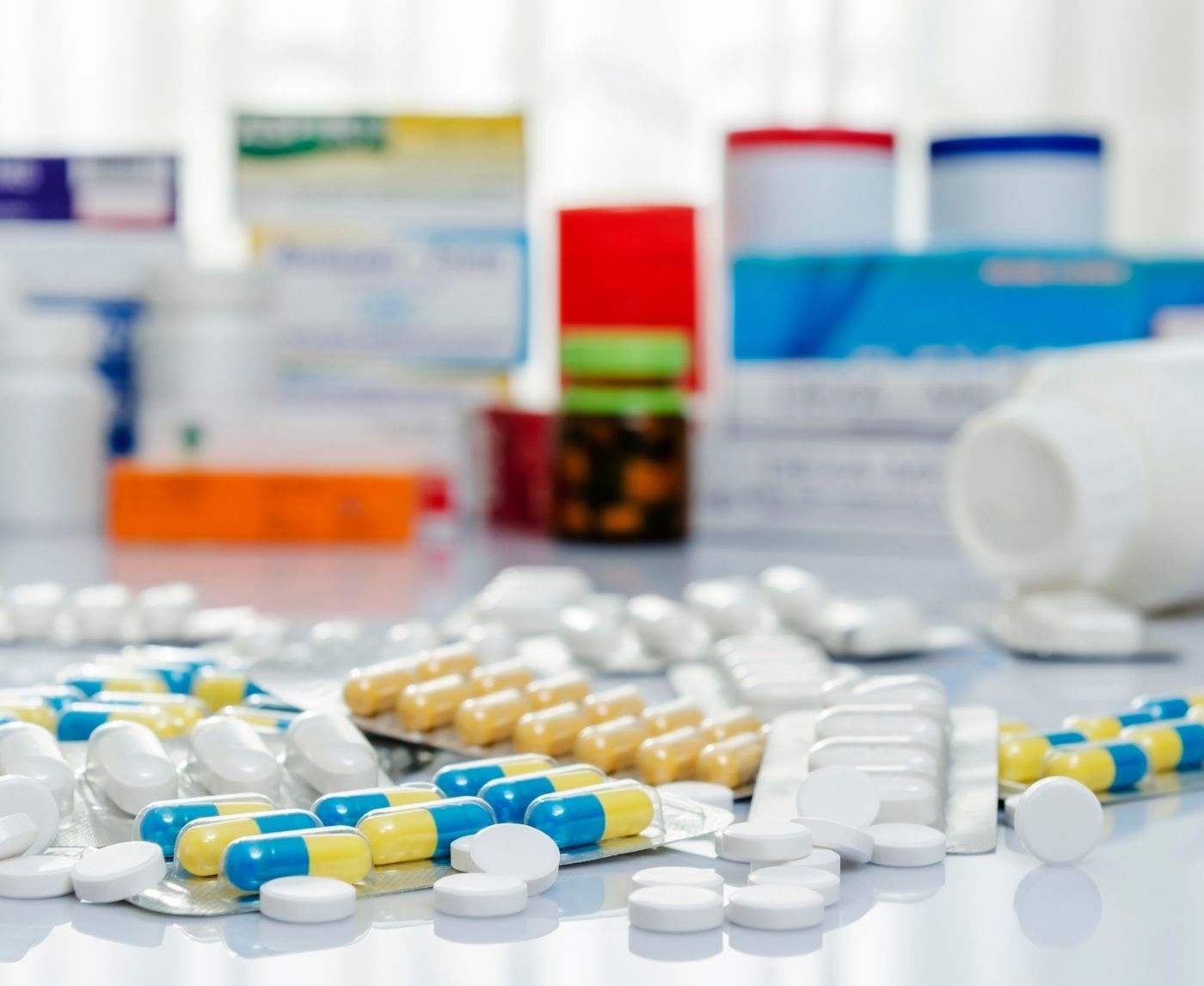
Quick Answer: STDs that used to kill, like syphilis and early HIV, are now largely treatable or manageable thanks to antibiotics, antivirals, and early testing. The biggest risk today isn’t the infection itself, it’s not knowing you have it.
When an Infection Meant a Slow, Uncertain Ending
It’s hard to imagine now, but there was a time when doctors couldn’t clearly explain why someone was getting sicker after a sexual encounter. There were no lab tests, no clear timelines, and no reliable treatments. Just patterns, guesses, and a lot of fear.
One physician in the late 1800s described watching patients “fade in stages,” unsure why their symptoms kept evolving. First came sores, then rashes, then neurological symptoms that didn’t seem connected, until they were. By the time the pattern was recognized, it was often too late.
“It didn’t feel serious at first,” one historical account reads. “Then my memory started slipping. Then my legs stopped working the way they used to.”
This wasn’t rare. It was the reality of untreated syphilis, one of the most feared infections in medical history.
The Infections That Once Terrified Entire Generations
Some STDs were especially dangerous, not just because of what they did to the body, but because of how quietly they progressed. Many people didn’t feel symptoms right away. And when they did, the symptoms didn’t always seem connected to an infection.
Below is a simplified look at some of the most dangerous STDs in history and what made them so deadly before treatment existed.
| STD | What Made It Dangerous | Common Outcome (Untreated) |
|---|---|---|
| Syphilis | Multi-stage disease affecting brain and organs | Paralysis, insanity, death |
| Gonorrhea | Spread internally without treatment | Infertility, systemic infection |
| HIV (early epidemic) | Destroyed immune system | Opportunistic infections, death |
| Chlamydia | Often silent but damaging | Pelvic inflammatory disease, infertility |
Notice a pattern? Many of these infections weren’t immediately deadly. They were slow. Quiet. Easy to ignore. That’s exactly what made them dangerous.
Syphilis: The Disease That Changed Everything
If one STD defined the phrase “slow burn,” it was syphilis. It didn’t just infect, it evolved. It adapted. And it often fooled both patients and doctors.
In its early stage, it might show up as a painless sore. No itching. No burning. Easy to miss. Then it disappears, which made people think it was gone.
But it wasn’t gone. It was spreading.
Months or years later, symptoms came back in completely different ways: rashes, fatigue, swollen lymph nodes. Still manageable. Still confusing. Then came the late stage, when the infection reached the brain, heart, and nervous system.
“By the time we understood what was happening, the damage had already been done,” one early medical journal noted.
Without treatment, late-stage syphilis could lead to:
- Neurological damage: Memory loss, personality changes
- Blindness: Damage to optic nerves
- Paralysis: Loss of motor function
- Death: Organ failure over time
This wasn’t rare, it was expected. And it continued like this until one of the biggest breakthroughs in medical history changed everything.
The Moment Medicine Finally Caught Up
Everything changed in the 1940s. Not only did penicillin improve outcomes, it changed them completely. For the first time, a bacterial STD like syphilis could be stopped before it got to the bad late stages.
Doctors went from observing decline to actively reversing it. Patients who once faced years of deterioration could now recover with timely treatment.
“It felt like we finally had control,” one physician wrote after early penicillin trials. “Like we could interrupt the story before it ended badly.”
This wasn’t just about one disease. It changed how medicine approached all infections. Diagnosis became more precise. Treatment became proactive. And most importantly, timing started to matter.
That shift is still shaping how we approach STDs today. Not just treating them, but catching them early enough that they never become dangerous in the first place.
What Used to Happen vs What Happens Now
One of the biggest differences between then and now isn’t just treatment, it’s awareness. Today, we understand how STDs move through the body, how long they take to show up, and when to test.
| Factor | Before Modern Medicine | Today |
|---|---|---|
| Diagnosis | Guesswork and visible symptoms | Accurate lab and at-home testing |
| Treatment | Limited or ineffective | Antibiotics and antivirals |
| Outcomes | Long-term damage or death | Full recovery or management |
| Awareness | Low understanding | High awareness and prevention |
So when people ask, “Can STDs still kill you?”, the answer is more nuanced than it used to be. The real danger today isn’t the existence of these infections. It’s delay. It’s uncertainty. It’s not testing.
Because even now, most serious complications come from untreated infections, not from infections themselves.
HIV: When a Diagnosis Meant Counting Time, Not Living It
Fast forward to the late 20th century, and a different kind of fear took hold. Unlike syphilis, which moved slowly over years, early HIV infections felt like a countdown. People weren’t just getting sick, they were watching entire communities disappear.
In the early 1980s, there was no clear explanation, no reliable test, and no effective treatment. People developed rare infections, rapid weight loss, and immune collapse. Doctors could describe what was happening, but not stop it.
“We didn’t even know what to call it yet,” one clinician recalled. “We just knew we were losing patients faster than we could understand why.”
At that time, an HIV diagnosis often meant progression to AIDS within years. And once the immune system was compromised, the body couldn’t fight off infections that would normally be harmless.
That’s what made it deadly, not just the virus itself, but what it allowed to happen afterward.
The Turning Point: From Fatal to Manageable
Then came antiretroviral therapy. Not overnight, not perfectly, but steadily, science caught up. What used to be a near-certain fatal diagnosis became something people could live with for decades.
Today, someone diagnosed with HIV who starts treatment early can live a long, full life. In many cases, the virus becomes undetectable, meaning it can’t even be transmitted to partners.
“I thought my life was over,” one patient shared. “Now I take one pill a day. That’s it. That’s the difference.”
This is one of the most powerful examples of how medicine didn’t just improve outcomes, it completely changed the narrative.
The Quiet Damage: STDs That Didn’t Kill, But Changed Lives
Not all STDs made the news for killing people. Some had just as big of an effect in quieter ways. Chlamydia and gonorrhea infections often didn't feel like they needed to be treated right away, but they could have long-term effects on fertility, reproductive health, and overall health.
The challenge? Many people didn’t feel anything at all.
Someone could carry an infection for months or even years without symptoms. During that time, internal damage could develop, especially in people with a uterus, where untreated infections could lead to pelvic inflammatory disease.
“I had no idea anything was wrong,” one patient explained. “I only found out when I was trying to get pregnant.”
That’s the part that still matters today. These infections haven’t disappeared. They’ve just become easier to treat, if you catch them.
Why “It Doesn’t Hurt” Has Always Been a Dangerous Assumption
There’s a pattern that shows up again and again in STD history: people assume that if something isn’t painful, it isn’t serious. That assumption has caused more long-term damage than almost anything else.
Many of the most dangerous infections, especially in their early stages, don’t cause obvious symptoms. No pain. No itching. No discharge. Just silence.
And silence is where infections spread.
This is why so many searches today look like:
- “What happens if an STD goes untreated?”
- “Can you have an STD and not know it?”
- “Why do I feel normal but still worried?”
Those questions aren’t new. People have been asking them for centuries, they just didn’t have clear answers until recently.
Where We Are Now: The Real Risk Isn’t What It Used to Be
Here’s the part that often gets lost in all the history: most STDs today are not life-threatening when they’re diagnosed early. That’s a huge shift from where things started.
But “not life-threatening” doesn’t mean “not important.”
Untreated infections can still lead to:
- Infertility: Especially from untreated chlamydia or gonorrhea
- Chronic pain: Long-term pelvic or testicular discomfort
- Increased HIV risk: Some STDs make transmission easier
- Pregnancy complications: If infections go undetected
The difference now is that these outcomes are preventable. Not by luck, but by awareness, timing, and access to testing.
Testing Changed the Timeline, And That Changes Everything
If there’s one thing that separates the past from the present, it’s this: we no longer have to wait for symptoms to tell us something is wrong.
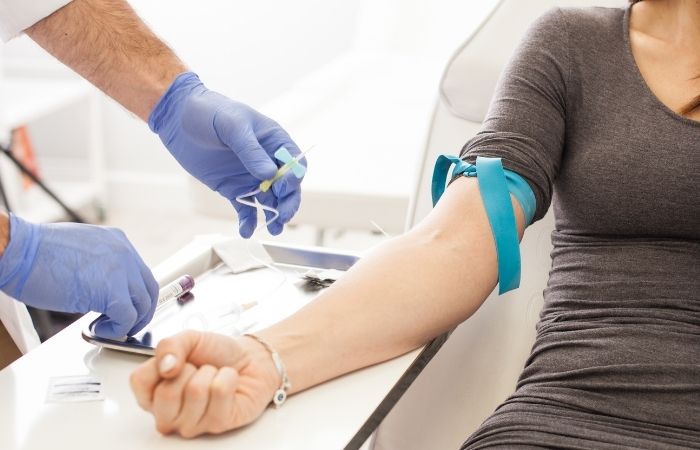
Modern testing allows you to catch infections early, often before any noticeable symptoms appear. That means treatment can happen before complications ever develop.
And now, testing doesn’t even require a clinic visit.
You can get answers privately, quickly, and on your own terms. That shift alone has changed how people approach sexual health.
Take back control of your health. You can start with a discreet, reliable option like an at-home STD testing kit designed to give clear results without the waiting room anxiety.
Because the biggest difference between then and now isn’t just medicine, it’s access.
The Pattern Hasn’t Changed, But the Outcome Has
Here’s the truth that connects the past to the present: the infections themselves haven’t changed as much as we think. Syphilis is still here. Gonorrhea is still here. HIV still exists.
What changed is what happens next.
Where people once waited, now they test. Where doctors once guessed, now they confirm. Where outcomes once spiraled, now they stabilize.
But that only works if the infection is actually caught.
“The difference between a complication and a quick fix is usually just timing,” as one clinician put it.
And timing starts with knowing.
What Actually Happens If an STD Goes Untreated Today
This is where history quietly overlaps with the present. While most STDs are no longer death sentences, the biological process hasn’t magically changed. If an infection is left untreated long enough, the body still reacts in ways that can become serious.
The difference is that today, those outcomes are avoidable. But they’re not impossible.
Take syphilis again. It still progresses in stages if untreated. The early painless sore still appears. The rash still follows. And if someone never gets tested, it can still reach the nervous system years later.
Or gonorrhea, which can move beyond the initial site of infection and spread into the bloodstream. Rare, but real. When it happens, it can affect joints, skin, and even the heart.
The pattern is the same as it’s always been: infection → silence → progression → complications.
Early Signals People Often Miss (Then and Now)
One of the biggest misconceptions is that STDs always “feel obvious.” Historically, that assumption cost people their health. Today, it still delays testing.
Some early signs are easy to overlook or misinterpret:
- Painless sores: Common with early syphilis, often dismissed
- Mild discharge: Can be mistaken for normal variation
- Light irritation: Easily blamed on friction or hygiene products
- No symptoms at all: Extremely common with chlamydia
That last one, no symptoms, is where most modern risk lives. Not in dramatic symptoms, but in the absence of them.
“I kept waiting for something to feel wrong,” one patient shared. “But nothing did. That’s why I didn’t test.”
By the time symptoms do show up, the infection may have already been present for weeks or months.
The Window Period: Why Timing Still Matters More Than People Think
Even with modern testing, there’s one piece of nuance that still trips people up: timing. Every STD has a “window period”, the time between exposure and when a test can reliably detect it.
Testing too early can lead to false reassurance. Testing at the right time gives you clarity.
| STD | Earliest Detection | Best Time to Test |
|---|---|---|
| Chlamydia | 5–7 days | 2 weeks |
| Gonorrhea | 5–7 days | 2 weeks |
| Syphilis | 2–3 weeks | 4–6 weeks |
| HIV | 10–14 days | 4–6 weeks |
This is one of the biggest differences between past and present. We don’t just test, we test at the right time. That’s what turns uncertainty into a clear answer.
The Emotional Shift: From Fear to Control
There’s another change that doesn’t show up in medical charts: how people feel about STDs. Historically, these infections carried fear because they were unpredictable and often irreversible.
Today, the fear is different. It’s less about the disease itself and more about the unknown.
Not knowing what a symptom means. Not knowing when to test. Not knowing if something was a real risk.
“It’s not the diagnosis I was afraid of,” someone once said. “It was not knowing.”
And that’s where modern tools come in, not just to treat infections, but to remove that uncertainty.
Modern Options: Private, Fast, and Designed for Real Life
One of the biggest barriers in the past wasn’t just lack of treatment, it was access. People avoided testing because it was complicated, public, or uncomfortable.
That’s changed.
Today, you can test discreetly without scheduling appointments, sitting in waiting rooms, or explaining your situation to multiple people.
If you're not sure about your symptoms, when they started, or a recent encounter, a combo STD home test kit can check for several infections at once, giving you peace of mind right away.
Don’t wait and wonder. The earlier you test, the simpler everything becomes, from treatment to peace of mind.
The Real Lesson History Teaches Us
The most important thing to remember when you look at the whole timeline, from untreated infections hundreds of years ago to modern testing today, is not fear. It's all about how you look at it.
These infections used to be dangerous because people didn’t have tools. Now we do.
They used to go unnoticed because there were no reliable ways to detect them early. Now there are.
They used to spiral because nothing interrupted them. Now, one test can.
The diseases didn’t disappear. But the outcomes changed completely.
FAQs
- 1. Can STDs actually kill you today, or is that just old history?
- It’s not just history, but it’s also not the same reality anymore. Most STDs today are completely treatable or manageable, especially when caught early. The real risk now isn’t the infection itself, it’s letting it sit undiagnosed for too long.
- 2. What was it really like to have syphilis before treatment existed?
- It was confusing, slow, and honestly terrifying. Someone might notice a small sore, then feel fine for months, then suddenly develop rashes or strange neurological symptoms years later. By the time doctors figured it out, the damage was often already too bad to fix.
- 3. Why didn’t people just get treated back then?
- They couldn't, at least not in the way we think about it now. There were treatments, but they didn't always work, were sometimes toxic, and weren't always available. People were basically just treating the symptoms and not stopping the infection because there weren't any reliable cures like penicillin yet.
- 4. Can you still have something serious without feeling anything at all?
- Yes, and that’s the part that hasn’t changed much. Infections like chlamydia can sit quietly in the body with zero symptoms while still causing internal damage. Feeling “fine” doesn’t always mean everything’s fine.
- 5. So what actually happens if you ignore an STD now?
- It doesn’t usually jump straight to something extreme, but it can build over time. Think infertility, chronic pelvic pain, or complications that show up months later when you least expect it. The longer it goes unnoticed, the more complicated it becomes.
- 6. Is HIV still as scary as it used to be?
- It’s still serious, but it’s no longer the same story. With modern treatment, people with HIV can live long, healthy lives, and many reach undetectable levels where they can’t pass it on. The fear today is more about late diagnosis than the condition itself.
- 7. How do people usually realize something might be wrong?
- Sometimes it’s obvious, but a lot of times, it’s subtle. A weird sore that doesn’t hurt. A slight change in discharge. Or honestly, just a gut feeling after a hookup that won’t go away. That “something feels off” instinct is usually worth listening to.
- 8. What if I tested too early and got a negative result?
- That happens more often than people think. Every STD has a window period, so testing too soon can miss an infection. If something still feels off, retesting after the right timeframe is the move, not panic, just better timing.
- 9. Do I really need to test if I don’t have symptoms?
- This is exactly where modern sexual health flipped the script. Most infections are caught in people who feel completely normal. Testing isn’t just about reacting, it’s about staying ahead of something you can’t feel yet.
- 10. What’s the biggest difference between then and now?
- Back then, people waited and hoped. Now, you can check, know, and handle it early. That shift, from guessing to knowing, is what turned these infections from something life-altering into something manageable.
You’re Not in That Timeline Anymore
There was a time when an infection could quietly rewrite someone’s entire future. Not overnight, but slowly, in ways people didn’t understand until it was already happening. A sore that didn’t hurt. A symptom that disappeared. A body that felt fine, until it didn’t.
That’s the part history gets wrong sometimes. It wasn’t always dramatic. It was gradual. And that’s what made it dangerous.
Now? You don’t have to wait for things to get worse to take it seriously. You don’t have to guess what a symptom means or hope it goes away on its own. If something feels off, or even if it’s just a question in the back of your mind, you can check.
Don’t wait and wonder. If there’s even a small chance of exposure, start with something simple and private like the Combo STD Home Test Kit. No clinic. No guessing. Just clarity.
How We Sourced This Article: This article combines stories from the past about medicine with current clinical advice from groups like the CDC, WHO, and Mayo Clinic, as well as peer-reviewed research on infectious diseases. We talked about how STDs got worse before treatment was available, how medical advances changed the outcomes, and what those lessons mean for people who are dealing with symptoms and getting tested today.
- Centers for Disease Control and Prevention – Syphilis Fact Sheet
- World Health Organization – Sexually Transmitted Infections Fact Sheet
- Mayo Clinic – HIV/AIDS Overview
- NHS – Sexually Transmitted Infections Overview
- Planned Parenthood – STDs and Safer Sex Overview
- NCBI – Sexually Transmitted Infections (Clinical Overview)