The STD That Looks Like Pink Eye But Isn’t
Quick Answer: STD-related eye infections, most often caused by gonorrhea or chlamydia, can mimic pink eye but may progress to serious complications if untreated. Redness? Must be allergies. Watery eye? Probably a virus.

Quick Answer: STD-related eye infections, most often caused by gonorrhea or chlamydia, can mimic pink eye but may progress to serious complications if untreated. Eye redness after sex, especially with discharge or swelling, deserves STD testing.
Red, Swollen, and Misunderstood: Why Eye STDs Are Often Missed
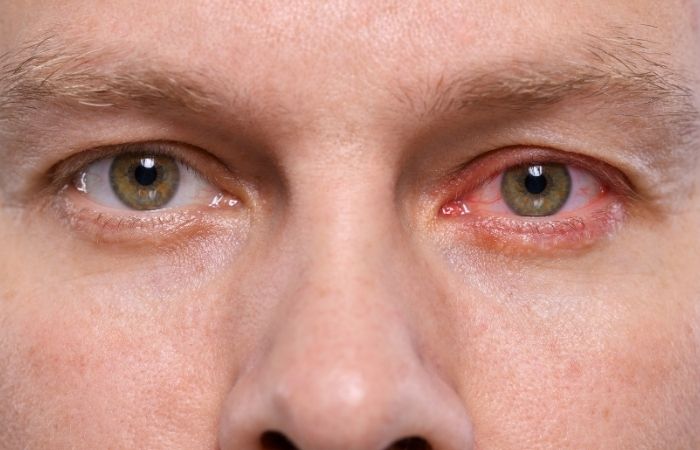
Pink eye, or conjunctivitis, is one of the most overdiagnosed conditions in walk-in clinics. Redness? Must be allergies. Watery eye? Probably a virus. But when a young adult comes in after a hookup weekend with one eye that’s painfully inflamed, sticky in the morning, and unresponsive to standard drops, doctors should pause. Because some STDs wear the perfect disguise, and the delay in recognizing them can cost you your sight.
One of the biggest culprits is chlamydia trachomatis, a bacterial infection usually passed through vaginal, anal, or oral sex. But it can also spread via fingers touching infected fluids, shared towels, or even direct ejaculation onto the face. When it reaches the eye, it causes a condition called adult inclusion conjunctivitis, different from the garden-variety pink eye caused by a cold virus.
Neisseria gonorrhoeae, the bacteria behind gonorrhea, is even more aggressive. When it infects the eye, it can trigger a cascade of immune reactions that break down the cornea’s outer layer, sometimes in just 24 to 72 hours. Untreated, it can lead to blindness. According to the CDC, gonococcal conjunctivitis is a medical emergency, and it’s more common than people think.
Both infections can produce symptoms easily mistaken for other conditions:
| Symptom | Typical Pink Eye | Chlamydia/Gonorrhea Eye Infection |
|---|---|---|
| Redness | Usually mild, both eyes | Severe, often one eye only |
| Discharge | Watery or mucous | Thick, yellow or green pus |
| Pain | Rare | Moderate to intense |
| Vision Changes | Uncommon | Blurry, light sensitivity |
| Response to Drops | Improves with time or meds | Worsens rapidly or no change |
Table 1. Key differences between typical pink eye and ocular STDs. If symptoms persist or worsen, especially with recent sexual contact, testing is critical.
How STDs Get Into Your Eyes (Yes, Really)
The idea of a sexually transmitted infection invading your eye might feel far-fetched, but the anatomy and biology say otherwise. STDs don’t need penetration to spread. All they need is access to mucous membranes, and your eyes are full of them. Here's how it happens, even without obvious exposure:
- You touch your own or your partner's fluids during sex, and then you rub your eye without thinking about it.
- Oral-to-Eye: If your partner has oral gonorrhea or chlamydia and coughs or ejaculates near your face, droplets can hit your eye.
- Bacteria can get on towels or bedding that are used right after sex.
People often think they're "safe" because they didn't have sex without protection, but these indirect exposures are still dangerous. The CDC says that neonatal conjunctivitis, which happens in newborns whose mothers are infected, is well known. However, cases in adults often go unnoticed because of stigma and assumptions made by providers.
Sex doesn’t always mean intercourse. And infection doesn’t always mean genital symptoms.
“They Treated Me for Allergies. It Was Gonorrhea.”
Raul, 27, had been dealing with a red, irritated eye for nearly a week. It had started the morning after he hooked up with someone new. They didn’t have penetrative sex, just mutual oral and some touching, but by the next day, his left eye was leaking thick yellow fluid, and the whites had turned bloodshot.
“The doctor said it was allergic conjunctivitis. Gave me drops. But it just kept getting worse. It hurt to blink. I couldn’t see clearly anymore.”
Raul returned to urgent care three days later, this time with an eye so swollen he could barely open it. A different provider took one look, ordered a swab, and sent him to the ER with suspected gonococcal conjunctivitis. By the time the lab results confirmed it, his cornea had already started breaking down. He was given IV antibiotics, and doctors told him he came within 24 hours of losing his eye.
This isn’t rare. In fact, studies suggest that ocular gonorrhea, while not common, is severely underreported because of misdiagnosis and shame. And because the infection escalates so fast, waiting for symptoms to "go away on their own" can be a dangerous gamble.
How to Get Tested When Eye Symptoms Might Be an STD
If your eye is red, painful, or oozing pus, especially after a recent hookup, you need to consider an STD as a possible cause. But most clinics don’t offer eye-specific STD testing unless you ask, and ERs often miss the connection unless symptoms are severe.
That’s where at-home STD testing comes in. While you can’t swab your eye at home (yet), you can screen for the infections most likely to cause ocular symptoms, like chlamydia, gonorrhea, and even herpes, via urine or oral swabs. These tests give you a clearer picture of what’s in your system and whether your eye symptoms might be part of a broader infection.
Here’s how it works:
| Test Type | What It Detects | Sample Needed | Best Used When |
|---|---|---|---|
| Combo STD Home Test Kit | Chlamydia, Gonorrhea, Trichomoniasis | Urine or vaginal swab | Eye symptoms + recent sexual contact |
| Oral Chlamydia/Gonorrhea Test | Throat infections | Mouth swab | After oral sex or facial exposure |
| Herpes Type 1 & 2 Rapid Test | HSV-1 (common in eye infections) | Fingerstick blood | Blisters, ulcers, or unclear symptoms |
Table 2. At-home STD tests that help assess whether eye symptoms are related to an underlying infection.
While no home test can directly diagnose eye chlamydia, these kits flag likely causes and support faster care. If positive, your doctor can treat you appropriately, or refer you to an ophthalmologist who understands STD-driven infections.
And yes, it's 100% confidential. Kits arrive in plain packaging, with no health info on the label. Results stay private. And you control when, where, and if you share them.
Whether you’re scared, confused, or just want peace of mind, testing is a first step you can take today.
Don’t sit in the dark. Order a Combo STD Home Test Kit now and get clear answers without a clinic visit.
When to Test (And Why Timing Matters More Than You Think)
Here’s the deal: testing the same day your eye turns red might feel urgent, but depending on the STD and test type, it could be too soon to detect an infection accurately. That doesn’t mean you should wait weeks either. Instead, you need to balance your emotional urgency with medical reality.
If it’s been less than 3 days since exposure
Most rapid or lab-based tests may not pick up the infection yet. But if your symptoms are worsening fast, especially swelling, pus, or pain, go to the ER. Eye infections move quickly and can do permanent damage.
Between 3–7 days
This is a good time to test for oral or genital chlamydia and gonorrhea. NAAT (nucleic acid) tests are sensitive by this point, especially in urine or swab samples. If you test now and it’s negative but symptoms persist, plan to retest in another week.
After 14 days
This is when accuracy peaks for most infections. If you’ve been scared to test or were told it was “just pink eye” but your symptoms remain, this is the window for action.
“I tested on day 4 and it was negative,” one Reddit user wrote. “But my eye still looked like I’d been punched. Retested on day 10, positive for gonorrhea. I’m just glad I didn’t wait longer.”
If you’re in that gray zone between fear and decision, here’s your reminder: you don’t need to know everything before taking a step. You just need to start.
Get confidential clarity, STD Test Kits offers discreet shipping, doctor-trusted results, and peace of mind delivered to your door.
Should You Retest? Here's When It Makes Sense
Testing negative the first time doesn’t always mean you’re in the clear. STD window periods vary, especially for eye-related symptoms that might not align with a typical exposure timeline. That’s why understanding when to retest can save you from unnecessary stress, or a missed diagnosis.
If your initial test was done too early (within 3 days of exposure), and you still have symptoms, retest after day 7 or 10. Bacterial STDs like chlamydia and gonorrhea replicate fast, and diagnostic accuracy climbs sharply after the first week.
If your symptoms have changed, for example, if redness becomes pain or discharge worsens, retesting is essential even if you previously tested negative. STDs can “seed” multiple mucous membranes at different times, including the eye, throat, and genitals.
If you’ve completed treatment, some experts recommend retesting 3 weeks after completing antibiotics, especially for gonorrhea, to confirm full clearance. This isn’t always required, but if symptoms return, get checked again.
There’s no shame in retesting. Many people do it. Sometimes it’s the second test, not the first, that gives them answers they trust.
What Happens If You Test Positive?
Let’s strip away the panic for a moment. A positive result, whether for chlamydia, gonorrhea, or HSV-1, is not a moral verdict. It’s a medical situation, and a treatable one at that.
Most ocular STDs respond quickly to antibiotics or antivirals. Treatment may be oral, topical (eye drops), or both. In severe cases like gonorrheal conjunctivitis, IV antibiotics are given immediately, especially if there’s risk to the cornea.
Here’s what to do if your test comes back positive:
- Start treatment promptly – whether at home with a telehealth prescription or in-person.
- Tell your partner(s) – so they can test and treat too. It’s awkward but essential.
- Avoid touching your eyes – to prevent re-infection or spreading it to others.
- Finish all medication – even if symptoms improve quickly.
Chlamydia and gonorrhea do not cause immunity. You can get them again. Protecting yourself after treatment means understanding how transmission works, especially for non-genital exposure routes.
Herpes is a lifelong infection, but eye involvement is rare and usually responds well to antiviral meds like acyclovir or valacyclovir. Recurrences may happen, but most people regain full function and clarity.
From Panic to Relief in 72 Hours
Denise, 35, was convinced she had a chemical eye burn from an expired lash serum. The swelling started the morning after a first date that included unprotected oral sex. She wasn’t worried, until her eyelid ballooned and tears stung like acid.
“The ER doc asked if I’d had any recent sexual contact. I said yes, but it wasn’t ‘real sex.’ He ordered a swab. It was gonorrhea. I cried, not because I was ashamed, but because I’d almost lost my sight from something I never imagined could spread that way.”
Denise got antibiotics. Her symptoms cleared in 3 days. She called her date. They tested, too. The takeaway? You don’t need to wait until things get worse to take your health seriously. And being proactive doesn’t make you paranoid, it makes you powerful.
Whether it’s a pink eye that won’t quit or a gut feeling that something’s off, STD Test Kits gives you a fast, discreet way to find out what’s really going on. Your health. Your pace. Your decision.
FAQs
- 1. Can you really get an STD in your eye?
- Yes, and it surprises almost everyone. Your eyes are lined with mucous membranes, just like genitals, which makes them vulnerable. If someone with chlamydia or gonorrhea ejaculates near your face, or if you touch infected fluids and then rub your eye (yep, it happens), the bacteria can get in. It doesn’t take “crazy” sex, just biology doing its thing.
- 2. Wait...so is pink eye sometimes an STD?
- In rare cases, yes. Most pink eye is viral or allergic, sure, but if you’ve had recent sexual contact and one eye suddenly swells, oozes thick yellow discharge, or doesn’t respond to drops, that’s a red flag. Think of it like this: if pink eye shows up after a hookup, it deserves a second look.
- 3. How fast can an STD hurt your vision?
- Gonorrhea is especially aggressive. There are documented cases where it began melting corneal tissue in under 72 hours. That’s not fearmongering, it’s medical urgency. If your eye hurts, leaks pus, or swells shut, don’t wait. Get seen, and get tested.
- 4. I didn’t have intercourse, just oral. Could that still be it?
- 100%. STDs can live in the throat, and oral-to-eye transmission happens. Picture this: oral sex, hand wipes face, fingers touch eye. Boom, exposure. It's not about being reckless. It's about understanding how easily bacteria move between warm, wet surfaces.
- 5. I took an at-home test, but it was negative. Now what?
- First: check how many days passed since exposure. If you tested too early (within 3–5 days), the infection might not have registered yet. If symptoms are still present, especially if they're worsening, retest after a week. A negative test isn’t always the end of the story.
- 6. Are there at-home tests for eye STDs specifically?
- Not directly for the eye, no. But here’s the workaround: test for chlamydia and gonorrhea via urine or oral swabs. These are the bugs most likely causing trouble. If you’re positive, your doctor can treat your eye accordingly. At-home kits help fill in the blanks when providers miss the bigger picture.
- 7. What does STD-related eye infection actually look like?
- Think beyond redness. We’re talking swollen lids, thick pus (not just watery discharge), eye pain, and blurred vision. Usually, it’s one eye. Sometimes it feels gritty or light-sensitive. If it doesn’t feel like your usual pink eye, trust that instinct.
- 8. Can I pass it to someone else?
- You can. If you have a bacterial eye STD and rub your eye, then touch shared towels, sheets, or someone else's face, it can spread. This stuff is more contagious than people think. Good hygiene and treatment shut it down fast.
- 9. Is it permanent? Will my eye go back to normal?
- Yes, if it’s caught early, absolutely. Antibiotics or antivirals will generally do the trick in no time. Of course, if you don’t seek treatment right away, particularly in the case of gonorrhea, there can be complications involving scarring or vision changes.
- 10. I'm embarrassed. Do I have to tell anyone?
- Only if you want to or if you receive a positive test result and you have a sex partner who could be in danger. However, remember this: Seeking help is nothing to be ashamed of. It’s something to be proud of. You are taking steps to protect yourself as well as others.
You Deserve Answers, Not Assumptions
If your eye is red, painful, and not responding to typical treatment, don’t settle for being told it’s “just pink eye.” Trust your instincts. You know your body. And if something feels off after a sexual encounter, it might not be your imagination.
Sexually transmitted eye infections are real. They’re rare, but dangerous. And most importantly, they’re treatable, if caught early. Don’t wait and wonder. This at-home combo test kit checks for the most common STDs discreetly and quickly. You can test, treat, and heal, without shame.
How We Sourced This Article: We combined current guidance from leading medical organizations with peer-reviewed research and lived-experience reporting to make this guide practical, compassionate, and accurate. In total, around fifteen references informed the writing; below, we’ve highlighted some of the most relevant and reader-friendly sources.