How Long Can Chlamydia Stay in Your Body Without Symptoms?
Quick Answer: Chlamydia can stay in your body for months or even years without symptoms. If untreated, it doesn’t go away on its own and can lead to complications. Testing is the only way to know if it’s still there.

Quick Answer: Chlamydia can stay in your body for months or even years without symptoms. If untreated, it doesn’t go away on its own and can lead to complications. Testing is the only way to know if it’s still there.
When You Feel Fine, But Chlamydia Is Still There
Chlamydia is one of the most common STDs in the world, especially because so many people never know they have it. Studies show that up to 70% of infected women and 50% of men have no symptoms at all. That means you can carry it, pass it on, and even develop complications without a single warning sign from your body.
Let’s say you hooked up a few months ago. No condom, but it was quick, and things felt normal afterward. You didn’t notice anything strange, no burning, no spotting, no odor. Weeks passed. Life moved on. But then a new partner wanted to get tested together, and that’s when it happened. Your test came back positive. The truth? You might have been infected that whole time, and passed it without knowing.
This isn’t rare. It’s not shameful. It’s biology. Chlamydia can stay “silent” in the body while still causing damage in the background. The longer it stays untreated, the more likely it can spread to your reproductive organs, increasing the risk of infertility, pelvic inflammatory disease, or even epididymitis in people with penises.

The Timeline: How Long Chlamydia Can Stay in Your System
There’s no one-size-fits-all answer, but here’s what we do know about how chlamydia behaves if it’s left untreated and symptom-free:
| Stage | Time Range | What Happens |
|---|---|---|
| Incubation period | 1 to 3 weeks | Chlamydia begins multiplying in the body; most people feel no symptoms yet |
| Silent infection | 3 weeks to several months | Infection can remain undetected, no symptoms show, but still contagious |
| Chronic untreated phase | 6+ months to years | Can spread to uterus, fallopian tubes, or testes; leads to complications |
Table 1. The stages of asymptomatic chlamydia infection and potential outcomes.
The bottom line? Chlamydia doesn’t just “go away” if you ignore it. It often stays active until treated, and even then, some people may still test positive for a short time after treatment due to residual DNA in the body.
Can Chlamydia Really Stay in Your Body for Years?
Yes, and that’s what makes it so dangerous. There are documented cases of chlamydia persisting silently for a year or more without triggering any noticeable symptoms. This is especially common in people with cervixes, where the infection can move upward into the reproductive tract.
One case involved a college student, Marissa, who tested positive during a routine screening after nearly 18 months without any symptoms. She had one partner the year before, had used condoms “most of the time,” and felt completely fine. She only tested as a precaution before starting birth control. Her provider told her the infection had likely been there for over a year.
This is why regular testing matters. You can’t feel chlamydia in the body the way you can feel a cold or flu. And it doesn’t make itself known until it causes long-term harm, unless you catch it early.
Order a discreet chlamydia rapid test kit if you’re unsure. Testing from home takes minutes, and offers clarity without the clinic wait.
Why Some People Still Test Positive After Treatment
This is where things get confusing. You took the meds. You did everything right. But the test still says positive. Why?
First, a positive result after treatment doesn’t always mean the infection is still active. NAAT and PCR tests detect bacterial DNA, which can remain in your body for weeks after the bacteria have been killed off. This is called a “residual positive,” and it’s not dangerous, but it’s emotionally stressful if you don’t know what’s going on.
Second, if you had unprotected sex again soon after treatment, or your partner didn’t get treated too, then reinfection is very possible. Chlamydia is easy to clear with antibiotics, but also easy to catch again if one partner still carries it.
Here’s what most doctors recommend:
- Don’t retest until at least 3 weeks after treatment, to avoid false positives.
- Use protection consistently until all partners have been tested and treated.
- Retest at 3 months to ensure the infection is gone and didn’t come back.
If you’re still testing positive after proper treatment and safe practices, talk to a healthcare provider about confirmatory testing or antibiotic resistance testing.
Can Chlamydia Be Dormant? Or Just Undetectable?
There’s a common myth that chlamydia goes dormant, like herpes or HIV, and then reactivates later. That’s not entirely true. Chlamydia doesn’t lie in wait in the same way. What it does do is remain undiagnosed and undetected for long periods, especially when the immune system doesn’t react strongly enough to cause symptoms.
What people call “dormant chlamydia” is really just a silent, untreated infection. The bacteria continue replicating at low levels, often without triggering inflammation that would make someone feel ill. But under the radar, the infection can still travel, into the uterus, fallopian tubes, or prostate, where it does real damage.
What makes this even more complicated is test timing. If you test too early, within the first 5 days of exposure, some tests may return a false negative. The infection hasn’t replicated enough to be picked up yet. That’s why retesting after the window period matters so much.
False negatives ≠ “dormant chlamydia.” It simply means the test couldn’t detect it yet. If you suspect exposure, and your first test is negative but symptoms develop later (or a partner tests positive), you should test again.
When to Retest (Even If You Feel Fine)
Because chlamydia symptoms are so unreliable, your retesting plan should never be based on how you feel. Instead, it should follow a few evidence-based guidelines from sources like the CDC and WHO.
Here’s when to consider retesting:
| Situation | Recommended Retest Timing |
|---|---|
| 3 weeks after treatment | Only if symptoms persist or test results remain unclear |
| 3 months after treatment | CDC recommends this for all patients to rule out reinfection |
| After new partner or condomless sex | Retest 2 weeks after the new exposure, then again at 3 months |
| Before starting PrEP or fertility care | Even without symptoms, screen proactively to protect long-term health |
Table 2. CDC-aligned retesting recommendations for common exposure and recovery scenarios.
If you’re in any of these situations, retesting gives you peace of mind, and protects your partner(s) from passing it back and forth unknowingly.
Need a no-hassle test you can take from home? This rapid chlamydia test is designed for private, fast results, no lab lines or awkward small talk.
Do Antibiotics Make Chlamydia Go Away for Good?
Yes, when taken correctly, the standard antibiotic regimens for chlamydia are highly effective. Most people are prescribed either:
- Doxycycline: 100mg twice a day for 7 days (first-line treatment)
- Azithromycin: 1g single dose (less common now due to resistance)
But here's the catch: you have to follow the directions exactly, stay away from sex for at least seven days after taking it, and make sure all partners get treated. Not taking your medicine on time, stopping early, or having sex again too soon can make it less effective and raise your risk of getting sick again.
Antibiotics also can't fix the damage that chlamydia may have already done. That's why it's important to get tested early, even if you feel fine. Once the bacteria get to sensitive tissues, they can leave scars or cause inflammation in areas that are important for sexual function and fertility, even after the infection is gone.
A study published in JAMA in 2023 found that getting antibiotics within 30 days of being exposed to the disease cut long-term problems by more than 60%. But for people who waited to get tested because they didn't have any symptoms, that benefit dropped by half.
This isn’t about shame, it’s about protecting your future health with facts, not fear.
"I Had No Symptoms, But I Still Gave It to My Partner"
Jordan, 28, never thought much about STDs. He’d been in a monogamous relationship for a year, and before that, hookups had always been casual but careful. Then his partner tested positive for chlamydia after a routine gynecology exam.
“I was stunned. She said she hadn’t been with anyone else, and neither had I. I felt totally normal. I didn’t even think it could be me.”
He tested positive too. No symptoms. No signs. Just a silent infection that had likely been there for months. It was a brutal emotional hit, but it sparked something deeper: a new understanding of how STDs don’t always “look” like anything at all. Jordan now gets tested every 3 months, no matter what.
This story isn’t rare. It’s real. And it’s a reminder that if you’re sexually active, especially with multiple or new partners, you can carry and transmit chlamydia even when you feel totally healthy.
Return to STD Test Kits to explore discreet testing options if you’re feeling unsure. A few minutes now could save you (and someone you care about) from a long road of complications.
How Soon After Exposure Can Chlamydia Be Detected?
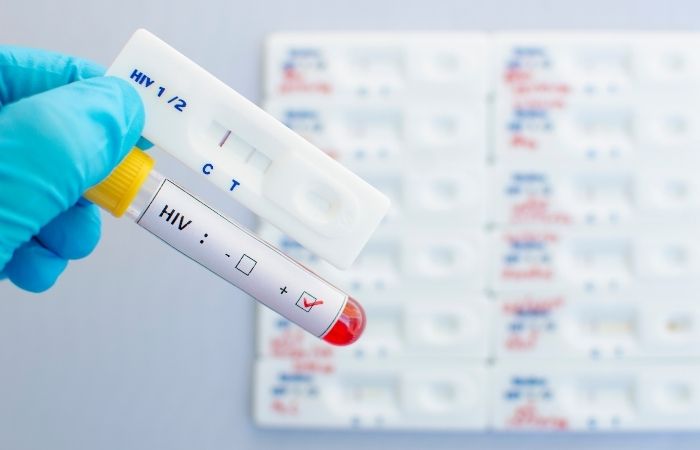
One of the most common (and confusing) questions we get is, "How soon after having sex can I test for chlamydia?" The answer isn't as quick as most people want it to be. If you test too soon, especially within the first 5 to 7 days, you might get a false negative, even if you already have the virus.
That's because chlamydia needs time to multiply in the body before there is enough bacterial DNA to make a positive result. This time frame is called the incubation period. At this point, the infection is there and could be contagious, but tests might not be able to find it yet.
Most experts say you should wait at least 7 days after being around someone who might have had the virus before taking a test. However, the test becomes much more accurate after 14 days. Here's a simple way to break it down:
| Time Since Exposure | Testing Guidance |
|---|---|
| 0–5 days | Too early, test may miss infection, even if present |
| 6–13 days | Possible to detect, but retest at day 21 for confirmation |
| 14+ days | Optimal testing window, high accuracy for NAAT tests |
Figure 3. Testing accuracy based on time since potential exposure.
If you’re in that early gray zone but feeling anxious, you can still test now, and just plan a follow-up test later. Many people choose this two-step approach for peace of mind.
Try this combo STD test kit if you want to screen for multiple infections with one discreet delivery.
Partner Testing: Why It Matters (Even If You’re Symptom-Free)
When you test positive for chlamydia but never felt symptoms, it’s easy to think: “Maybe this isn’t serious.” But your partner, or past partners, may not be so lucky. And they may have passed it back to you without realizing.
Testing your partners is just as important as treating yourself. Otherwise, you risk what public health experts call a “ping-pong effect”, the infection keeps bouncing back and forth between two people, even after treatment.
Here’s what to do if you test positive:
- Notify all recent partners from the past 60 days, even if you haven’t seen them in a while.
- Encourage them to get tested and treated, remind them chlamydia is curable, and they may not feel symptoms either.
- Wait 7 full days after completing treatment before having sex again, with any partner.
Don’t want to have that conversation directly? Many clinics and public health departments offer anonymous notification services, like TellYourPartner.org, that let you send a message without revealing your identity.
For your next partner? Consider testing together. It’s easier to normalize when it’s mutual, and it opens the door to real conversations about care, consent, and safety.
Can You Still Spread Chlamydia Without Symptoms?
Yes. That’s the heart of this entire issue.
Whether or not you feel it, chlamydia is still transmissible through oral, vaginal, or anal sex. And it only takes one exposure. Semen isn’t required; skin-to-skin or fluid contact is often enough.
In fact, studies show that asymptomatic people are responsible for the majority of new chlamydia cases, simply because they don’t know they have it. That's why the CDC recommends yearly screening for all sexually active women under 25, and for others at higher risk based on partner number or history.
Let this be your reminder: no symptoms doesn’t mean no risk. Regular testing is self-respect, not just for your own health, but for your partners and community.
Discreet, at-home testing kits remove shame and stress from the equation. If you're nervous about going to a clinic or unsure what kind of test to order, STD Test Kits can walk you through it, no judgment, no pressure.
Privacy, Shipping, and What Testing From Home Actually Looks Like
You don’t have to go to a clinic to get tested. And you definitely don’t have to explain your sex life to a stranger to get peace of mind. Today’s at-home chlamydia tests are discreet, accurate, and surprisingly easy to use.
Here’s what to expect when you order from a reputable provider like STD Rapid Test Kits:
- Packages arrive in plain, unmarked envelopes, no logos, no labels
- You collect a urine sample or swab, depending on the test
- Most results are available within 10–15 minutes (for rapid) or 1–3 days (for lab mail-in)
- No insurance billing, completely private and out-of-pocket
Whether you're traveling, in a rural area, or just want to avoid a waiting room, testing from home gives you autonomy. And in a world where most people don’t realize they’re infected, that power to test early can change everything.
FAQs
- 1. Can chlamydia really just hang out in your body with zero symptoms?
- Yes, and it’s sneakier than most people realize. You could be carrying chlamydia for weeks, or even months, without a single sign. No weird smells. No burning. Nothing. It’s one of the main reasons this infection spreads so easily: people feel fine, so they don’t test. But silent doesn’t mean safe.
- 2. If I don’t treat it, does chlamydia eventually go away?
- Unfortunately, no. This isn’t like a cold that clears on its own. Left untreated, chlamydia keeps doing damage quietly, especially in your reproductive system. You might not feel it now, but it could affect fertility or cause chronic pain later. Best move? Test and treat. Fast.
- 3. I took antibiotics, why am I still testing positive?
- Totally valid question. Here’s the deal: even after the bacteria are gone, fragments of their DNA can hang around in your system for a bit. So if you test too soon (within 3 weeks), it might still show up as positive. Doesn’t mean the meds didn’t work, it just means your test picked up leftovers.
- 4. What if I test negative, but my partner tested positive?
- You’re not off the hook yet. Testing too early after exposure can give you a false sense of security. If it’s been less than 2 weeks since your last unprotected hookup, wait a few days and retest. Better to double-check than assume you’re good to go.
- 5. I have zero symptoms. Do I really need to retest?
- Yup. No symptoms ≠ no risk. The CDC recommends retesting 3 months after treatment to catch reinfection, especially if your partner didn’t get treated or you’ve had new partners. This isn’t paranoia, it’s prevention.
- 6. Can I give chlamydia to someone even while I’m on antibiotics?
- Yes. You’re still contagious until you finish your full course and wait at least 7 days after the last dose. Don’t rush back into bed just because the pills are in your system, give your body time to fully clear it.
- 7. How do I know if I gave it to someone?
- Honestly? You might not. There’s no alarm bell. If you tested positive, it’s safest to let recent partners know. It doesn’t mean you’re dirty, it means you’re responsible. A simple “Hey, I tested positive and wanted to give you a heads up so you can get tested too” goes a long way.
- 8. Can I catch chlamydia again after treatment?
- Yes. You remain contagious until your whole treatment and then there is a 7-day waiting period after the last dose. Don’t be in a hurry to return to the bedroom just because the medicine is out of your system. Give your body a full recovery period.
- 9. Will birth control mess with my chlamydia test?
- Nope. Hormonal birth control (like the pill, patch, or IUD) has nothing to do with chlamydia test results. You can absolutely test while on it, and you should if you’ve had new partners.
- 10. Do I need to tell every past partner?
- Not every single one ever, but the general rule is: notify anyone you’ve been with in the past 60 days. Some people go further back, just to be safe. It’s awkward, sure, but it’s also respectful, and it gives them the chance to protect themselves.
You Deserve Answers, Not Assumptions
If there’s one takeaway from this guide, it’s this: chlamydia doesn’t always announce itself. You can carry it for months, or even longer, without a single symptom. But that doesn’t mean it’s harmless. Knowing your status is how you protect yourself, your future, and your partners.
If you're unsure, overwhelmed, or just tired of guessing, take the step toward certainty. Testing doesn’t make you “promiscuous” or “bad.” It makes you informed, and protected.
Don’t wait and wonder, get the clarity you deserve. This at-home combo test kit checks for the most common STDs discreetly and quickly.
How We Sourced This Article: We combined current guidance from leading medical organizations with peer-reviewed research and lived-experience reporting to make this guide practical, compassionate, and accurate. In total, around fifteen references informed the writing; below, we’ve highlighted some of the most relevant and reader-friendly sources.