What to Do If Your Roommate Has an STD
Quick Answer: Living with a roommate who has an STD doesn’t automatically put you at risk, but you should avoid sharing razors, sex toys, or damp towels. Most STDs require direct sexual transmission.

Quick Answer: Living with a roommate who has an STD doesn’t automatically put you at risk, but you should avoid sharing razors, sex toys, or damp towels. Testing is only necessary if you’ve had sexual contact or shared certain personal items. Most STDs require direct sexual transmission.
This Isn’t a Public Health Emergency (But It Can Feel Like One)
When someone hears “I have an STD,” panic often kicks in, not because of actual exposure, but because of how little we’re taught about transmission. That panic is valid, but it’s rarely necessary. STDs like chlamydia, gonorrhea, and trichomoniasis don’t spread from sharing a couch or using the same toilet. Even herpes and HPV, which can pass via skin contact, still require intimate exposure, not just a borrowed towel tossed in the laundry.
It’s okay to feel awkward, uncertain, or even a little scared. But don’t let shame or misinformation dictate your next move. If your roommate just told you they tested positive, they probably went through something emotionally heavy just to get to that point. Responding with calm and clarity helps both of you move forward.
According to the CDC’s STD prevention guidelines, transmission through casual, non-sexual household contact is extremely rare. What matters is whether you've shared intimate objects, bodily fluids, or hygiene items that could transfer infected cells.

What Can (and Can’t) Spread STDs in a Dorm Room?
This is where things get specific. Dorms are petri dishes of shared living, but not everything you touch is a vector. Let's get into what actually matters when it comes to roommate transmission risk. This table breaks it down clearly.
| Shared Item | STD Risk | Why It Matters |
|---|---|---|
| Toilet seat | None | STDs can’t live on dry surfaces long enough to infect |
| Towels | Very low (if dry) | Moist towels might transmit trichomoniasis or herpes, but it’s rare |
| Razors | Low–Moderate | Shared razors can carry bloodborne viruses like hepatitis B, hepatitis C, or HIV |
| Sex toys | High | Unwashed sex toys are direct transmission risks for HPV, chlamydia, and gonorrhea |
| Clothes or bedding | Negligible | STDs don’t survive long on fabrics, unless fluids are fresh (e.g., wet sheets) |
| Eating utensils | None | STDs aren’t transmitted through saliva except for herpes, and only during active outbreaks |
Figure 1: Common dorm items and their real STD risk. You’re safer than you probably think.
Bottom line: unless you’ve shared a razor, had sexual contact, or used an unwashed sex toy with your roommate, your risk is virtually zero. That doesn’t mean you shouldn’t have a conversation about shared hygiene practices, but it does mean you can exhale.
Should You Get Tested Just in Case?
Let’s be clear: you don’t need to rush into testing just because your roommate tested positive for an STD. But if you’ve ever shared high-risk items, like razors, or if there’s been any form of sexual contact (including oral, shared toys, or drunken experimentation), then yes, testing is a wise move.
Testing isn’t about accusing or overreacting. It’s about clarity. And clarity, especially in college, is rare and powerful. Consider a real-world example: Jordan, 20, didn’t think twice about borrowing his roommate’s razor after a party weekend. Two weeks later, his roommate disclosed a positive result for HIV. Jordan panicked, but testing showed he was negative. Still, that moment changed how he viewed “harmless” sharing.
If you're unsure whether you should test, think about:
| Scenario | Testing Needed? | Best Time to Test |
|---|---|---|
| You’ve shared razors or nail clippers | Possibly | 6 weeks for HIV, hepatitis B, hepatitis C |
| You’ve had sex or oral contact with them | Yes | 10–14 days for chlamydia, gonorrhea; 3–6 weeks for syphilis |
| Shared sex toys (even once) | Yes | 10–14 days after exposure |
| Used shared towels or bedding | No (unless symptoms appear) | N/A, monitor but don’t panic |
| Live together with no intimate contact | No | N/A, no risk |
Figure 2: Real-life dorm scenarios and when to test. Timing matters more than fear.
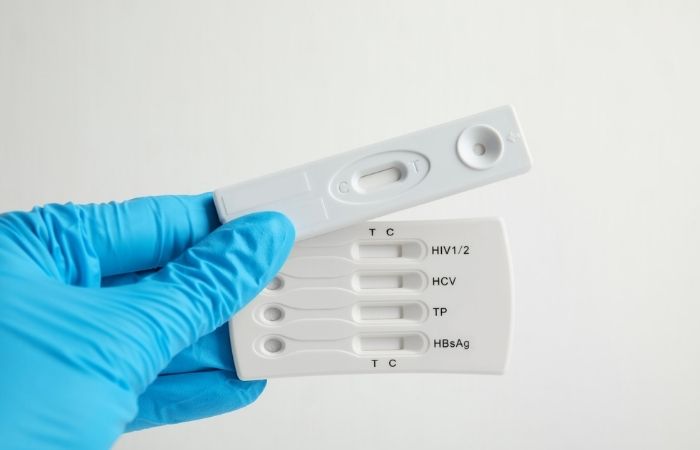
If you fall into a “yes” or “possibly” group above, consider ordering a discreet test kit from home. STD Test Kits offers options that don’t require a clinic trip, and no one has to know unless you want them to.
As one user review noted, “I tested from my dorm room while my roommate was in class. It was quick, no judgment, and I had results in minutes.” Whether you're seeking peace of mind or checking after a close call, it helps to have access to tools that respect your privacy.
How to Talk to Your Roommate (Without Making It Weird)
This might be the trickiest part, not the testing, not the research, but the actual conversation. The moment where you want to say, “Hey, thanks for telling me… but are you washing the towels before I use them?”
It’s okay to feel awkward. But shame thrives in silence, and silence leads to confusion. Here's a sample conversation frame that keeps the vibe calm and respectful:
“Hey, I appreciate you trusting me with that info. I don’t think I’m at risk, but just to be safe, can we make sure we’re not sharing razors or damp towels?”
According to Planned Parenthood’s safer sex tips, having a non-sexual roommate means you’re not obligated to disclose an STD, but it can help avoid confusion, stigma, or hygiene misunderstandings if you're open.
Support and privacy aren’t mutually exclusive. You can create both by framing the conversation as a health-neutral, mutual respect moment. Like setting rules for dishes or lights-out, except this one protects both your bodies.
What If You Start Noticing Symptoms?
This is where most of the fear kicks in. You learn your roommate has an STD, and suddenly every itch, bump, or weird twinge feels suspicious. But here’s the truth: dorm life causes all kinds of bodily weirdness, and most of it isn’t sexually transmitted.
Still, if you’re noticing any of the following, and you’ve had potential exposure (see Part 2), it’s worth checking in with your body and considering testing:
- Itching or burning while peeing
- Unusual vaginal or penile discharge
- Sores or blisters on or near the genitals or mouth
- Pelvic pain or painful sex
- Unexplained rash or swollen lymph nodes
Many STDs, including chlamydia and gonorrhea, can be totally silent, especially in people with vaginas. That’s why it’s never overreacting to test even if you’re not sure. In fact, the CDC recommends routine screening for sexually active people under 25, even if you don’t have symptoms.
How to Support a Roommate With an STD
Let’s flip this for a minute: what if it’s not about your risk at all, what if it’s about being a decent human?
Your roommate may be scared, ashamed, or spiraling. They might have googled horror stories or worried you’d want to switch rooms. One of the most powerful things you can do is keep your tone steady, your facts straight, and your judgment in check.
Here are a few phrases that hit the right tone when someone opens up to you:
“Thanks for telling me. That must have been hard.”
“Do you need help figuring out treatment or telling partners?”
“You’re still the same person to me. No big deal.”
You don’t have to be their therapist, nurse, or mother. You just have to be human. If they ask for privacy, respect it. If they ask for space, give it. If they ask for help researching treatment, we’ve got you:
Check out our breakdown on what to do after a positive test for guidance on meds, partner notification, and retesting timelines. Most STDs are treatable. Some are curable in one dose. All are manageable.
The biggest gift you can give your roommate is not making them feel like a walking threat. It takes guts to admit a diagnosis. Let your reaction be part of their healing.
Prevention Tips for Shared Dorm Life
If this experience made you rethink some of your habits, good. Not out of fear, but out of self-protection. Here’s how to reduce everyone’s stress and risk moving forward, without turning your dorm into a sterile lab:
- Never share razors, nail clippers, or tweezers. Bloodborne pathogens like HIV and hepatitis B/C can live on these surfaces.
- Wash towels regularly and avoid damp reuse. Especially during outbreaks of trichomoniasis or herpes, moisture matters.
- Don’t share sex toys, ever, unless you’re both tested and use protection.
- Wipe down shared bathroom spaces with basic disinfectant, not because STDs spread this way, but to set a culture of cleanliness.
And perhaps most importantly, get tested regularly. Use services that are discreet, student-friendly, and stigma-free.
FAQs
- 1. Can I get an STD from using the same toilet as my roommate?
- Nope. That myth's older than your dorm carpet. STDs don’t survive on dry, hard surfaces like toilet seats. You’re not catching chlamydia from a quick pee break, promise.
- 2. My roommate has herpes. Should I be scared to share dishes or snacks?
- Only if they’re in the middle of a cold sore outbreak and licking your fork (don’t do that). Oral herpes can spread through active sores and direct saliva, but casual eating? You’re safe.
- 3. We both used the same razor. Should I freak out?
- Take a breath. If there was blood involved, and it was recent, there’s a low but real risk for HIV, hepatitis B, or hepatitis C. Worth testing, but no need to spiral. Just don’t share razors again. Ever.
- 4. Should I move out?
- Unless they’re smearing mystery fluids on your pillowcase, absolutely not. Having an STD doesn’t make your roommate contagious through the air. Talk it out. Set hygiene boundaries. Keep it grown.
- 5. I don’t feel sick. Do I still need to test?
- If there was zero sexual or razor/towel sharing, you’re probably fine. But if you’ve got symptoms, or anxiety is living rent-free in your head, it’s okay to test just for peace of mind. You don’t need a reason to take care of your body.
- 6. What about towels or bedding, can those pass infections?
- If they’re clean and dry, you’re good. But don’t use a damp towel someone just used on their junk. Moisture gives things like trichomoniasis a rare but possible window. Best to have your own towel game anyway.
- 7. Do I need to tell the RA or school nurse?
- Not unless your roommate's behavior is putting others in danger (which, honestly, STDs don’t usually do). Their health status is private. This isn’t contagious like COVID, it’s not your job to blow a whistle.
- 8. Can I catch something from shared clothes or a blanket?
- Highly unlikely. Unless you’re wearing each other’s underwear (uh, don’t), the chances are basically zero. STDs need body fluid or skin-to-skin contact, not cotton.
- 9. How accurate are at-home STD tests?
- When used correctly? Pretty damn accurate. Most have sensitivities in the 90%+ range. For example, the 6‑in‑1 At‑Home STD Test Kit checks for multiple infections in minutes, with lab-level results if you follow the steps.
- 10. Will my parents find out if I order a test?
- Not unless you tell them. Kits ship discreetly, no big “STD INSIDE!” label. You’re in control of what shows up, who sees it, and what happens next.
You Deserve Clarity, Not Panic
Finding out your roommate has an STD might make your stomach drop, but it doesn’t have to wreck your sense of safety. With facts, testing, and a little bit of courage, you can navigate this with compassion and calm.
Don't guess. Don’t spiral. And definitely don’t shame. Take care of yourself and your space. Get tested if needed, set some clear hygiene boundaries, and let this moment be a reminder that sexual health belongs in every room, yes, even dorms.
Your body deserves answers. Your roommate deserves dignity. You both deserve peace of mind.
How We Sourced This Article: We combined current guidance from leading medical organizations with peer-reviewed research and lived-experience reporting to make this guide practical, compassionate, and accurate. In total, around fifteen references informed the writing; below, we’ve highlighted six of the most relevant and reader-friendly sources.