Can an STD Hurt Your Baby? What to Do If You’re Pregnant and Exposed
Quick Answer: Yes, some STDs can affect a pregnancy or be passed to a baby, but most risks can be prevented with prompt testing and treatment. Catching an infection early dramatically lowers the risk.
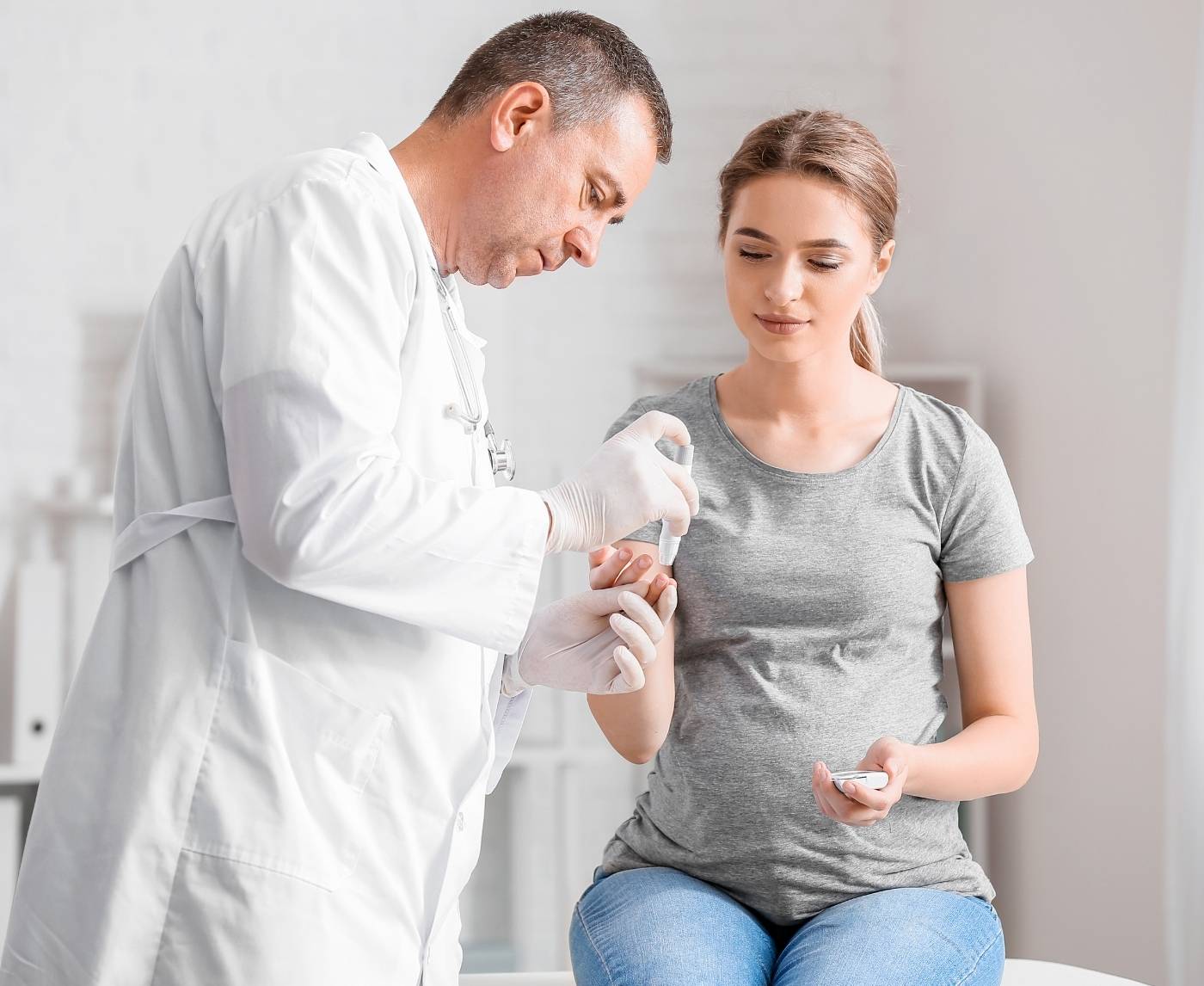
Quick Answer: Yes, some STDs can affect a pregnancy or be passed to a baby, but most risks can be prevented with prompt testing and treatment. If you think you were exposed to an STD while pregnant, the safest step is to get tested as soon as possible and follow medical guidance to protect both you and your baby.
The First Thing to Know: Panic Is Normal, But Timing Matters More
Pregnancy already turns your body into a landscape of strange symptoms, discharge changes, skin irritation, fatigue, random aches. So when the possibility of STD exposure enters the picture, it’s easy to spiral. Many people imagine worst-case scenarios immediately: miscarriage, birth complications, lifelong infection for their baby.
But obstetricians emphasize something important that rarely gets mentioned online: most pregnancy-related STD complications happen when infections go untreated for long periods. Catching an infection early dramatically lowers the risk. That’s why prenatal care routinely includes STD screening in the first trimester and sometimes again later in pregnancy.
Dr. Elena Navarro, an obstetric infectious-disease specialist, explains it bluntly: “We worry about undiagnosed infections far more than diagnosed ones. When we know what we’re dealing with, we can treat it.”
In other words, the real danger usually isn’t exposure itself, it’s uncertainty and delay.
If you suspect a recent exposure and can’t get to a clinic right away, some people choose to start with discreet home testing. A medical-grade option like the Combo STD Home Test Kit can check for several common infections quickly while you arrange follow-up care. It’s not a replacement for prenatal care, but it can shorten the anxious waiting period.
And if you’re feeling embarrassed or ashamed about the situation, you’re far from alone. One patient described it this way:
“I kept thinking, how could I let this happen while pregnant? But my doctor said she sees this all the time. That was the moment I finally exhaled.”
Which STDs Can Affect a Pregnancy? The Ones Doctors Watch Closely
Not every sexually transmitted infection carries the same level of risk during pregnancy. Some are mainly a concern for the mother’s health. Others can potentially be passed to the baby during pregnancy or birth if untreated.
The table below summarizes the infections most commonly discussed during prenatal screening.
| STD | Possible Pregnancy Risks | Treatable During Pregnancy? |
|---|---|---|
| Chlamydia | Premature birth, newborn eye or lung infection | Yes – antibiotics are commonly used |
| Gonorrhea | Early delivery, infection in newborn eyes | Yes – treated with pregnancy-safe antibiotics |
| Syphilis | Miscarriage, stillbirth, congenital infection | Yes – penicillin treatment is highly effective |
| Herpes (HSV) | Possible transmission during vaginal birth if active outbreak | Managed with antiviral medication |
| HIV | Transmission during pregnancy or delivery if untreated | Yes – modern therapy greatly reduces transmission |
Seeing those possibilities written out can be scary. But there’s another side to the story that rarely gets equal attention: modern treatment is extremely effective.
For example, when syphilis is caught early in pregnancy and treated properly, the chance of passing it to a baby drops dramatically. With HIV, antiviral treatment has reduced mother-to-baby transmission rates to extremely low levels in many healthcare systems.
And infections like chlamydia and gonorrhea are often cleared with a short course of antibiotics.
That’s why prenatal screening exists in the first place. Doctors aren’t assuming something is wrong, they’re making sure nothing slips through the cracks.
How Doctors Actually Protect Babies From STD Transmission
Once a possible exposure is identified, the focus shifts quickly from fear to logistics. Most of the time, healthcare providers take a step-by-step approach to lower the risk for both the pregnant woman and the baby.
Here’s what that process usually looks like.
| Step | Why It Matters |
|---|---|
| Testing | Identifies infections early so treatment can start quickly |
| Safe Treatment | Most bacterial STDs can be treated with pregnancy-safe antibiotics |
| Follow-Up Testing | Confirms infection is cleared and prevents reinfection |
| Delivery Planning | Some infections may have an impact on delivery choices. |
Take herpes as an example. Many pregnant people already carry HSV without realizing it. If an outbreak occurs near delivery, doctors may recommend antiviral medication or sometimes a cesarean birth to reduce the chance of transmission.
With bacterial infections, treatment usually happens long before delivery becomes an issue. That’s why testing timing matters. Early detection leaves plenty of room for treatment before labor.
As one obstetric nurse explained:
“The biggest relief for patients is realizing there’s a plan. Once we identify the infection, the path forward becomes very clear.”
If you’re waiting for an appointment and the uncertainty is overwhelming, even a preliminary screening at home can give you faster information. Some people start with discreet options through STD Rapid Test Kits while coordinating care with their OB-GYN.
Signs That Should Prompt Testing During Pregnancy
One frustrating reality of sexually transmitted infections is that many produce no symptoms at all. That’s particularly true for infections like chlamydia or gonorrhea.
Still, there are some changes doctors encourage pregnant patients to take seriously.
Unusual discharge that smells different than usual can sometimes indicate infection. Burning during urination, unexplained pelvic pain, sores around the genitals, or persistent itching can also be clues. None of these symptoms automatically mean an STD, but they’re worth discussing with a healthcare provider.
Then there are situations where testing is recommended even if you feel completely fine.
For example:
- A partner tells you they tested positive for an infection
- You learn about a partner’s outside sexual contact
- You had unprotected sex with someone whose status is unknown
- You experience a new genital sore or rash
One expectant parent named Jordan described noticing a symptom that seemed minor at first:
“I thought the discharge change was just pregnancy hormones. My doctor suggested testing anyway, and it turned out to be chlamydia. The antibiotics cleared it quickly, and my baby was completely fine.”
Stories like that highlight something important: symptoms can be confusing during pregnancy. Testing removes the guesswork.
What Actually Happens If a Test Comes Back Positive
A positive result during pregnancy can feel overwhelming. But the response from healthcare providers is usually practical and calm.
The first step is confirming the diagnosis. Sometimes that means repeating a test in a laboratory setting. After that, the type of infection will determine the treatment plan.
When pregnant women get bacterial infections like chlamydia, gonorrhea, or syphilis, doctors usually give them antibiotics that are safe to take. People with viral infections like HIV or herpes usually get antiviral medicine and have regular check-ins to make sure everything stays under control.
The next step is to not get sick again. This could mean testing and treating partners, not having sex until treatment is over, and testing again later in the pregnancy to make sure everything is clear.
It’s also worth remembering that doctors have extensive protocols for protecting newborns if an infection is present at delivery. Eye treatments for newborns, antiviral precautions, and delivery planning are all part of standard obstetric care.
In other words, a diagnosis isn’t the end of the story, it’s the beginning of a care plan.
When Exposure Happens: The Practical Steps That Protect Your Pregnancy
The moment you think you may have been exposed to an STD during pregnancy, your mind tends to jump straight to worst-case scenarios. Miscarriage. Infection. Something irreversible. But the way doctors approach this situation is much more grounded and methodical.
Exposure alone doesn’t determine the outcome of a pregnancy. What matters far more is what happens in the days and weeks afterward. Testing, treatment, and follow-up care create a buffer between an infection and the baby developing inside you.
Obstetric providers follow a surprisingly practical framework when possible exposure is reported. The goal isn’t to panic or treat everything aggressively. The goal is to identify real risks and eliminate them before they ever reach the baby.
“Most of the time, we’re dealing with infections that are very treatable,” explains maternal-fetal specialist Dr. Andrea Molina. “The biggest difference between a complication and a healthy pregnancy is whether we catch it early.”
If you suspect exposure, the following steps are usually where the conversation begins.
| Step | What It Means | Why It Helps Protect the Baby |
|---|---|---|
| Initial Testing | Screening for common infections like chlamydia, gonorrhea, syphilis, and HIV | Early detection allows treatment long before delivery |
| Treatment if Positive | Antibiotics or antivirals chosen specifically for pregnancy safety | Reduces or eliminates infection before it can reach the baby |
| Partner Testing | Testing or treating sexual partners | Prevents reinfection later in pregnancy |
| Follow-Up Screening | Repeat tests weeks later depending on the infection | Confirms treatment worked and pregnancy remains protected |
This process is routine in prenatal care. It’s not unusual, and it’s not a sign that something has gone terribly wrong. It’s simply how doctors stay ahead of infections that could otherwise remain hidden.
And hidden infections are more common than people expect. Studies consistently show that a large percentage of people carrying infections like chlamydia or gonorrhea have no symptoms at all.
That means many pregnant patients only discover an infection during routine screening, not because something felt wrong.
Why Some STDs Are More Concerning During Pregnancy
One of the most confusing parts of STD exposure during pregnancy is that the risks vary widely depending on the infection involved. Some infections mainly affect the parent’s health but rarely reach the baby. Others can cross the placenta or be transmitted during delivery if untreated.
That's why prenatal screening looks for certain infections that are known to change the outcome of a pregnancy.
Syphilis, for example, is taken extremely seriously during pregnancy because the bacteria can cross the placenta. Without treatment, it can cause severe complications. But with prompt penicillin treatment, the infection is highly manageable and the risk to the baby drops dramatically.
Chlamydia and gonorrhea are different. They usually don’t cross the placenta, but they can be passed to the baby during birth if untreated. That’s why they’re screened early and treated well before delivery.
Herpes presents yet another scenario. The main concern is active lesions during labor. If an outbreak occurs close to delivery, doctors may recommend antiviral medication or sometimes a cesarean birth to reduce the chance of transmission.
Each infection comes with its own strategy, which is why testing matters so much. Once doctors know what they’re dealing with, they can tailor the response.
“Pregnancy care is built around prevention,” one OB-GYN explained. “We’re constantly screening for things that might never cause a problem, because if they do, we want to stop them early.”
What People Often Get Wrong About STD Exposure During Pregnancy
The internet is full of dramatic claims about sexually transmitted infections and pregnancy. Some are rooted in real risks. Others are outdated or exaggerated.
One common misconception is that exposure automatically means infection. In reality, transmission depends on many factors, timing, type of contact, whether protection was used, and whether the partner actually carried the infection.
Another myth is that treatment during pregnancy is dangerous. While certain medications are avoided, many antibiotics and antiviral medications have long safety records in pregnant patients.
And perhaps the most harmful misconception is the idea that an STD diagnosis during pregnancy means something went terribly wrong. In reality, many people discover infections during routine prenatal screening simply because testing finally happened.
One expectant parent named Daniela shared how surprised she was by her experience:
“I felt embarrassed when my test came back positive for chlamydia. But my doctor told me she treats it during pregnancy all the time. I took antibiotics, tested negative later, and my baby was completely healthy.”
Stories like that rarely make headlines. But they represent the majority of cases.
Modern prenatal care is designed to catch infections early, treat them safely, and keep pregnancies on track.
And that’s ultimately the takeaway most doctors want pregnant patients to remember: exposure might start the conversation, but testing and treatment are what determine the outcome.
FAQs
- 1. Can an STD actually hurt my baby, or am I worrying too much?
- Some infections can affect a pregnancy, but the key detail people miss is timing. When infections like chlamydia, gonorrhea, or syphilis are caught and treated during pregnancy, doctors can usually prevent serious complications. In other words, the danger isn’t the possibility, it’s leaving it undetected.
- 2. I think I was exposed last week. Is it too early to test?
- Not necessarily, but it depends on the infection. Some tests can detect infections within days, while others take a couple of weeks to show up accurately. Many doctors recommend testing now for peace of mind and repeating the test after the window period if exposure was recent.
- 3. Can a baby be born with an STD?
- It can happen, but it’s much rarer than people think, especially with modern prenatal care. Most transmission happens only when an infection goes untreated during pregnancy or delivery. That's why STD testing is a normal part of prenatal visits.
- 4. If I test positive while pregnant, what happens next?
- If you need treatment, your doctor will usually confirm the result and start it right away. Many bacterial infections clear up with pregnancy-safe antibiotics, while viral infections like herpes are managed with antiviral medication. The goal is simple: reduce the infection before delivery so the baby is protected.
- 5. Is it safe to take antibiotics for STDs while pregnant?
- Many of them are, and doctors choose medications very carefully when someone is pregnant. Drugs like azithromycin or penicillin are commonly used because they’re effective and considered safe for the baby. Your provider will avoid medications that aren’t recommended during pregnancy.
- 6. What symptoms should I watch for while pregnant?
- The tricky part is that many STDs cause no symptoms at all. Still, unusual discharge, burning when you pee, pelvic pain, or new sores around the genitals should always be checked out. Even if it turns out to be something harmless, getting clarity is worth it.
- 7. What if my partner might have exposed me but won’t get tested?
- That situation happens more often than people realize. Your healthcare provider may recommend testing you again later in pregnancy or treating you depending on the circumstances. Protecting your health, and your baby’s health, comes first.
- 8. Can herpes during pregnancy hurt my baby?
- Usually the concern with herpes isn’t the pregnancy itself, it’s delivery. If someone has an active outbreak while they are in labor, doctors may suggest antiviral drugs or, in some cases, a C-section to lower the risk of spreading the virus. Many people with herpes still deliver healthy babies.
- 9. Is it okay to use an at-home STD test while pregnant?
- If you're anxious and waiting for an appointment, home tests can be a good first step. They can help you get answers quickly and help you plan your next conversation with a doctor. Just keep in mind that follow-up medical care is still very important, especially when you're pregnant.
- 10. What’s the single most important thing I can do right now?
- Don’t sit with the fear alone. Testing, whether through your OB-GYN or a reliable home test, turns uncertainty into information. And once doctors know what’s going on, they can put a clear plan in place to protect both you and your baby.
You Deserve Clarity, Not Days of Stressful Guessing
Finding out you might have been exposed to an STD during pregnancy can hit like a punch to the chest. Suddenly every symptom feels suspicious. Every Google search spirals into worst-case scenarios. But exposure doesn’t automatically mean harm to your baby. What actually protects pregnancies isn’t perfect behavior, it’s fast information and the right medical response.
Doctors deal with this situation more often than people realize. When infections are caught early, treatment is usually straightforward and highly effective. The real shift happens the moment uncertainty turns into a clear plan: test, treat if needed, and keep the pregnancy moving forward safely.
If you’re worried and waiting for an appointment, you don’t have to sit with the unknown. A discreet screen like the Combo STD Home Test Kit can help you get answers quickly while you coordinate care with your provider. Your results stay private. Your next steps become clearer. And peace of mind is a powerful thing during pregnancy.
How We Sourced This Article: This guide combines the most up-to-date clinical advice on sexually transmitted infections during pregnancy with peer-reviewed obstetric research and public health advice. We looked at CDC treatment guidelines, WHO STI guidance, and medical literature on the risks of congenital infections to make sure the information is up-to-date with current prenatal care practices and is easy to understand and free of stigma.
- Centers for Disease Control and Prevention – Sexually Transmitted Infection Treatment Guidelines
- MedlinePlus – Sexually Transmitted Diseases
- Centers for Disease Control and Prevention – About STIs and Pregnancy
- Centers for Disease Control and Prevention – Pregnant Women (STI Treatment Guidelines)
- World Health Organization: STIs, or sexually transmitted infections
- American College of Obstetricians and Gynecologists – Chlamydia, Gonorrhea, and Syphilis
- American College of Obstetricians and Gynecologists – How to Prevent Sexually Transmitted Infections (STIs)
- MedlinePlus Medical Encyclopedia – Pregnancy and Herpes