My Balls Hurt, Do I Have an STD?
Quick Answer: Testicle pain can be caused by STDs like chlamydia and gonorrhea, especially when they lead to inflammation of the epididymis. Maybe the pain flared up after masturbation and hasn’t gone away.
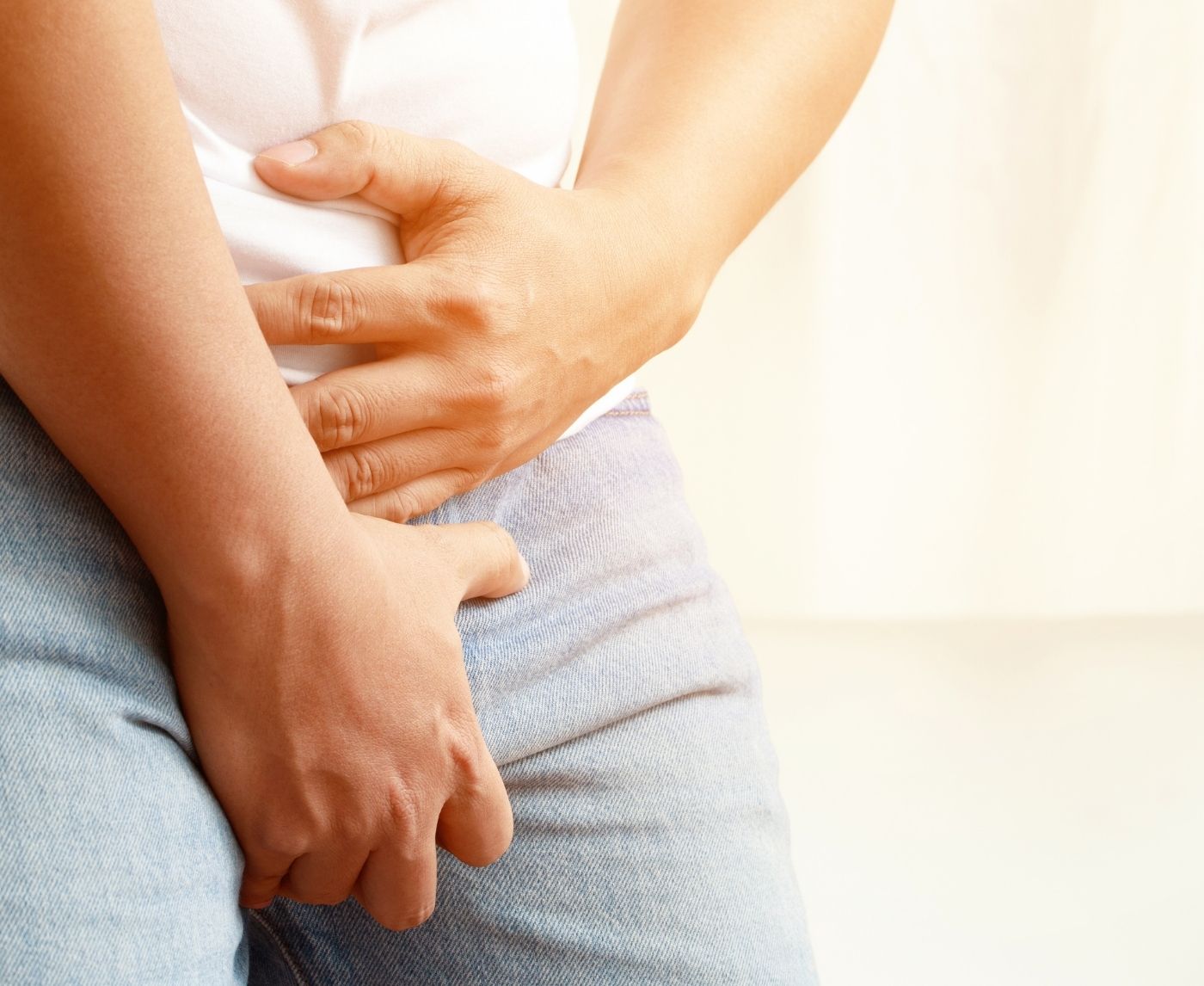
Quick Answer: Testicle pain can be caused by STDs like chlamydia and gonorrhea, especially when they lead to inflammation of the epididymis. If you’ve had unprotected sex recently and one or both testicles hurt, getting tested is the safest next step.
This Article Is for You If You’re Googling in Pain
Maybe your left testicle aches after a hookup. Maybe the pain flared up after masturbation and hasn’t gone away. Or maybe your partner tested positive for something, and now every twinge down there feels like a warning sign. This guide is for you if you’re:
- Anxious about possible STD exposure and need answers without judgment
- Trying to figure out if your symptoms are serious or just stress
- Not sure what kind of test to take or when to take it
- Tired of sifting through Reddit threads that say “probably fine” and “go to ER” in the same breath
Whatever brought you here, know this: testing is care, not confession. It’s not about being dirty or irresponsible, it’s about protecting yourself and your partners. And if your testicles hurt, that deserves answers. No shame. No fear. Just facts and action.
What STDs Actually Cause Testicle Pain?
The most common cause of STD-related testicle pain is something called epididymitis, which is an inflammation of the coiled tube (epididymis) at the back of the testicle. It’s often caused by chlamydia or gonorrhea, especially in men under 35. The pain might come on gradually or feel sharp and sudden. One testicle is often more affected than the other.
Here’s a breakdown of STDs that can cause testicle or scrotal pain:
| STD | Possible Effect on Testicles | Additional Clues |
|---|---|---|
| Chlamydia | Can cause epididymitis with testicle swelling or ache | Burning urination, clear or cloudy discharge |
| Gonorrhea | Often leads to pain in one testicle with tenderness | Thick yellow or green discharge, urethral pain |
| Herpes | Rare, but nerve-related pain in scrotum or groin | Sores or tingling in genital area, flu-like symptoms |
| Syphilis | Usually painless in early stages, but can affect testicles later | Hard sores, rash on palms/soles, fever |
| HIV (acute) | Not direct testicle pain, but general body aches may include groin | Fever, sore throat, fatigue, swollen lymph nodes |
Table 1. STDs that may cause testicular pain or related symptoms
Keep in mind, you don’t need to have discharge or a visible sore to be infected. Many men with chlamydia or gonorrhea have no outward symptoms, until the bacteria travels and causes deeper inflammation.
One-Night Stand, One Testicle Hurts
Leo, 27, didn’t think much of the pain at first. “It was like this dull ache in my left testicle. Not sharp. Just… there.” He had hooked up with someone new a week earlier. No condom. No visible symptoms from her. A few days later, he noticed discomfort when sitting for long periods. Then the ache started radiating into his groin.
“At first, I thought it was from the gym. But then it got worse when I peed, and I had this weird pressure in my pelvis. That’s when I Googled and saw something about chlamydia causing epididymitis. I got tested. Positive.”
Leo’s case is textbook: delayed onset of symptoms, one-sided pain, and no discharge. Once diagnosed, he was treated with antibiotics and recovered within a week. But the key? He didn’t wait. Untreated epididymitis can lead to complications like infertility or chronic pain.
And yes, he told his partner. She tested positive too.
When It’s Not an STD: Other Causes of Testicle Pain
Not all testicle pain is caused by an STD. In fact, a surprising number of cases are due to completely non-infectious reasons, or infections that aren't sexually transmitted. That’s what makes self-diagnosis so frustrating. The pain can feel the same, but the causes are wildly different.
Here’s what else could be behind your symptoms:
| Cause | What It Feels Like | STD-Related? |
|---|---|---|
| Blue Balls (vasocongestion) | A dull, aching pressure after arousal without ejaculation | No, temporary blood buildup |
| Testicular Torsion | Sudden, severe pain, often with nausea or vomiting | No, surgical emergency |
| Urinary Tract Infection (UTI) | Burning urination, pelvic pain, may radiate to testicles | Not usually STD-related |
| Epididymitis (non-STD) | Gradual swelling and pain, sometimes post-urinary procedure or injury | Can be, but also caused by E. coli or trauma |
| Hernia | Groin pressure or pain worsened by lifting or coughing | No, physical displacement |
| Varicocele | “Bag of worms” feel, dull ache worsens over the day | No, vein issue in scrotum |
Table 2. Common non-STD causes of testicle pain and how they feel
The takeaway? If you’re experiencing sudden, severe pain, go to the ER immediately, it could be torsion, and delay risks permanent damage. But if your symptoms came on gradually after sexual activity, especially unprotected, testing for STDs is the best starting point.
Blue Balls vs. STD Pain: Can You Actually Tell the Difference?
Let’s bust a myth: “blue balls” are real, but they’re not an STD. They’re the result of prolonged arousal without ejaculation, leading to temporary blood congestion in the testicles. It can be uncomfortable, even painful, but it resolves on its own, especially after ejaculation or a few hours of rest.
So how do you tell if it’s just blue balls or something serious?
If your pain:
Came on after sex or masturbation without ejaculation Feels like pressure, not sharp pain Goes away within a few hours Doesn’t involve burning, swelling, or discharge
Then it’s probably not an STD. But if it lasts more than 24 hours, or comes with other symptoms like painful urination, testicle swelling, or groin discomfort, it’s time to test.
Important: STDs like chlamydia can feel deceptively mild at first. What you think is “just pressure” can quickly turn into inflammation, especially in the epididymis.
When Should You Get Tested for an STD Causing Testicle Pain?
This is where timing matters. Testing too early can give false negatives. But waiting too long can allow complications. Here's what the science says:
| STD | Best Time to Test After Exposure | Why It Matters |
|---|---|---|
| Chlamydia | 14 days | Early symptoms may not show, but damage can begin |
| Gonorrhea | 7–14 days | Rapid onset; early testing often catches it |
| Herpes (if suspected) | 4–12 days (if sores appear) | Swab test works best when lesions are active |
If your testicle pain starts within a week of unprotected sex, it’s smart to wait until day 7–14 for more accurate results, unless symptoms escalate. Some rapid tests can detect infections earlier, but may require a retest.
Still unsure when to test? Use our Window Period Calculator to pinpoint the best timing based on your exposure.
Not Sure Where to Start? Here’s the Easiest Step
If your head’s spinning from symptoms and charts, here’s the simple truth: You don’t have to diagnose yourself. This discreet combo test kit checks for chlamydia, gonorrhea, syphilis, and more from home, no awkward clinic visits, no waiting rooms.
Whether it’s a real infection or peace of mind you’re after, one test gets you closer to answers. And if you do test positive, treatment is usually straightforward.
At-Home vs. Clinic Testing: What’s Best When Your Balls Hurt?
When your symptoms feel urgent, but your schedule, anxiety, or location makes going to a clinic hard, at-home testing is a powerful option. But is it accurate? And when should you still go in person?
Let’s walk through the tradeoffs so you can choose what fits best.
| Test Type | Speed | Accuracy | Privacy | Best For |
|---|---|---|---|---|
| At-Home Rapid Test | Results in 15–20 minutes | Moderate to high (depends on window) | Very high | Fast answers after recent exposure |
| Mail-In Lab Kit | 1–5 business days | High (NAAT-level precision) | High | Lab-grade accuracy without a clinic |
| Clinic-Based Test | Same-day to 3+ days | Very high | Lower (depending on setting) | Complex symptoms or urgent care |
Table 3. Comparing at-home and clinic-based STD testing for testicle pain
If you're dealing with testicle pain but no discharge, a combo at-home kit is often the best first move. If your symptoms are worsening, or if you have other red flags like fever, blood in urine, or extreme swelling, a clinic visit might be necessary to rule out torsion or hernia.
For most people, starting with a Combo STD Home Test Kit gives answers fast, and lets you decide the next step based on results, not fear.
He Thought It Was Blue Balls. It Was Chlamydia.
Manuel, 22, was a college student in a new relationship. He and his girlfriend weren’t using condoms. When he started feeling a strange ache in his testicles, he brushed it off as “blue balls” from not finishing during a weekend trip. But the ache didn’t go away. A few days later, it started hurting when he sat too long or crossed his legs.
“It wasn’t sharp. It just wouldn’t stop. I didn’t want to freak out, but I started thinking, what if it’s something else?”
He took an at-home STD test after reading online that chlamydia can cause testicle pain through epididymitis. The result came back positive. His girlfriend tested positive too, neither had symptoms beyond the ache. They were both treated and used condoms during recovery.
This is a common pattern: minimal symptoms, mild discomfort, and delayed testing due to embarrassment or denial. But a simple home test changed everything for Manuel. “It sucked, but it was better than guessing. We dealt with it, together.”
Preventing This in the Future: It’s Simpler Than You Think
One uncomfortable truth: most men who get testicle pain from STDs didn’t think they were at high risk. It’s not about sleeping around or being “irresponsible.” It’s about missing early signs, not knowing when to test, or assuming partners are also negative.
Here’s what makes a big difference:
- Use condoms consistently, especially with new partners
- Don’t rely on “no symptoms = no STD” logic, many STDs are silent
- Test regularly, even if you feel fine (especially every 3–6 months if sexually active)
- Communicate with partners about testing timelines and results
- Know your window periods, use our Risk Checker or calculator to help
And if something feels off, like pain, pressure, or swelling, don’t wait until it’s unbearable. STD-related inflammation can usually be treated quickly if caught early.
FAQs
- 1. Can an STD really make one ball hurt?
- Yes, and weirdly, it’s often just one. Infections like chlamydia or gonorrhea can travel up the urethra and land in your epididymis (that coiled tube behind each testicle). When that gets inflamed, you’ll know it. The pain can sneak up, dull at first, then sharper, especially when sitting or walking.
- 2. How do I know if it’s “blue balls” or something serious?
- If you were turned on, didn’t climax, and now feel a pressure-y ache that fades after a few hours, probably blue balls (yes, it’s real). But if you didn’t have arousal, or the pain sticks around for a day or more, or shows up with burning when you pee? Time to consider an STD test. Blue balls doesn’t linger or come with other symptoms.
- 3. I don’t have discharge. Could it still be an STD?
- Totally. Most guys with chlamydia don’t notice discharge at all. Some STDs are sneaky like that, no visible signs, but still quietly causing inflammation, especially in your testicles or pelvis. So yeah, pain without discharge is absolutely still a red flag.
- 4. How soon after sex would an STD cause testicle pain?
- It varies. Gonorrhea can start throwing symptoms in just 2–5 days. Chlamydia might take a week or more. And sometimes, the infection’s been there a while but doesn’t trigger testicle pain until it spreads to the epididymis. That’s why even mild discomfort a week or two after sex is worth checking out.
- 5. Could this just be from working out or sleeping weird?
- Sure, strained muscles, groin pulls, or pressure from tight jeans or sex positions can all cause testicle pain. But those usually improve with time and don’t come with pelvic pressure, burning pee, or changes in how your balls feel. If it’s not fading, play it safe and test.
- 6. Does herpes affect your balls?
- Not directly, but the nerves that herpes irritates can radiate pain into the scrotum or groin. If you also feel tingling, have a fever, or notice sores, that’s a signal to look at herpes. Herpes pain tends to feel “nerve-y,” like zaps or stings, not pressure-based like chlamydia.
- 7. If I got tested last month, do I really need to test again?
- Depends. If you’ve had new unprotected sex since then, or your test was before symptoms started, you might’ve tested too early. Most STDs have a window period where early tests can miss them. If you’re hurting now, that older test may not give you the full picture.
- 8. What if I just wait and see if it goes away?
- That’s a risky bet. Some guys do that and the pain fades, but the infection sticks around, doing damage silently. Others wait too long and end up with serious inflammation, infertility risks, or chronic pain. Bottom line: if it’s been more than a day or two, don’t wait. You’ve got easy, private testing options.
- 9. Is it normal to feel embarrassed about this?
- Completely. But let’s call it what it is: pain in your balls is vulnerable, and most of us were never taught how to talk about it. Still, taking care of your health isn’t weak, it’s smart, protective, even kind. And at-home tests mean no awkward convos, no pharmacy counters, no explaining.
- 10. How accurate are the rapid tests, really?
- Pretty solid, especially if you wait until the right time post-exposure. The Combo STD Home Test Kit is FDA-approved, designed for privacy, and accurate when used after the right window period (usually 7–14 days). For the fastest clarity, start with that. If anything's still unclear, you can always follow up with a lab or clinic later.
You Deserve Answers, Not Assumptions
Pain in the testicles can be scary, but not knowing is worse. You deserve to know exactly what's going on, whether it's an STD like chlamydia, a harmless congestion problem, or something else. Don't let fear, shame, or guessing games keep you from finding out what's going on.
You can take charge of your health with a private test you can trust. This kit lets you test for the most common STDs at home and get results quickly, all in the privacy of your own home.
How We Sourced This Article: We combined current guidance from leading medical organizations with peer-reviewed research and lived-experience reporting to make this guide practical, compassionate, and accurate. In total, around fifteen references informed the writing; below, we’ve highlighted some of the most relevant and reader-friendly sources.
About the Author
Dr. F. David, MD is a board-certified infectious disease specialist who works to stop, diagnose, and treat STIs. He combines clinical accuracy with a straightforward, sex-positive approach and is dedicated to making it easier for readers to find what they need, whether they live in a city or off the grid.
Reviewed by: Taylor Nguyen, PA-C | Last medically reviewed: December 2025