Shared Toys, Real Consequences: How STDs Spread Without Skin-to-Skin Contact
Quick Answer: Yes, you can get an STD from a sex toy, especially if it was shared, unwashed, or reused shortly after someone else. This isn’t about fear-mongering. It’s about the stories no one tells.
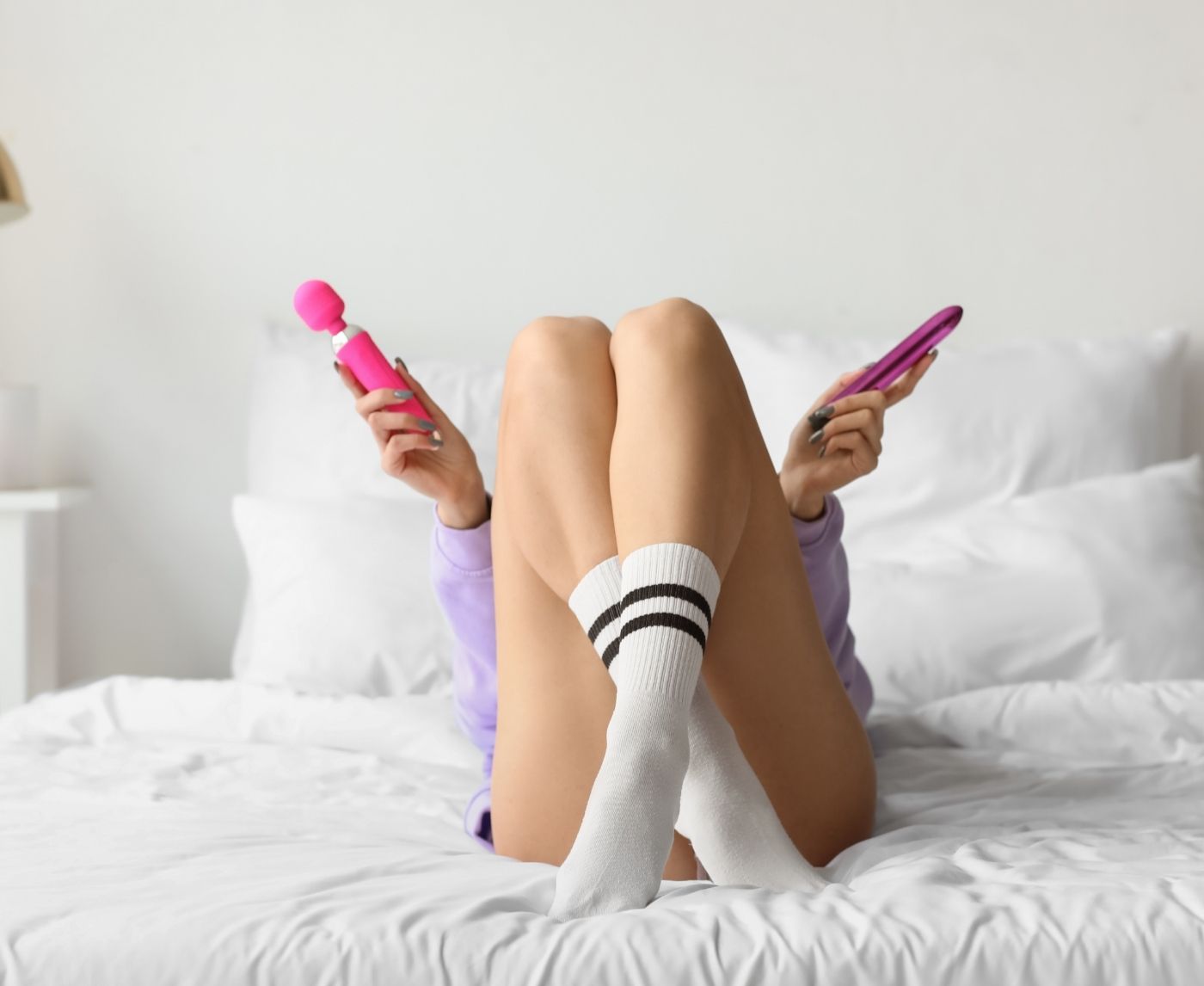
Quick Answer: Yes, you can get an STD from a sex toy, especially if it was shared, unwashed, or reused shortly after someone else. Pathogens like chlamydia, herpes, HPV, and trichomoniasis can survive on moist surfaces long enough to infect another person.
Why It Matters: The Hidden Risk Most People Don’t Talk About
Sex toys don’t carry shame, unless misinformation makes them dangerous. This isn’t about fear-mongering. It’s about the stories no one tells. Like the woman who got trichomoniasis from a toy she used with her girlfriend. Or the couple who thought monogamy meant they didn’t need to clean their plug between uses. Or the man who used a prostate massager his roommate left out, only to develop rectal chlamydia weeks later.
These aren’t cautionary tales to scare you. They’re reminders that sexual health includes the tools we use, not just the acts we engage in. And yet, most STI prevention advice doesn’t mention toys at all. That leaves a lot of people blindsided, especially those in queer, kinky, poly, or pleasure-forward communities where toy use is common, normalized, and often shared.
If you've ever worried silently after borrowing or sharing a toy, you're not alone. This guide breaks down the risks, the science, and the steps you can take, without killing the vibe.
How STDs Actually Spread Via Sex Toys
Here’s what most people get wrong: they assume if there’s no penetration, or if the toy looks “clean enough,” the risk is gone. But STDs are not just about direct skin-to-skin contact or fluid exchange through genital sex. Pathogens can survive briefly on non-living surfaces, especially ones with moisture, mucosal contact, or microscopic residue.
Herpes simplex virus (HSV), for example, doesn’t need visible sores to spread, it just needs skin that’s shedding the virus. Chlamydia trachomatis and Neisseria gonorrhoeae can survive in genital fluids left on a toy and be transferred to another person within minutes, or even longer, depending on the material and environment.
Take this scene: two people in a long-distance relationship finally reconnect. They bring out their favorite shared toy, using it on each other in sequence. One had an asymptomatic chlamydia infection. Days later, the other develops discharge and irritation. No new partners. Just one toy. One transmission. Zero awareness it could happen.
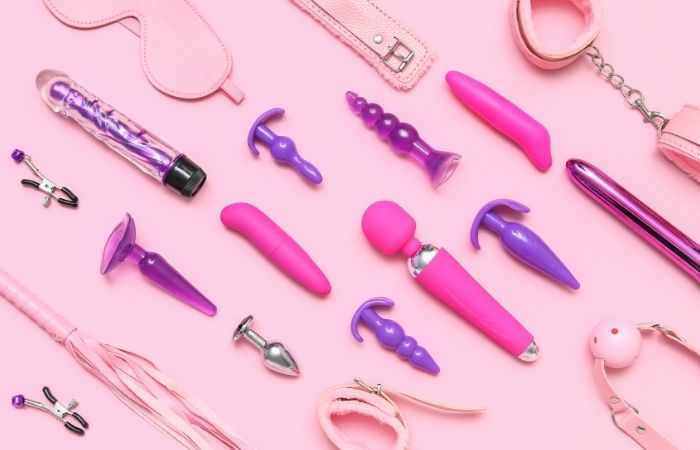
Different materials carry different levels of risk. Toys that are porous, like jelly rubber or cyberskin, can still hold bacteria even after they have been washed. If cleaned properly, non-porous toys (like silicone, stainless steel, or glass) are safer, but they are still dangerous if used again without cleaning.
People are aslo reading: Safe Sex Isn’t Just for the Young: Seniors and STI Prevention
How Long Can STDs Live on Sex Toys?
The survivability of STDs on surfaces, especially sex toys, depends on several factors: temperature, humidity, surface type, and whether fluids are present. Some pathogens are fragile outside the body. Others, surprisingly resilient. Here’s what the science says:
| STD | Can It Survive on Toys? | Approximate Surface Survival | Transmission Risk |
|---|---|---|---|
| Chlamydia | Yes | Up to 2 hours (in fluids) | Moderate to High |
| Gonorrhea | Yes | Several hours (in ideal conditions) | Moderate |
| Herpes (HSV-1 & HSV-2) | Yes | Few minutes to 2 hours | High if reused quickly |
| HPV | Yes | Several hours to days (on dry surfaces) | Moderate |
| Trichomoniasis | Yes | Up to 45 minutes (in vaginal fluid) | High |
Table 1. Surface survivability of common STDs on sex toys, based on fluid presence and material type. These estimates come from controlled lab data, not all real-life conditions are this ideal, but the risk remains.
Think about how a toy is used: vaginally, rectally, or orally. Fluids are present. Bacteria can cling to textured surfaces, inside seams, or in battery compartments that can’t be submerged. That’s why just rinsing with water doesn’t cut it. And it’s also why some infections appear seemingly “out of nowhere.”
The science is still evolving. But experts agree: shared toys, when not cleaned properly or covered with a fresh barrier (like a condom), are a known route of transmission, especially for vaginal and anal infections.
Does the Type of Toy Matter? Absolutely.
It’s not just how you use a toy, it’s what it’s made of. Many people assume that “adult toys” are made from medical-grade materials, but that’s not always the case. In fact, plenty of inexpensive or novelty products are made from porous plastics or rubber blends that harbor bacteria even after rinsing or mild soap washing.
Let’s break it down. A smooth glass dildo, fully cleaned with boiling water or a 10% bleach solution, poses a much lower risk than a soft, jelly-like toy you bought from a pop-up adult store and wiped with a tissue. And if that toy has seams, suction cups, or electronic parts that can't be submerged? The chances of bacteria living go way up.
Here’s a breakdown of common toy materials and how they stack up in terms of safety and cleanability:
| Material | Porous? | Can Be Fully Disinfected? | STD Transmission Risk (If Shared) |
|---|---|---|---|
| Silicone (medical-grade) | No | Yes – boil or use disinfectant | Low (if cleaned properly) |
| Glass (borosilicate) | No | Yes – boil or bleach soak | Low |
| Stainless Steel | No | Yes – boil or disinfect | Low |
| ABS Plastic | No (mostly) | Partially – surface clean only | Moderate |
| Jelly Rubber / Cyberskin | Yes | No – bacteria may linger | High |
Table 2. STD transmission risk by sex toy material, assuming shared use and basic cleaning. Non-porous toys are safer, but only if cleaned thoroughly.
So what does this mean practically? If you’re not sure what your toy is made from, assume it’s porous. If it’s battery-operated and can’t be submerged, don’t trust a quick rinse. And if it’s textured, grooved, or meant for anal use? The risk climbs again. This isn’t meant to scare you, it’s meant to help you plan.
One common mistake: assuming because you’re monogamous or only using the toy with your partner, you’re safe. But even within monogamous relationships, asymptomatic infections happen. Someone had a past partner, a lingering HPV strain, or simply didn’t know they were carrying trichomoniasis. It’s not about blame, it’s about knowledge.
Cleaning Sex Toys: What Works, What Doesn’t
A Reddit user once wrote: “I used a toy with a partner, rinsed it under warm water, and two weeks later I was in urgent care with raging BV and chlamydia.” They thought rinsing was enough. It wasn’t. And it rarely is.
Cleaning sex toys requires more than a quick rinse or baby wipes. In fact, wipes often leave residue that bacteria love. What you need is disinfection, not just “clean.” Here's how:
If the toy is made of silicone, glass, or metal and has no electronic parts, boil it for 3–5 minutes. Alternatively, use a 10% bleach solution soak (1 part bleach to 9 parts water), then rinse thoroughly. Let it air dry completely. For toys with motors or battery compartments, use a mild antibacterial soap on a warm damp cloth, being careful not to get water inside. Always dry it with a clean towel and let it fully air out before storing.
Never use the same toy between partners without cleaning it, or, better, use a condom over the toy and change it between users or body parts. Yes, even with your regular partner. Yes, even if they “seem fine.” That’s how asymptomatic infections keep spreading.
And if you're sharing a toy during a multi-person encounter, it’s non-negotiable: barrier use or disinfection between each person is essential. You’d be shocked how fast gonorrhea can travel in a room full of laughter, lube, and forgetfulness.
What If I Already Used a Shared Toy and I'm Nervous?
First: breathe. You’re not dirty. You’re not stupid. You’re human. And your concern is valid.
Here’s what happens a lot: someone uses a toy they didn't clean properly, or that a partner used recently. A week or two passes. They feel irritation. Maybe a strange discharge. Maybe nothing at all, just a nagging “what if?” They go online, search “can you get chlamydia from a sex toy?” and land on a sea of half-truths.
If that’s you: here’s what to do. You don’t need to panic, but you should test. Especially if you’ve noticed symptoms like burning, spotting, itching, or anything new since the exposure. And even if you feel fine, many STDs don’t show symptoms right away. Some never do. That doesn’t mean they’re not doing damage. It just means they’re good at hiding.
If you’re in that weird in-between space, wondering whether to wait, test, or ignore it, remember: clarity is peace. There are at-home options that don’t require a clinic visit or a conversation you’re not ready to have yet.
This at-home combo test kit checks for the most common STDs and arrives in discreet packaging, no clinic trip, no awkward follow-up calls. Just you, your health, and answers.
When to Test After a Risky Toy Exposure
Testing too soon might give you false reassurance. Testing too late might allow complications to develop, or risk passing something on unknowingly. Here’s a guideline to help you figure it out based on common infections and when they show up in tests:
| STD | When to Test (Minimum) | Best Time to Test |
|---|---|---|
| Chlamydia | 7 days | 14+ days |
| Gonorrhea | 7 days | 14+ days |
| Trichomoniasis | 5 days | 10–14 days |
| Herpes (if symptomatic) | Immediately (swab) | Up to 12 weeks (blood test for antibodies) |
| HPV | N/A (only detected via Pap or DNA test) | Check during routine screenings |
Table 3. Suggested testing windows for common STDs after shared sex toy use. Waiting for peak accuracy can help avoid false negatives, but don’t delay care if you’re symptomatic.
If symptoms show up earlier than the window, seek medical care. If you're symptom-free but worried, set a reminder to test two weeks after exposure. You can always test earlier for peace of mind, but understand that a follow-up test may still be needed.
Case Study: “I Never Slept With Her, But I Still Got Herpes”
Derek, 28, was stunned. He’d only fooled around once with an old friend, no sex, just some play. She’d used a vibrator on herself, then used it on him. A week later, he had painful sores near his anus and was diagnosed with HSV-2.
“I kept saying, ‘We didn’t even have sex. There’s no way.’ But the doctor was blunt. She said it happens more than people think. I felt stupid, but mostly just betrayed by my own ignorance.”
Derek had assumed that without penetration, he was safe. But herpes doesn’t care about definitions of sex. It cares about contact. And even a toy that looks dry or unused might still carry active viral particles, especially if passed quickly between bodies.
He wasn’t reckless. He wasn’t promiscuous. He just didn’t know. And that’s what makes these cases so common, and so deeply isolating.
This is why we talk about it. Not to shame people into throwing away their favorite toys, but to empower them to protect themselves and their partners. Derek’s story isn’t rare. But with proper cleaning, communication, and protection, it doesn’t have to happen to you.
People are aslo reading: White Discharge, Itching, No STD? It Might Not Be What You Think
Still Think It’s Overreacting? Here’s What the Experts Say
The CDC notes that many STIs can be spread without penetrative sex. Planned Parenthood explicitly includes sex toys as a transmission vector in their safer sex guidelines. Multiple studies have shown that chlamydia and gonorrhea DNA can be detected on used toys hours after use, even with casual cleaning.
One 2016 study published in the Sexually Transmitted Infections journal found that viable trichomonas organisms persisted on vaginal simulators for up to 45 minutes post-use, long enough to infect a second user. Another lab study demonstrated that HPV particles could remain on surfaces for days, even when dry.
But here’s the catch: most STI transmission prevention messaging leaves toys out entirely. That creates an illusion of safety, especially among people who aren't having "traditional" sex. Queer couples, trans individuals, and people exploring kink or non-penetrative intimacy are often told “there’s nothing to worry about.” That’s both inaccurate and unfair.
Real safety starts with real information. And the truth is, if it goes inside your body, or comes into contact with your fluids, it matters.
Let’s Talk About Partner Communication (Yes, About Toys)
If you’re sharing toys with a partner, or partners, it’s time to normalize the hygiene talk. It doesn’t have to kill the mood. In fact, it can deepen trust. Here’s what it might sound like:
“Hey, just so you know, I always clean my toys before and after, and I usually use a condom on them. Want to use one together?”
It’s sexy to be safe. It shows care. And if your partner scoffs or dismisses the idea, that’s not a vibe killer—it’s a red flag. You deserve people who respect your body, your boundaries, and your bacterial flora.
In long-term relationships, it’s easy to get lax. But asymptomatic infections can still pop up after months, or even years, if a past infection went unnoticed. Shared toy hygiene should be as routine as brushing your teeth before bed. It’s not paranoia. It’s health.
And yes, testing matters too. Especially if you’ve shared toys without protection. Consider setting a routine: quarterly, after new partners, or whenever symptoms emerge. Let it be a norm, not a panic response.
Your Privacy, Your Power: Discreet Testing is Within Reach
Maybe you’re not ready to go to a clinic. Maybe you don’t want to explain why you think a toy might have put you at risk. That’s okay. You don’t need to justify your curiosity or your fear. You just need a way to get answers.
STD Rapid Test Kits offers discreet, FDA-approved at-home testing for the most common infections, chlamydia, gonorrhea, trichomoniasis, HIV, and more. No doctor’s visit. No awkward small talk. Just a clean result and a plan for what’s next.
Whether you’re testing because of a toy, a hookup, or a “just in case,” you deserve peace of mind without judgment. Confidential testing is an act of self-respect, not a confession.
FAQs
- 1. Can you seriously get an STD from a toy? Like, even if it wasn’t used “inside” someone?
- Yes. That’s the plot twist nobody tells you. If a toy touches fluids, vaginal, anal, even pre-cum, and then touches someone else without being cleaned or covered, infection can happen. Doesn’t have to be full-on penetration. Doesn’t even have to be recent. Moisture is the playground. Think: herpes, trich, chlamydia, especially if the handoff is quick.
- 2. It looked clean. That’s enough, right?
- Sadly, “looks clean” means nothing to viruses and bacteria. Most of what transmits STDs is microscopic. One woman said she reused a silicone dildo after rinsing it with water because it “smelled fine.” Two weeks later: burning, itching, and a chlamydia diagnosis. Visual checks aren’t the same as sanitizing.
- 3. What if I only use toys on myself, can I still mess things up?
- Yes, but it’s more about body part switching. Let’s say you use a toy vaginally, then move to anal without cleaning or changing the condom. That’s a recipe for a UTI or bacterial imbalance. You can also transfer your own HPV or herpes from one area to another. Clean between uses, even solo. You’re worth that effort.
- 4. Can I just use soap and water? Or do I need, like, lab equipment?
- Soap and water is better than nothing, but it depends on the toy. Non-porous stuff like glass or steel? Great, go ahead and boil it or use diluted bleach. But if it’s jelly-like, rubbery, or has a vibe motor? You’ll need gentle antibacterial soap and serious drying time. And no, wipes don’t cut it. Bacteria love leftover residue.
- 5. What if I used a shared toy last week and now I’m freaking out?
- First: breathe. You're not alone. This happens more often than you think. Second: check your calendar. If it's been 7–14 days, you're in the perfect window to test for most infections. If you're having symptoms, burning, discharge, rawness, don’t wait. Get tested now. You’ll feel better with real answers.
- 6. Do people really use condoms on toys? Isn’t that… overkill?
- Actually, it’s smart. And hot, honestly. Changing condoms between partners or holes? A+ STI prevention. It's also a great move for anyone using the same toy with more than one person in a night. Think of it as a slick little safety sleeve that keeps your night drama-free.
- 7. Is it possible to get HPV from a toy that someone else used a few days ago?
- Yes, and that's what makes HPV so hard to deal with. It can cling to surfaces and hang around, sometimes even after drying. It’s not common, but it’s possible. You can lower the odds drastically by cleaning toys thoroughly and using barriers, especially if multiple people are involved.
- 8. I’ve been with the same partner for years. Do we really need to worry about toy hygiene?
- If neither of you have had other partners in ages and you both tested clean, the risk is low, but habits still matter. Asymptomatic infections can lurk, especially with things like HPV or herpes. Cleaning toys between uses isn’t a trust issue, it’s basic body care. Like flossing, but sexier.
- 9. I used someone else's toy at a party. Should I be worried?
- Potentially, yes, especially if it wasn’t cleaned or covered between users. Group scenes can be hot, but safety drops fast when people forget to swap condoms on toys or sanitize between rounds. If you're unsure what happened (or how long it's been), go ahead and test. Better awkward now than inflamed later.
- 10. What’s the best way to test if I’m worried about toy-related exposure?
- An at-home combo test kit is your best bet. It checks for the big players, chlamydia, gonorrhea, trich, HIV, and it’s discreet. No explaining to a nurse why you used your roommate’s toy. Just results, privacy, and a path forward. You’ve got options, even if this feels weird right now.
Before You Blame Yourself, Read This
Sex toys don’t cause shame, silence does. If you’ve ever found yourself spiraling after using a shared toy, wondering whether you’ve “messed up” or “asked for it,” stop right there. This is about empowerment, not punishment.
You’re not alone. You’re not irresponsible. You’re navigating real intimacy with imperfect information in a world that often skips these details. But now you know, and you have options.
Don’t wait and wonder, get the clarity you deserve. This at-home combo test kit checks for the most common STDs discreetly and quickly.
How We Sourced This Article: To make this guide accurate, helpful, and compassionate, we used the most recent recommendations from leading medical organizations, peer-reviewed studies, and testimonies from individuals who have experienced the situation.
- CDC – STI Screening Recommendations
- Everything You Need to Know About Sex Toys and STIs (Healthline)
- About Sexually Transmitted Infections (STIs) — CDC
- Sex toys and the risk of HIV transmission (AIDSmap)
- Cleveland Clinic – Chlamydia Overview: Risks, Signs & Testing
- STD Prevention: Basics (Mayo Clinic)
- Detection of human papillomavirus on a vibrator after use and cleaning (PubMed)
- Can you get an STD by masturbating with objects? (Planned Parenthood)
- Can STIs be transmitted via sex toys? (Ending HIV Australia)