What Happens If Youre Pregnant and Get an STD
Quick Answer: Getting an STD during pregnancy can affect your baby, especially if untreated, but with prompt testing and proper treatment, most complications are preventable. You deserve real answers, not just warnings.

Quick Answer: Getting an STD during pregnancy can affect your baby, especially if untreated, but with prompt testing and proper treatment, most complications are preventable.
Why This Article Exists: Because Fear and Silence Help No One
This guide is for anyone who’s pregnant and worried, whether it’s about a recent hookup, a cheating partner, or a surprise positive result. It’s also for people supporting someone else through a pregnancy and STD scare. We wrote this for the people who Google things like “Can gonorrhea kill my baby?” at 2AM and get stuck in a spiral of shame and worst-case forums.
We’ll walk you through what STDs can actually do during pregnancy, how to test safely, what happens to the baby in each case, and, most importantly, how most outcomes improve dramatically with proper care. We’ll also cover how to manage the emotional side: the panic, the blame, and the silence. You deserve real answers, not just warnings.
What STDs Are Dangerous During Pregnancy?
Any sexually transmitted infection has the potential to cause complications in pregnancy, especially when undiagnosed or untreated. But some are more likely than others to impact the fetus or newborn during labor. Here's what medical evidence tells us:
| STD | Can It Affect Baby? | Main Risks | Treatment Safe in Pregnancy? |
|---|---|---|---|
| Gonorrhea | Yes | Blindness, infection, preterm birth | Yes |
| Chlamydia | Yes | Eye infection, pneumonia in newborn | Yes |
| Syphilis | Yes | Stillbirth, deformities, organ damage | Yes |
| Herpes (HSV) | Yes (mostly during birth) | Neonatal herpes, brain infection | Yes (antivirals) |
| HIV | Yes | Transmission to baby, low birth weight | Yes (antiretrovirals) |
| Trichomoniasis | Possible | Preterm labor, low birth weight | Yes (metronidazole) |
| HPV | Rarely | Warts may obstruct vaginal delivery | Yes (management varies) |
Figure 1. Common STDs during pregnancy and how they may affect the baby. Data from CDC and Mayo Clinic guidance.
Can You Pass an STD to Your Baby Without Knowing You Have One?
Yes. In fact, many people have no idea they’re carrying an STD during pregnancy because symptoms may be mild, misattributed to pregnancy itself, or completely absent. This is why prenatal STD screening is a standard part of early obstetric care in many countries, but not everyone gets tested early, and not every STD is automatically checked for.
For example, CDC data shows that 1 in 2 people with Chlamydia don’t know they have it. Syphilis can remain hidden for years. Herpes may only show up during labor. Gonorrhea symptoms can be brushed off as discharge changes from hormonal shifts. Left untreated, these can pass to the baby during pregnancy or delivery, sometimes with devastating outcomes.
Screening is the single most important way to prevent that. And if you didn’t get tested earlier, it’s not too late.
“I Didn’t Know My Partner Was Cheating, Until the Positive Test”
Nadia, 28, was five months pregnant when she started feeling a burning sensation after peeing. At first, she assumed it was a UTI. Her midwife sent her for a panel just in case. The result: Chlamydia.
“I was stunned. We were supposed to be monogamous. I just remember crying in the bathroom at the clinic, trying to understand how this could happen. My first thought was the baby, was he going to be okay?”
Her doctor reassured her that with treatment, the risk to the baby was minimal. She took antibiotics immediately, informed her partner (who admitted the truth), and tested again two weeks later to confirm clearance. The baby was born healthy, but the emotional trauma stuck.
Pregnancy doesn’t make you immune from betrayal, and betrayal doesn’t make you a bad parent. The best move you can make, for yourself and your baby, is to face the infection head-on, not in silence.
What Testing Looks Like, and What Gets Missed
If you’re pregnant, some STDs will be tested automatically. Most providers screen early in pregnancy for:
- Chlamydia and Gonorrhea (urine or cervical swab)
- HIV (blood test)
- Syphilis (blood test)
- Hepatitis B (blood test)
But others, like Trichomoniasis, Herpes (HSV), and HPV, may not be included unless you report symptoms or request specific testing. That means it’s possible to go through most of a pregnancy without knowing you have a transmissible STD.
This is why repeat screening, especially in the third trimester or after new exposures, is often recommended. ACOG guidelines support this for higher-risk pregnancies. If you think something was missed, ask for retesting. You are your baby’s best advocate.
How Do STDs Actually Affect the Baby?
Let’s be clear: not every STD results in harm to the baby. Many people have healthy pregnancies despite testing positive. The biggest variable is whether the infection is diagnosed and treated in time. When untreated, though, the risks vary by STD, and they can be serious.
Here’s what the research and clinical experience tell us about fetal risks:
| STD | Transmission Route | Possible Effects on Baby |
|---|---|---|
| Gonorrhea | During delivery (vaginal contact) | Eye infection (ophthalmia neonatorum), sepsis, joint infection |
| Chlamydia | During delivery | Conjunctivitis, pneumonia in newborn |
| Syphilis | Through placenta (in utero) | Stillbirth, deformities, liver damage, bone malformation |
| Herpes (HSV) | During vaginal birth if lesions are present | Neonatal herpes (brain, lungs, liver), sometimes fatal |
| HIV | In utero, during delivery, or breastfeeding | HIV infection in infant, long-term immune compromise |
| Trichomoniasis | Unclear; possible amniotic transmission | Premature birth, low birth weight |
Figure 2. How different STDs can reach and affect the fetus or newborn. Risk increases if untreated or undetected.
One of the biggest takeaways? Timing and delivery method matter. For instance, if Herpes is diagnosed too late in pregnancy, a Caesarean may be advised to prevent exposure to lesions. If Syphilis is diagnosed early, treatment with penicillin can prevent congenital disease almost completely.
Can You Still Be Treated While Pregnant?
Yes, and you should be. Most treatments for common STDs are safe during pregnancy, especially when started early. In fact, guidelines are written with a focus on fetal safety as well as curing the infection. You might not get the same medications as someone who is not pregnant, but you will get treatment.
Here are some examples of pregnancy-safe treatments:
- Gonorrhea: A single intramuscular injection of ceftriaxone
- Chlamydia: A 7-day course of amoxicillin or a single dose of azithromycin
- Syphilis: Penicillin injection (required for fetal protection)
- Trichomoniasis: Metronidazole (generally safe in pregnancy)
- Herpes: Acyclovir or valacyclovir for outbreaks or suppression
- HIV: Combination antiretroviral therapy (ART)
Not only are these treatments safe, they’re time-sensitive. CDC STD Treatment Guidelines emphasize that delaying treatment increases risk to the baby, especially in the third trimester.
If you’re not sure when you got infected, your provider may recommend repeat testing or partner testing. That’s not about blame, it’s about protection. Untreated partners can re-infect you, and that keeps the risk active.
What About At-Home Testing While Pregnant?
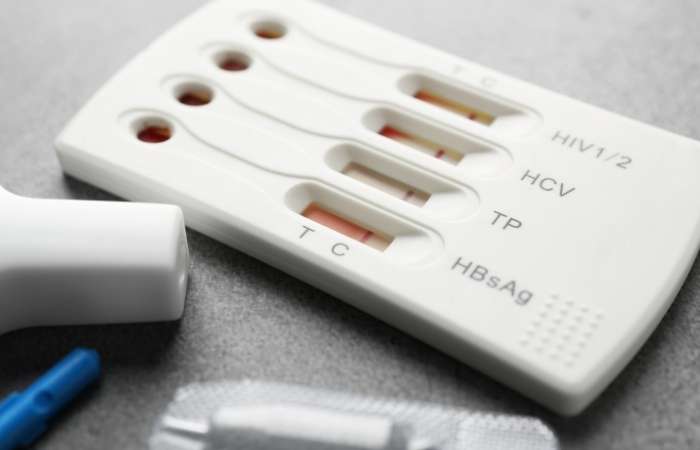
If you’re early in pregnancy or between OB appointments, at-home STD testing can be a powerful tool, especially for Chlamydia, Gonorrhea, and Trichomoniasis, which are often silent. Rapid test kits and mail-in lab tests let you screen without delay, even if you’re in a rural area or struggling with shame.
Here’s how the options compare:
| Method | Speed | Accuracy | Best Use |
|---|---|---|---|
| Rapid At-Home Kit | Results in 10–20 minutes | Moderate–high (depends on timing) | Quick peace of mind or early detection |
| Mail-In Lab Kit | 1–3 business days after shipping | High (lab-verified NAAT tests) | Comprehensive screening, partner testing |
| In-Clinic Testing | Same day to 1 week | Very high (gold standard) | High-risk cases or complex infections |
Figure 3. Comparison of STD testing options during pregnancy. Choose based on speed, privacy, and access.
Not sure which route to take? If privacy or partner conflict is an issue, discreet testing can help you take control. This Combo STD Test Kit is FDA-approved and ships in plain packaging.
You Deserve Peace of Mind, Not Panic
You don’t have to wait until your next scheduled appointment to get a sense of what’s going on. Maybe you’re unsure about your lover’s honesty, or maybe you want reassurance about your own health. Whatever your reason, STD Test Kits are there for times like these, when truth and tenderness are what you really need.
Are you five weeks pregnant? Or are you 35 weeks? Whatever your stage, knowledge is power. One test could save two lives.
When to Retest, and Why It Matters
Even after treatment, retesting is critical during pregnancy. You might feel fine. You might think it’s over. But reinfection happens, and timing affects fetal safety. For some STDs, one treatment isn’t enough if your partner wasn’t treated too. And for infections like Syphilis or HIV, early treatment doesn’t erase long-term monitoring needs.
General retest guidance during pregnancy:
- Chlamydia/Gonorrhea: Retest 3–4 weeks after treatment, then again in the third trimester if risk remains
- Syphilis: Retest at 28–32 weeks and before delivery
- HIV: Retest in the third trimester, especially if high-risk or new exposure
Here’s a typical scenario:
Jenna, 35, tested positive for Gonorrhea at her 12-week checkup. She was treated and assumed it was over. Her partner declined testing. At 30 weeks, she retested, positive again. This time, she insisted on couples’ care. Their newborn received preventive eye drops, but the extra stress could have been avoided.
Retesting isn’t about punishment, it’s protection. For you and the life you’re growing.
What If You’re Too Ashamed to Tell Your Partner?
This is more common than anyone wants to admit. Pregnancy can already feel vulnerable. Layer on a positive STD result, especially one that might suggest cheating, and you get silence, fear, and isolation. But not talking about it doesn’t erase the risk.
If you're not ready for a confrontation, here’s what you can do:
- Use anonymous partner notification tools
- Speak to a telehealth provider or sexual health counselor for scripts
- Frame it medically, not emotionally: “My doctor said we both need to be treated for the baby’s safety.”
Remember, you’re not the infection. You’re the person taking action. Whether your partner steps up is on them, not you.
Can You Still Have a Healthy Baby?
Absolutely. Most people with STDs during pregnancy go on to have healthy babies, especially when the infection is diagnosed and treated early. Even more serious conditions like HIV or Syphilis can result in safe deliveries with the right care plan. The key is testing, treatment, and retesting.
If you’re facing multiple infections, or if your result came late in pregnancy, you may have additional monitoring or delivery recommendations. Some infections may lead your provider to suggest a C-section to reduce transmission risk (like with active Herpes lesions).
But none of this makes you a failure. It makes you informed, and informed parents raise safe, supported babies.
Take the First Step, Even If It’s Just a Test
If you're sitting with a “what if,” don’t wait for symptoms, they may never come. If your OB hasn’t screened you for everything, ask. Or test from home if talking about it feels too hard right now. This Combo Kit checks for multiple infections in one go, and it’s designed to be private, fast, and judgment-free.
You don’t need certainty about your relationship to get certainty about your health. Start there.
The Emotional Fallout Is Real (But You’ll Get Through It)
No one warns you how personal STD testing can feel when you're pregnant. There's already so much pressure to do everything "right", eat right, sleep enough, avoid stress. Getting a positive result can feel like a betrayal of that ideal, even if it was never your fault to begin with.
But you are not dirty. You are not irresponsible. You are not alone.
Whether you were cheated on, didn’t know, or trusted the wrong person, you’re allowed to grieve and still be a great parent. STD stigma doesn’t belong in prenatal care. You took the step to learn the truth. That’s courage, not failure.
If you’re struggling, reach out to people who get it. Planned Parenthood counselors, online communities, trauma-informed doulas. This is your story to write, not theirs to judge.

FAQs
- 1. Can my baby actually catch an STD from me?
- Yep, depending on the infection, your baby can be exposed during pregnancy or delivery. Syphilis can cross the placenta. Gonorrhea and Chlamydia can pass through vaginal delivery. Herpes is risky if you have active sores during labor. But here’s the real headline: most of this can be prevented with early testing and treatment. You don’t need to spiral, you need a plan.
- 2. Is it even safe to treat STDs while pregnant?
- Totally. Doctors prescribe pregnancy-safe meds all the time, think penicillin for Syphilis or azithromycin for Chlamydia. Even antivirals for Herpes and HIV meds are carefully chosen to protect you and the baby. What’s actually unsafe is doing nothing and hoping for the best. If you’re unsure, ask your OB to walk you through your options, they’ve seen it all.
- 3. I didn’t get tested earlier. Is it too late now?
- Not even close. While early testing is ideal, third trimester screening is common, especially if you’ve had a new partner, symptoms, or just want peace of mind. You can also test from home if appointments are hard to get or you’re not ready to have that convo with your provider yet. A late test is still better than no test.
- 4. Do I really have to tell my partner?
- Short answer: yes. Long answer: you deserve support, not secrecy. If you’re not ready to talk, you can send an anonymous text through TellYourPartner.org. You can also keep it direct: “I got tested. You should too, for both of us.” If they flip out or gaslight you? That says more about them than your diagnosis.
- 5. Can I still have a healthy baby?
- Yes. Like, emphatically yes. Even with HIV, proper treatment can lower the risk of passing it to your baby to under 1%. With Chlamydia or Gonorrhea, antibiotics usually clear things fast. Syphilis? Caught early, it’s totally manageable. The horror stories online aren’t your destiny, they’re warnings to act, which you’re already doing.
- 6. Which STDs do they check for when you're pregnant?
- The standard lineup includes HIV, Syphilis, Chlamydia, Gonorrhea, and Hepatitis B. But not every provider checks for Herpes or Trichomoniasis unless you ask or have symptoms. If you want full coverage, say it out loud: “I want to be tested for everything.” That’s not dramatic, it’s smart.
- 7. Should I get tested again later in pregnancy?
- If you had a positive result earlier, yes. If your partner had a slip-up or you had a new encounter, yes. If you’re just paranoid and want to double-check before delivery? Also yes. There’s no award for guessing right, there’s only peace of mind for knowing for sure.
- 8. What happens if I ignore it and don’t treat it?
- That depends on the STD, but none of the options are great. Untreated Syphilis can cause miscarriage or serious birth defects. Gonorrhea and Chlamydia can lead to eye infections or pneumonia in newborns. Herpes can be deadly for a baby during birth if you have an active outbreak. We’re not trying to scare you, we’re trying to save you from preventable heartbreak.
- 9. Is at-home STD testing really okay while pregnant?
- Absolutely. If anything, it's one of the best ways to stay in control. Whether you’re rural, privacy-minded, or just over sitting in waiting rooms with cold stirrups, at-home kits are legit. Look for FDA-cleared ones with clear result windows, like this combo test. You’ll get answers fast, without side-eye from strangers.
- 10. Am I a bad mom for getting an STD?
- No. And let’s kill that shame right now. STDs happen in monogamous relationships. They happen when condoms break. They happen when someone lies. They happen when you trust, or when you don’t know. What makes you a good mom? Getting tested. Getting treated. Asking the hard questions. Protecting your baby. You’re already doing it.
You’re Not Broken. You’re Being Brave.
Being pregnant can already feel like walking a tightrope. Add a surprise STD diagnosis, and the shame spiral can hit hard. But you’re doing something powerful: facing truth for the sake of your baby, your body, and your future.
If you’ve tested positive or think you might be at risk, don’t stay frozen. Order a Combo STD Test Kit, or talk to your OB about full-panel screening. You are not the first person to go through this, and you won’t be the last. But your choice to act could change everything.
How We Sourced This Article: We combined current guidance from leading medical organizations with peer-reviewed research and lived-experience reporting to make this guide practical, compassionate, and accurate. In total, around fifteen references informed the writing; below, we’ve highlighted six of the most relevant and reader-friendly sources.