Preventing Chlamydia Among Gay Men: Effective Strategies
Why Gay Men Face Unique Chlamydia Risks Chlamydia spreads through unprotected oral, anal, and genital sex, but here’s the kicker: up to 85% of rectal infections in men who have sex with men (MSM) show no symptoms at all.

Quick Answer: Chlamydia prevention in gay men relies on a mix of regular testing (especially rectal and throat swabs), condom use, open partner communication, and harm-reduction strategies, because most cases have no symptoms and can still be passed on.
Why Gay Men Face Unique Chlamydia Risks
Chlamydia spreads through unprotected oral, anal, and genital sex, but here’s the kicker: up to 85% of rectal infections in men who have sex with men (MSM) show no symptoms at all. That means a guy can feel fine, look fine, and still pass it on to every partner he hooks up with over the weekend.
This isn’t about blame. It’s about biology and access. Most gay men aren’t getting swabbed in the right places. If you’re only getting tested through urine samples, or skipping the doctor altogether because of stigma, you might miss a rectal or throat infection entirely. Many clinics don’t automatically screen the throat or anus unless you ask. That silence creates blind spots in our collective prevention.
Layer that with dating apps, stigma, shame, or lack of culturally competent providers, and the picture becomes clearer: gay men aren’t at higher risk because of who they are, they’re at higher risk because of what’s not getting talked about, screened, or supported.

Meet Jordan: Why Testing Saved More Than His Health
Jordan, 26, lives in a mid-sized Southern city. He hadn’t tested in over a year, not because he didn’t want to, but because the last clinic misgendered him and made awkward comments about his “lifestyle.” When a new partner mentioned having tested recently, Jordan decided to finally book an appointment. “They swabbed my throat and my butt. I didn’t think that was even standard,” he said. “I had chlamydia in both. Zero symptoms.”
Jordan got treatment. More importantly, he called his three recent partners, two thanked him, one ghosted. “Even though it was uncomfortable, it made me feel like I was owning my health. Like this wasn’t something to be ashamed of.”
Stories like Jordan’s aren’t rare. But they don’t get told enough. Rectal chlamydia is often invisible, and without regular, multi-site testing, prevention strategies fall apart. Testing is care. Testing is control. And testing is prevention.
The Most Effective Prevention Strategy? Routine Screening
Let’s get this out of the way: condoms work. But they aren’t the whole story, and they don’t help if chlamydia is in your throat or if condoms weren’t used consistently. The single most reliable prevention tool is routine, site-specific STI screening. That means:
| Risk Level | Recommended Testing Frequency | Sites to Test |
|---|---|---|
| Low (monogamous relationship, no new exposures) | Once a year | Urethra (urine), optional rectal/oral based on behavior |
| Moderate (occasional new partners, inconsistent condom use) | Every 6 months | Urethral, rectal, and pharyngeal |
| High (multiple partners, anonymous sex, chemsex) | Every 3 months | All three sites: urethral, rectal, and throat |
Table 1. Frequency and site-specific guidance for MSM chlamydia screening based on behavior, not shame.
This isn’t paranoia, it’s pragmatism. The CDC and NHS both support these intervals for MSM. Don’t wait for symptoms. Don’t wait for a scare. Prevention starts with knowing, and knowing starts with testing.
Condoms Help, But They’re Not the Only Tool
Yes, condoms reduce chlamydia transmission. They create a barrier during anal and oral sex that limits bacterial spread. But their effectiveness drops if they’re used inconsistently, break during use, or not used for oral sex. For example, many men don’t use condoms during oral, assuming it’s low-risk. But studies show chlamydia can live in the throat and be passed between partners during oral sex, even if no ejaculation occurs.
That doesn’t mean oral sex is dangerous. It means we need layered prevention. Condoms + testing. Condoms + open conversations. And for those who choose to forego condoms? Prevention isn’t off the table. It just looks different.
That’s where harm-reduction comes in.
Harm Reduction for Gay Men: What It Really Looks Like
Harm reduction says: you don’t have to be perfect to be safe. You don’t have to use condoms 100% of the time to care about your health. It meets people where they are. For chlamydia prevention, that might mean:
- Testing every 3 months if you don’t use condoms consistently
- Discussing STI status before hookups or with regular partners
- Using lube to reduce friction and prevent condom breakage
- Limiting group or anonymous sex if feeling burned out or exposed
- Taking breaks from sex when you feel overwhelmed, not because of shame, but because you’re listening to your body
Prevention isn’t one-size-fits-all. It’s a toolkit. Choose what fits, and revise as your life, body, and partners change.
Do Oral or Rectal Douches Prevent Chlamydia?
Let’s be real: plenty of gay men douche before sex. But does it help prevent STIs? Unfortunately, not really. Some evidence suggests that certain douching solutions, especially those with soap or antiseptics, can actually increase the risk of rectal STIs by irritating the lining of the rectum.
If douching helps you feel more confident or comfortable during sex, choose saline-based solutions and avoid over-douching. Let the rectum rest. And remember: douching is not a prevention method. It's hygiene and preference, testing and barriers do the preventive work.
The Role of PrEP and Its Influence on STI Prevention
Pre-exposure prophylaxis (PrEP) has revolutionized HIV prevention. But what about chlamydia? PrEP doesn’t prevent bacterial STIs, but the regular clinic visits and testing required for PrEP use can significantly improve chlamydia detection and prevention. It builds a structure of accountability that includes quarterly STI screens.
Some people fear that PrEP leads to less condom use and more STIs. But research shows that while condom use may decline, the increased testing and partner transparency often result in earlier STI treatment and lower transmission rates over time.
If you're on PrEP, you're already doing prevention right. Just make sure you're getting tested at all three sites, urethra, throat, and rectum, every 3 months. And if you’re not on PrEP but fit the profile, talk to a provider. Even if it’s not for you, the conversation might surface new prevention options.
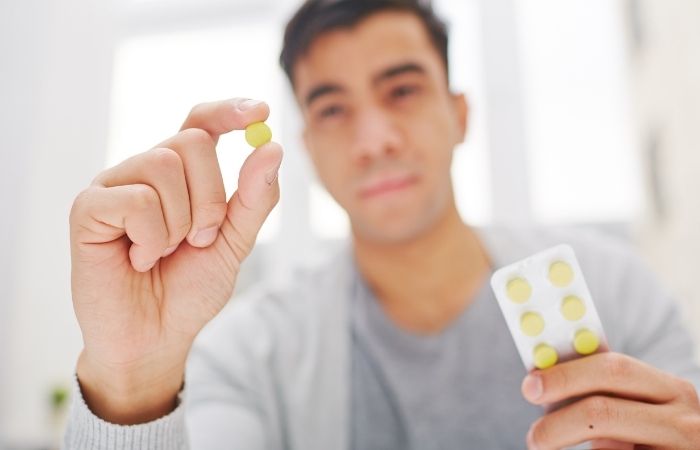
Your Testing Options: Clinic, Mail-In, or Rapid
Prevention isn’t just behavioral, it’s logistical. Where and how you test matters. If clinic stigma, scheduling, or distance are blockers, at-home test kits can bridge the gap.
| Method | Speed | Privacy | Accuracy | Good For |
|---|---|---|---|---|
| Clinic Testing | 1–3 days | Low–Moderate | Very High | Full panels, in-person care, symptomatic cases |
| Mail-In Kits | 3–5 days after mailing | High | High (if properly used) | People without clinic access or those needing multi-site testing discreetly |
| Rapid Tests | 10–15 minutes | Very High | Moderate–High (varies by brand) | Immediate peace of mind, frequent screeners |
Table 2. Comparing testing options for MSM chlamydia screening.
STD Test Kits offers discreet, doctor-reviewed options you can order online and use from home, ideal if you want speed, privacy, and control.
Partner Communication: The Prevention Step No One Talks About
Sometimes the most powerful prevention tool isn’t physical, it’s conversational. Talking with partners about testing, condom use, PrEP, or exposure risks helps you both make informed choices. These talks don’t have to be heavy. They can be flirty, direct, or casual, depending on your dynamic. What matters is clarity.
If you're thinking, “That’ll kill the mood,” remember: confidence is sexy. So is honesty. Try lines like:
- “Hey, before we hook up, I like to check in about testing. I got tested last month, how about you?”
- “Do you prefer condoms or no? I’m good either way but I like to align.”
- “I’ve been getting tested every 3 months, makes things easier for everyone.”
It’s not about getting a perfect answer, it’s about knowing what you’re walking into. And when someone handles that conversation with respect, it sets a foundation of safety, whether it’s a one-night stand or something more.
What to Do If You Test Positive
First: take a breath. A positive test for chlamydia isn’t a moral failing. It’s common, it’s treatable, and it happens, especially when prevention systems are imperfect or inaccessible. Treatment usually involves a short course of antibiotics (often doxycycline), and symptoms (if any) typically clear quickly.
Let recent partners know. This can feel terrifying, but it doesn’t have to be. You can message them directly, or use anonymous partner notification tools offered by clinics or online resources. Most people are grateful to know. And if someone reacts with cruelty, remember: that says more about them than you.
If your test was at home, confirm positive results through a lab or clinic, especially if you’re unsure about your result or still have symptoms after treatment. And don’t resume sex until treatment is done and your partner(s) are treated too, that’s how reinfection happens.
Reducing Shame, One Conversation at a Time
Stigma is one of the biggest barriers to STI prevention in gay communities. Too many men avoid testing because they fear judgment, from providers, partners, or themselves. But shame doesn’t protect anyone. What does? Transparency. Access. Reassurance. And a culture where sexual health is part of regular life, not a scandal.
Some of the most effective prevention happens peer-to-peer: a friend reminding you it’s time to test, a partner bringing up condoms before the second round, a guy at brunch sharing how easy that mail-in kit was. These moments matter. They change norms. They create safety.
Be that person for someone else. Or let someone be that for you.
FAQs
- 1. Can you actually get chlamydia from just oral sex?
- Yep, it happens more than people think. If someone has chlamydia in their throat, it can be passed on during a BJ, no ejaculation needed. It’s not the highest-risk route, but it’s still a risk. If you’re giving or getting oral without condoms and you haven’t tested recently, it’s worth getting your throat swabbed. Most clinics won’t do it unless you ask, so speak up.
- 2. I always use condoms, do I still need to test?
- Totally fair question. Condoms are awesome, but they’re not perfect. They can break, slip, or just not be used during oral or foreplay. Plus, some STIs (like chlamydia) can spread through areas not covered by condoms. Regular testing isn’t just for people who “take risks”, it’s for people who care. So yes, still test, even if you’re a condom pro.
- 3. What’s the point of testing if I feel fine?
- Just because you feel fine doesn't mean you don't have an infection. Chlamydia is called a "silent" STI for a reason, especially if it is in the throat or rectum. You could have it, give it to someone else, and never know. That's why regular screenings are so important. You don't wait until you're in pain to get a dental cleaning; you go because you want to stay healthy.
- 4. How soon after sex can I test for chlamydia?
- The sweet spot is usually 7 to 14 days after the encounter. Earlier than that and you might test negative even if you're infected. If you’re super anxious, you can test earlier and then retest at the two-week mark to be sure. Better to test twice than live in limbo. Especially if you’ve got symptoms, or a gut feeling something’s off.
- 5. How do I ask a new partner about their status without sounding like a buzzkill?
- Normalize it. “Hey, I test every few months, what about you?” or “Just curious, when was your last screen?” If someone freaks out about that, maybe they’re not your vibe. Sex is hotter when everyone feels safe. And honestly, most people respect the confidence that comes with owning your sexual health.
- 6. Can chlamydia go away on its own?
- Technically? Sometimes. But that’s not the move. Leaving it untreated can lead to bigger issues like inflammation, infertility, or increased HIV risk. Plus, you could keep passing it to partners. Chlamydia is super treatable with antibiotics. Why wait and wonder when you could clear it up fast and get back to feeling good?
- 7. I tested positive. Do I really have to tell my partners?
- It’s not the world’s most fun convo, but yeah, you should. Most people would rather know than keep passing something around unknowingly. You don’t have to write a speech. A simple text like “Hey, just a heads up, I tested positive for chlamydia. You might want to get checked too” works. Anonymous notification tools exist too if you’d rather not attach your name.
- 8. If I'm on PrEP, do I still need to worry about chlamydia?
- Definitely. PrEP protects against HIV, not other STIs. The good news? Most PrEP programs include regular STI screening, so you’re already in a solid routine. Just make sure your tests include all the right spots, especially if you're having oral or anal sex. You deserve full coverage, not just the bare minimum.
- 9. Is throat chlamydia even a big deal?
- It matters. Throat chlamydia usually doesn’t cause symptoms, but it can still be passed to others, and if untreated, it can linger. While it's less likely to cause long-term harm in your throat compared to the urethra or rectum, it’s still part of the transmission cycle. Testing the throat is quick, painless, and often skipped, so be that guy who asks for it.
- 10. Can I test at home and still trust the results?
- If you choose the right test and follow the directions, you can. At-home kits that use NAAT (nucleic acid amplification test) technology are as accurate as tests done in a lab. Rapid tests aren't as sensitive, but they're still useful if you need to test often or want to feel better quickly. Always check that the kit you are using covers the right body parts for the way you have sex.
Taking Control Starts With You
Whether you’re single, partnered, monogamish, or exploring, you deserve the tools to protect your health without shame. Chlamydia is common, but it’s also highly preventable when we normalize testing, talk about sex honestly, and access care without fear.
Your sexual health isn't a punchline. It's part of your power. Whether it's a test, a test kit, or a conversation with a partner, every step counts. Take the one that feels right to you.
How We Sourced This Article: We combined current guidance from leading medical organizations with peer-reviewed research and lived-experience reporting to make this guide practical, compassionate, and accurate. In total, around fifteen references informed the writing; below, we’ve highlighted some of the most relevant and reader-friendly sources. Every external link in this article was checked to ensure it leads to a reputable destination and opens in a new tab, so you can verify claims without losing your place.