What the New Mpox Cases Say About STI Stigma and Vaccine Access in 2026
Quick Answer: California’s 2026 mpox cases highlight how STI stigma and vaccine access gaps continue to shape who gets sick. That matters. S. residents without international exposure. But in late 2025, that changed. S.
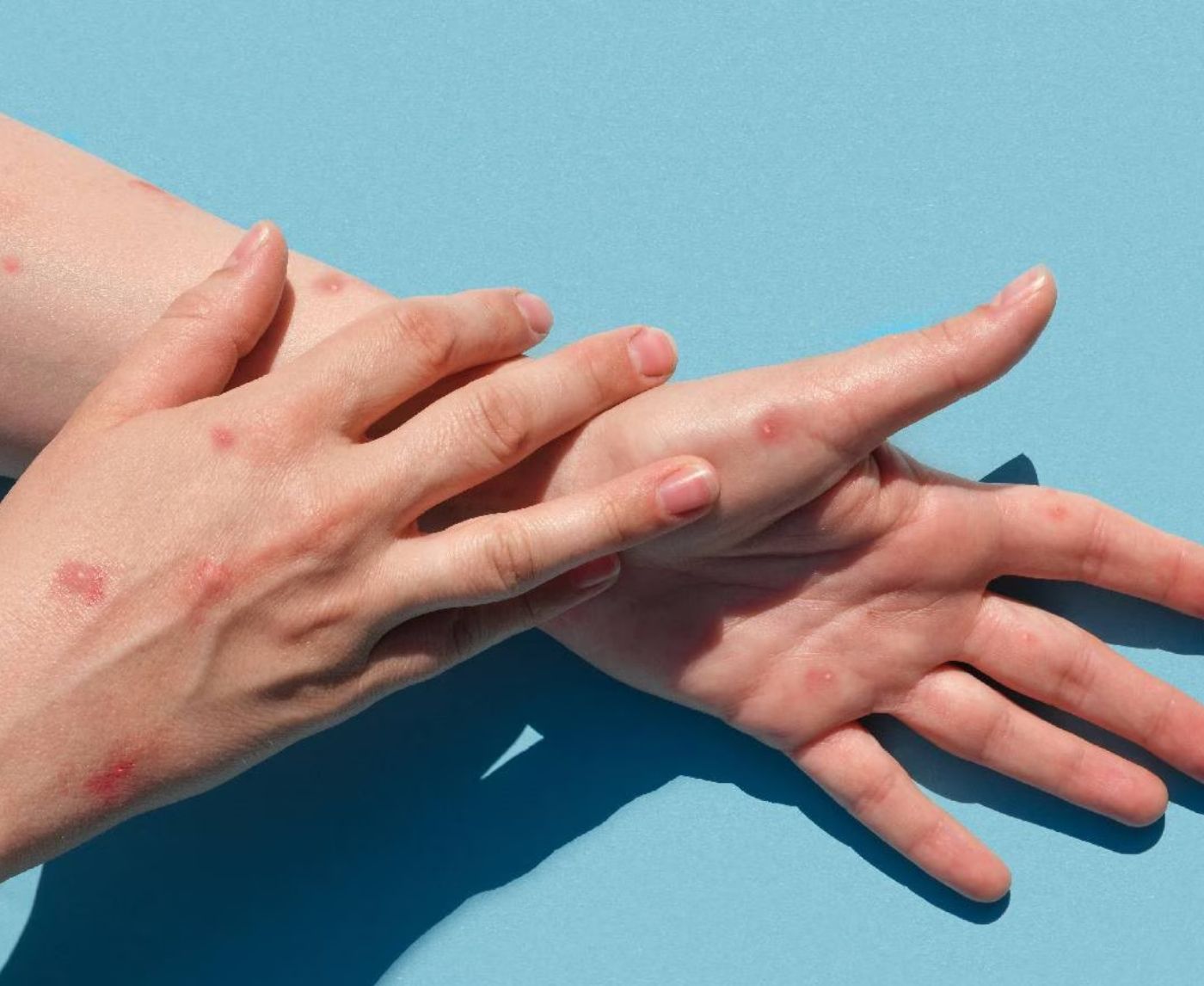
Quick Answer: California’s 2026 mpox cases highlight how STI stigma and vaccine access gaps continue to shape who gets sick. Many at-risk people remain unvaccinated, untested, or ashamed to speak up, making outbreaks worse and harder to track.
This Isn’t Just a “Travel Virus” Anymore
The new mpox cases in California don’t involve recent travel to West or Central Africa. That matters. Clade I of the mpox virus, long associated with higher severity, hospitalization, and even mortality, hadn’t previously shown up in U.S. residents without international exposure. But in late 2025, that changed. Several cases emerged in Los Angeles and Long Beach among individuals with no travel history. According to CDC updates, these are the first known instances of local transmission of clade I in the U.S.
All patients were hospitalized. All recovered. But the public health takeaway is sobering: mpox can now spread within American sexual networks without needing a “foreign” source. It’s not about travel anymore. It’s about access, stigma, and silence.
That’s especially true among communities already hit hard by mpox in 2022: gay, bisexual, and other men who have sex with men (MSM), particularly Black and Latinx men, as well as trans and nonbinary individuals who often face both medical bias and logistical barriers to care.
Why Shame Still Shapes Outbreaks
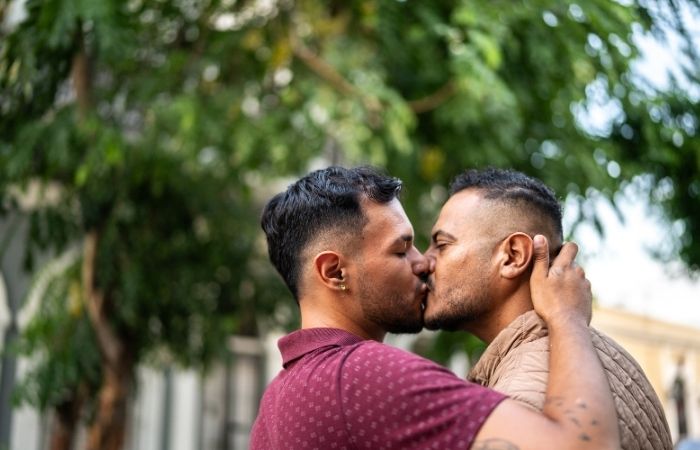
Mpox isn’t technically classified as an STI, but in most recent U.S. outbreaks, it’s acted like one. Close skin-to-skin contact, including sex, is a primary mode of transmission. But here’s the problem: that association brings with it an enormous amount of shame, especially when tied to marginalized identities.
“When I told my roommate I had mpox, she asked if I’d been to an orgy,” said one anonymous Reddit user in a 2026 support thread. “I just hooked up with one guy from Hinge.”
This kind of response isn’t rare. STI stigma teaches people that getting sick means you did something wrong. That you were “dirty” or irresponsible. That you deserve the silence and discomfort. This emotional landscape makes people less likely to get vaccinated, tested, or even talk about symptoms early, fueling exactly the kind of outbreak California is now seeing.
Providers can also be unsure at times. A 2023 study in Sexually Transmitted Infections found that almost 25% of primary care providers said they would only talk to LGBTQ+ patients about STI testing if they were asked to. That silence is dangerous.
Vaccines Exist, So Why Aren’t They Reaching People?
The irony? We already have a vaccine that can dramatically reduce the risk of mpox infection and severity. It’s called JYNNEOS, and it was deployed heavily in 2022 during the global mpox outbreak. But uptake has lagged.
In Los Angeles County, for example, only an estimated 60% of high-risk individuals completed the full 2-dose JYNNEOS series as of mid-2025, despite availability. Nationwide, uptake among queer men of color is even lower. Barriers include:
| Barrier | Real-World Example |
|---|---|
| Mistrust of medical institutions | Black queer men reporting fear of being judged or misgendered at clinics |
| Lack of awareness | Many unaware that a second dose is needed for full protection |
| Access issues | Long waits, limited evening hours, or ID requirements that out trans folks |
Table 1. Key barriers to JYNNEOS vaccine access in high-risk communities.
Until these issues are addressed systemically, not just through messaging, but through trust-building, funding, and clinic reform, mpox will continue to exploit the cracks in our public health infrastructure.
The Role of Misinformation and Mislabeling
The misinformation loop is part of what causes mpox outbreaks and the shame that comes after them. Even though the virus mostly spreads through close contact, news stories and social media posts often focus on sexual behavior in a way that makes it hard to tell the difference between clinical fact and moral judgment.
In 2022, the phrase "gay disease" came back in comments, just like it did during the early HIV crisis. Fast forward to 2026, and the words have gotten softer, but the meaning is still there. People still ask, "Is it safe to sit next to someone on the bus?" "Does hooking up mean I'm sick right away?" "Can I tell my doctor the truth without getting in trouble?"
These questions are important because stigma makes people wait to act. And when symptoms are hard to notice or are wrongly linked to something else, like they often are with mpox, that delay can be dangerous.
When Mpox Doesn’t Look Like the Brochure
Another reason for missed diagnoses? The symptom confusion is real. Many people don’t experience the classic full-body rash. Some only get a few localized lesions, on the genitals, in the mouth, or in hard-to-see areas. Others feel flu-like symptoms without a rash at all.
In a 2025 report from the CDC’s mpox clinical guidance, over 25% of clade I cases presented with genital lesions only, often misdiagnosed initially as herpes, syphilis, or even razor bumps. The lack of rash “textbook clarity” means people don’t always realize they’re contagious, or in need of care.
“I thought it was an ingrown hair,” said one anonymous caller to a Los Angeles STI hotline. “By the time I got tested, I’d already had sex with two new partners.”
These are the kinds of moments where silence wins and spread continues, not because of carelessness, but because of confusion wrapped in fear.
Dating Apps, Disclosure, and Digital Silence
The digital age offers plenty of ways to meet someone. But when it comes to disclosure, especially about something like mpox, the tools often fall short. Most dating apps don’t have dedicated health disclosure features, and few users feel safe bringing up symptoms or recent exposures when trying to make a connection.
“There’s no ‘I might have a rash’ button,” said José, a 27-year-old living in downtown LA. “You either ghost someone or lie through omission.”
This tech gap means people are left managing risk and honesty without support. And for queer users, who already navigate stigma in both health and dating spaces, the burden is doubled. Public health agencies have tried partnering with apps like Grindr and Tinder to push alerts or vaccine info, but those efforts are sporadic, inconsistent, and often underfunded.
The result? A perfect storm: symptoms that don’t scream “urgent,” dating platforms that encourage closeness but not disclosure, and a culture that still equates STI risk with shame.
Who Gets Sick, and Who Gets Blamed?
Mpox makes it very clear how identity, access to health care, and public blame are all connected. In 2022, LGBTQ+ groups quickly got to work, sharing information, promoting vaccine events, and setting up community care pods. But they also had to deal with a lot of stigma, since the media often portrayed them as both victims and carriers.
That pattern keeps going until 2026. Even though there is a lot of outreach in the community, queer and trans people, especially those of color, are still more likely to face:
| Systemic Barrier | Impact |
|---|---|
| Lack of LGBTQ-affirming providers | Delays in testing or misdiagnosis due to provider discomfort or bias |
| Documentation mismatches | Trans patients denied care when ID doesn’t match insurance or appearance |
| Fear of outing | People avoiding clinics to keep sexual identity private from family or work |
Table 2. System-level dynamics increasing STI burden among marginalized groups.
Mpox exposes the same inequities we've seen with HIV, COVID, and hepatitis: those most at risk are often least protected, and most blamed when things go wrong.
Breaking the Shame Cycle: Testing as an Act of Power
For all the fear and silence around mpox, there’s one clear truth: testing changes everything. Not just because it can confirm an infection, but because it reclaims control. Knowing your status is the difference between spiraling and planning. Between passing something on and protecting someone you care about.
But for many, even reaching that first step, getting tested, is tangled in emotional knots. “I waited because I didn’t want to see the look on my nurse’s face,” said one anonymous user in a public health Reddit thread. “It felt like confessing a sin, not taking care of myself.”
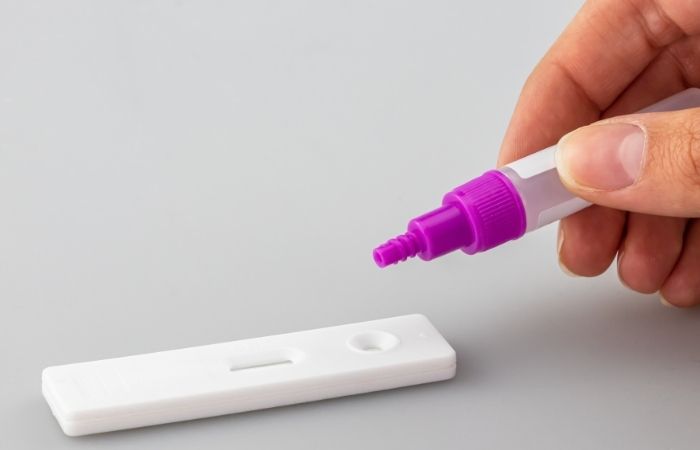
That’s why at-home testing is a game-changer. It offers privacy, speed, and space to make decisions without judgment. And while rapid mpox tests are still clinic-based as of 2026, many other STIs, chlamydia, gonorrhea, syphilis, can be screened at home with discreet kits.
If you're not sure whether what you're feeling is mpox, herpes, or just a heat rash, getting tested is the fastest way to stop the worry spiral. And you don’t need a full diagnosis to start protecting your health.
Whether it’s a bump or a question mark, you deserve to know. This at-home combo test kit can check for multiple STDs quickly and discreetly.
What California Is Getting Right (and What Still Needs Work)
To its credit, California’s public health response to the new clade I mpox cases was swift. Health departments in Los Angeles County and Long Beach launched contact tracing, mobilized outreach to at-risk populations, and emphasized access to JYNNEOS vaccines through pop-up clinics and community events.
But even the best responses can’t fully undo the damage of years of underfunding, siloed care, and fractured trust. As Dr. Vanessa Lopez of UC Irvine noted in a 2025 LA Times interview, “We can’t just drop in for the outbreak and then disappear again. Trust takes consistency, and visibility.”
Several California-based clinics have piloted affirming care programs focused on queer and trans patients, integrating STI testing, mpox info, and mental health support into a single appointment. It’s working, but it's not yet widespread. The future of STI care will depend on how well these models get funded, replicated, and scaled beyond crisis windows.
Mpox, Memory, and What We Learn Too Late
What mpox teaches us in 2026 is what HIV taught us in the '80s, and what COVID echoed again: outbreaks don’t just follow viral mechanics, they follow injustice. Who gets sick, who gets tested, who gets shamed, all of it is shaped by what systems value and who they exclude.
Mpox was never “just a skin disease.” It was a mirror. A rash that showed where we were still uncomfortable talking about sex. A fever that exposed what happens when shame delays care. And a vaccine that, despite being free and available, remained out of reach for many who needed it most.
The virus itself may fade. But the lessons? They’re just starting to surface.
FAQs
- 1. Is mpox even an STD?
- Not officially, but let’s be real, if it spreads mostly during sex, walks like an STI, and leaves bumps in the same places as herpes or syphilis... people are going to treat it like one. And that’s exactly why the stigma sticks. Technically, it’s a virus that spreads through close physical contact, but sex is one of the most common ways it passes between people. So yeah, the label may be fuzzy, but the risk is real.
- 2. I just have one weird bump. Could it be mpox?
- It could. Especially if it’s painful, new, or shows up near your mouth, genitals, or anus. Mpox doesn’t always cover your whole body, sometimes it’s just one or two stubborn lesions in places people don’t see unless you’re naked. If you're even a little unsure, get it looked at. People have mistaken mpox for ingrown hairs, pimples, or even bug bites. Trust your gut and don't wait it out in silence.
- 3. What’s the deal with clade I vs clade II?
- Think of it like mpox 1.0 and mpox 2.0, except 1.0 (clade I) is nastier. It’s more likely to land you in the hospital, and before now, it was mostly seen in parts of Central Africa. The recent California cases were clade I, and none of the people infected had traveled. That’s a first for the U.S., and it’s why public health experts are sounding the alarm.
- 4. Can I get mpox from kissing or cuddling?
- Absolutely. Mpox spreads through skin contact, and that includes kissing, oral sex, grinding, spooning, or even sharing things like towels or bedding with someone who has it. It doesn’t take full-on intercourse. Basically, if you're swapping sweat, saliva, or sheets, you could be swapping mpox too.
- 5. Do I really need both doses of the mpox vaccine?
- Yes. The JYNNEOS vaccine comes in two doses, and while one offers some protection, you’re not fully covered until you finish the series. It’s like taking half an antibiotic course, your body won’t have the full defense. If you stopped at one, it’s not too late to catch up. Most health departments can help you find a dose quietly and quickly.
- 6. Why are queer communities more impacted?
- Not because of who we are, but because of how systems treat us. Mpox has hit LGBTQ+ folks harder because of tight social and sexual networks, yes, but also because we’ve been under-resourced, misdiagnosed, and sidelined in health care forever. This isn’t about blame. It’s about neglect. And resilience. Because we’re also the ones showing up, getting tested, hosting vaccine drives, and taking care of each other when no one else does.
- 7. Is there a way to test for mpox at home?
- Not yet. As of 2026, mpox testing still requires a clinic or provider to collect a swab from a lesion. But you can absolutely test for other STDs at home, like chlamydia, gonorrhea, syphilis, and even HIV. If you’re not sure what’s going on down there, an at-home kit is a solid first step while you wait on a clinic appointment.
- 8. Will condoms protect me from mpox?
- Sort of. Condoms are great, they reduce the risk of a bunch of STIs. But mpox can live on skin outside the areas condoms cover, like thighs, butt, mouth, or even hands. So they help, but they’re not a guarantee. Think of them as a layer, not a shield.
- 9. Why do people still hide their symptoms?
- Because shame is powerful, and brutal. Even in 2026, people still get judged for getting sick. We've been taught that STDs are dirty, that getting infected means you're reckless, or that you “should’ve known better.” That kind of stigma shuts people up. It makes them avoid clinics, skip vaccines, lie to partners, or ghost when they feel symptoms. That silence helps the virus spread. But you can break that cycle, by speaking up, getting tested, and choosing care over shame.
- 10. How do I tell someone I might have exposed them?
- With honesty and care. Start with, “Hey, I found out I might have been exposed to something, and I just want you to be safe too.” Share what you know. Offer links to info or clinics. You’re not confessing a crime, you’re showing respect. And if they freak out? That’s on them, not you. You did the right thing.
You Deserve Answers, Not Assumptions
Mpox doesn't just live in headlines. It lives in skin. In systems. In silence. The new cases in California are a wake-up call, not to panic, but to pay attention. To dismantle stigma. To make vaccines accessible. To stop blaming people for getting sick and start supporting them in getting well.
If you're worried, you're not alone. You don’t need to justify your symptoms to deserve care. You just need access, options, and the right tools. And those exist.
Don’t wait and wonder, get the clarity you deserve. This at-home combo test kit checks for the most common STDs discreetly and quickly.
How We Sourced This Article: We combined current guidance from leading medical organizations with peer-reviewed research and lived-experience reporting to make this guide practical, compassionate, and accurate. In total, around fifteen references informed the writing; below, we’ve highlighted six of the most relevant and reader-friendly sources.