Can Frequent Herpes Outbreaks Lead to Cancer?
Quick Answer: Frequent herpes outbreaks have not been proven to directly cause cancer. Co-infections like HPV pose a far higher risk. Her outbreaks were brutal, five in her first year alone. Herpes isn't just skin-deep.
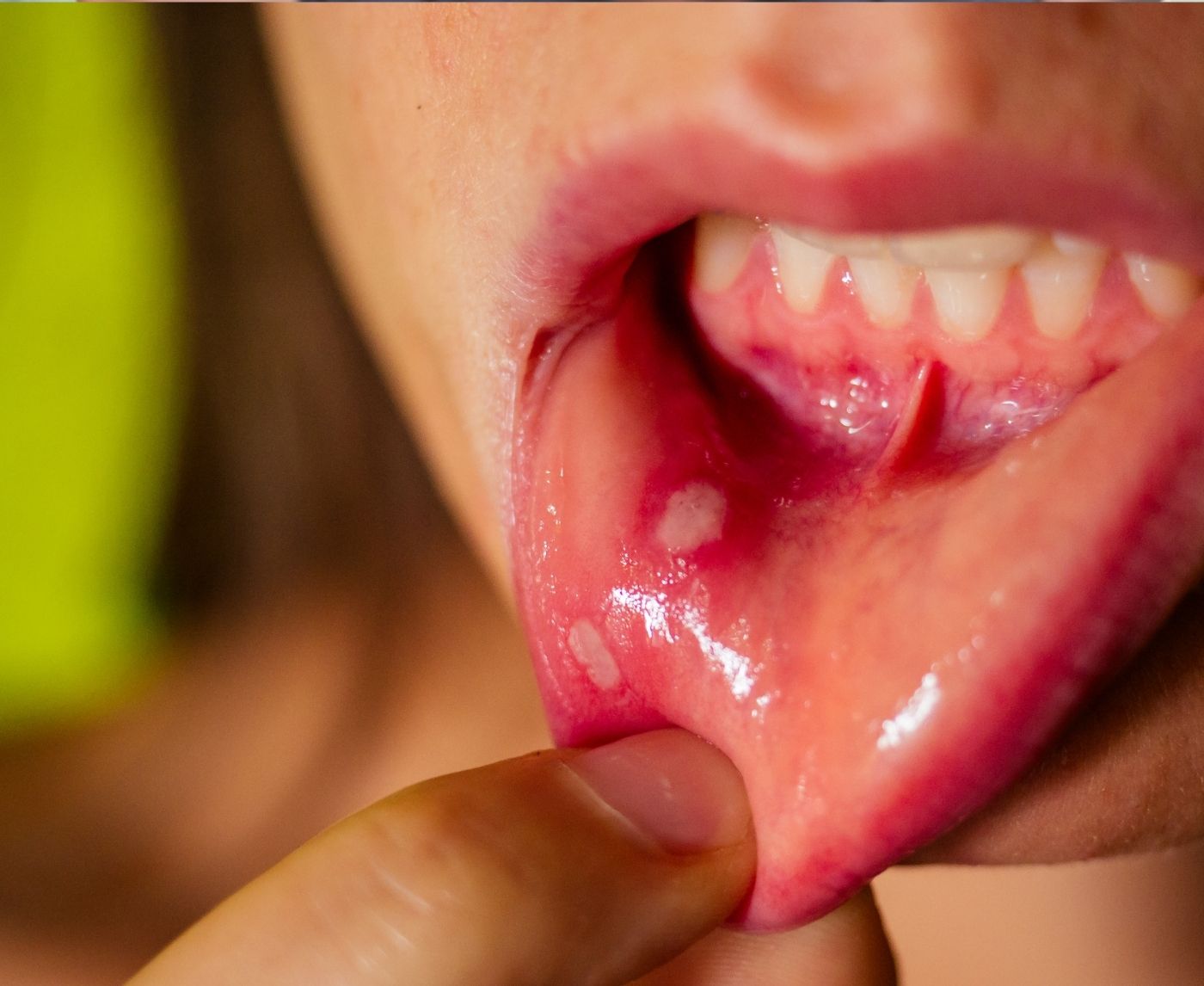
Quick Answer: Frequent herpes outbreaks have not been proven to directly cause cancer. While chronic inflammation and immune suppression can increase cancer risk in general, there’s no solid evidence that HSV-1 or HSV-2 alone leads to malignancy. Co-infections like HPV pose a far higher risk.
This Isn’t Just a Rash, And You’re Not Overreacting
Lena, 27, first tested positive for HSV-2 two years ago. Her outbreaks were brutal, five in her first year alone. “I felt like I was constantly healing or waiting for the next one. It made me afraid of my own body,” she said. The real panic set in when she stumbled across a Reddit thread claiming that chronic herpes could lead to cervical cancer.
Herpes isn't just skin-deep. The fear it stirs can dig into the bones. And when you already feel betrayed by your immune system, the idea that your own cells might turn on you too? That's terror in slow motion. But here’s where we slow down and dig in: Is there a medical basis for that fear?
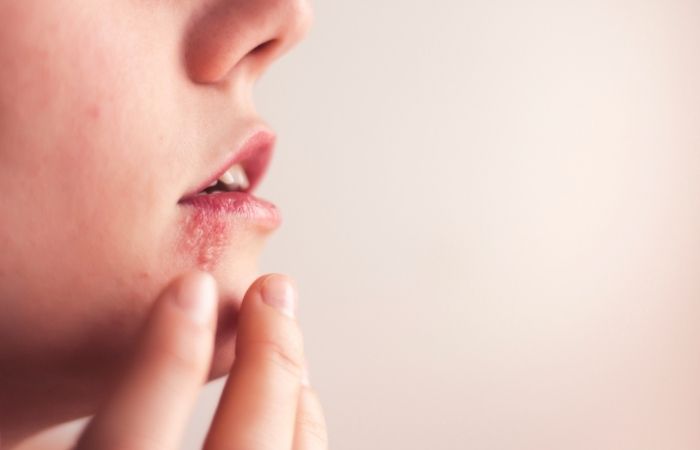
Viruses and Cancer: Who’s Actually on the List?
To understand whether herpes belongs in the cancer conversation, we need to look at the short list of viruses that science has definitively linked to human cancers. The biggest culprits are:
| Virus | Cancers Associated | How It Contributes |
|---|---|---|
| HPV (Human Papillomavirus) | Cervical, anal, throat, penile | Integrates into DNA; disrupts tumor suppressor genes |
| EBV (Epstein-Barr Virus) | Hodgkin lymphoma, nasopharyngeal carcinoma | Immortalizes B cells; promotes uncontrolled growth |
| HBV / HCV (Hepatitis B & C) | Liver cancer | Chronic inflammation and liver damage |
| HTLV-1 | Adult T-cell leukemia | Alters immune cell behavior |
| HIV (via immunosuppression) | Kaposi sarcoma, lymphomas | Weakens immune defense against cancer cells |
Figure 1. Known oncogenic viruses and their associated cancers. Note: HSV is not on this list.
So why does herpes come up in these discussions? The confusion often stems from two things: (1) the fact that HSV is a chronic viral infection, and (2) early lab studies that hinted at possible DNA effects in test tubes. But test tubes aren’t human bodies. And decades of population studies haven’t shown herpes leading to cancer the way HPV does.
What the Research Actually Says About Herpes and Cancer
For decades, scientists have looked into the idea that the herpes simplex virus can cause cancer. Some early studies from the 1980s and 1990s suggested that there might be a link between HSV-2 and cervical cancer. But later, more thorough studies showed that those links were probably caused by co-infection with HPV, which is what really causes changes in the cervix. HSV-2 could have been there, but it wasn't in charge.
The Journal of the National Cancer Institute published a meta-analysis in 2003 that looked at several studies and found no strong or consistent link between HSV-2 and cervical cancer. Recent reviews have confirmed that HSV can be present in cancerous tissues, but it doesn't always mean that it is the cause. It's like seeing smoke near a fire but not the match that started it.
Inflammation: The Silent Partner
This is where things get complicated. The immune system reacts to herpes outbreaks. White blood cells rush in, cytokines are released, and localized inflammation helps the body fight off the virus and heal tissue. This is good for you in small amounts. But if outbreaks happen a lot, the cycle of damage and repair gets tiring.
Long-term, low-grade inflammation has been linked to cancer across many diseases. Chronic hepatitis? Liver cancer. Inflammatory bowel disease? Colon cancer. Could recurrent herpes do the same? Possibly, but current evidence suggests that HSV-related inflammation is too localized and self-limiting to create the kind of long-term cellular stress that leads to malignancy.
Still, researchers aren’t dismissing the idea entirely. The immune system is a complex web. If your outbreaks are constant, your immune response is always “on,” and your cells are working overtime. That’s not a smoking gun, but it’s enough to justify more study.
When the Immune System Gets Tired, And What That Means for Cancer Risk
Imagine your immune system as a 24/7 security team. Every time you have a herpes outbreak, that team is called into action. But what happens when they're overworked or distracted by something else? In people with HIV, those undergoing chemotherapy, or anyone with chronic immune suppression, frequent HSV reactivation can complicate things.
Here’s the nuance: HSV doesn't cause cancer, but when your immune system is compromised, your body becomes more vulnerable, not just to viral flare-ups, but to rogue cells slipping past undetected. And that's where cancer risk increases: not because herpes is the culprit, but because the firewall that normally catches abnormal cells is down.
This is especially true when co-infections are in play, specifically HPV, which is both common and a known carcinogen. In these cases, chronic immune distraction caused by HSV might allow HPV to do more damage unchecked.
What Happens When You Have Herpes and HPV?
If you have herpes and have tested positive for HPV (or suspect you might have it), you're not alone. Many sexually active adults carry both viruses without knowing it. The issue is that HPV, especially high-risk strains, can cause cancer. And when the immune system is already preoccupied with another virus (like HSV), some researchers worry that HPV may be more likely to persist and progress.
A 2005 study in the journal Cancer Epidemiology, Biomarkers & Prevention found that HSV-2 might act as a co-factor in cervical cancer progression, but only when HPV was also present. That distinction is crucial. Herpes might accelerate the damage in specific high-risk contexts, but it is not the origin of the threat.
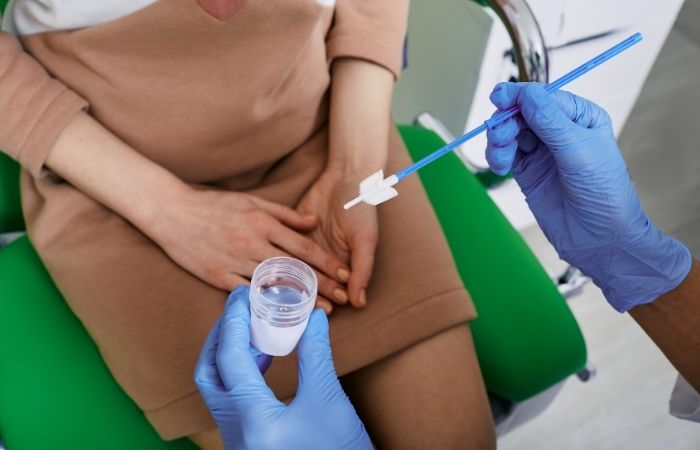
That’s why cervical cancer screening (like Pap smears and HPV tests) is so important, even if you don’t have any symptoms. And why managing herpes outbreaks and keeping your immune system strong matters, even if it doesn’t directly “cause” cancer.
Real Talk: When the Fear Feels Bigger Than the Risk
Jared, 33, found out he had HSV-1 genitally after a college hookup. “I remember reading some conspiracy theory site saying herpes lives in your spine and causes brain cancer. I couldn’t sleep for days,” he told us. It wasn’t just misinformation. It was shame weaponized with science-y language.
We get it. The internet can be a terrifying place when you’re Googling between outbreaks. But let’s be blunt: **there is zero evidence that HSV-1 causes brain cancer**. Herpes does reside in the nerves (in a dormant state), and it can reactivate, but it doesn’t mutate neurons into tumors.
Still, Jared’s anxiety was valid. Chronic illness, even something as common as herpes, comes with fear. What matters is putting that fear in perspective and getting clear, evidence-based answers.
Herpes, Cancer, and the Risk Reality Check
| Scenario | Cancer Risk Increase? | Why or Why Not? |
|---|---|---|
| Frequent HSV outbreaks, no co-infections | No proven increase | Localized inflammation, but no systemic DNA changes |
| HSV and high-risk HPV co-infection | Yes, moderate increase | HPV is oncogenic; HSV may reduce immune response |
| Herpes + immune suppression (e.g., HIV) | Possible indirect increase | Weakened immunity may allow other cancers to develop |
| Oral HSV-1 only | No current evidence of risk | No strong links to oral cancer when HPV is absent |
| Genital HSV-2 only | No direct link found | Past theories debunked; HPV is main concern |
Figure 2. Summary of scenarios and whether herpes increases cancer risk.
What You Can Actually Do to Stay Safe
Let’s shift the conversation from fear to power. If you’re living with recurrent herpes outbreaks, here’s what you can control:
- Get tested regularly: Knowing whether you also have HPV is crucial. Same with chlamydia, gonorrhea, and syphilis, all of which can affect immune function and symptoms.
- Manage outbreaks: Prescription antivirals like valacyclovir can make them happen less often and less severely. Stress management, sleep, and nutrition can also help. Less inflammation means less noise in the body.
- Protect your immune system: Stay up-to-date on vaccines, reduce alcohol and tobacco use, and treat chronic conditions like diabetes or HIV with a provider.
- Use condoms and dental dams: While they don't eliminate all risk, they reduce transmission and lower your chance of co-infections that can change your health profile long-term.
And if you need clarity without walking into a clinic or waiting weeks for results, there’s this:
Don’t wait and wonder. Order a discreet at-home STD test kit that checks for herpes, HPV, and more, so you can act on facts, not fears.
What Clinicians Actually Say About Herpes and Cancer
Let’s zoom out of Reddit threads and into actual medical offices. What do doctors, virologists, and oncologists say about the supposed link between herpes simplex virus and cancer?
“We see a lot of unnecessary fear around HSV,” says Dr. Alondra Reyes, a virologist who works in infectious disease surveillance. “There is absolutely no evidence that HSV on its own causes cancer. The concern is more about immune load and managing co-infections like HPV.”
Dr. Marcus Lin, an oncologist, agrees. “Chronic inflammation is something we do watch for across many conditions. But the level and type of inflammation caused by herpes outbreaks, especially when managed, doesn’t match the profile of pre-cancerous tissue changes. We don’t consider herpes itself a cancer risk.”
This echoes what organizations like the American Cancer Society and the CDC continue to affirm: while some viruses are carcinogenic, herpes isn’t on that list.
What About All That “Dormant in Nerve Cells” Stuff?
One of the scarier-sounding things about herpes is that it goes dormant inside your body. Specifically, HSV hides in nerve cells near the spine (in what’s called the dorsal root ganglia), where it can lie low and reactivate periodically.
But let’s be clear: hiding in a nerve cell isn’t the same as hijacking it. The virus doesn’t change the DNA of that cell. It doesn’t integrate into your genome. It doesn’t make nerve cells cancerous. It’s more like it rents a storage unit there, then comes out when triggered by stress, illness, or hormonal changes.
This is completely different from what viruses like HPV or Hepatitis B do. Those viruses interfere with DNA replication and can lead to mutations in dividing cells. HSV doesn’t behave like that. It’s stealthy, yes. But it’s not transforming your biology.
Myth vs. Reality: Herpes and Cancer Edition
| Claim | True? | Explanation |
|---|---|---|
| “Herpes causes cervical cancer.” | No | HPV causes cervical cancer. HSV may be present, but it's not the driver. |
| “Frequent outbreaks increase cancer risk.” | Unproven | Localized inflammation occurs, but there’s no evidence it causes cancer. |
| “HSV hides in your DNA and mutates cells.” | No | Unlike HPV, HSV does not integrate into human DNA. |
| “You’re more likely to get cancer if you have herpes.” | Not directly | Risk may rise with co-infections or immune suppression, not HSV alone. |
| “Herpes can trigger inflammation linked to cancer.” | Maybe | Chronic inflammation is a cancer risk, but herpes inflammation is usually short-lived and localized. |
Figure 3. Common fears vs. scientific evidence about herpes and cancer.
Living with Recurrent Herpes: What Long-Term Health Looks Like
If you’re one of the millions of people managing frequent HSV outbreaks, you know it’s more than an inconvenience, it’s a rhythm your life starts to sync to. You track triggers, watch your stress levels, check your body for twinges before a date or vacation.
But it’s also manageable. Most people find that after the first year or two, outbreak frequency drops significantly. Planned Parenthood notes that antiviral medication, even taken daily, can reduce recurrence by up to 80% and lower transmission risk by almost half. That’s not just relief, it’s protection for your partners, too.
And while the question of cancer risk might linger, it shouldn’t dominate your care plan. Your real risk reduction comes from knowing your body, treating co-infections, and staying proactive with screenings.
Think of it this way: Herpes is an emotional weight. But it doesn’t have to be a medical bomb ticking inside you.

FAQs
- 1. Can frequent herpes outbreaks really cause cancer?
- Nope. The science just doesn’t support that. Even if your outbreaks are coming every month, that doesn’t mean your cells are mutating into cancer. What researchers look for is systemic, DNA-level damage, and herpes doesn’t do that. It's a chronic skin-level infection, not a cancer-triggering invader like HPV.
- 2. So why do people think herpes causes cancer?
- Mostly internet fear loops. Some early studies hinted at a connection, but they’ve since been debunked or clarified. A lot of that confusion comes from mixing up HSV (herpes simplex virus) with HPV (human papillomavirus), which *can* cause cancer. They’re two different viruses with totally different risk profiles.
- 3. If I have both herpes and HPV, should I be worried?
- A little more, yes, but don’t panic. HPV is the one to watch, especially high-risk strains. Herpes might make it harder for your immune system to clear HPV, but it’s not adding cancer fuel by itself. That’s why Pap smears and HPV tests are so key if you have a cervix, and why managing both infections matters.
- 4. Does herpes live in your body forever?
- It does, but not in a horror-movie way. Herpes goes quiet (what doctors call “latent”) in your nerve cells, then reactivates sometimes. It doesn’t change your DNA. It doesn’t sneakily “turn into” cancer down the line. Think of it like a rude roommate who shows up now and then, but doesn’t steal your identity.
- 5. Can oral herpes give you throat or mouth cancer?
- Not based on current research. HPV, especially strain 16, is the main suspect for throat cancers. While herpes can cause sores in the mouth, there’s no solid evidence it causes tumors. If you smoke, drink heavily, or have high-risk HPV, that’s a different story, but herpes alone? Not the culprit.
- 6. Does managing herpes help reduce any long-term risk?
- Absolutely. Not necessarily cancer risk, but managing outbreaks helps reduce inflammation, pain, and transmission. Antivirals can cut recurrence dramatically. Bonus: by calming your immune system, you make space for it to fight off other things, like HPV or bacterial infections, more effectively.
- 7. Should I be getting extra cancer screenings because I have herpes?
- Not unless you have another reason. Follow the normal screening guidelines for your age and anatomy (e.g., Pap smears, colonoscopies, mammograms). Herpes doesn’t change that roadmap unless you’re also dealing with something like HIV or immune suppression.
- 8. Is herpes dangerous if I have HIV or another immune condition?
- It can be more intense, yeah. Outbreaks may be more frequent or severe. And because your immune system is already working overtime, it’s extra important to stay on top of all your infections, including HSV. That doesn’t mean you’re guaranteed to get cancer. It means your body needs a little more help staying balanced.
- 9. What if I’m just scared and overwhelmed by all of this?
- You are not alone, and you are definitely not overreacting. Fear spirals are a thing, especially when your body feels like it's unpredictable. The best remedy for that is always education, resources, and taking action. This could range from testing to starting antivirals to simply talking to someone who understands what you're going through.
- 10. Can I live a full, sexy, healthy life with herpes?
- 100%. People do it every day. Herpes is common, manageable, and absolutely not a barrier to intimacy, relationships, or health, unless we let fear write the story. With the right tools and facts, you’re still in the driver’s seat.
You Deserve Facts, Not Fear
Herpes can feel like a sentence. But it’s not a death sentence, and it’s not a cancer diagnosis. If you’ve been terrified by online misinformation or whispered warnings from people who heard “something” once, take a breath.
The science is on your side. Experts are on your side. And with the right testing and support, you can manage HSV without living in fear of something bigger.
Not sure what you might have, or do you want to see if you have something like HPV or syphilis? Well, start with an at-home test kit. It is fast, it is discreet, and it puts you in control.
How We Sourced This Article: We've partnered current recommendations offered by prestigious medical groups with peer-reviewed studies and personal experiences to compile the most practical, empathetic, and informative resource. A total of about fifteen sources were considered for creating this document, and some key sources are mentioned below.