UTI, Friction, or STD? Why Burning After Sex Comes and Goes
Quick Answer: Burning after sex can come from friction irritation, a urinary tract infection (UTI), or a sexually transmitted infection like chlamydia or gonorrhea. Maybe there’s a sting when urine hits the urethra.

Quick Answer: Burning after sex can come from friction irritation, a urinary tract infection (UTI), or a sexually transmitted infection like chlamydia or gonorrhea. Friction irritation usually fades within a day or two, while persistent burning, urinary urgency, or discharge may signal infection and should be evaluated or tested.
First, Let’s Talk About the Moment Most People Notice the Burning
It usually happens in a pretty ordinary setting. You’re in the shower, or standing in the bathroom after sex, when you suddenly notice that something feels off. Maybe there’s a sting when urine hits the urethra. Maybe the skin around the genitals feels irritated or raw.
For many people, that sensation disappears by the next morning. But sometimes it lingers, comes back the next time you pee, or reappears a day or two later. That “burning comes and goes” pattern is exactly what sends people spiraling through Google searches trying to figure out whether it’s a UTI, friction, or an STD.
In reality, those three possibilities overlap far more than people expect. Friction from sex can irritate delicate genital tissue. A UTI can start subtly and worsen over a few days. And certain STDs can cause burning with very few other symptoms.
Understanding the differences starts with looking at the biology behind each one.

Three Common Reasons Burning Happens After Sex
Sex involves friction, pressure, body fluids, and bacteria interacting with extremely sensitive tissue. That means a burning sensation afterward isn’t unusual. The challenge is figuring out whether the cause is temporary irritation or something that requires treatment.
| Possible Cause | What’s Happening in the Body | Typical Timing | Other Signs |
|---|---|---|---|
| Friction irritation | Skin or urethral tissue becomes inflamed from rubbing during sex. | Immediately after sex, improves within 24–48 hours. | Redness, mild soreness, temporary burning. |
| Urinary tract infection (UTI) | Bacteria enter the urethra and begin multiplying in the urinary tract. | Usually begins within 1–3 days after sex. | Frequent urination, urgency, pelvic pressure. |
| Sexually transmitted infection | Bacteria such as chlamydia or gonorrhea infect the urethra or genital tissues. | Symptoms may appear days to weeks later. | Burning urination, discharge, pelvic pain, or no symptoms at all. |
The key detail here is timing. Friction-related irritation tends to show up quickly and fade fairly quickly. UTIs often escalate over several days. STDs can take longer to appear and sometimes produce only mild symptoms.
This is why a burning sensation that appears once and disappears may not mean infection at all. But burning that persists or keeps returning deserves a closer look.
When Burning Is Probably Just Friction
Sex can be enthusiastic. Sometimes very enthusiastic. And the genital area is made of delicate mucosal tissue that doesn’t love prolonged rubbing.
If you’ve ever had a long night of sex followed by that raw, slightly stinging feeling the next time you pee, you’ve experienced friction irritation. It’s similar to what happens when you get a mild rug burn on your skin.
Friction irritation can happen for a few reasons. Lack of lubrication is one of the most common. Even people who naturally produce lubrication can experience dryness during extended sex sessions. Condoms, certain lubricants, and even shaving can also increase skin sensitivity.
In those cases, the burning sensation is usually mild and temporary. It might sting the first few times you urinate, but the tissue heals quickly. Within a day or two the discomfort fades.
A sexual health educator once explained it to a patient like this: “If the burning feels like your skin is annoyed rather than your bladder being angry, it’s often just friction.”
That said, irritation can also make tissue more vulnerable to infection. If burning doesn’t improve within a couple of days, it’s worth paying closer attention.
When Burning Starts to Look More Like a UTI
Urinary tract infections are one of the most common reasons people experience burning after sex. During sexual activity, bacteria from the genital or anal area can move closer to the urethra. Once inside, they can multiply and irritate the urinary tract.
The classic UTI story usually unfolds over a few days. Someone might notice mild irritation at first, then gradually develop stronger symptoms. The burning during urination becomes sharper. They start needing to pee more frequently. Sometimes there’s pressure in the lower abdomen.
Many people describe it the same way. “It felt like I had to pee constantly, even when my bladder was empty.”
Unlike friction irritation, UTIs usually worsen instead of fading. If burning is accompanied by urinary urgency, cloudy urine, or pelvic discomfort, infection becomes more likely.
Sex can trigger UTIs partly because the urethra is relatively short, especially in people with vulvas. Bacteria don’t have far to travel. That’s why clinicians often recommend urinating after sex to help flush bacteria out of the urethra.
Most UTIs are easily treated with antibiotics, but untreated infections can become more uncomfortable and occasionally spread to the kidneys. So persistent burning shouldn’t be ignored.
When an STD Can Cause Burning, Even Without Other Symptoms
This is the part that surprises many people. Several common STDs can cause burning when you pee, and sometimes that’s the only noticeable symptom.
Chlamydia and gonorrhea are two infections that frequently irritate the urethra. When the urethra becomes inflamed, urine passing through it can create a burning sensation.
What makes this tricky is that these infections don’t always produce obvious warning signs. Some people experience discharge or pelvic pain, but others notice nothing except mild burning.
In fact, public health data shows that a large percentage of chlamydia infections produce few or no symptoms at all. Someone can carry the infection for weeks without realizing it.
A patient once described the experience perfectly during a clinic visit. “I kept thinking it was just irritation because it would disappear for a day or two. Then it came back again.”
That on-again, off-again burning can happen because inflammation fluctuates as the immune system responds to infection. Without testing, it’s almost impossible to distinguish this from other causes.
If burning occurs after a new sexual partner or unprotected sex, testing becomes the fastest way to rule out infection.
If you want a discreet option that avoids a clinic visit, you can explore testing through STD Test Kits, which offer at-home testing designed for privacy and quick results.
How Timing Can Help You Narrow Down the Cause
When sexual health professionals evaluate burning symptoms, one of the first questions they ask is surprisingly simple: when did it start?
The timeline of symptoms often provides useful clues.
| Symptom Timing | Most Likely Explanation | What To Do |
|---|---|---|
| Burning immediately after sex that fades within a day | Friction irritation | Rest, hydration, lubrication next time. |
| Burning that gradually worsens over several days | Possible UTI | Medical evaluation or urine test. |
| Burning that appears days or weeks after new partner | Possible STD | STD testing recommended. |
| Burning that comes and goes repeatedly | Irritation or infection | Testing helps clarify cause. |
These patterns aren’t perfect diagnostic tools, but they help explain why burning after sex can feel confusing. The body doesn’t always present infections in a neat, textbook way.
That’s why testing exists. When symptoms overlap this much, guessing simply isn’t reliable.
If burning keeps returning or you’re unsure about recent exposure, using an at-home screening option like a combo STD home test kit can provide clarity without waiting weeks for a clinic appointment.
Why Burning Symptoms Can Be So Confusing
Sexual health symptoms rarely show up in neat, predictable ways. The body isn’t a diagnostic chart. It’s a living system responding to friction, bacteria, hormones, and sometimes infection all at once.
That’s why people often describe the same confusing pattern: burning appears after sex, disappears the next day, then returns a few days later. It’s enough to make anyone second-guess what’s going on.
A medical provider once explained it bluntly during a clinic visit: “The urethra only has a few ways to complain.” When tissue becomes irritated or inflamed, whether from friction, bacteria, or infection, the sensation often feels identical.
Understanding how clinicians approach this problem can help you make sense of your own symptoms.
How Doctors Actually Tell the Difference
When someone walks into a clinic complaining that it burns when they pee after sex, the provider usually starts with three simple questions: when did the burning begin, has it been getting better or worse, and were there any recent new sexual partners.
Those questions might seem basic, but they help narrow down the possibilities quickly. The pattern of symptoms often reveals more than people realize.
If burning appeared immediately after a particularly vigorous sexual encounter and improves within a day, irritation from friction becomes the most likely explanation. In those situations, there’s usually visible redness or tenderness around the urethra or vulva.
If symptoms worsen over the next several days, especially if urination becomes frequent or urgent, a urinary tract infection becomes more likely. UTIs often create the feeling that the bladder is never fully empty.
But if burning appears several days after a new sexual encounter, particularly without urinary urgency, clinicians often recommend testing for infections such as chlamydia or gonorrhea. These infections specifically target the urethra and reproductive tract.
In many cases, providers run multiple tests at once because symptoms overlap so much. A urine test might check for bacteria causing a UTI while a swab or urine sample screens for sexually transmitted infections.

A Real-Life Scenario That Happens All the Time
Consider a situation that sexual health clinicians see constantly.
Leila, 26, noticed a mild burning sensation the morning after sex with a new partner. It wasn’t severe, just a slight sting when she urinated. By the next day it was gone, so she assumed it was friction irritation.
Three days later the burning returned.
That’s when anxiety started creeping in. Was it a UTI? Was it an STD? Had she missed a symptom earlier?
When Leila finally got tested, the answer turned out to be chlamydia. The infection had been present for several days before symptoms appeared. The initial irritation likely came from friction, while the later burning came from urethral inflammation caused by the infection.
Situations like this illustrate why symptoms alone rarely give the full story. Sometimes more than one factor is happening at the same time.
Why STDs Sometimes Cause Only Mild Burning
A lot of people think that sexually transmitted infections cause very bad symptoms. Pain, discharge, fever, and clear lesions. In real life, infections usually act much more quietly.
Chlamydia is one of the most common bacterial STDs in the world, and it often doesn't cause any symptoms at all. When symptoms do show up, they are often mild, like a slight burning when urinating, a little pain in the pelvic area, or an unusual discharge.
Gonorrhea can act in a similar way. Some people get noticeable symptoms quickly, while others only feel mild irritation.
The reason has to do with how these germs get into the body. They stick to the cells that line the urethra and the reproductive tract. Inflammation happens as the immune system works, which can cause that burning feeling that many people know.
But the amount of inflammation is different for each person. That's why some people have very bad symptoms and others don't even notice them.
This is why public health groups tell sexually active people to get screened regularly, even if they don't have any symptoms.
When Burning Happens in People With Penises
People often assume UTIs are primarily an issue for people with vulvas, and while they are more common in that group, burning symptoms can occur in anyone.
For people with penises, burning during urination after sex is more often associated with urethritis, which simply means inflammation of the urethra. This inflammation can come from irritation, bacterial infection, or sexually transmitted infections.
A clinician might suspect an STD if burning is accompanied by subtle discharge from the urethra, irritation at the tip of the penis, or discomfort during urination that persists for several days.
However, even in those cases the symptoms can be mild enough that someone assumes it’s simply irritation.
That’s why medical providers frequently recommend screening when burning occurs after new sexual contact. Testing removes the guesswork.
When Burning Happens in People With Vulvas
People with vulvas can feel burning sensations for a wider range of reasons because the urinary tract, vaginal tissue, and skin around them all work together closely.
When you have sex, the friction can irritate the vulva or the vaginal opening. A urinary tract infection can make the urethra swell. Some STDs can also infect the cervix and the urethra.
Changes in hormones, shaving, new lubricants, or even tight clothes can also make this area feel irritated. All of these things make it hard to figure out what the symptoms mean.
A lot of patients talk about going through a similar cycle. The burning comes and goes quickly, then comes back after the next time they have sex or the next time they pee.
At that point, the best thing to do is usually not to try to figure it out from memory. It's getting a test that shows what's really going on.
Why At-Home Testing Has Become Popular for These Symptoms
Burning after sex is one of the most common reasons people search for STD testing options online. The problem is that clinic visits can be inconvenient or uncomfortable, especially when someone isn’t even sure whether an infection is present.
At-home testing has become increasingly popular because it allows people to check for infections discreetly and quickly. Many kits use the same types of samples clinics collect, typically urine or swabs.
For someone experiencing unexplained burning, testing can provide peace of mind. If the result is negative, attention can shift toward other causes like irritation or UTIs. If the result is positive, treatment can begin quickly.
Many readers exploring these symptoms eventually decide to use a discreet screening option like the 7-in-1 Complete At-Home STD Test Kit, which checks for several common infections at once.
Testing doesn’t mean something is definitely wrong. It simply replaces uncertainty with information.
When Burning Symptoms Overlap Even More Than You Expect
If you spend enough time talking with sexual health clinicians, you hear the same sentence repeated constantly: symptoms rarely follow a script. The body doesn’t politely choose one problem at a time. Irritation, bacteria, and inflammation can overlap in messy, confusing ways.
Someone might experience friction irritation after a long night of sex, which temporarily inflames the urethra. That irritation makes the tissue more sensitive, so the next time urine passes through it burns slightly. A few days later the irritation fades, but now bacteria introduced during sex have begun multiplying in the urinary tract.
From the outside, the experience feels like one mysterious symptom that comes and goes. In reality, the body might be responding to two different things at different moments.
This is exactly why burning after sex is such a frustrating symptom. The sensation itself doesn’t tell you the cause. It only tells you that the urethra or surrounding tissue is irritated.
The Timing Question Everyone Asks: When Should You Actually Test?
One of the most common late-night searches people make is some version of this: “burning after sex STD or UTI?” The instinct is to test immediately and get an answer right away.
The problem is that biology runs on its own timeline. Even if an infection is present, tests need a short window before they can reliably detect it. Testing too early can produce a negative result that feels reassuring but isn’t completely accurate yet.
Sexual health providers usually think about timing in terms of exposure and symptom patterns. If burning begins immediately after sex and fades quickly, irritation is often the culprit. But if symptoms appear several days later or persist beyond a few days, testing becomes more useful.
| Infection | Typical Test Type | Approximate Detection Window | Notes |
|---|---|---|---|
| Chlamydia | NAAT urine or swab | About 7–14 days after exposure | Often causes mild or no symptoms. |
| Gonorrhea | NAAT urine or swab | About 7–14 days after exposure | May cause burning urination or discharge. |
| Urinary tract infection | Urine culture or dipstick | Detectable once symptoms begin | Usually causes urinary urgency and frequency. |
These windows explain why someone might experience burning symptoms while a test initially comes back negative. If the test is performed too soon after exposure, the infection may simply not be detectable yet.
In those cases, clinicians often recommend repeating the test after the appropriate window period. It’s not unusual for someone to test once for peace of mind and then retest later for confirmation.
Signs the Burning Is More Likely an Infection
Although symptoms overlap, certain patterns make infection more likely than simple irritation.
If burning continues for several days instead of fading, that’s one clue. Persistent urinary urgency, the feeling that you constantly need to pee, often suggests a urinary tract infection. Unusual discharge, pelvic discomfort, or bleeding between periods can point toward sexually transmitted infections.
A clinician once summarized it this way during a sexual health workshop: “Friction tends to annoy tissue briefly. Infection tends to stick around and make itself known.”
Another important clue is whether symptoms appear after a new sexual partner. Burning that develops several days after new sexual contact deserves testing, even if the symptoms seem mild.
The good news is that most infections causing these symptoms are treatable once identified. Early testing simply speeds up that process.
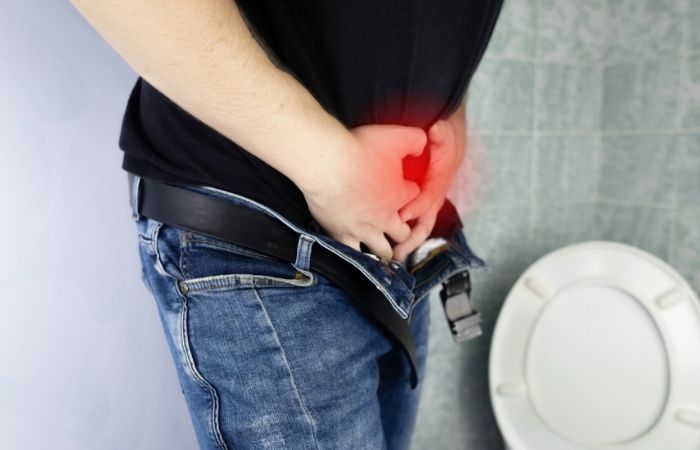
Simple Habits That Can Reduce Irritation After Sex
While testing is essential when infection is possible, many people experience burning simply because the genital area is sensitive and easily irritated. Small adjustments can make a noticeable difference.
Hydration is surprisingly helpful. Drinking water helps dilute urine, which reduces the sting when urine contacts irritated tissue. Urinating after sex can also help flush bacteria away from the urethra.
Lubrication during sex is another important factor. Even when arousal produces natural lubrication, additional lubricant can reduce friction and protect delicate tissue.
Gentle hygiene practices also matter. Harsh soaps or aggressive washing can irritate the vulva or urethral opening, which may worsen burning sensations the next time someone urinates.
None of these steps replace testing when infection is possible, but they can reduce irritation-related symptoms that many people experience occasionally.
When Burning Means You Should Definitely Seek Care
Most mild burning episodes go away quickly. But some warning signs need to be looked at by a doctor right away.
If burning is accompanied by a fever, severe pelvic pain, or blood in the urine, you should see a doctor right away. If you have these symptoms, you may have a more serious urinary tract infection or another condition that needs treatment.
If the burning doesn't go away after a few days, it should also be checked out. Even if the cause is just a little irritation, ruling out infection makes things clearer.
Sexual health experts stress that testing isn't about thinking the worst. It's about getting rid of doubt and getting reliable information.
If you can't stop guessing about whether you have a UTI, irritation, or an STD, STD Test Kits can help you figure out what's really going on.
FAQs
- 1. Does burning after sex automatically mean an STD?
- Not even close. In fact, a lot of the time it’s just irritated tissue. Imagine your skin after a long run in tight clothes , things get a little raw. The genital area works the same way. But if the burning sticks around for several days, shows up after a new partner, or comes with discharge or pelvic discomfort, that’s when testing for infections like chlamydia or gonorrhea becomes the smart move.
- 2. Why does it burn when I pee sometimes but not every time?
- The urethra is sensitive, and irritation there can fluctuate. One bathroom trip might feel completely normal, and the next feels like someone turned the temperature up a notch. That’s because inflammation in that tissue isn’t constant. It can calm down for a while, then flare up again if something keeps irritating it.
- 3. Can sex itself cause burning even if there’s no infection?
- Absolutely. Friction is powerful. A longer-than-usual session, not enough lubrication, or just a lot of movement can irritate the urethral opening or surrounding skin. When urine passes over that irritated area later, it stings. Most of the time that kind of irritation fades within a day or two as the tissue heals.
- 4. How can you tell the difference between a UTI and an STD?
- The short answer: symptoms alone aren’t very reliable. UTIs usually make you feel like you need to pee constantly, even when your bladder is basically empty. STDs sometimes cause burning without that constant urge. But here’s the honest truth from people who work in sexual health , we test because guessing based on symptoms is often wrong.
- 5. Is it normal for burning to show up a few days after sex?
- It can be. Friction irritation usually shows up right away, but infections play by a different timeline. A urinary tract infection might take a day or two to really announce itself. Bacterial STDs like chlamydia or gonorrhea sometimes take a week or longer before symptoms appear.
- 6. What if the burning disappeared… and then came back?
- That situation sends a lot of people straight into Google mode. Sometimes the first irritation really was friction, and the tissue calmed down. Then an infection that started developing in the background begins causing symptoms later. If burning keeps making surprise reappearances, that’s usually a good signal to stop guessing and get tested.
- 7. Can an STD cause burning even if there’s no discharge?
- Yes, and this is where people get misled by internet symptom checklists. Discharge is common, but it’s not required. Plenty of people with chlamydia notice nothing except mild burning during urination , and some notice nothing at all.
- 8. How long should irritation from sex last?
- If friction is the culprit, your body usually fixes things quickly. Most people feel better within 24 to 48 hours. If the burning hangs around longer than a few days or seems to get worse instead of better, something else may be going on.
- 9. Should you get tested even if the burning is mild?
- Mild symptoms are actually one of the most common reasons infections get missed. People wait because the discomfort isn’t dramatic. If burning appears after a new partner or unprotected sex, testing is simply the easiest way to remove the uncertainty.
- 10. Do at-home STD tests actually work for symptoms like this?
- They can. Many modern at-home kits screen for infections like chlamydia and gonorrhea using urine or swab samples , the same types of samples clinics collect. For a lot of people, the biggest benefit isn’t convenience. It’s peace of mind.
When Your Body Sends Mixed Signals
Burning after sex can feel unsettling because the symptom sits right at the intersection of several possibilities. Sometimes it’s nothing more than irritated tissue recovering from friction. Sometimes it’s the early sign of a urinary tract infection. And occasionally it’s the body’s way of signaling a sexually transmitted infection.
The challenge is that the sensation itself doesn’t reveal the cause. Burning is simply the body’s alarm bell for inflammation somewhere in the urinary or genital tract.
Instead of trying to decode that signal alone, the smarter approach is clarity. If symptoms fade quickly, irritation was likely responsible. But if burning lingers, appears after a new partner, or keeps returning, testing removes the guesswork.
For readers who want answers quickly and privately, a discreet at-home combo STD test kit can check for the most common infections without a clinic visit. Knowing what’s actually happening allows you to move forward with confidence rather than uncertainty.
How We Sourced This Article: This guide combines recommendations from major sexual health organizations, peer-reviewed infectious disease research, and clinical experience in sexual health education. Approximately fifteen sources informed the writing process, including medical guidelines and epidemiological studies. To keep the article readable while maintaining accuracy, we highlighted six of the most relevant and accessible references below.