Fever, Fatigue, and Swollen Glands: Is It Just the Flu or an STD?
Quick Answer: Fever, fatigue, and swollen glands after sex can be caused by common viruses like the flu or mono, but certain STDs, especially early HIV and secondary Syphilis, can also cause flu-like symptoms.
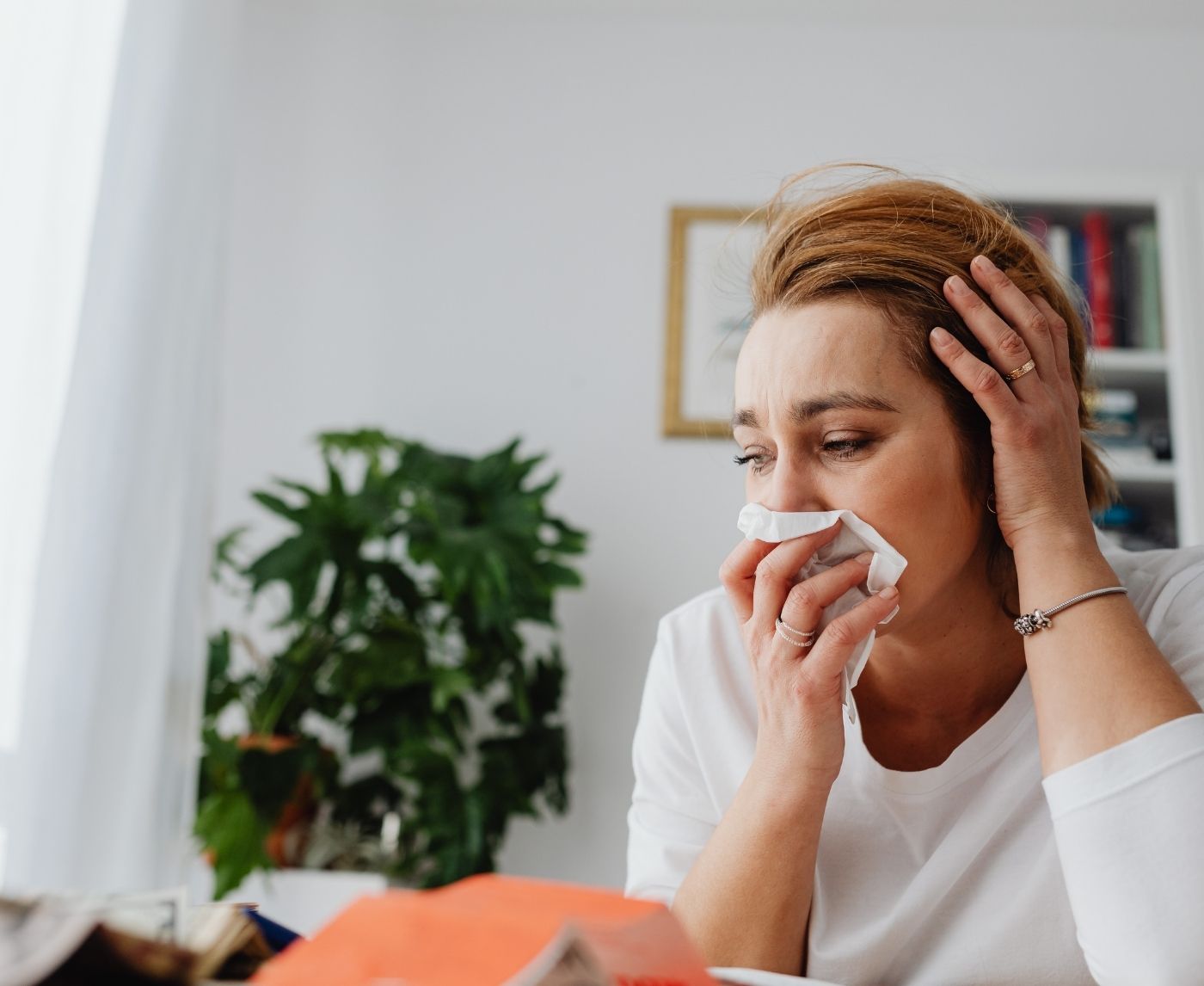
Quick Answer: Fever, fatigue, and swollen glands after sex can be caused by common viruses like the flu or mono, but certain STDs, especially early HIV and secondary Syphilis, can also cause flu-like symptoms. Timing, exposure type, and testing windows are what help you tell the difference.
Why Flu-Like Symptoms After Sex Feel So Alarming
Most respiratory viruses hit fast. You’re fine on Tuesday, wrecked by Thursday. Influenza, COVID, adenovirus, they move quickly and loudly. Fever, chills, sore throat, body aches, swollen lymph nodes, exhaustion. It’s dramatic but familiar.
Some sexually transmitted infections, however, can produce similar early symptoms. Acute HIV infection, sometimes called acute retroviral syndrome, can feel indistinguishable from the flu. According to the CDC, many people with early HIV experience fever, fatigue, swollen lymph nodes, sore throat, rash, and night sweats within two to four weeks after exposure.
That overlap is what creates panic. You search “flu or STD” and spiral. But here’s the grounded truth: most fevers after sex are still just viral infections. The key is context, not catastrophizing.

What Actually Causes Fever and Swollen Glands?
Swollen lymph nodes are not a diagnosis. They’re your immune system reacting to something. Lymph nodes enlarge when white blood cells multiply to fight infection. That infection can be respiratory, gastrointestinal, viral, or, less commonly, sexually transmitted.
Fatigue is similar. It’s not specific. It’s your immune system burning energy. Fever is your body raising its temperature to slow pathogens down. None of these symptoms belong exclusively to the flu or to STDs. They belong to inflammation.
The difference lies in pattern, timing, and associated symptoms. Let’s break that down clearly.
| Feature | Seasonal Flu | Acute HIV | Secondary Syphilis |
|---|---|---|---|
| Onset | Sudden, 1–4 days after exposure | 2–4 weeks after exposure | Weeks to months after initial infection |
| Fever | Common and high | Common | Possible |
| Swollen Lymph Nodes | Sometimes | Very common | Common |
| Rash | Uncommon | Possible, often mild | Common, including palms and soles |
| Sore Throat | Common | Common | Less typical |
| Genital Sores | No | No | Possible in earlier stage |
The timing column is often the biggest clue. If you developed symptoms 48 hours after sex, that is almost never acute HIV. If symptoms begin three weeks later and include swollen glands plus a faint rash, testing becomes more relevant.
“I Thought I Just Had the Flu.”, A Realistic Scenario
Arjun, 26, felt wrecked about three weeks after a new sexual partner. Fever. Body aches. Severe fatigue. He told himself it was a virus going around the office. But the swollen lymph nodes in his neck lingered longer than expected.
“I kept Googling swollen glands STD. I felt ridiculous, but I couldn’t stop. The timing lined up and that scared me.”
He tested for COVID and flu, negative. He waited a few more days and ordered an at-home HIV test. It came back reactive and was later confirmed at a clinic. Arjun started treatment quickly and today has an undetectable viral load. His outcome was good because he tested instead of ignoring his instincts.
Stories like this are real. But so are thousands of stories where someone panicked, tested, and discovered it was just influenza. The point is not fear. The point is clarity.
When It’s Probably Just the Flu
If your symptoms started within a few days of exposure, especially during cold and flu season, and you have congestion, cough, or known sick contacts, respiratory infection is statistically more likely. Influenza typically hits within one to four days of exposure according to the CDC.
Flu symptoms often improve within five to seven days. Swollen glands shrink as the virus clears. Energy returns gradually. There is no rash on palms and soles. No genital lesions. No persistent night sweats lasting weeks.
Most importantly, the flu does not correlate specifically to sexual activity. If your only risk factor is “I had sex and now I’m sick,” timing matters more than the emotional connection your brain is making.
When STD Testing Makes Sense
Testing becomes reasonable when flu-like symptoms appear within the window period of a known risk exposure. For acute HIV, that window is generally two to four weeks after exposure, with most antibody/antigen tests becoming highly accurate by six weeks. Nucleic acid tests can detect infection earlier, sometimes within 10–14 days.
Secondary Syphilis may present with fever, swollen glands, fatigue, and a rash, often on the palms or soles. That typically develops weeks after an untreated primary infection. If you had a painless sore earlier that healed on its own, that history matters.
Persistent night sweats, unexplained rash, and prolonged swollen lymph nodes beyond two weeks also justify testing.
If you need privacy and quick answers, STD Test Kits offers discreet at-home options that can give you clarity without sitting in a waiting room. Sometimes peace of mind is part of treatment.
Understanding Timing: Incubation vs Window Period
This is where most anxiety comes from. Incubation is how long it takes for symptoms to appear. Window period is how long it takes for a test to reliably detect infection. They are not the same thing.
You can feel sick before a test turns positive. You can also test negative and still be in the window period. That’s why timing is strategic, not emotional.
| Infection | Symptoms May Start | Most Reliable Testing Window |
|---|---|---|
| Acute HIV | 2–4 weeks | 4–6 weeks (earlier with RNA tests) |
| Syphilis | 3–6 weeks | 6 weeks or later for strong antibody detection |
| Influenza | 1–4 days | Rapid tests accurate within days of symptoms |
If you test too early, retesting later may be necessary. That is not failure. That is science.
If anxiety is high and you’re within a reasonable window, a discreet option like the HIV Test Kit can provide early insight while you plan follow-up testing if needed.
What Acute HIV Actually Feels Like (And What It Doesn’t)
When people Google “acute HIV symptoms,” what they’re really asking is: does this feel like what I’m feeling right now? Acute HIV infection often presents as a flu-like illness, but it usually has a specific rhythm. Fever tends to persist for several days. Fatigue can feel crushing. Swollen lymph nodes may appear in multiple areas, neck, armpits, groin, not just one tender spot under your jaw.
A sore throat is common. Muscle aches can be intense. Some people develop a faint rash across the torso that isn’t itchy and doesn’t blister. Others experience night sweats that soak through clothing. According to the CDC and peer-reviewed infectious disease studies, this phase typically occurs two to four weeks after exposure, not two days later, not the next morning.
What acute HIV does not usually cause is heavy nasal congestion, thick mucus, or a productive cough. Those lean more toward respiratory viruses. It also doesn’t typically cause severe sinus pressure or ear pain, which are common in upper respiratory infections.
The Symptom Details People Don’t Talk About
There’s a difference between feeling “run down” and feeling systemically ill. Acute HIV often feels like your entire immune system is on high alert. The fever may hover around 100–102°F. Lymph nodes feel rubbery and enlarged. Fatigue can make simple tasks feel monumental.
Secondary Syphilis, on the other hand, may bring flu-like symptoms plus a distinctive rash. That rash can show up on palms or soles, areas flu rashes almost never target. It might not itch. It might look faint and copper-toned. Some people also notice patchy hair loss or painless sores earlier that healed without treatment.
If you’re searching “night sweats after unprotected sex” or “swollen glands after hookup,” your body deserves more than guesswork. The pattern matters more than the panic.

Mono, COVID, or an STD? The Viral Overlap
Not every flu-like illness after sex is about sex. Infectious mononucleosis, often caused by Epstein–Barr virus, spreads through saliva. Kissing alone can transmit it. Mono causes fever, severe fatigue, sore throat, and dramatically swollen lymph nodes, sometimes larger than what’s typical in acute HIV.
COVID-19 can present with fever, body aches, sore throat, and fatigue as well. In recent years, that overlap has intensified confusion. If you had oral sex and now have a sore throat and swollen glands, mono or a respiratory virus is statistically more common than an STD.
Timing still helps untangle this. Mono symptoms often develop four to six weeks after exposure. COVID symptoms appear two to five days later. Acute HIV falls between two and four weeks. That spacing becomes your roadmap.
How Long Should Swollen Lymph Nodes Last?
With the flu, swollen glands usually improve as the fever resolves. Most shrink within one to two weeks. Persistent lymph node enlargement beyond three weeks deserves medical evaluation, regardless of sexual exposure.
Acute HIV–related lymph node swelling can last longer, sometimes several weeks. Secondary syphilis can also produce generalized lymphadenopathy that doesn’t vanish quickly. The duration tells a story your anxiety might overlook.
If you notice lymph nodes that are hard, fixed, rapidly enlarging, or associated with unexplained weight loss, that requires medical care beyond STD testing. Not everything is infectious, and serious causes are rare but important to rule out.
Rash Changes Everything
A rash is one of the few features that meaningfully shifts the conversation. Flu rarely causes a rash in adults. Acute HIV sometimes does, but it’s often subtle, small pink spots across the chest or back. Secondary Syphilis is more dramatic, frequently involving palms and soles.
If you’re typing “HIV rash vs flu rash” into your phone at midnight, here’s what matters: location, itchiness, and timing. An itchy rash with hives leans allergic or viral. A non-itchy rash on palms and soles weeks after a painless sore leans syphilis. A faint trunk rash plus fever two to four weeks after exposure leans toward acute HIV.
Rashes deserve testing. Guessing based on Google images is unreliable and stressful.
Testing Strategy: Calm, Not Reactive
If symptoms started less than a week after sex, respiratory viruses are far more likely. Testing immediately for HIV in that window may provide false reassurance because antibodies haven’t formed yet. If you’re within 10–14 days and extremely anxious, an RNA-based test can detect infection earlier, but many at-home rapid tests become most reliable closer to four to six weeks.
If you’re between two and four weeks after exposure and experiencing fever, fatigue, and swollen glands, testing is reasonable. A rapid fingerstick test can provide early answers, and follow-up lab testing can confirm results if needed.
You can explore discreet options through STD Test Kits, including combination panels that screen for multiple infections at once. Testing isn’t an admission of guilt. It’s data collection.
When Anxiety Is Louder Than Symptoms
Sometimes the fear feels bigger than the illness. Sofia, 31, developed a mild fever three days after a new partner. She spiraled into researching “STD that feels like flu.” Her symptoms resolved in five days. She later tested negative at the appropriate window.
“I think I was more scared of what it could mean about me than what was actually happening in my body,” she said.
That emotional layer matters. Shame amplifies physical sensations. Regret rewrites timelines. The brain can attach every cough to catastrophe. That’s human, not foolish.
If It Is an STD, Here’s What Happens Next
Let’s say your test comes back positive. The room might feel smaller for a moment. Your stomach may drop. That reaction is normal. But medically speaking, most sexually transmitted infections are either treatable or manageable with modern therapy, and early detection dramatically improves outcomes.
With HIV, early diagnosis means starting antiretroviral therapy quickly. According to large clinical studies and CDC guidance, people who begin treatment early can reach an undetectable viral load, meaning the virus cannot be sexually transmitted to partners. Undetectable equals untransmittable. That’s not a slogan. It’s science.
With Syphilis, antibiotic treatment is highly effective, especially in early stages. The fever and swollen glands resolve once the infection is treated. Follow-up blood tests confirm response.
The worst outcome is not a positive test. It’s not knowing.
What If It’s Not an STD?
If testing is negative at the correct window period, you get something powerful: relief anchored in data. That relief doesn’t erase the anxiety you felt, but it transforms it into information.
Many people discover their symptoms were influenza, mono, or another viral illness entirely unrelated to sex. The brain connected the two because of timing and guilt, not biology.
And that matters. Because sometimes the real lesson isn’t about infection. It’s about how quickly shame hijacks health decisions.
The Timeline That Calms the Spiral
When you’re in the middle of “flu or STD?” panic, your mind jumps ahead weeks. It imagines worst-case scenarios. What actually helps is mapping the timeline calmly and logically.
If symptoms begin within 1–4 days of exposure, flu or respiratory virus is far more likely. If symptoms begin 2–4 weeks later and include swollen lymph nodes plus fever and fatigue, testing for HIV becomes reasonable. If rash on palms or soles appears weeks later, syphilis testing is warranted.
Outside of those windows, the probability shifts significantly toward non-STD causes. That shift is grounded in epidemiology, not reassurance fluff.
Why Flu-Like STD Symptoms Don’t Always Include Genital Signs
One of the biggest misconceptions is that sexually transmitted infections always show up in the genitals. Early HIV does not cause genital sores. Secondary Syphilis may not either. Systemic infections can produce body-wide symptoms without obvious local signs.
That’s why someone might search “STD fatigue no discharge” or “body aches after unprotected sex” and feel confused. The absence of discharge doesn’t rule out infection. But it also doesn’t confirm one.
Context and testing are what transform confusion into clarity.
Testing Without Shame
There’s something quietly radical about testing because you care about your health. It isn’t an admission. It isn’t a confession. It’s preventive medicine.
If you’re still in that gray zone, symptoms lingering, Google tabs multiplying, consider giving yourself data instead of dread. A discreet option like the HIV Test Kit can provide answers in minutes, and broader panels are available if you want comprehensive screening.
Clarity lowers cortisol. Data calms spirals. Knowing beats imagining.
The Emotional Aftermath of “What If?”
Feeling sick after sex can stir up more than physical discomfort. It can trigger fear about trust, judgment, vulnerability, and past choices. Some people feel anger at themselves. Others feel exposed. Some feel ashamed even before a test result exists.
None of that changes the biology. Viruses don’t respond to shame. Bacteria don’t care about regret. Your body is responding to pathogens, not morality.
If you needed to hear this clearly: having symptoms does not make you irresponsible. Testing does not make you reckless. Seeking answers makes you informed.
When to See a Doctor Immediately
Most flu-like symptoms will go away on their own. Most STD-related early symptoms are not medical emergencies. There are exceptions.
If you experience severe dehydration, high fever over 103 degrees, difficulty breathing, confusion, chest pain, or neurological symptoms, seek emergency medical care immediately. These symptoms require emergency medical attention regardless of your sexual history.
Testing for STDs should never be used as a replacement for emergency medical treatment.
Before You Decide It’s the Worst-Case Scenario
Pause. Look at timing. Look at exposure type. Look at whether respiratory symptoms like cough and congestion are present. Check whether rash location fits known patterns. Then decide whether testing now or at the optimal window makes sense.
If your head keeps replaying “fever after sex” and you can’t focus on anything else, structured action is healthier than endless scrolling. Choose a test. Mark your calendar for retesting if needed. Make a plan.
And remember: statistically, most flu-like illnesses after sex are still just viral infections circulating in the community. But when they’re not, early detection makes all the difference.
FAQs
- 1. Can an STD really feel exactly like the flu?
- Yes, certain infections, especially early HIV and secondary Syphilis, can produce fever, fatigue, sore throat, swollen lymph nodes, and body aches that closely resemble influenza. The difference is usually timing and pattern. Flu symptoms typically appear within one to four days of exposure to someone sick, while acute HIV symptoms usually begin two to four weeks after a sexual exposure.
- 2. How soon after sex would HIV symptoms start?
- Acute HIV symptoms most commonly appear between two and four weeks after exposure. Symptoms starting within 24–72 hours are almost never due to HIV. If you are concerned, antigen/antibody tests are most reliable around four to six weeks, with some RNA tests detecting infection earlier.
- 3. Do swollen lymph nodes always mean HIV?
- No. Swollen lymph nodes are a general immune response and are far more commonly caused by viral respiratory infections, mono, or other routine illnesses. In HIV, lymph node swelling is often generalized and occurs alongside fever, fatigue, and sometimes rash. Isolated tender nodes during a cold are not specific to HIV.
- 4. Can syphilis cause fever and fatigue?
- Yes. Secondary Syphilis can cause systemic symptoms including fever, swollen glands, fatigue, and a rash, often involving the palms and soles. These symptoms usually occur weeks after the initial painless sore of primary syphilis, which may have gone unnoticed.
- 5. If I have congestion and cough, is it probably just the flu?
- Congestion, productive cough, sinus pressure, and nasal drainage strongly suggest a respiratory virus rather than an STD. Acute HIV does not typically cause heavy mucus production or sinus congestion. Context and accompanying symptoms matter.
- 6. Should I test for an STD if I have a fever after sex?
- If the fever began within a few days of exposure and you also have respiratory symptoms, it is likely viral. If fever and swollen glands develop two to four weeks after unprotected sex or known exposure, testing is reasonable. Strategic timing improves accuracy and reduces unnecessary anxiety.
- 7. What if my test is negative but I still feel sick?
- If the test was done within the window period, it may be necessary to retake the test at the recommended time. If the test was done in the appropriate window period and was negative, then it is likely that your symptoms are not related to any of the STDs.
- 8. Can you have HIV without a rash?
- Yes. Not everyone with acute HIV develops a rash. Some experience only fever and fatigue. Others have very mild symptoms or none at all. Testing, not symptom comparison alone, determines status.
- 9. How accurate are at-home HIV tests?
- Modern rapid tests are highly accurate when used at the appropriate time after exposure. Antigen/antibody tests are most reliable around four to six weeks. Testing too early can lead to false negatives, which is why timing guidance is important.
- 10. Is it possible this is just anxiety making symptoms worse?
- Anxiety can certainly increase the level of intensity you experience with regard to your symptoms. However, anxiety doesn’t cause fever. If you have measurable fever and symptoms, you need to assess them in an objective manner.
You Deserve Data, Not Dread
If you’re lying in bed wondering whether your fever is seasonal flu or something more personal, the answer isn’t found in endless scrolling. It’s found in timing, testing, and grounded action. Most flu-like illnesses after sex are still just viral infections circulating in your community. But when they’re not, early testing gives you control.
Don’t wait and wonder. If your symptoms line up with a possible exposure window, consider a discreet at-home option like the 6‑in‑1 At‑Home STD Test Kit to screen for common infections quickly and privately. Your results are your information, and information lowers fear.
How We Sourced This Article: This article was informed by current guidance from the CDC, WHO, Mayo Clinic, and peer-reviewed infectious disease literature regarding acute HIV, syphilis progression, influenza timelines, and diagnostic window periods. We reviewed approximately fifteen medical and public health sources to ensure symptom timelines and testing recommendations reflect current consensus. Only the most authoritative and reader-relevant sources are listed below. All links open in a new tab for transparency and verification.