Swab vs Blood vs Urine STD Tests: What’s the Real Difference?
Quick Answer: Swab, blood, and urine STD tests detect different infections based on where the bacteria or virus lives in your body. Choosing the right test depends on timing, symptoms, and exposure type.
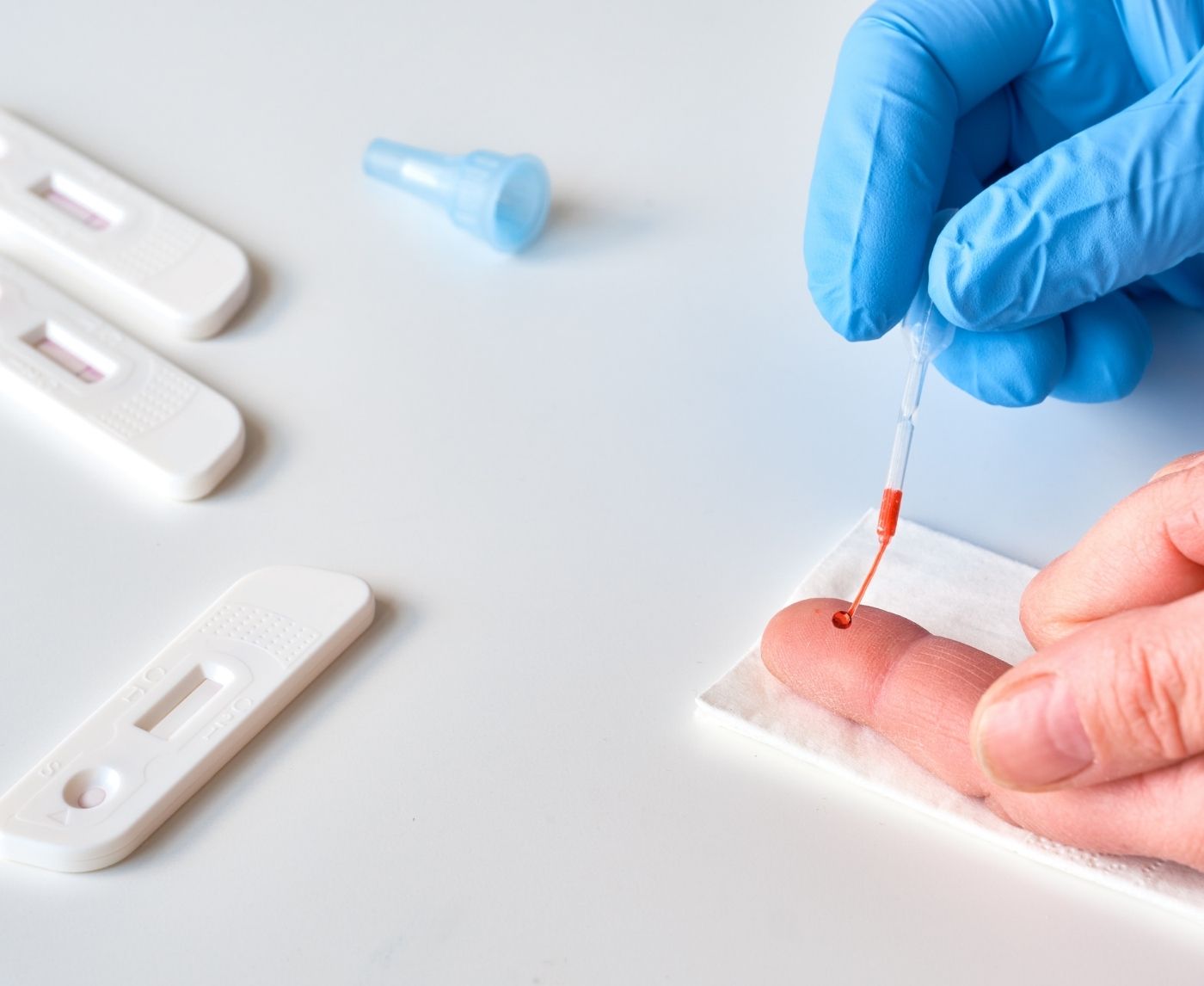
Quick Answer: Swab, blood, and urine STD tests detect different infections based on where the bacteria or virus lives in your body. Urine and swabs typically detect chlamydia, gonorrhea, and trichomoniasis, while blood tests detect infections like HIV, syphilis, and herpes. Choosing the right test depends on timing, symptoms, and exposure type.
Why Sample Type Even Matters
Imagine three different crime scenes. One is in the bloodstream. One is in genital tissue. One is in the throat. If investigators collect evidence from the wrong location, they’ll miss the culprit. STD testing works the same way.
Bacterial infections like chlamydia and gonorrhea live in mucous membranes. That means they hang out in the urethra, cervix, rectum, or throat. A urine test or a swab works because it collects cells from those exact areas. A blood test won’t catch them unless the infection has spread, which is not how routine screening works.
Viruses like HIV and syphilis, on the other hand, circulate in the bloodstream. That’s why blood testing is standard. You’re not looking for bacteria sitting in the urethra; you’re looking for antibodies or viral markers in circulation.
This is why asking “STD test urine or blood?” isn’t the right question. The better question is: Which infection are we trying to detect, and where does it live?
What Each Test Type Actually Detects
| Test Type | Sample Collected | Common STDs Detected | What It Does NOT Detect Well |
|---|---|---|---|
| Urine Test | First-catch urine | Chlamydia, Gonorrhea | HIV, Syphilis, blood-borne infections |
| Swab Test | Vaginal, penile, rectal, or throat swab | Chlamydia, Gonorrhea, Trichomoniasis | Blood-borne viral infections |
| Blood Test | Finger prick or venous draw | HIV, Syphilis, Herpes, Hepatitis B & C | Localized bacterial STDs in early stages |
Figure 1. Different STD sample types detect different infections based on where the pathogen resides in the body.
The Urine Test: Convenient, But Not Comprehensive
Urine STD tests are popular because they feel easy. No needles. No internal swabs. Just a small collection cup and a few minutes of patience. For many people, especially those with penises, this is the standard screening method for chlamydia and gonorrhea.
But here’s what people often misunderstand: a urine test does not check for everything. It does not detect HIV. It does not screen for syphilis. It won’t confirm or rule out herpes. If you walked out of a clinic after only giving urine, you were not “tested for all STDs.” You were screened for specific bacterial infections.
And timing matters. Most urine tests use NAAT technology, which is highly sensitive, but testing too early after exposure can still produce false reassurance. If it has only been three or four days, your body may not have enough detectable bacterial load yet.
This is where anxiety spikes. A negative result feels good, but if it was taken too soon, it might not mean what you think it means.
The Swab Test: Location-Specific and Often More Precise
Swab testing sounds intimidating, but it’s often more accurate because it collects cells directly from the exposure site. Vaginal swabs, rectal swabs, and throat swabs detect infections exactly where they are most likely to live.
For people who engage in oral or anal sex, throat and rectal swabs are especially important. A urine test cannot detect throat gonorrhea. It simply won’t show up. The bacteria isn’t in the urine, it’s in the pharynx.
Self-swabbing at home has also become increasingly reliable. Studies show self-collected vaginal swabs can be as accurate as clinician-collected samples when instructions are followed carefully. That means privacy doesn’t have to come at the expense of accuracy.
If you’ve ever Googled “swab or urine test more accurate,” the honest answer is: it depends on the exposure site. Swabs win when the infection isn’t in the urinary tract.
The Blood Test: What It Sees That Others Can’t
Blood tests look for antibodies, antigens, or viral RNA circulating in your body. That’s why they are used for HIV, syphilis, and certain hepatitis infections. Some blood panels also test for herpes antibodies, though interpretation can be nuanced.
Finger-prick rapid tests are convenient, especially for at-home screening. They can provide results in minutes. However, like all antibody-based tests, they depend on your immune system having had time to respond. Testing too soon after exposure may lead to a false negative because antibodies haven’t formed yet.
This is where window periods come into play, and they differ depending on the infection. Blood tests are powerful, but only when used at the right time.
If you’re exploring discreet at-home options, you can review available blood, swab, and urine-based kits at STD Test Kits. Different exposures require different tools, and choosing intentionally makes all the difference.
Rapid Tests vs Lab Tests: Speed, Accuracy, and Tradeoffs
There’s a moment that hits differently: you’re sitting in your car, staring at a rapid test cassette, waiting for a line to appear. It feels immediate. Private. Contained. Rapid STD tests offer that kind of psychological relief, results in minutes instead of days.
But speed and sensitivity are not the same thing. Rapid tests, especially blood-based finger prick tests, are designed to detect antibodies or antigens. Lab-based tests often use NAAT or PCR methods that amplify genetic material, which can detect lower levels of infection. That difference matters in early infection.
This doesn’t mean rapid tests are unreliable. It means they have a purpose. They are powerful screening tools when used at the correct window period. Lab tests are often more sensitive during very early or borderline cases.
| Feature | Rapid At-Home Test | Mail-In Lab Test | Clinic Lab Test |
|---|---|---|---|
| Result Time | 10–20 minutes | 1–3 business days after mailing | Same day to several days |
| Technology | Lateral flow (antibody/antigen) | NAAT/PCR or lab immunoassay | NAAT/PCR or lab immunoassay |
| Early Detection | Moderate (depends on window) | High | Very High |
| Privacy | Very high | High | Moderate |
| Best For | Immediate screening & reassurance | High-accuracy home testing | Symptomatic or complex cases |
Figure 2. Comparison of rapid, mail-in, and clinic-based STD testing methods.
Window Periods: Why Timing Changes Everything
That’s the part people usually skip, and that’s the reason for the confusion. Every STD has a window period, which is the time between the moment you get infected and the moment you can be accurately diagnosed. Getting a test too early will only get you a false negative result, no matter the method you use, whether it’s a urine, swab, or blood test.
For bacterial STDs like chlamydia and gonorrhea, NAAT-based urine or swab tests may be able to diagnose you within 7 to 14 days. Getting a blood test for STDs like HIV and syphilis takes longer because the production of antibodies takes longer to develop. Some HIV antigen and antibody combination tests may be able to diagnose you within 2 to 6 weeks, but the antibody-only tests may take as long as 12 weeks to be at their most accurate.
That’s why a person may be able to say, “I got a negative result from my blood test,” but still needs to get re-tested later. It’s not because the results were wrong, but because it was performed too early.
| Infection | Common Test Type | Earliest Detection Window | Peak Accuracy Window |
|---|---|---|---|
| Chlamydia | Urine or Swab (NAAT) | ~7 days | 14+ days |
| Gonorrhea | Urine or Swab (NAAT) | ~7 days | 14+ days |
| Syphilis | Blood (antibody) | 3–6 weeks | 6–12 weeks |
| HIV | Blood (Ag/Ab combo) | 2–4 weeks | 6–12 weeks |
| Trichomoniasis | Swab or Urine | 5–7 days | 2–4 weeks |
Figure 3. Approximate window periods for common STDs. Retesting may be recommended depending on exposure risk.
The Most Common Testing Misconceptions
“Does HIV show up in urine?” No. Standard HIV testing requires blood or oral fluid designed to detect antibodies or antigens. A routine urine STD test does not screen for HIV.
“If I did a blood test, was I tested for everything?” Not necessarily. A blood panel does not detect localized infections like chlamydia or gonorrhea unless they’ve spread systemically, which is not how screening works.
“Is urine or swab more accurate?” For genital infections, both use similar NAAT technology and are highly accurate when collected correctly. The difference is anatomical. If exposure occurred in the throat or rectum, only a swab from that location will detect infection there.
“Can herpes be detected in urine?” No. Herpes testing involves lesion swabs during outbreaks or blood antibody testing. Urine is not a reliable detection method.
“I Thought I Was Fully Tested.”
Arjun left a clinic relieved. He had given a urine sample and received negative results a few days later. He told his new partner, “I’m clean.” He genuinely believed he had been tested for everything.
Weeks later, his partner developed symptoms and tested positive for syphilis. Arjun was confused. He had already tested. When he returned to the clinic, they drew blood. His test came back positive too.
The first test wasn’t wrong, it was incomplete. He had only been screened for bacterial STDs detectable in urine. No blood was drawn. No antibody testing was done.
This is not unusual. This is a form of communication issue. Clinics may be using a process based on a level of risk. If you don’t ask for a throat swab, you might not have one done. If you don’t ask for a comprehensive test, you might not have a blood test.
That’s why understanding the difference between swab vs blood vs urine STD tests isn’t just academic. It protects you from false reassurance.
Choosing the Right Test After Exposure
If you had vaginal or penile exposure and it has been over 14 days, a urine or genital swab NAAT test for chlamydia and gonorrhea is typically appropriate. If you also want screening for HIV or syphilis, you will need a blood-based test.
If exposure involved oral sex, throat swabbing becomes critical. If anal exposure occurred, a rectal swab may be necessary. Urine alone will not detect infections confined to those areas.
For people seeking comprehensive coverage, combination at-home kits that include both blood and swab or urine components provide broader screening. Options are available through multi-panel at-home STD test kits, which bundle sample types for more complete detection.
The goal isn’t to panic. It’s to match the test to the biology of the infection and the reality of your exposure.
Accuracy Isn’t Just “Good” or “Bad”, It’s Sensitivity, Specificity, and Timing
When people ask whether a blood, swab, or urine STD test is “accurate,” what they really mean is: can I trust this result? That trust depends on three things, sensitivity, specificity, and whether you tested at the right time.
Sensitivity measures how well a test detects an infection when it’s actually present. Specificity measures how well it avoids false positives. NAAT-based urine and swab tests for chlamydia and gonorrhea are extremely sensitive and specific when collected correctly. Blood-based antigen/antibody tests for HIV are also highly accurate once you’re outside the window period.
But even the most advanced test can’t detect what isn’t yet measurable. If antibodies haven’t formed or bacterial load hasn’t reached detectable levels, the result may appear negative despite recent exposure. That isn’t a failure of technology, it’s biology moving at its own pace.
When Accuracy Can Be Affected
In other cases, the outcome may be affected not by the type of test but by the circumstances that led to the test being carried out. For example, the use of antibiotics in the recent past could reduce infections such as chlamydia or gonorrhea.
When it comes to blood tests, the immune response of an individual to an infection is also important. When an individual is immunocompromised, it will take them longer to develop antibodies to an infection like HIV or syphilis. This does not mean that the test cannot be carried out but that it is recommended that the individual be retested.
Collection technique also plays a role. For urine testing, first-catch urine is essential because it captures organisms present in the urethra. For swabs, proper contact with mucosal tissue is critical. A rushed or incomplete sample can reduce reliability.
This is why instructions matter so much with at-home kits. When directions are followed carefully, self-collected samples have been shown to perform comparably to clinician-collected ones for many infections.
Special Situations: Pregnancy, Symptoms, and Ongoing Risk
If you are pregnant, the screening process may involve both urine/swab and blood tests, as the risks of complications are higher. In addition, the screening process is recommended even without the presence of symptoms.
If you present with sores, discharge, pelvic pain, fever, and swelling of the testicles, you may require evaluation at a clinic, irrespective of the home screening process. Some infections require a physical exam beyond the rapid screening process.
If you continue having new exposures, testing becomes a rhythm rather than a one-time event. In that case, combining periodic urine or swab testing with blood-based screening provides broader protection over time.
Retesting: When a Second Test Is the Smart Move
Retesting is not an admission of failure. It’s often part of responsible care. If you tested very early after exposure, a repeat test at the peak window period adds confidence.
After treatment for bacterial infections like chlamydia or gonorrhea, retesting is typically recommended about three months later, not because treatment failed, but because reinfection is common.
For blood-detected infections like HIV, follow-up testing may be recommended at 6 weeks and again at 12 weeks depending on the initial timing. The goal is clarity, not paranoia.
If you’re unsure whether your previous screening included blood, swab, or urine components, reviewing comprehensive at-home options through STD Test Kits can help you build a more complete plan.
Privacy, Discretion, and the Emotional Side of Testing
Testing isn’t just medical, it’s emotional. It’s the text you haven’t sent yet. It’s the memory replaying in your head at 2 a.m. It’s wondering whether a single encounter changed something permanent.
For some people, urine testing feels easiest because it’s noninvasive. For others, blood testing provides deeper reassurance because it covers infections that don’t show up anywhere else. Swabs can feel awkward, but they’re empowering when they match the actual exposure site.
At-home testing has grown because privacy matters. Discreet packaging, control over timing, and the ability to test without sitting in a waiting room reduces stigma barriers. Your health decisions stay in your hands.
Peace of mind isn’t just about getting a negative result. It’s about knowing you chose the correct test for your body and your situation.
So… Which One Do You Actually Need?
If you’re asking whether you need a swab, blood test, or urine test, start by answering three questions: where was the exposure, how long ago did it happen, and which infections are you trying to rule out?
If the concern is bacterial genital infection and it has been more than two weeks, urine or genital swab testing is usually appropriate. If the concern includes blood-borne infections, blood testing becomes essential. If oral or anal exposure occurred, site-specific swabbing is critical.
There is no universal “STD test.” There are targeted tests designed to detect specific organisms in specific locations at specific times.
Choosing correctly doesn’t require panic. It requires information, and now you have it.
FAQs
- 1. Wait… so if I only peed in a cup, I wasn’t tested for everything?
- Probably not. A urine test usually checks for chlamydia and gonorrhea. That’s it. It does not screen for HIV, syphilis, or hepatitis. A lot of people walk out thinking they got the “full panel” when they didn’t, not because anyone lied, but because no one explained the difference.
- 2. So which one is better, blood, swab, or urine?
- None of them are “better.” They’re different tools. It’s like asking whether a thermometer or a stethoscope is better. If the concern is genital bacterial infection, urine or swab is excellent. If you’re worried about HIV or syphilis, blood testing is essential. The right test depends on what you’re trying to rule out.
- 3. I had oral sex. Is a urine test enough?
- No, and this one surprises people. If exposure happened in your throat, you need a throat swab. Urine won’t detect an infection that’s living in the pharynx. A lot of throat gonorrhea cases are missed simply because no one swabbed the right place.
- 4. Can HIV show up in urine at all?
- No. Standard HIV testing requires blood or specialized oral fluid tests designed to detect antibodies or antigens. If you only provided urine, you were not screened for HIV, even if the visit was labeled “STD testing.”
- 5. Is a finger-prick rapid blood test reliable?
- Yes, when used at the right time. Rapid tests are very good at detecting infections once your immune system has responded. The catch is timing. If you test too soon after exposure, antibodies may not be detectable yet. That’s when retesting becomes part of smart care, not panic.
- 6. What if I tested negative but still feel off?
- Listen to your body. If symptoms persist, discharge, sores, pelvic pain, burning, a negative test doesn’t mean you imagined it. It may mean the wrong site was tested, the test was taken too early, or a different condition is at play. Follow-up matters.
- 7. Do I really need both blood and urine testing?
- If you want broad coverage, yes. Urine or swabs catch common bacterial STDs. Blood testing catches viral and bloodstream infections. Think of it as layers of protection rather than duplication.
- 8. Can I test too early and mess everything up?
- You can test too early and get a false sense of security. But you can’t “mess it up.” Early testing can provide a baseline. You just may need a follow-up test once the window period has passed. That’s strategy, not failure.
- 9. If I don’t have symptoms, do I even need a swab?
- Many STDs are completely asymptomatic, especially chlamydia. People feel fine and still test positive. That’s why screening is based on exposure, not just symptoms.
- 10. Okay. Bottom line, how do I stop overthinking this?
- Match the test to the exposure. Ask: where did contact happen? How long ago? What infections am I trying to rule out? Once those three answers are clear, the right combination of swab, blood, or urine testing becomes obvious. Information replaces spiral thinking. That’s the goal.
You Deserve Complete Answers, Not Partial Testing
There is nothing dramatic about wanting clarity. There is nothing excessive about double-checking. The real risk isn’t testing, it’s assuming one sample covered everything when it didn’t.
Swab, blood, and urine tests each have a role. None of them are “better” in isolation. They are tools designed for different biological targets. When matched correctly to exposure and timing, they give you real reassurance instead of fragile relief.
If you want comprehensive, discreet options that combine sample types when needed, explore the full range of at-home screening kits available through this complete multi-panel STD home test kit. Testing doesn’t have to feel confusing. It can feel controlled.
How We Sourced This Article: This guide was developed using current clinical recommendations from the CDC, WHO, and peer-reviewed infectious disease research. We reviewed approximately fifteen authoritative references, including laboratory accuracy studies and public health screening guidelines, to ensure biological accuracy and practical clarity. Below are six of the most relevant and accessible sources used to inform this article.