Itchy Anus: STD or Hemorrhoids? How to Tell the Difference
The First Question: What Else Is Happening? Itching alone tells us almost nothing. The context tells us everything. When someone asks, “How do I tell if this is hemorrhoids vs herpes?” Hemorrhoids are swollen veins.
Quick Answer: An itchy anus is more often caused by hemorrhoids or skin irritation than an STD, but if itching follows anal sex, includes sores, discharge, or pain, testing for rectal STDs like herpes, chlamydia, or gonorrhea is recommended.
The First Question: What Else Is Happening?
Itching alone tells us almost nothing. The context tells us everything. When someone asks, “How do I tell if this is hemorrhoids vs herpes?” what they’re really asking is whether this itch belongs to a pattern.
Hemorrhoids are swollen veins. They itch because of pressure, irritation, and sometimes mild leakage of mucus. They often show up after constipation, straining, long hours sitting, or pregnancy. The itching can feel persistent but dull, sometimes paired with mild bleeding when wiping.
Rectal STDs, on the other hand, usually bring company. They rarely show up as isolated itching with nothing else going on. According to the CDC’s guidance on rectal sexually transmitted infections, symptoms can include discharge, pain, ulcers, or bleeding unrelated to bowel movements. Many infections are silent, but when symptoms appear, they rarely act alone.
Here’s a simplified comparison to ground this:
| Feature | Hemorrhoids | Rectal STD |
|---|---|---|
| Timing | After straining, constipation, pregnancy, heavy lifting | 1–4 weeks after anal sex exposure (varies by infection) |
| Itching | Common | Possible but usually not isolated |
| Pain | Mild to moderate, worse when sitting | Often sharp, burning, or ulcer-related |
| Bleeding | Bright red when wiping | May occur, often with discharge or sores |
| Discharge | No | Possible with gonorrhea or chlamydia |
| Sores or blisters | No | Possible with herpes or syphilis |
Figure 1. General symptom comparison between hemorrhoids and rectal STDs. Individual presentations vary.
When Itching Starts After Sex
This is where anxiety spikes. Someone has receptive anal sex, sometimes with a condom, sometimes without, and a few days later there’s irritation. The mind jumps straight to “anal itching STD.”
But friction alone can cause itching. Microtears, lubrication changes, latex sensitivity, even new soaps used afterward can irritate delicate skin. Not every itch after sex is infectious.
That said, certain infections can infect the rectum even without visible sores. Rectal chlamydia and gonorrhea are known to cause proctitis, which may include itching, discharge, or a feeling of pressure. Herpes may begin with tingling or itching before painful blisters appear. Syphilis can produce a single painless ulcer that’s easy to miss.
One patient, Arjun, described it this way: “It started as just itching. I thought it was hemorrhoids because I sit all day for work. A week later there was discharge. That’s when I knew it wasn’t just irritation.” He tested positive for rectal gonorrhea and was treated quickly. The delay didn’t harm him, but the anxiety did.
The timeline matters. If itching begins within 24–48 hours after sex and there are no other symptoms, irritation is more likely. If symptoms evolve over one to three weeks, especially with discharge, pain, or sores, testing becomes important.
Why Nighttime Itching Feels Scarier Than It Is
Many people search “why is my anus itchy at night” and assume STD. In reality, nighttime itching is often dermatologic or parasitic rather than sexual.
Pinworms, especially in children but occasionally adults, cause intense nighttime itching. Fungal infections can also flare with warmth and moisture. Eczema and psoriasis frequently worsen when skin dries out overnight. Hemorrhoids can itch more at night simply because you’re not distracted.
STDs do not uniquely cause nighttime itching. They don’t operate on a clock. If itching intensifies after sweating, tight clothing, or poor ventilation, skin irritation is more likely than infection.
The absence of discharge, sores, fever, or rectal pain leans heavily toward non-STD causes.
Hemorrhoids vs Herpes: The Confusion Explained
This comparison deserves special attention because it drives a huge number of searches. Hemorrhoids are internal or external swollen veins. Herpes is a viral infection that creates clusters of painful blisters or ulcers.
But early herpes can start with itching, tingling, or a burning sensation before sores appear. That overlap fuels fear.
The key distinction is evolution. Hemorrhoids do not turn into fluid-filled blisters. They do not crust. They do not ulcerate in clusters. Herpes lesions change shape over days. They start as small blisters, rupture, and scab over.
Sofía, 27, shared: “I convinced myself it was herpes because it burned. But there were no blisters, just swelling. It was hemorrhoids from constipation.” The visual difference matters more than the itch itself.
Which STDs Actually Cause Anal Itching?
Let’s get specific. Not every STD causes itching. Not every rectal infection even causes symptoms. One of the most stressful parts of searching “anal itching STD” is not knowing which infections realistically match what you’re feeling.
Here’s the grounded breakdown, infection by infection, without exaggeration.
- Chlamydia in the rectum often causes no symptoms at all. When symptoms appear, they may include mild itching, rectal discomfort, discharge, or a feeling of needing to pass stool even when you don’t. It rarely presents as isolated itching with nothing else.
- Gonorrhea in the rectum can cause itching, but it more commonly produces discharge, soreness, or pain during bowel movements. Some people describe a constant internal irritation rather than surface itching.
- Herpes can begin with tingling or itching before sores appear. This prodrome phase can last a day or two. If blisters or ulcers never develop, herpes becomes much less likely.
- Syphilis may cause a single painless ulcer near the anus. It does not typically cause generalized itching. Many people miss the lesion entirely because it doesn’t hurt.
- HPV may lead to anal warts, which can itch if they grow or rub against skin. These are usually visible as small flesh-colored or cauliflower-like bumps.
Notice the pattern: true rectal STDs almost always have additional findings. Discharge. Sores. Visible growths. Pain. Pressure. Bleeding unrelated to wiping after constipation. Pure itching alone leans toward skin, hemorrhoids, or irritation.
Gender Differences and Why They Matter Less Than You Think
Searches like “rectal STD symptoms female” and “rectal STD symptoms male” are common, but the rectum does not change based on gender identity. The tissue behaves similarly across bodies.
What does change is screening frequency. Men who have sex with men are more routinely screened for rectal chlamydia and gonorrhea. Many women and nonbinary individuals with receptive anal exposure are never screened rectally unless they specifically ask.
This means rectal infections may go undetected in people who do not receive site-specific testing. A urine test alone does not rule out rectal infection. If exposure was anal, a rectal swab is the appropriate test.
Itching without exposure history is unlikely to represent an STD. Itching after unprotected receptive anal sex deserves consideration and possibly testing, even if symptoms are subtle.
How to Tell If It’s Hemorrhoids or an STD Based on Timeline
Timing is one of the strongest diagnostic clues. Hemorrhoids often flare after constipation, straining, long travel, dehydration, or pregnancy. The trigger is mechanical pressure.
Rectal STDs follow exposure. They require incubation time. Testing too early can produce false reassurance, not because you are safe, but because the infection has not yet reached detectable levels.
| Infection | Typical Window Before Testing | Common Rectal Symptoms |
|---|---|---|
| Chlamydia | 7–14 days after exposure | Mild itching, discharge, rectal pressure |
| Gonorrhea | 7–14 days | Discharge, soreness, burning |
| Herpes | 2–12 days (lesion-based testing) | Tingling, blisters, ulcers |
| Syphilis | 3–6 weeks (blood test) | Painless ulcer |
| HPV | Weeks to months | Visible warts |
Figure 2. Approximate testing windows and symptom patterns. Individual cases vary, and confirmatory testing may be needed.
If your itching began the morning after sex, that is almost certainly irritation. If it began two weeks later with discharge or sores, that’s when testing moves from optional to wise.
When Testing Is the Smart Move
Testing is not an admission of guilt. It is information. If you are asking yourself whether you should get tested for anal itching, the answer depends on risk, not shame.
Consider testing if:
You had unprotected receptive anal sex within the past month. You notice discharge, sores, pain, or rectal bleeding unrelated to hemorrhoids. Your partner tested positive for an STD. Or your symptoms are evolving rather than staying stable.
At-home testing can remove a massive psychological barrier. You can order discreet kits directly from STD Test Kits without sitting in a waiting room replaying your life choices.
For rectal infections like chlamydia or gonorrhea, site-specific swab testing is key. A comprehensive option like the 6‑in‑1 At‑Home STD Test Kit allows broader screening when you’re unsure which infection fits.
One patient, Lina, put it bluntly: “The test didn’t scare me. The not knowing did.” She had itching and minor discharge two weeks after a new partner. It was rectal chlamydia. Treated quickly. No long-term consequences. The anxiety was worse than the infection.
If testing is negative and symptoms persist, that points back toward hemorrhoids, dermatitis, fungal infection, or other non-STD causes. Testing narrows the field. It does not create problems.
What If It’s Just Itching and Nothing Else?
If there are no sores. No discharge. No bleeding unrelated to straining. No new sexual exposure. And the itching fluctuates with hygiene, sweating, or bowel habits, hemorrhoids or skin irritation remain far more likely.
Over-washing can worsen itching. Scented wipes can inflame the area. Tight synthetic underwear traps moisture. Even anxiety itself makes people hyper-aware of normal sensations.
The body is not fragile. It reacts to friction, moisture, pressure, and stress. Not every uncomfortable sensation is infectious.
When It’s Not an STD at All: The Other Causes No One Talks About
There’s a strange silence around anal symptoms. People jump straight from “itch” to “STD” without passing through the dozens of far more common explanations in between. The truth is, dermatologic and mechanical causes outnumber infectious ones by a wide margin.
Persistent itching without discharge, sores, or evolving pain often falls into one of four categories: hemorrhoids, dermatitis, fungal overgrowth, or parasites. None of those mean you did anything wrong. None of those mean you’re contagious. They’re simply how sensitive skin behaves under stress.
Nighttime itching in particular creates unnecessary panic. When someone searches “why is my anus itchy at night,” they’re usually exhausted and spiraling. But night intensifies sensation. You’re not distracted. You’re horizontal. Skin warms under blankets. Awareness increases. That alone can amplify itching that barely registered during the day.
Pinworms are one classic nighttime culprit, especially if itching is intense and sleep-disrupting. Fungal irritation thrives in moisture. Eczema and psoriasis flare when skin barriers weaken. Hemorrhoids can feel worse at night because pelvic blood flow changes when lying down. None of these follow a sexual timeline.
What Hemorrhoids Actually Feel Like (Beyond “Itching”)
Many people have hemorrhoids and don’t realize it. They assume hemorrhoids always mean severe pain and dramatic swelling. In reality, internal hemorrhoids may cause mild itching and occasional bright red blood when wiping, without significant pain.
External hemorrhoids can itch because of minor mucus leakage that irritates surrounding skin. They may feel like a small soft lump. They don’t blister. They don’t ulcerate. They don’t spread in clusters. They don’t produce pus-like discharge.
Rashid, 41, described it as “a dull pressure and itch that came and went.” No new partners. No discharge. No sores. It worsened after long road trips and constipation. It was hemorrhoids. Treatment was fiber, hydration, and time, not antivirals or antibiotics.
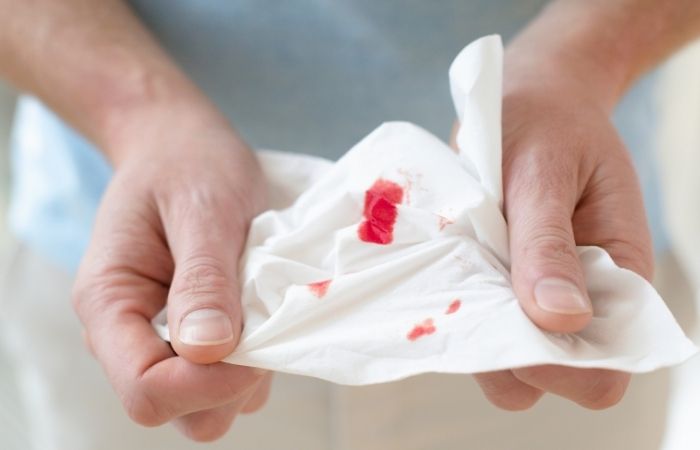
Bleeding from hemorrhoids is typically bright red and appears on toilet paper or in the bowl after straining. STD-related bleeding is less predictable and often paired with other symptoms like discharge or pain.
Red Flags That Should Not Be Ignored
While most anal itching is benign, there are moments when in-person evaluation is important. Severe rectal pain that makes sitting difficult. Fever. Thick discharge. Rapidly worsening sores. Black or tarry stool. These are not “wait and see” symptoms.
Persistent bleeding that is not clearly linked to constipation deserves medical evaluation. While STDs can cause rectal bleeding, so can fissures, inflammatory bowel disease, and other gastrointestinal conditions.
If itching turns into visible ulcers, especially painful clusters, testing for herpes is appropriate. If discharge develops within two weeks of anal exposure, testing for rectal chlamydia and gonorrhea becomes smart and proactive.
The key distinction is progression. Hemorrhoids fluctuate. STDs tend to evolve.
The Shame Spiral (And Why It’s Often Louder Than the Symptom)
Very few people walk into a clinic casually saying, “My anus is itchy.” The embarrassment magnifies the fear. When sexual exposure is involved, the brain starts assigning meaning. Punishment. Consequence. Recklessness.
This is where clarity matters. Anal sex is common. Receptive exposure is not rare or deviant. Rectal STDs are infections, not moral verdicts. And hemorrhoids are vascular conditions, not personal failures.
Often, what makes the itch unbearable isn’t the sensation, it’s the narrative. “Did I ruin my health?” “Did I expose someone?” “Will this change how someone sees me?” The body sensation becomes secondary to the story you’re telling yourself.
Testing cuts through narrative. It replaces assumption with data. Whether the result confirms hemorrhoids or identifies an infection, you regain control. And control quiets anxiety far more effectively than guesswork.
If You’re Still Unsure
If itching is mild, stable, and not accompanied by discharge, sores, or new exposure, conservative care makes sense. Fiber. Hydration. Avoiding scented wipes. Letting the area breathe. Monitoring changes.
If itching followed unprotected receptive anal sex within the past few weeks, even without dramatic symptoms, screening offers reassurance. A discreet home option from STD Test Kits allows you to test privately and on your timeline.
Not knowing prolongs stress. Knowing gives you direction. And direction is calmer than speculation.
FAQs
- 1. Can anal itching really be the only sign of an STD?
- It can be , but that’s not the usual storyline. Most rectal infections bring at least one extra clue with them. A little discharge. A sore that wasn’t there last week. Pain that feels sharper than irritation. If it’s just itching and nothing else is evolving, hemorrhoids or skin irritation are statistically more likely. But if there was recent exposure and your gut says something feels “off,” testing is peace of mind , not paranoia.
- 2. I had anal sex and now I’m itchy. Did I mess up?
- First of all , no. Sex isn’t a mistake. Bodies respond to friction, lube changes, latex, and microtears all the time. If itching starts within a day or two and there are no sores or discharge, irritation is the more common explanation. If symptoms build over one to three weeks, that’s when we think about rectal chlamydia, gonorrhea, or herpes. The timeline matters more than the shame spiral.
- 3. How do I actually tell hemorrhoids from herpes?
- Hemorrhoids don’t blister. They don’t crust. They don’t form tiny painful clusters that break open and heal. Herpes does. Early herpes can start with tingling or itching, which is why people panic. But within days, the visual difference becomes obvious. If nothing is changing shape, forming sores, or ulcerating, herpes becomes much less likely.
- 4. There’s bright red blood when I wipe. Is that automatically an STD?
- Not automatically , and honestly, usually not. Bright red streaks after straining are classic hemorrhoids. STD-related bleeding typically doesn’t show up alone. It’s usually paired with discharge, ulcers, or deeper rectal pain. Persistent or heavy bleeding deserves evaluation either way, but it isn’t a default STD diagnosis.
- 5. Why does it itch more at night? That feels suspicious.
- Night amplifies everything. You’re still. You’re warm under blankets. You’re not distracted by your phone or errands. Skin conditions, hemorrhoids, and even mild fungal irritation feel louder in that quiet. STDs don’t operate on a nighttime schedule. If itching is worse when you’re lying down but stable otherwise, it’s usually dermatologic or mechanical.
- 6. If I test negative, can I finally relax?
- In most cases, yes. A properly timed negative test shifts the focus back to hemorrhoids, skin sensitivity, hygiene habits, or bowel patterns. It doesn’t mean you imagined the itch. It just means the cause isn’t infectious. And that’s useful information.
- 7. What if I’m too embarrassed to ask a doctor for a rectal test?
- You’re not the first person to feel that way. But clinicians test rectal sites routinely , especially when someone mentions receptive anal sex. It’s medical, not moral. And if the idea of sitting in a waiting room makes your stomach drop, discreet at-home options exist for exactly that reason.
- 8. Can anxiety actually make the itching worse?
- Yes. And that doesn’t mean it’s “in your head.” Stress increases awareness of sensation. It also changes bowel habits and muscle tension, which can aggravate hemorrhoids. The body and mind loop together. Once fear decreases, symptoms often soften too.
- 9. If it’s been weeks and nothing is getting worse, is that a good sign?
- Stability is reassuring. STDs that cause symptoms usually evolve. Sores appear. Discharge develops. Pain intensifies. Hemorrhoids and skin irritation tend to fluctuate , better one day, itchier the next, but not dramatically transforming. Lack of progression is a calming clue.
- 10. What’s the smartest next step if I’m still unsure?
- Ask yourself two things: Was there recent exposure? And are there additional symptoms beyond itching? If yes, test. If no, try conservative care for a week , fiber, hydration, gentle hygiene. Either way, you’re not reckless. You’re paying attention to your body. That’s responsible.
You Deserve Clarity, Not Catastrophe
An itchy anus is uncomfortable. It’s distracting. It can spiral fast, especially if sex is part of the timeline. But most cases are mechanical, dermatologic, or hemorrhoidal. STDs are possible, particularly after unprotected receptive anal sex, but they rarely hide as itching alone.
If exposure risk exists, testing is power. If symptoms are mild and stable, conservative care may resolve the issue. Either way, information beats assumption. If you need discreet answers, the 8‑in‑1 Complete At-Home STD Test Kit provides comprehensive screening from home, on your terms.
You are not reckless for having sex. You are not dramatic for being concerned. And you are absolutely allowed to want certainty.
How We Sourced This Article: This guide was developed using current clinical guidance from the CDC, Mayo Clinic, NHS, and peer-reviewed infectious disease literature on rectal STDs and hemorrhoidal disease. We reviewed approximately fifteen medical and public health sources to ensure symptom timelines, testing windows, and differential diagnosis details are accurate and current. The six most reader-relevant sources are listed below for transparency and verification.