Can an STD Harm Your Baby? What Pregnant Women Need to Know
Quick Answer: Some STDs can harm a baby during pregnancy or delivery if they go untreated, but most risks can be prevented with early testing and treatment. Pregnancy does not magically confer immunity from STDs.

Quick Answer: Some STDs can harm a baby during pregnancy or delivery if they go untreated, but most risks can be prevented with early testing and treatment. Prenatal care routinely includes screening for infections like syphilis, HIV, chlamydia, and gonorrhea to protect both parent and child.
Why Doctors Take STDs Seriously During Pregnancy
Sexually transmitted diseases are common all over the world. Pregnancy does not magically confer immunity from STDs. In fact, pregnancy alters the body’s immune response in ways that allow a pregnant woman to tolerate her baby. These changes can cause STDs to behave in unusual ways.
As a result, several STD tests are part of routine prenatal care, even for a woman who feels perfectly healthy. STDs often do not cause noticeable symptoms. In fact, a woman may have acquired an STD months or years ago without realizing it.
When clinicians discuss STDs in relation to pregnancy, they are usually discussing two different mechanisms. The STD may affect the pregnancy in a way that may increase the chance of complications such as premature births. In other cases, STDs are transmitted directly to the baby during pregnancy or childbirth.
A major point to keep in mind is that many readers really do need to hear this: STD tests during pregnancy are routine, not evidence of guilt. Obstetricians are aware that prevention is most effective when started early.
If a woman finds out she is infected during pregnancy, treatment is usually easy and effective. Antibiotics, antiviral medications, or other medical treatments can greatly reduce the chance of transmitting the STD to her baby.

Which STDs Can Affect Pregnancy or a Baby
Infections vary in the way they affect pregnancy. Some infections primarily affect the pregnancy, whereas others have a higher risk of infecting the baby during delivery. Several infections are of particular interest to doctors, as they are common and have a significant health impact.
| Infection | Possible Pregnancy Effects | Risk to Baby |
|---|---|---|
| Chlamydia | May increase risk of premature birth or low birth weight if untreated. | Babies can develop eye infections or pneumonia after birth. |
| Gonorrhea | Linked with pregnancy complications and infection of the uterus. | Can cause severe eye infections in newborns. |
| Syphilis | Associated with miscarriage, stillbirth, and preterm delivery if untreated. | Can pass through the placenta and cause congenital infection. |
| HIV | Without treatment, the virus can pass to the baby during pregnancy or delivery. | Modern antiviral treatment reduces transmission risk dramatically. |
| Herpes | Usually does not affect pregnancy itself. | Transmission risk mainly occurs during delivery if active sores are present. |
Most people will feel alarmed after perusing a list like this, but it should be noted that all of these complications are generally associated with untreated infections. The vast majority of all pregnancies, even if these kinds of infections are present, will still result in a healthy child.
For instance, if a woman is infected with the HIV virus, and antiretroviral drugs are used, the possibility of passing this along to the child will be under one percent. This is part of the reason why prenatal testing has become so integral to a woman's healthcare.
Even syphilis, which sounds quite frightening, can be cured during a pregnancy if it is detected early enough. The difference between danger and safety is really a matter of timing.
How STDs Can Reach a Baby
However, most people believe that in order for a baby to become infected, they must be directly exposed to a certain STD by means of sexual intercourse. This is not true in a pregnancy environment. There are three different ways in which a baby can become affected by a certain STD.
First off, a baby can become affected by a certain STD during a pregnancy. There are certain STDs, such as syphilis and AIDS, that can enter into a baby's body prior to them being born.
The second way in which a baby can become affected by a certain STD is during their birth. This is when a baby comes into contact with a certain STD that is located in genital fluids or lesions.
Lastly, a baby can become affected by a certain STD by means of complications in a pregnancy environment. There are certain STDs that can cause a reproductive organ to become inflamed, thus causing a baby to be premature.
There are a number of different ways in which a doctor can help to prevent a baby from being affected by a certain STD. Medication can be taken in order to help a baby from being affected by a certain STD. In addition, a baby can be born via a cesarean section.
For example, if a woman is experiencing a certain outbreak of genital herpes prior to a baby being born, a doctor can recommend that a baby is born via a cesarean section so that they are not exposed to a certain STD.
Symptoms During Pregnancy That Should Prompt Testing
Pregnancy can cause many different changes in a woman's body. It can be very hard to differentiate between a potential infection and normal pregnancy symptoms. Changes in hormone levels can affect vaginal discharge, and fatigue is a normal pregnancy symptom.
There are many different pregnancy symptoms that need to be taken very seriously. These include pelvic pain, unusual vaginal discharge accompanied by a bad odor, painful urination, fever without a cause, and sores on the genitals. These are all potential infection symptoms.
It is possible for STDs to be without symptoms. This is what STD tests are for. The pregnant woman may be perfectly healthy, but she may have a potential infection that needs to be treated.
Some readers may be concerned that if they are tested for an STD, they will be harming their potential baby. This is not true. Tests for STDs are very safe and routine. Urine tests, blood tests, and swabs can all provide a pregnant woman with the necessary answers without harming her potential baby.
There are many different individuals who may want to keep their pregnancy and potential STD tests a secret. This is when STD Test Kits come into play. STD Test Kits can provide a person with all of the tools they need to keep track of their potential STD without ever seeing a doctor.
When STD symptoms come about due to sexual activity during pregnancy, it is just a form of health care. It can provide a pregnant woman with all of the necessary answers to keep her and her baby safe.
What Doctors Actually Do When an STD Appears During Pregnancy
There are few things that strike fear into a person's heart faster than the words "positive test" during a pregnancy. The first thing that most people think about is all of the worst-case scenario situations that could possibly befall the child. The fact of the matter is, though, that the majority of STD infections discovered during this time can be treated, managed, and handled on a daily basis by an obstetrician.
When an STD infection is discovered, there are three simple things that are done. The infection is verified with the appropriate tests. Treatment is then initiated, and this is appropriate for a pregnancy. The pregnancy is then monitored to ensure the health and wellness of the parent and child.
When an STD infection, such as chlamydia or gonorrhea, is discovered, the treatment is a round of antibiotics. This type of drug is used because it has been deemed safe for a pregnancy and is extremely effective in treating these types of infections.
There are also other types of infection that require different types of treatment. If an infection, such as HIV, is discovered during a pregnancy, antiviral therapy is prescribed to reduce the levels of the infection found in the bloodstream. This type of therapy is effective because it reduces the chances of transmission to a child by 99%.
When an infection, such as herpes, is discovered during a pregnancy, the type of treatment prescribed is to prevent an outbreak close to the time of delivery. Antiviral therapy is prescribed during the last weeks of a pregnancy to reduce the chances of an outbreak during a child's birth.
The purpose of this type of treatment is not only to cure the infection, but to eliminate all avenues by which the infection can be transmitted to a child.
| STD | Typical Treatment During Pregnancy | Purpose of Treatment |
|---|---|---|
| Chlamydia | Pregnancy-safe antibiotics | Clear infection and prevent transmission to baby |
| Gonorrhea | Targeted antibiotic therapy | Reduce risk of newborn eye infection and pregnancy complications |
| Syphilis | Penicillin injections | Prevent congenital syphilis and protect fetal development |
| HIV | Antiretroviral therapy | Lower viral load and prevent mother-to-child transmission |
| Herpes | Antiviral medications late in pregnancy | Reduce outbreaks during delivery |
Testing Timeline During Pregnancy
Prenatal tests have a certain schedule. The key is that all tests are to be done within a certain period. Some tests are to be carried out at the beginning of a pregnancy, while others are to be carried out later on.
When a woman visits a doctor for her first prenatal visit, it is assumed that the doctor will carry out tests for HIV, syphilis, chlamydia, and gonorrhea. This is because these tests are to be carried out at the beginning of a woman's pregnancy. In case a woman is found to be suffering from these infections, they can be treated.
Later on, depending on a woman's symptoms, a new sex partner, and her chance of being infected, these tests may be carried out again. It is assumed that a woman will be tested for syphilis again in the third trimester of her pregnancy.
Most pregnant women are surprised by just how routine these tests are. This is because they are part of routine prenatal tests. These tests are to be carried out to check for infections prior to when the baby is infected.
Between visits, a woman may need to be reassured, especially when she is aware that she is infected. In such a case, a combo STD home test kit can come in handy until such a time when she can visit a doctor.
By knowing your status, you can do things to help keep your baby healthy.
Why Early Testing Makes Such a Big Difference
In a sense, the whole idea of a healthy pregnancy and one that is fraught with problems and complications is a matter of timing. Thus, the medical practitioner is able to provide the necessary care and treatment before the infection even begins to impact the baby’s development and the process of labor.
For example, congenital syphilis is a problem that is passed on to the baby unless the mother is given the necessary treatment and care. As has been discussed, penicillin is able to significantly reduce the chances of the baby being infected with the disease.
In the same way, HIV infection is passed on to the baby, but thanks to advances in medicine, the baby does not have to suffer from the infection.
In the same way, the health of the pregnant woman is also taken care of, as some diseases, unless they are taken care of, may result in the inflammation of the pelvis, fever, and a host of complications, making the pregnancy a rather difficult one.
In short, thanks to advances in medicine, there is no longer any room for doubt and ambiguity, and the chances of STD infection of the baby are significantly reduced.
In other words, the purpose of testing is not only to detect diseases but also prevent them.
Testing Timeline During Pregnancy
Prenatal testing schedules are set because timing is everything. Some tests are taken at the beginning of pregnancy, while others are taken later in pregnancy depending on other factors.
During the first prenatal visit, most healthcare providers test for HIV, syphilis, chlamydia, and gonorrhea. These tests are taken at the beginning of pregnancy because they are essential in getting immediate care should any of them prove positive.
Some tests are taken later in pregnancy depending on other factors. For instance, some guidelines recommend that syphilis tests be retaken in the third trimester for at-risk groups.
Pregnant women are surprised at how common these tests are. They are just part of routine prenatal care and are meant to ensure that everything is well before the baby is affected in any way.
Between visits, some people may also need more reassurance, especially in situations where they feel they may have been exposed to a disease. In such situations, discreet tests such as a combo STD home test kit are available for private screening while waiting for another visit.
Being aware of your status helps you and your healthcare provider make decisions that are in the best interest of your pregnancy.
Why Early Testing Makes Such a Big Difference
The difference between a healthy outcome and a complicated pregnancy often depends on the timing. This is especially true for infections. When infections are detected early on, doctors can often prevent them from affecting the development of the baby and the labor process.
For example, congenital syphilis occurs when the infection passes through the placenta and affects the development of the baby. However, if the infection is treated early on with penicillin, the risk of the baby contracting the disease is greatly reduced.
The same is true for HIV. Decades ago, it was common for children to contract HIV from their parents. However, with the introduction of antiviral drugs and proper prenatal care, the majority of babies born to HIV-positive parents are born without the disease.
Early treatment also helps the health of the pregnant woman. Untreated infections can often cause the woman to have a difficult pregnancy.
Prenatal care today is designed to eliminate doubt and prevent problems. With the help of routine screening and treatment, the risk of STDs affecting the baby is greatly reduced.
In other words, tests are not just for identifying problems. They are for preventing them.
What Happens If an STD Goes Untreated During Pregnancy
When a healthcare provider talks of the risks of sexually transmitted infections during pregnancy, they are talking of infections that are untreated. This is because if bacteria or viruses are left to multiply further in the body, the risk of complications for the baby and the parent increases.
Untreated infections can cause the reproductive organs to be inflamed. This can affect the membranes of the baby or even cause the baby to be born early. Some infections can pass through the placenta and affect the baby before it is born.
This is the reason why health organizations are pushing for screening to be done during pregnancy. This way, the infections can be treated before the complications arise.
Even infections that sound scary can be controlled if they are detected early. It is the delay and the fact that the infections are untreated that make them scary.
| Infection | Possible Pregnancy Complications | Possible Effects on Baby |
|---|---|---|
| Chlamydia | Increased risk of premature birth or infection of reproductive tissues. | Eye infections or pneumonia shortly after birth. |
| Gonorrhea | Inflammation of reproductive organs and premature rupture of membranes. | Serious eye infections that require immediate treatment. |
| Syphilis | Miscarriage, stillbirth, or severe pregnancy complications. | Congenital infection affecting bones, brain, and organs. |
| HIV | Higher risk of transmission to baby if viral levels remain untreated. | Long-term infection affecting immune development. |
| Herpes | Typically minimal pregnancy effects. | Transmission during delivery if active sores are present. |
These outcomes can sound overwhelming, but they represent scenarios where infections remain untreated. With routine prenatal care and appropriate therapy, the likelihood of severe complications becomes far lower.
Many pregnant people who test positive for an STD go on to deliver healthy babies simply because the infection was identified and treated in time.
Real Stories From Prenatal Clinics
Healthcare providers see these situations frequently, which means there is a long history of successful treatment. Many pregnancies that begin with unexpected test results still end with healthy newborns and relieved parents.
Aisha, a 29-year-old expecting her first child, learned she had chlamydia during her routine first-trimester screening. She had no symptoms and felt stunned by the diagnosis.
“I kept thinking I must have done something wrong,” she recalled. “But my doctor said this is exactly why they test everyone. I took antibiotics, my partner was treated too, and the infection cleared before my next appointment.”
Her pregnancy continued normally, and her baby was born healthy months later.
Another patient, Lucía, discovered she had herpes during pregnancy after experiencing a small outbreak. Her doctor prescribed antiviral medication during the final weeks of pregnancy to reduce the chance of lesions during delivery.
“What scared me most was the idea of hurting my baby,” she said. “But my doctor explained that with the right precautions, the risk could be managed.”
Stories like these are common in prenatal medicine. Testing identifies infections early, treatment reduces risks, and pregnancies proceed safely.
How Your Partner Can Help
However, it doesn’t mean that it hinders their sexual relationships, and they still go on with their relationships during this period. What is important is that they are aware and discuss the issue of sexual health.
In the situation where one of the partners has tested positive for an STD, it is essential that they seek medical attention and the other is tested and treated as well. This ensures that they are not reinfected and protects their pregnancy in the future.
There are simple steps that have been recommended by healthcare providers for the partners to follow during this period. This includes abstinence, the use of condoms, and tests to confirm the results of the infection.
However, it is essential that they do not get reinfected with STDs during this period because if they get infected, it would be a waste of effort on their part. After they have been treated and tested, they are free to go back to their normal lives.
There are some people who would like to have some privacy and, due to this reason, have opted to buy tools that they can use in the process of keeping track of their sexual health during this period. This makes them empowered and ensures that they are able to make the necessary decisions in the process of protecting their babies and themselves.
It is essential to know and be aware that sexual health plays a role in one’s life and is not just about protecting the pregnancy from harm.
Before You Panic, Here’s What Actually Protects Your Baby
Pregnancy tends to magnify every health concern, and sexually transmitted infections are no exception. But the most important message doctors want expecting parents to understand is this: testing and treatment dramatically reduce the risks to a baby.
Routine prenatal screening exists because many infections show no symptoms at all. By identifying infections early, healthcare providers can treat them long before they have a chance to affect pregnancy or childbirth.
Most people who discover an STD during pregnancy go on to have completely healthy babies. The difference almost always comes down to early care, proper medication, and communication with a healthcare provider.
If you are unsure about your status or worried about a possible exposure, testing is a powerful way to replace uncertainty with answers. Discreet screening options are available through services like an at-home combo STD test kits, which allow people to check for common infections privately while waiting for medical appointments.
The goal is never to create fear. It is to make sure every parent has access to the information and tools needed to protect their health and their baby’s future.
FAQs
- 1. Can an STD spread from the mother to the baby during pregnancy?
- Yes, it is possible for an STD, such as syphilis or HIV, to spread from the mother to the baby. However, the chances of this happening can be greatly reduced if the mother seeks early treatment for the STD.
- 2. Do doctors routinely check for STDs during pregnancy?
- In most countries of the world, doctors routinely check for STDs such as HIV, syphilis, chlamydia, and gonorrhea. These tests enable the doctor to quickly identify the infection so that early treatment can begin.
- 3. Can STDs cause miscarriage?
- Yes, STDs such as syphilis can cause miscarriage. However, the chances of this happening can be greatly reduced if the mother seeks early treatment for the STD.
- 4. Is it safe for me to take medication for an STD?
- Most STD medications have been studied for their safety during pregnancy. Your doctor will choose medication that is safe for the baby as well as for the mother.
- 5. Can herpes harm my baby?
- In most cases, herpes has little impact on the pregnancy, but it can be transmitted to the newborn if open sores are present during delivery. Antiviral medications may be ordered towards the end of the pregnancy, or a C-section may be performed if necessary.
- 6. What if I test positive late in pregnancy?
- Even in late pregnancy, treatment can still be effective in limiting the chances of passing the STD to the unborn child. The health care provider may recommend treatment, as well as other measures that may be necessary for the delivery of the child.
- 7. Can newborns be treated if they are exposed to an STD?
- Yes, newborns can be treated if the STD is identified in time. Many STDs that affect newborns can be successfully treated when the condition is quickly identified by the hospital, where preventive medications may be given to the newborn if the exposure to the STD is suspected.
- 8. Are at-home STD tests safe to use when I am pregnant?
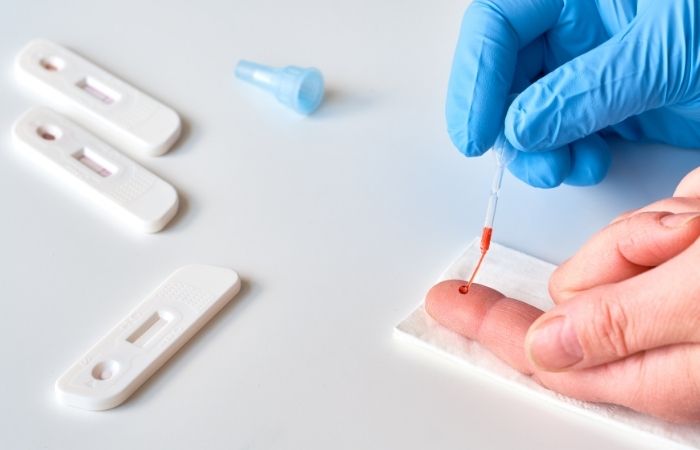
- Yes, most home STD tests require either a urine test or a blood test from the finger, both of which can be safely performed when pregnant.
- 9. Should my partner be tested too?
- In most cases, the answer to that question is yes. It is important to remember that treating both partners of the couple can greatly protect the pregnancy as it progresses.
- 10. Do STDs always produce symptoms when I am pregnant?
- No, in many cases, STDs can be present when pregnant without ever producing symptoms. This is one of the reasons it is so important to get tested, despite feeling perfectly well.
You Deserve Answers, Not Silent Worry
Pregnancy has a way of turning every health question into something bigger. A symptom that might normally be ignored suddenly feels urgent when another life is involved. When it comes to sexually transmitted infections, the good news is that modern prenatal care is designed specifically to protect both parent and baby.
Most infections that worry expecting parents are manageable when they are detected early. Routine screening, safe medications, and careful monitoring allow doctors to prevent many of the complications that once made these infections more dangerous during pregnancy.
Testing is not about blame or shame. It is simply one of the most effective tools medicine has to protect a pregnancy. When infections are identified quickly, treatment can begin right away, dramatically lowering the chances of transmission to a newborn.
If you feel uncertain about your status or are waiting for your next prenatal appointment, discreet testing can help provide clarity. Options like the Women’s 10‑in‑1 At‑Home STD Test Kit allow people to screen for several common infections privately and quickly. You can also explore additional confidential testing resources at STD Test Kits.
The most important thing to remember is simple: knowing your status allows you and your doctor to act early, protect your health, and give your baby the safest possible start.
How We Sourced This Article: The information in this guide is a compilation of current recommendations from all major health organizations combined with peer-reviewed research on pregnancy and STDs. Clinical recommendations from organizations such as the CDC, WHO, and all major medical institutions have been researched and combined with epidemiological studies that examine the risk of transmission during pregnancy and birth. Fifteen sources were used in creating this article, and the six best sources for readers to learn more about the subject can be found below.