Chlamydia vs. Gonorrhea: Symptoms, Testing, and Why You Shouldn’t Guess
Quick Answer: Chlamydia and Gonorrhea are both bacterial STDs that can cause genital, rectal, or throat infections, often with no symptoms. They're caused by different bacteria and require different treatments.
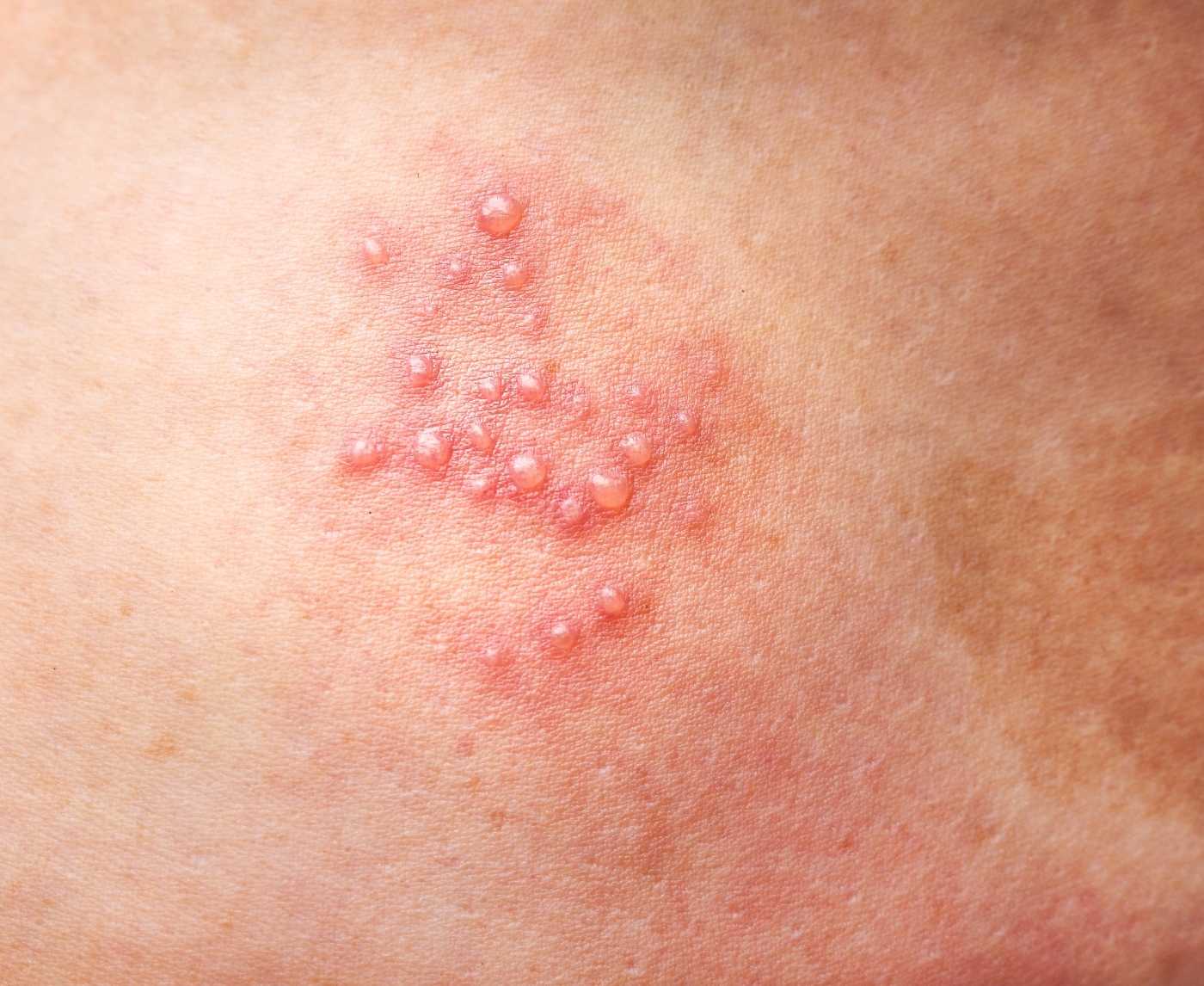
Quick Answer: Chlamydia and Gonorrhea are both bacterial STDs that can cause genital, rectal, or throat infections, often with no symptoms. They're caused by different bacteria and require different treatments. Accurate testing is the only way to tell them apart.
This Guide Is for Anyone Who’s Ever Wondered: “Is This Something?”
This article is for the overthinkers after a hookup. The folks who Googled “pain when I pee STD or not.” The ones who are symptom-free but newly partnered. The college kid using their first test kit. The 40-something in a monogamous relationship who just isn’t sure anymore. You don’t need to have symptoms. You don’t need to feel shame. You just need clear, accurate info you can act on.
It’s also for anyone who’s been burned by silence. Because Gonorrhea and Chlamydia don’t always show up with fireworks. Sometimes, they whisper. Sometimes, they do nothing at all. Until you’re trying to get pregnant. Until you start feeling pelvic pain. Until it spreads somewhere you didn’t expect.
Testing isn’t a confession, it’s care. And this guide is here to help you do it smarter, sooner, and without judgment.

Chlamydia and Gonorrhea 101: What They Are (and Aren’t)
Chlamydia is caused by Chlamydia trachomatis. Gonorrhea is caused by Neisseria gonorrhoeae. Both are bacteria. Both are spread through oral, vaginal, or anal sex. Both are treatable with antibiotics. But their personalities, if you will, are different.
Chlamydia is often stealthier. It’s the most reported STD in the U.S., and it can linger for months without symptoms. Gonorrhea can be louder, especially in men, more discharge, more urgency. But even then, many people feel nothing at all.
Here’s how they differ at a glance:
| Infection | Cause | Common Symptoms | Transmission | Treatment |
|---|---|---|---|---|
| Chlamydia | Bacteria (Chlamydia trachomatis) | Thin discharge, mild burning, lower pain | Oral, vaginal, anal sex | Usually doxycycline, 7 days |
| Gonorrhea | Bacteria (Neisseria gonorrhoeae) | Thick discharge, urgency, rectal/throat signs | Oral, vaginal, anal sex | Injection (ceftriaxone) + oral doxycycline |
Figure 1. Side-by-side overview of Chlamydia and Gonorrhea: symptoms, transmission, and treatment pathways.
What Do Symptoms Really Look Like? (And Who Gets Them?)
Let’s be blunt: you can’t count on symptoms. About 70% of people with Chlamydia and nearly 50% with Gonorrhea never show any signs at all. When symptoms do happen, here’s how they might look, and why it’s easy to confuse the two:
In people with penises, Gonorrhea is more likely to show up quickly with thick, pus-like discharge and painful urination. Chlamydia tends to be subtler, maybe a little discomfort, a little cloudiness in the urine, maybe nothing.
In people with vaginas, both can feel like a UTI or just general pelvic discomfort. You might notice unusual discharge, bleeding after sex, or pain during intercourse. But you might also feel completely normal.
And then there’s rectal and throat infections. These don’t come with blinking warning lights either. Gonorrhea in the throat often feels like a mild sore throat. Rectal chlamydia might mean a little irritation, or nothing at all.
“I Tested on a Whim. Turned Out I Had Both.”
Sana, 27, had been with the same partner for over a year. But something felt off, just a bit of burning after sex and a thick discharge that she chalked up to a yeast infection. Her partner had no symptoms. One day, after reading a Reddit thread, she ordered an at-home test out of curiosity.
The results? Positive for both Chlamydia and Gonorrhea.
“I was shocked,” she said. “I felt fine most days. I only tested because I had this weird gut feeling.”
Her case wasn’t rare. Co-infections are common, especially among sexually active people under 30. That’s why combo tests are a smart move, even when you’re symptom-free. Even when you're scared to know.
If you're wondering, testing doesn’t have to mean a clinic visit or awkward waiting room. You can order a rapid chlamydia + gonorrhea test online, take it at home, and get results in minutes. No doctor needed until you want one.
How Testing Actually Works (And Why You Shouldn’t Wait)
Testing for Chlamydia and Gonorrhea is more straightforward than most people think. You don’t need a full pelvic exam. You don’t need to sit in a clinic full of strangers. In fact, most tests are done through urine samples or self-collected swabs, from the vagina, throat, or rectum, depending on where you’ve had exposure.
The gold standard is the NAAT test (nucleic acid amplification test). It detects the genetic material of the bacteria with high accuracy, over 95% for both infections. This is the same method used in clinics and labs, but it’s now available in at-home versions too.
And because co-infection is so common, most providers (and home test kits) automatically screen for both Chlamydia and Gonorrhea together. It’s not about assuming anything, it’s about not missing anything.
What Happens If You Don’t Treat It?
Let’s not sugarcoat it: these infections don’t just go away. They climb. They spread. And they leave damage behind, even when you feel nothing.
In people with vaginas: untreated Chlamydia and Gonorrhea can cause pelvic inflammatory disease (PID), which scars the fallopian tubes and raises the risk of infertility, ectopic pregnancy, and chronic pelvic pain. The CDC estimates that up to 15% of untreated chlamydia cases lead to PID.
In people with penises: complications include epididymitis, a painful swelling behind the testicles that can also affect fertility. Gonorrhea, in rare cases, can enter the bloodstream, leading to disseminated gonococcal infection (DGI), a life-threatening condition with joint pain, fever, and skin lesions.
During pregnancy, both infections can be passed to the baby during childbirth, leading to eye infections, pneumonia, or worse. The good news? These complications are avoidable with early testing and treatment.
Can You Have Both at the Same Time?
Yes, and you probably wouldn’t know. Co-infection with Chlamydia and Gonorrhea is more common than you think, especially in teens and young adults. In fact, if you test positive for one, the CDC recommends treatment for both unless lab results prove otherwise.
They travel the same way, through the same kinds of contact. And because they both can be silent, it’s easy to carry and pass both without ever knowing.
This is why guessing based on symptoms doesn’t cut it. It’s also why dual testing isn’t just convenient, it’s medically smart.
Treatment Isn’t the Same (And Why That Matters)
Chlamydia is usually treated with a 7-day course of doxycycline. It’s oral, it’s simple, and it works. Sometimes azithromycin is used, but that’s now less common due to rising resistance. It’s effective, if you take every dose, avoid sex for a week, and make sure your partner gets treated too.
Gonorrhea requires a more aggressive approach. Why? Because it’s increasingly resistant to oral antibiotics. That’s why the CDC now recommends a one-time ceftriaxone injection, an intramuscular shot, plus oral doxycycline if a chlamydia co-infection is suspected.
This resistance trend has earned it the nickname “super gonorrhea.” No, it’s not unstoppable, but it is evolving fast, and that’s why getting the right diagnosis and the right meds early is critical.
And no, your UTI antibiotics won’t touch these bugs. So don’t try to self-medicate based on guesswork or leftover pills. It could make things worse.
How They Impact Fertility and Pregnancy
What makes these infections dangerous isn’t just what they do when they’re active. It’s what they leave behind. Inflammation. Scar tissue. Blocked pathways.
In people with uteruses, Chlamydia and Gonorrhea can cause irreversible damage to the fallopian tubes, making it harder to conceive or increasing the risk of an ectopic pregnancy. Even a single untreated infection can have permanent effects.
In men, they can lead to infertility through chronic inflammation, often without a clear symptom warning. You might not know anything’s wrong until you’re trying to conceive.
If you’re pregnant, testing is essential. Treatment during pregnancy is safe, routine, and protects the baby. But again, only if you know it’s there. That’s why early prenatal testing for STDs is now standard care in most clinics.
When to Test (And Why Timing Matters)
Think you might have been exposed? The timing of your test is everything. If you test too soon, your result might come back negative, even if you’re infected. That’s because of the window period, or the time between exposure and when a test can detect the bacteria.
Here’s a breakdown based on CDC guidelines and lab test data:
| STD | Test Type | Window Period | When to Test |
|---|---|---|---|
| Chlamydia | NAAT (Urine or Swab) | 7–14 days | Test at 14 days for best accuracy |
| Gonorrhea | NAAT (Urine or Swab) | 7–14 days | Test at 14 days for best accuracy |
Figure 2. Chlamydia and Gonorrhea testing window periods based on test type. Earlier tests may need a follow-up.
Example? Let’s say you had unprotected sex last weekend and test three days later. If it’s negative, that doesn’t necessarily mean you’re in the clear. You’ll need to retest around the two-week mark to confirm.
One of the smartest moves is using a rapid at-home test now, then retesting at the optimal window if needed. That way, you get peace of mind fast, and don’t miss anything important later.
What If You’re Still Not Sure?
If you’re reading this and still hesitating, wondering if your symptoms “really count” or if you’re overreacting, here’s your nudge: you don’t need to wait for symptoms to act. You don’t even need to be sure you were exposed. If you’re asking the question, it’s worth checking.
Here’s what at-home testing gives you:
- Privacy: No one sees your results but you
- Speed: Most results in 10–20 minutes
- Accuracy: Lab-level precision (NAAT)
- Discretion: Plain packaging, no awkward pharmacy visits
Whether it’s for peace of mind, STI prevention, or protecting your partner(s), this is a moment you’ll never regret. What you will regret? Ignoring the signs, or worse, never getting them.
Retesting: When and Why You Might Need to Again
So you tested once, now what? In some cases, one test isn’t enough. If you tested early (within 7 days of exposure), or if you’re starting a new relationship and want long-term clarity, a second test might make sense. This isn’t about paranoia, it’s about accuracy.
If you’ve already been treated for Chlamydia or Gonorrhea, you may also need a test of cure (especially in pregnancy) or a retest 3 months later to catch possible reinfection.
Reinfection is more common than treatment failure. Many people get exposed again from partners who weren’t treated, or from new partners before testing again. That’s why retesting after treatment is recommended by the CDC for sexually active individuals.
Talking to Your Partner (Even When It’s Hard)
Here’s the part no one likes, but everyone needs: partner notification. If you test positive, the responsible next step is letting your recent partners know. Not to assign blame, but to stop the spread and protect everyone involved.
You don’t have to do it face to face. Many clinics and telehealth platforms offer anonymous notification tools via text or email. You can also keep it simple and direct: “I tested positive for an STD and you may have been exposed. You should get tested too.”
It’s not easy, but it’s one of the most respectful and caring things you can do. And most people, when given the chance, would rather know than stay in the dark.
FAQs
- 1. Can you actually feel the difference between chlamydia and gonorrhea?
- Honestly? Usually not. Some people describe gonorrhea as “louder”, thicker discharge, more burning, but that’s not a reliable rule. Others feel nothing at all. It’s like trying to guess what song is playing based on the bass alone. Testing is your only DJ.
- 2. What’s the scariest thing about leaving these untreated?
- It’s not just the risk of passing it on, it’s what these infections can quietly do to your body. Think: scarring your fallopian tubes, damaging your fertility, triggering chronic pelvic pain or swollen testicles. And you might not even know it’s happening until it’s too late.
- 3. How long does it take for symptoms (if any) to show up?
- If you get symptoms at all, they might show up anywhere between 1–3 weeks after exposure. But plenty of people never feel a thing. That’s the trap, no symptoms doesn’t mean no infection.
- 4. Is it even worth testing if I feel fine?
- Yes. That’s the whole point of this article. These STDs are notorious for staying silent while still doing damage, or being passed to someone else. If you’ve had new or unprotected sex recently, test. It's peace of mind in a box.
- 5. I’m in a relationship. Do I really need to worry about this?
- You’d be surprised how often STDs show up inside monogamous relationships. Sometimes it’s a past infection resurfacing. Sometimes it’s infidelity. Sometimes it’s simply a test no one ever got before. Testing isn’t about distrust, it’s about knowing where you stand, together.
- 6. Can men get these STDs in their throat?
- Yep. So can women and nonbinary folks. Gonorrhea and chlamydia can both live in the throat after oral sex, usually without any sore throat or symptoms. That’s why throat swabs matter if you’ve gone down on someone recently.
- 7. What if I’ve had chlamydia before? Can I get it again?
- You sure can. A past infection doesn’t mean immunity. Think of it like strep throat, you can catch it multiple times if you're re-exposed. Reinfection is common, especially if partners weren’t treated too.
- 8. Can I take leftover antibiotics if I think I have it?
- Please don’t. First, the dosage probably won’t be right. Second, gonorrhea has a resistance problem, and mistreating it only fuels that fire. Use the right treatment, at the right time, for the right bug.
- 9. How often should I be getting tested for STDs?
- If you’re sexually active and under 25, yearly is the baseline. If you’ve got new partners, multiple partners, or you’re a man who has sex with men, it’s smart to test every 3–6 months. No shame, just smart hygiene for your sexual health.
- 10. How do I bring this up with a partner without sounding accusatory?
- Try: “Hey, I’ve been reading up on STDs, and I think we should both get tested, just to be safe.” Make it about mutual care, not blame. Most people are relieved you brought it up first.
You Deserve Clear Answers, Not Silent Damage
Chlamydia and Gonorrhea are among the most common, and most overlooked, STDs in the world. They’re treatable. They’re preventable. But they won’t announce themselves with flashing lights. You’ve got to check, even when you feel fine.
Your health shouldn’t be a guessing game. Whether you’re managing a recent scare, due for a routine check, or just want clarity before a new relationship, this at-home combo test has you covered. Discreet, fast, and clinically trusted, no clinic required.
Test on your terms. Treat on time. Protect what matters.
How We Sourced This Article: We combined current guidance from leading medical organizations with peer-reviewed research and lived-experience reporting to make this guide practical, compassionate, and accurate. In total, around fifteen references informed the writing; below, we’ve highlighted some of the most relevant and reader-friendly sources.