Think You Don’t Have Herpes? Most People Think That Too
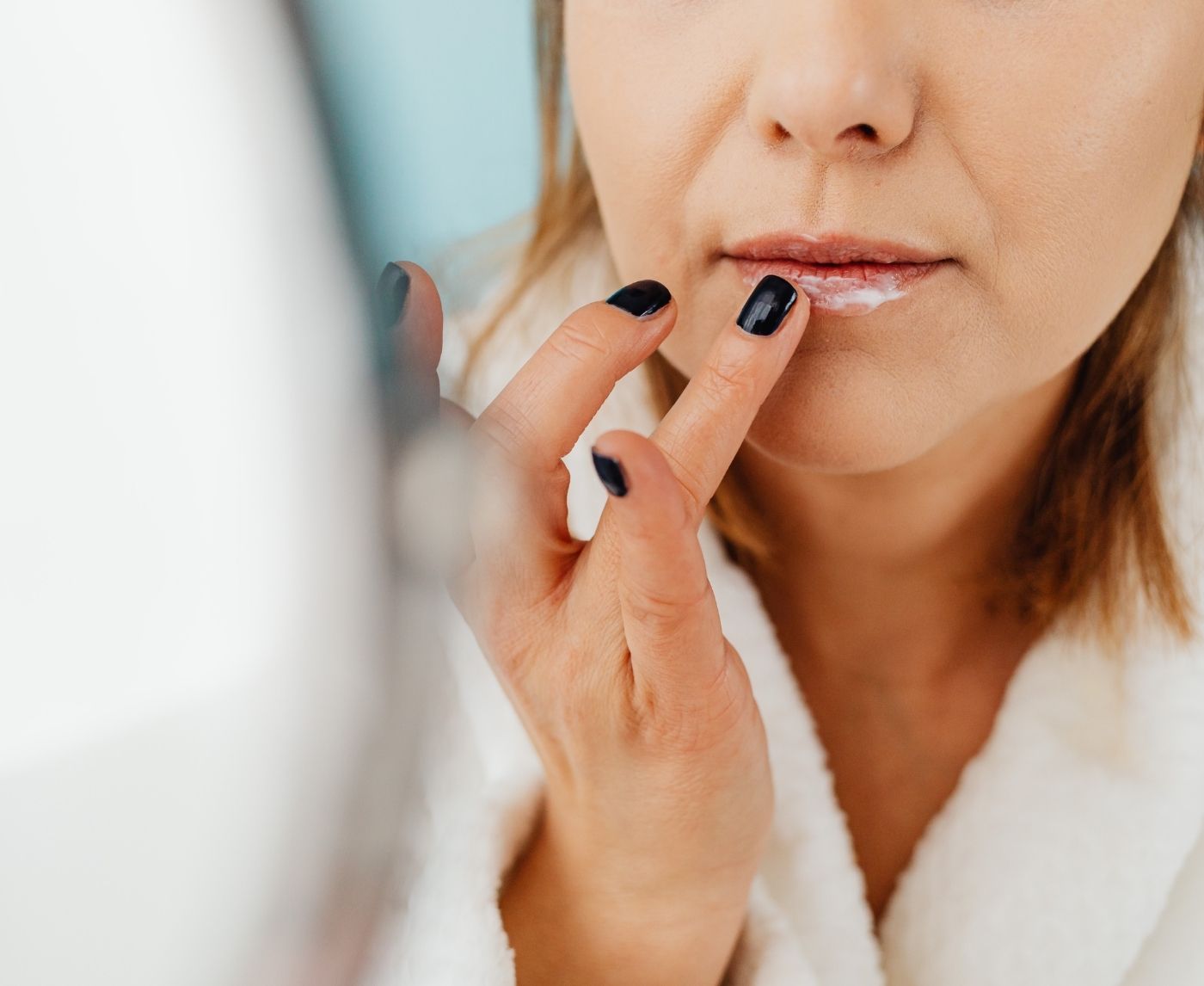
Quick Answer: Most people with herpes have no symptoms or never recognize them. Routine STD panels don’t include herpes unless specifically requested, so many people never find out unless their partner tests positive.
Quick Answer: Most people with herpes have no symptoms or never recognize them. Routine STD panels don’t include herpes unless specifically requested, so many people never find out unless their partner tests positive.
Why This Article Exists (And Who It’s For)
If you’ve ever looked at a clean test result and thought, “Okay, I’m good,” this one’s for you. If your partner swore they were “clear” but never mentioned what they were actually tested for? Also for you. And if you’ve never had a single sore or symptom but something just feels off, this article may explain more than you expect.
This is for people who have sex but don’t talk about testing. For those who get annual checks at the OB-GYN and assume it includes everything. For anyone whose stomach dropped when they Googled “herpes” and realized they didn’t know as much as they thought. This is care, not confession. No shame here, just truth, options, and clarity.
The Numbers Don’t Lie, But They Do Surprise
Globally, the World Health Organization estimates that about 3.7 billion people under age 50 carry HSV-1, the type most often responsible for oral herpes (cold sores) but increasingly linked to genital infections through oral sex. Another 491 million have HSV-2, the virus more traditionally associated with genital herpes. In the United States alone, over 1 in 6 people aged 14 to 49 carry HSV-2, and the number is likely much higher when you include those who don’t know it yet.
The reason this virus flies under the radar? Symptoms don’t always show up, or show up in ways people don’t recognize. That itchy spot you blamed on shaving? That sore you mistook for an ingrown hair? For millions, those moments were herpes making its debut, and then disappearing without a trace.
Why You Probably Weren’t Tested for Herpes
Here's something most people don’t realize: a standard “STD panel” almost never includes herpes. Not unless you ask. Not unless there’s a visible sore. Not unless you’re pregnant or your provider has a specific reason. Even then, many doctors discourage blood testing for herpes unless someone shows symptoms, citing the potential for confusion, stigma, and false positives.
This means you could get tested regularly, feel like you're doing everything right, and still be in the dark. A 2023 survey published in Sexually Transmitted Diseases found that 59% of people who believed they’d been tested for herpes never had been. It wasn’t on the lab form, and no one told them otherwise.
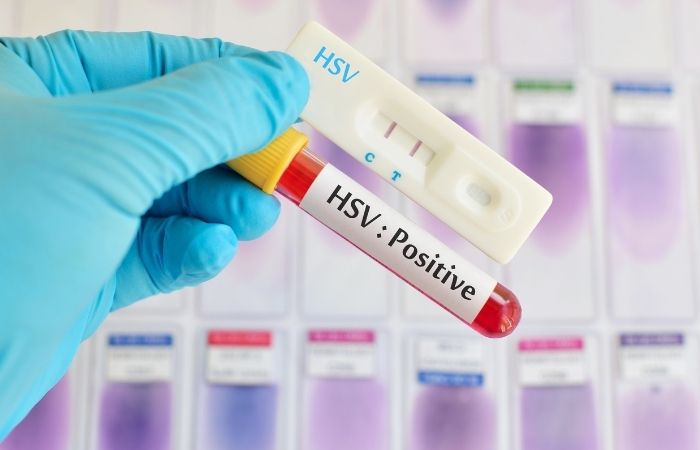
If you’re wondering what kind of testing does exist, here’s a breakdown:
| Herpes Test Type | How It Works | When It’s Used |
|---|---|---|
| Swab Test (PCR) | Collects fluid from an active sore to test for viral DNA | Only when symptoms are visible |
| Blood Test (IgG Antibody) | Detects antibodies to HSV-1 or HSV-2 in your blood | Used for asymptomatic testing, often at home |
| IgM Test | Rarely used; can be inaccurate and misleading | Not recommended by CDC |
Figure 1. Different herpes test types and when they’re commonly used
“But I’ve Never Had a Cold Sore or a Genital Outbreak”
Let’s break that down. About 80% of people with HSV-2 and over 90% of people with HSV-1 never realize they have it. Why? Because their outbreaks are either too mild, mistaken for something else, or don’t happen at all.
Consider this: Liam, 34, thought he had a recurring rash from jock itch. It only showed up in the summer. He used over-the-counter creams and moved on. Years later, a new partner tested positive for HSV-2. Liam got tested out of caution, and found out he was the source. “I felt awful,” he said. “But I genuinely didn’t know. I wouldn’t have taken that risk if I had.”
Stories like Liam’s aren’t rare. They’re common. And they reinforce one of the herpes conversation’s biggest barriers: the myth that you’ll know if you have it.
The Silent Spread: How Herpes Moves Without Outbreaks
Herpes spreads through skin-to-skin contact, not just fluids. That means it can pass even when there are no visible sores. This is due to something called asymptomatic viral shedding, the virus replicates and sheds from skin even when you feel totally fine.
On average, someone with HSV-2 sheds virus on 10–20% of days, while those with HSV-1 genital infections may shed 5–15% of days. In one study from the University of Washington Virology Research Clinic, people with no symptoms shed the virus nearly as often as those with known outbreaks. This means you can pass herpes without ever “having” herpes in a way that’s visible.
And while condoms help reduce risk, they don’t protect the full area herpes can affect, like the scrotum, labia, or upper thighs. The most protective tool is awareness, not just latex.
“I Only Slept With One Person”, And Other Myths That Get People Infected
Janelle, 22, had only ever been with one partner. They used protection. They both tested “negative.” But months into their relationship, she got a call that changed everything. Her partner had tested again during a blood donation, and it came back positive for HSV-2.
The truth? He didn’t lie. He just didn’t know. He’d never had symptoms. No one ever offered him a herpes test, and he didn’t know to ask. This is the gap where herpes spreads, not through recklessness, but through routine that skips critical steps.
Many people think herpes is something you feel. But it’s often something you only learn about after someone else tests. And that creates a painful domino effect of guilt, shame, confusion, and sometimes, blame.
“Should I Get Tested Even If I Don’t Have Symptoms?”
This is the million-dollar question. And the honest answer is: maybe. If you're in a monogamous relationship with a clear history and no symptoms, your doctor might say no. But if you're dating, exploring new connections, or simply want to know your full status, testing can offer something else: peace of mind.
Here’s when herpes testing might be especially worth considering:
| Scenario | Why Testing Matters |
|---|---|
| You're starting a new relationship and want to know everything | Most herpes infections are silent; testing gives clarity before exposure |
| Your partner has herpes (or you’re unsure) | Testing allows informed boundaries and preventative care |
| You’ve had unprotected sex, even once | Condoms lower risk but don’t eliminate it; herpes spreads from skin contact |
| You’ve had recurring "shaving bumps" or "irritation" in the same spot | These could be mild herpes outbreaks mistaken for other things |
| You just want to know | Your health, your choice. No justification needed. |
Figure 2. Common real-life situations where herpes testing can offer clarity
Home Testing: Can You Actually Find Out From Your Living Room?
Yes. Today, many people learn they have herpes from a test they took at home, no clinic wait times, no awkward conversations. At-home herpes testing is usually done through a blood-based antibody test (IgG). You prick your finger, mail the sample, and get results online within a few days.
These kits don’t diagnose active infection the same way a swab from a sore would, but they do tell you whether your body has produced antibodies to HSV-1 or HSV-2. That means you’ve been infected at some point, whether or not you’ve ever had symptoms.
Is it perfect? No. There are rare false positives and test limitations. But for many, especially those without access to sexual health clinics, at-home tests offer a vital starting point. They’re discreet, empowering, and let you choose what comes next on your own terms.
If you’re in the “I just want to know” stage, this combo test kit lets you check for multiple STDs, including herpes, from home, with privacy and support built in.
What Happens If You Test Positive, Without Symptoms?
First, breathe. A herpes diagnosis is not the end of your sex life or your romantic future. It’s the beginning of being able to make informed, safe choices. Treatment is available. Suppression meds reduce outbreaks and make transmission much less likely. And yes, you can still have sex, relationships, children, joy. All of it.
After you test positive, here's what most people do:
They panic. They Google. They cry. Then, hopefully, they talk to someone who reminds them they’re not dirty, not broken, not alone. Then they learn. And then they decide: do I take daily meds? Do I tell my partner? Do I want help with that?
Testing positive doesn’t make you dangerous. It makes you informed.
STD Rapid Test Kits offers at-home tools to test, retest, and move forward. Because the sooner you know, the sooner you can stop wondering.
Why We Still Don’t Talk About This Enough
Stigma. That’s it. That’s the reason. Herpes sits at the intersection of sex, visible symptoms, and social judgment, and that’s a toxic trifecta for silence. Because it’s “gross,” because it’s “your fault,” because people still whisper the word.
But if nearly two-thirds of the global population has some form of herpes, how is it still taboo? The answer lies in shame marketing, miseducation, and the media's obsession with purity culture. It’s not the virus that isolates people, it’s how we treat those who carry it.
What if you knew that your favorite TikToker, your college roommate, your first love, and that hot bartender all had herpes? Would you think differently? Because statistically, at least one of them does.
Herpes isn't rare. What’s rare is honesty about it.
What If You Want to Tell a Partner, But You’re Scared?
Here’s a truth that deserves a headline: disclosure isn’t a legal script, it’s a human moment. And you don’t have to get it perfect to get it right.
Derrick, 29, found out he had HSV-1 genitally after a routine test. His first call wasn’t to a partner, it was to his sister. “I needed someone to say I wasn’t disgusting,” he said. When it came time to tell the person he was dating, he sat in his parked car rehearsing the lines. He finally said, “Hey, I found out I have something, and I want to talk about it because I care about you.”
That conversation didn’t end the relationship. It started a deeper one. Disclosure is hard, but it’s also freedom. When you share this part of yourself, you open space for informed consent, mutual care, and honesty. That’s intimacy.

Can You Have Herpes and Never Give It to Anyone?
Yes. With informed choices, suppression meds, condom use, and open communication, many people with herpes never pass it to a partner. In fact, with antiviral therapy and condoms, transmission of HSV-2 to a partner drops by over 75%, according to data from CDC herpes guidelines.
But again, people can’t protect against something they don’t know exists. That’s why testing and disclosure are powerful, not shameful.
It’s not just about reducing transmission. It’s about giving your partner the chance to decide what’s best for them, with all the facts in hand. Most people with herpes don’t find relationships impossible. What they find, eventually, is someone who listens, learns, and stays.
What If You’re Not Ready to Know?
That’s okay too. Not everyone wants to know everything right now. Some people live with manageable symptoms and prefer not to label them. Others fear the implications of a positive result in their dating life, their family, their culture.
If that’s you, you still deserve options. You can test when you're ready. You can choose a discreet kit. You can decide what knowing does for your mental health, not just your medical record. You can also start with education, reading guides like this one, talking to sex-positive providers, or joining forums where herpes is discussed without judgment.
There is no perfect path. But there is a better one than silence, and you’re already walking it.
Ready to Know? Here’s a Confidential First Step
You don’t need to wait for symptoms, a breakup, or a bad gut feeling. You can test today, privately, on your timeline. With a fingerstick and a few drops of blood, you’ll get results in days, and something you can’t Google: clarity.
At-home kits from STD Rapid Test Kits offer confidential delivery, simple instructions, and no awkward clinic visit. Whether you’re checking your status, starting a new relationship, or responding to a partner’s test, you have the right to know your own body. And the sooner you know, the sooner you stop worrying.
FAQs
- 1. Can you really have herpes and not know it?
- Absolutely, and it's more common than not. Most people who test positive for herpes never had a “classic” outbreak. Maybe a little redness, a random bump, or an itch they chalked up to shaving. That’s how the virus sneaks by. It’s not hiding; we just don’t recognize it for what it is.
- 2. If I’ve only had one partner, can I still get herpes?
- Yes. All it takes is one. You could sleep with someone once, or a hundred times, and still get herpes the very first time. It's not about how many people you've been with. It’s about whether one of them had herpes (knowingly or not), and whether there was skin-to-skin contact. Spoiler: there usually is.
- 3. I have cold sores. Is that herpes?
- Yes. Cold sores are usually caused by HSV-1, which is a type of herpes. You probably got it in childhood, kissing relatives, sharing drinks, that kind of thing. The part most people miss? That same HSV-1 can be passed during oral sex and cause genital herpes. So yep, that “harmless” cold sore has a secret side hustle.
- 4. Can I pass herpes even if I don’t have symptoms?
- Unfortunately, yes. This is where herpes gets tricky. It can “shed” from your skin when you feel totally fine, which means it can spread even without a visible sore. That’s why some folks get blindsided. They didn’t do anything “wrong”, they just didn’t know.
- 5. Do I have to tell my partner if I test positive?
- There’s no law that says you must (except in a few states), but from a respect and trust standpoint? Yeah, it’s the right move. Most people appreciate the honesty. And it’s not always a dealbreaker. You’d be surprised how many people say, “Thanks for telling me, what should we do next?”
- 6. Can I still have sex and relationships with herpes?
- Totally. Herpes doesn't end your love life, it just adds a layer of planning and communication. With antiviral meds and condoms, transmission drops significantly. Many people with herpes have long-term partners, happy marriages, and vibrant sex lives. You're not disqualified from intimacy.
- 7. Should I get tested even if I don’t have symptoms?
- If you're the kind of person who likes having all the facts, then yes. Especially if you’ve had new partners, or you’re planning to stop using condoms, or someone close to you tested positive. Knowing your herpes status is like checking your blind spot, it helps you drive safely, even when the road seems clear.
- 8. How long after exposure should I test?
- Blood-based antibody tests (the kind you get at home or request from a clinic) take time to detect herpes. The sweet spot is around 12 to 16 weeks after the exposure. Testing earlier might give you peace of mind, but you may need a follow-up test to be sure.
- 9.Is there a cure for herpes?
- Not yet. But treatment? That’s solid. Daily suppressive therapy can reduce outbreaks, lower the chance of transmission, and make the whole thing much more manageable. You don’t have to suffer in silence, and you don’t have to go it alone.
- 10. Will this define me forever?
- Only if you let it. Most people feel a wave of fear after diagnosis, and then they realize life goes on. You still laugh, flirt, have sex, fall in love, build families, and grow. Herpes is a virus, not a character flaw. And anyone who thinks otherwise isn’t someone you need in your bed, or your life.
You Deserve Answers, Not Assumptions
You shouldn’t have to guess what’s happening with your own body. Not when testing exists. Not when silence only makes things harder. Most people assume they’d know if they had herpes, but assumptions don’t protect anyone.
If you’ve never been tested specifically for herpes, that’s your sign. Ask. Check. Confirm. You deserve real answers, not the kind that leave you wondering.
How We Sourced This Article: We combined current guidance from leading medical organizations with peer-reviewed research and lived-experience reporting to make this guide practical, compassionate, and accurate.
- Planned Parenthood – Herpes Overview
- About Genital Herpes – Centers for Disease Control and Prevention
- Herpes Simplex Virus – World Health Organization
- Sexually Transmitted Diseases Treatment Guidelines – Genital Herpes – CDC
- NHANES Data Brief No. 304: Prevalence of HSV‑1 and HSV‑2 in the U.S.
- WHO Guidelines for the Treatment of Genital Herpes Simplex Virus Infection – NCBI Bookshelf
- Genital Herpes Infection: Serologic Screening – U.S. Preventive Services Task Force
- Fast Facts About Herpes – American Sexual Health Association (ASHA)
- Herpes Simplex Virus Type 2 in Asymptomatic Persons – American Academy of Family Physicians