New Herpes Drug Pritelivir What It Means for You
Quick Answer: Researchers found that pritelivir, a new oral herpes drug, worked better than acyclovir to treat resistant HSV in people with weak immune systems.
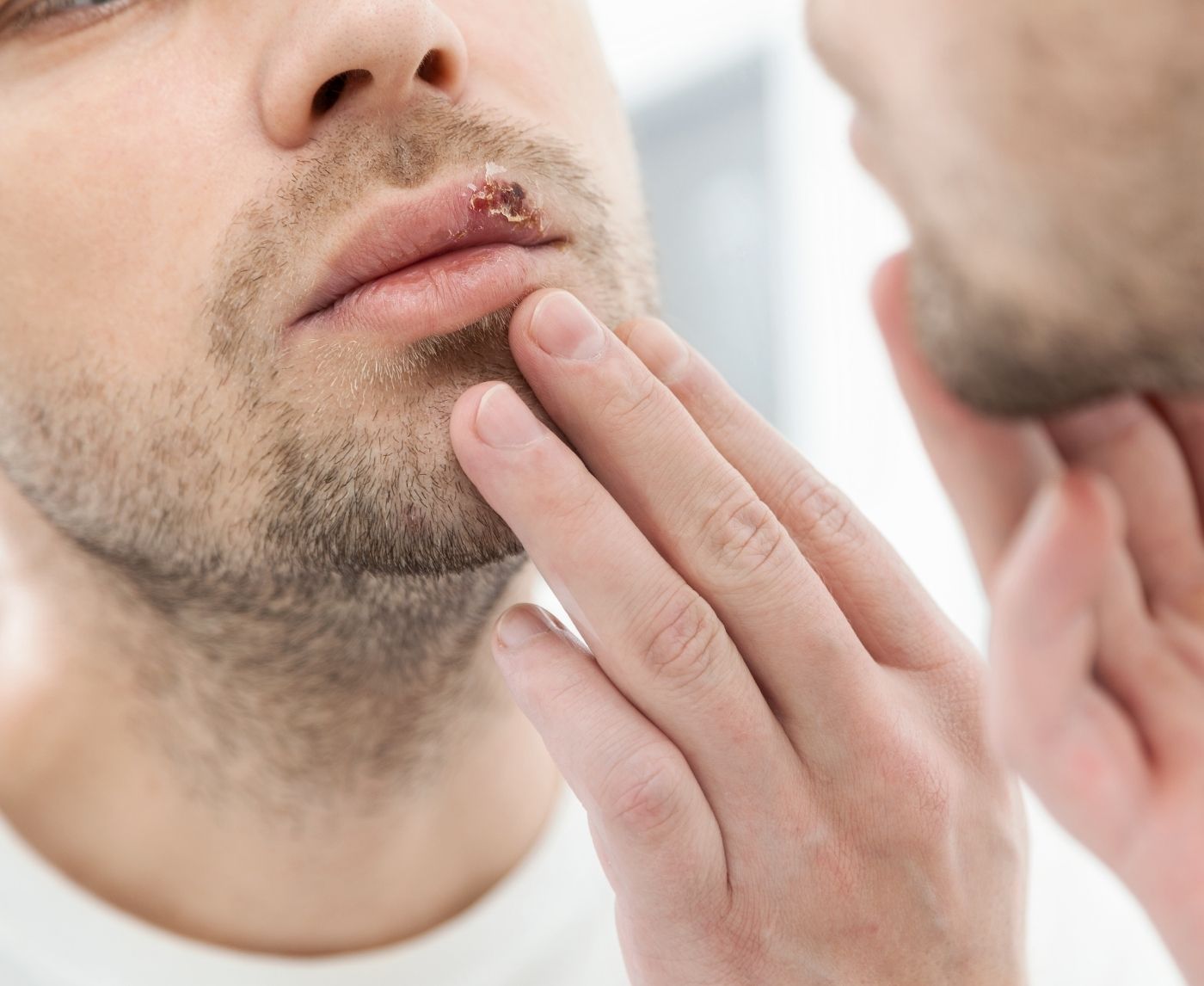
Quick Answer: Researchers found that pritelivir, a new oral herpes drug, worked better than acyclovir to treat resistant HSV in people with weak immune systems. This shows how important it is to get a diagnosis quickly, especially with at-home herpes test kits that can find the infection early and help you decide what to do next.
Why This Trial Matters (Even If You’re Not Immunocompromised)
According to the European AIDS Treatment Group report, researchers found that oral pritelivir reduced lesion days and viral shedding more effectively than standard drugs in people with refractory HSV. The trial focused on patients whose immune systems couldn’t suppress the virus with first-line antivirals, people undergoing transplants, chemotherapy, or living with advanced HIV.
But here’s the bigger picture: pritelivir works differently. It doesn’t just stall replication; it blocks the helicase-primase complex, meaning fewer flare-ups and possibly better suppression over time. For everyday users, this trial signals a shift in how we understand herpes treatment, and reaffirms the critical role of early detection. Whether you're dealing with recurrent sores, unexplained itching, or just the fear of having herpes without visible symptoms, getting tested at the right time still shapes your options.
Who Should Be Paying Attention to This
If you’ve had painful sores after sex and chalked it up to friction, or you’ve had that “could this be herpes?” moment in the mirror, this news is for you. You don’t need to be immunocompromised to benefit from knowing where treatment is headed. In fact, if you’ve ever stopped taking antivirals because they gave you side effects, or if you’ve avoided getting tested because you thought, “there’s no real cure anyway,” this trial should challenge that mindset.
Knowing your HSV status empowers you to take action sooner. Because the best time to treat herpes isn't after it becomes visible, it's when it's still quietly replicating. The sooner you test, the sooner you can access treatment options that could change how your body handles the virus long term. And with today’s at-home kits, you don’t need to sit in a waiting room or explain yourself to a stranger.
What Counts as a Herpes Test, and What Doesn’t
A lot of people assume they’ve been tested for herpes during routine STD screenings. The truth? Most standard panels don’t include HSV unless you specifically ask. That means many people walk around with symptoms they’ve mislabeled, razor burn, yeast infection, allergic reaction, without ever knowing they’ve had herpes for years.
There are two primary ways to test for herpes: blood tests (IgG antibody tests) and swab tests (PCR or culture from an active sore). Both can now be done from home. A fingerstick blood sample can detect antibodies from past exposure, while a swab, used properly, can catch active viral DNA. For those without visible sores but with recurring symptoms, at-home herpes antibody kits offer a discreet and affordable entry point. You can learn more or order directly at STD Test Kits, which includes multiple options like the Herpes Simplex 1 & 2 test kit.
Timing Still Rules Everything: Herpes Window Periods Explained
Even the most accurate test in the world is only useful if taken at the right time. That’s where herpes, and other STDs, can trip people up. The window period is the time between exposure and when a test can reliably detect infection. For HSV, this can vary depending on the test type. A blood antibody test, for example, may not show a positive result until 3 to 12 weeks after exposure, while a PCR swab can catch it sooner, if lesions are present.
| Herpes Test Type | Sample Type | Detects | Typical Window Period | Best Used When |
|---|---|---|---|---|
| IgG Antibody Test | Fingerstick blood | Past exposure to HSV-1 or HSV-2 | 3 to 12 weeks | No symptoms but past risk |
| PCR Swab Test | Swab from sore or genitals | Active viral DNA | As early as 2–3 days after symptoms | Visible sores or recent outbreak |
Figure 1. Herpes testing methods and their ideal windows. Testing too early or with the wrong method can lead to false reassurance, retesting later is sometimes necessary.
Why Antiviral Resistance Isn’t Just a Hospital Problem
It’s tempting to think drug resistance only happens in extreme cases, like someone battling cancer or HIV. But herpes doesn’t discriminate. Even in otherwise healthy people, overuse or misuse of antivirals like acyclovir and valacyclovir can lead to declining effectiveness. While resistance is still relatively rare in the general population, this new trial with pritelivir shows that alternative therapies are on the horizon, for everyone.
The bigger concern isn’t just drug resistance. It’s delayed diagnosis. People often live with herpes for years without knowing it, cycling through partners or getting misdiagnosed. That delay gives HSV time to establish itself deep in the nervous system, where antivirals can only manage, not cure. Knowing your status early can mean better treatment options later, especially as new drugs like pritelivir move toward broader use.
Let’s Talk About Recurrence, And What This Trial Suggests
One of the most hopeful takeaways from the pritelivir trial is its ability to suppress recurring outbreaks and lower viral shedding, even when acyclovir had failed. For people with chronic or frequent flares, this could be life-changing. And for the rest of us? It reminds us that herpes is a dynamic virus, it adapts, it hides, and sometimes it returns when you least expect it.
Herpes outbreaks aren’t just physical. They come with emotional spikes, shame, anxiety, fear of disclosure. If you’ve ever canceled a hookup or hidden symptoms from a partner, you know this. That’s why knowing your viral status and testing regularly during flare-ups can help you track patterns and advocate for better care. And in a world where more pritelivir-type drugs are coming, being informed could unlock access sooner.
How At-Home Testing Fits Into the Herpes Landscape Now
The reality is that most people won’t qualify for clinical trials. They won’t be hospitalized. They won’t see an infectious disease specialist. They’ll be scrolling on their phones, trying to figure out what that tingle or bump means, and whether they can get tested without telling anyone.
This is where at-home testing shines. Discreet, private, and increasingly accurate, today’s Herpes Simplex 1 & 2 kits allow you to collect a small blood sample and get results from the safety of home. No waiting rooms. No judgment. And if you're between outbreaks or not sure what you’re seeing, pairing a blood test with careful tracking of symptoms can help build a bigger picture over time.
Even if you're in a monogamous relationship or haven't had symptoms in years, re-testing occasionally, especially if you’re starting a new medication or managing other conditions, can help clarify your HSV status. As this trial shows, the virus behaves differently under different immune pressures. The test you take today might look very different in a month if your body changes.
But I Don’t Have Symptoms, Should I Still Test?
This is one of the biggest herpes myths: no symptoms means no infection. In reality, up to 80% of people with genital herpes don’t know they have it. They may never have classic sores. They may confuse symptoms with yeast infections, jock itch, razor burn, or UTIs. Some may experience only vague itching, tingling, or fatigue around the time of viral reactivation.
That’s why herpes remains one of the most silently spread STDs. You can transmit HSV without symptoms. And while not everyone needs to test regularly, anyone who’s had unprotected sex, a new partner, or an unexplained rash or irritation should consider getting checked. It's not about paranoia. It's about peace of mind, and power.
Still unsure? Use this STD Risk Checker Quiz to evaluate your personal exposure risk and see whether it’s time to test.
Let’s Be Real About Accuracy: When to Test (And When to Retest)
If you’ve ever taken a test too early and breathed a sigh of relief, only to see a sore days later, you’re not alone. Window periods are tricky, especially with herpes. If you test for antibodies too soon after exposure, you might get a false negative. That’s not a flaw in the test. That’s just biology.
Generally, wait at least 3 to 6 weeks after potential exposure before taking a herpes IgG test. If negative, consider retesting at 12 weeks to confirm. For swab tests, test during an active sore, ideally within 48 hours of appearance. These timelines aren’t arbitrary; they match how long it takes your body to mount a detectable immune response or shed viral DNA.
| Exposure Timeline | Recommended Test | Why It Works |
|---|---|---|
| Within 1–2 weeks | PCR swab of any visible sore | Can detect active viral shedding during outbreak |
| 3–6 weeks post-exposure | IgG antibody blood test | Early-stage antibody development detectable in many |
| 12+ weeks post-exposure | IgG antibody confirmation test | Nearly all infections show antibodies by this point |
Figure 2. Herpes testing strategy based on timing. Retesting after an early negative result is often recommended to avoid false reassurance.
Retesting Isn’t Paranoia, It’s Strategy
Let’s say you had a scare, tested early, and your results came back negative. That’s great, but it might not be the full story. Herpes testing, especially blood-based, is about timing and immune response. If you caught the test too early, your body might not have produced enough antibodies yet. That’s why confirmatory testing 8 to 12 weeks after exposure is standard in many clinical guidelines.
Retesting is also key if you start to notice new symptoms, like tingling, burning, or pain, after a previous negative result. Some people only develop detectable antibodies during their first symptomatic outbreak. And for those managing herpes long-term, periodic retesting can be a helpful tool to track immune changes, evaluate treatment efficacy, or guide partner conversations.
What Privacy Really Means in At-Home Testing
Testing from home isn’t just about convenience. It’s about emotional safety. For many people, the idea of discussing herpes with a healthcare provider, pharmacist, or lab technician triggers shame, fear, or even trauma. At-home STD tests eliminate that barrier.
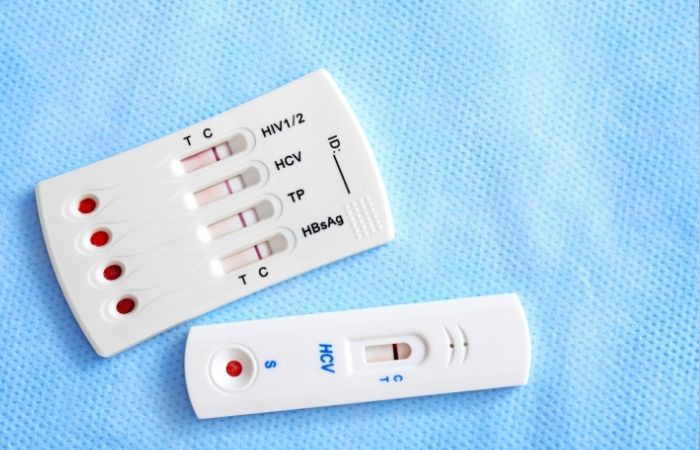
All kits from STD Test Kits are shipped in plain, unmarked packaging. No one but you knows what’s inside. You collect your sample privately, follow clear instructions, and send it back, or interpret it at home if it’s a rapid test. No waiting rooms. No awkward conversations. Just answers on your terms.
This kind of autonomy matters even more in places where access to clinics is limited, or where stigma makes it dangerous to ask for help. With high-accuracy kits and ongoing support, testing no longer has to feel like a public declaration. It can be a quiet, powerful act of care.
Testing Positive: What Comes Next Doesn’t Have to Be Scary
Testing positive for herpes can feel like the bottom drops out. Maybe you’re imagining telling your partner. Maybe you're Googling "is this forever?" under the covers at 2AM. It’s a gut punch, but it’s not the end. Most people with herpes live completely normal, healthy sex lives. And with suppressive treatment, many have few or no symptoms.
The first step is to confirm your result. If you tested at home, follow up with a healthcare provider or clinic for a confirmatory test, especially if it was your first time testing or the result was unexpected. From there, treatment options can include daily antivirals (like valacyclovir or acyclovir), episodic therapy during outbreaks, or just lifestyle management.
And with the emergence of new therapies like pritelivir, the landscape is changing. You may not need lifelong suppressive therapy. You may find new relief if current meds don’t work. But it all starts with knowing your status, and reclaiming the narrative around what herpes really means.
One fictionalized story that reflects this journey: Farah, 29, tested positive after months of mysterious itching and was devastated. But after speaking to a telehealth doctor and starting suppressive therapy, her outbreaks stopped. She found support online, told a new partner without rejection, and began reframing herpes not as punishment, but as a manageable part of her health.
Knowledge is power. And testing, even when scary, gives you back control.
If you’ve recently tested positive or are considering retesting, this at-home combo test kit can check for multiple STDs in one go, helping you feel confident, informed, and in charge.
FAQs
- 1. Can pritelivir cure herpes?
- No, and honestly, nothing can. Herpes doesn’t have a cure (yet), but pritelivir is a game-changer for people who’ve hit a wall with other meds. Think of it like a new tool in the box: not a miracle, but something that may work when acyclovir doesn’t.
- 2. Should I get tested even if I’ve never had a sore?
- Yes. 100 times yes. Most people with herpes don’t get those "classic" sores. You could have it and think it's a heat rash or irritation from shaving. If you’ve had unprotected sex, new partners, or just a weird gut feeling, get checked.
- 3. How soon after sex can I test for herpes?
- Timing matters. If you’re using a swab test (for visible sores), do it as soon as symptoms show up. If you’re going the blood test route, wait about 3–6 weeks after exposure. Still worried? Retest at 12 weeks to be sure.
- 4. Are at-home herpes tests reliable?
- If you get one from a legit source, yes. The kits we talk about here use the same kind of tech labs use. Just follow the instructions, and don’t rush the window period. Early tests can miss infections, but that’s biology, not a bad test.
- 5. What if I have symptoms but my test was negative?
- It happens. You might’ve tested too soon, or your body hasn’t built enough antibodies yet. Give it time, retest later, and if something still feels off, trust that. Your body’s smarter than we give it credit for.
- 6. Do I have to tell my partner if I test positive?
- Legally, in most places, yes. Ethically, absolutely. But how you do it is up to you. You can text, talk, use a script, or even anonymous apps. Plenty of people have that convo and are met with kindness, not rejection.
- 7. Can I test during an outbreak?
- That’s actually the best time. If you’ve got a sore, swab it. Swab tests during active symptoms are super accurate because they’re catching the virus in action. No sore? A blood test’s your next best bet.
- 8. Is untreated herpes dangerous?
- For most healthy people, not really. It’s annoying, yes. Emotionally rough, definitely. But physically? It’s manageable. In people with weak immune systems, though, untreated HSV can get more serious. That’s why testing and treatment matter.
- 9. Do I need to retest after a negative result?
- Maybe. If you tested early, like within a couple weeks of exposure, it’s smart to test again later. A lot of people get false reassurance from early tests. Think of retesting as a final “yes or no,” not an overreaction.
- 10. Can herpes affect pregnancy?
- It can, but only in specific ways. If someone gives birth during an active outbreak, there’s a risk to the baby, especially if it’s a first-time infection. But doctors know how to handle it. Just make sure they know your status, and you’ll have options.
You Deserve Answers, Not Assumptions
This new trial isn't just about hospitals or drug patents; it's about hope. The truth is that herpes treatment is changing, and you don't have to wait for symptoms to act. You can test yourself at home, learn about your body, and make smart decisions about your care. If you have HSV, don't know if you have it, or are dealing with the emotional weight of a possible diagnosis, there is a way forward. It starts with learning more.
Don’t wait and wonder, get the clarity you deserve. This at-home combo test kit checks for the most common STDs discreetly and quickly.
How We Sourced This Article: We combined current guidance from leading medical organizations with peer-reviewed research and lived-experience reporting to make this guide practical, compassionate, and accurate. In total, around fifteen references informed the writing; below, we’ve highlighted six of the most relevant and reader-friendly sources. Every external link in this article was checked to ensure it leads to a reputable destination and opens in a new tab, so you can verify claims without losing your place.
- Phase 3 Trial Confirms Superior Efficacy of Oral Pritelivir
- Planned Parenthood – Herpes Overview
- Helicase–Primase Inhibitor Pritelivir for HSV-2 Infection — NEJM (2014)
- Effect of Pritelivir Compared With Valacyclovir on Genital HSV-2 Shedding — JAMA (2016)
- Efficacy of Pritelivir and Acyclovir in Treatment of HSV — PMC (Preclinical & Clinical Data)