Could One Monthly Pill Stop Herpes Outbreaks for Good?
Quick Answer: A once-a-month pill to prevent herpes outbreaks is in development but not yet FDA-approved. But they’re not magic. Some users still report breakthrough flares.

Quick Answer: A once-a-month pill to prevent herpes outbreaks is in development but not yet FDA-approved. Preliminary studies on long-acting antivirals suggest possible effectiveness, especially in inhibiting HSV-2; nonetheless, daily or intermittent dosing remains standard practice.
Daily Pills, Surprise Outbreaks: Why Monthly Suppression Is Even Being Explored
Let’s be clear: current herpes antivirals are highly effective for many. Valacyclovir (Valtrex) and acyclovir can reduce outbreak frequency, lower viral shedding, and slash transmission risk, especially when taken daily. But they’re not magic. Some users still report breakthrough flares. Others find side effects frustrating or forget doses during travel or illness. The problem isn't just the virus, it's how life happens around it.
Take Monica, 27, who contracted genital herpes in college and takes daily meds while working two jobs. “I’d go two, three weeks clean, then bam, another lesion, even on meds,” she says. “The idea of taking something monthly? That would be life-changing. I wouldn’t feel chained to a pill bottle.”
There’s growing interest in longer-acting antivirals that match real life better. Think birth control-style dosing for herpes: fewer pills, fewer reminders, same protection. But what does the science say?
Could One Dose Last a Whole Month? Here's What Research Suggests
For more than ten years, researchers have been studying depot injections and long-acting antivirals as possible treatments for herpes. Some compounds that are being worked on are meant to stay in the body for weeks, giving a slow, steady suppression instead of sharp peaks and drops every day.
Acyclovir valinate, a prodrug of acyclovir that is made to release slowly over time, is one promising example. Animal studies show that it stays at therapeutic levels with fewer doses. Pritelivir is another choice. It stops helicase and primase from working, but it works differently than most medicines. You might only need to take it once a week or every other week. But here's the problem: as of the end of 2025, none of these options are approved by the FDA for use every month. Most of them are in the second or third stage of testing.
Still, early studies have yielded tantalizing outcomes:
| Compound | Dosing Frequency | Study Phase | HSV Suppression Outcome |
|---|---|---|---|
| Pritelivir | Weekly | Phase III | 67% reduction in shedding vs placebo |
| Aciclovir valinate | Monthly (theoretical) | Preclinical/Animal | Sustained levels in plasma for 28+ days |
| Valacyclovir extended-release | Every 7–10 days | Phase II | Comparable suppression to daily dosing |
Table 1. Experimental herpes antivirals showing potential for longer-term dosing. Data sourced from clinicaltrials.gov and recent journal publications.
While none of these have hit the pharmacy shelf yet, the trajectory is clear: researchers are chasing fewer doses with longer protection. And for people tired of managing daily regimens, this could be a game changer.

Is Monthly Suppression Just About Convenience?
Not entirely. Yes, it's easier to remember one pill than thirty. But monthly herpes suppression could also improve quality of life, reduce stigma, and potentially increase adherence, especially for those juggling ADHD, depression, or unstable housing. “We forget that people’s lives aren’t perfectly scheduled,” says Dr. Lillian Cho, a sexual health researcher at Johns Hopkins. “A monthly option could mean better outcomes because it meets people where they are.”
Another key motivator is emotional exhaustion. Long-term herpes management, especially when outbreaks persist despite daily meds, can lead to what some call “diagnosis burnout.” That feeling of doing everything right but still feeling vulnerable. For some, the idea of a monthly pill feels like a fresh start.
We’ll explore side effects, safety, and how these future pills might actually work, right after this:
If your head’s spinning and you just want clarity, one discreet test can help. Order your herpes test kit now and take back control, wherever you are.
Side Effects, Risks, and What We Still Don’t Know
Let’s get real about the elephant in the room: safety. Monthly suppression isn’t just about popping a bigger pill or getting a longer shot. It’s about how your body processes the drug over time, and whether side effects become stronger, weaker, or simply different.
Current antivirals like valacyclovir and acyclovir are generally well-tolerated. But even at daily doses, people report issues like nausea, headaches, dizziness, or in rare cases, kidney strain. So what happens when those doses are modified to last a whole month? The answer depends on how the medication is formulated. Slow-release options may help reduce side effects by keeping blood levels stable. But we won’t know for sure until human trials of monthly regimens are complete.
There’s also the concern of drug resistance. Taking a drug less frequently could, if done wrong, allow the virus to adapt. However, so far, resistance to herpes antivirals remains relatively rare in immunocompetent patients. According to the CDC, resistance is more likely in immunocompromised individuals, especially those with HIV or transplant histories.
We need more data. And more importantly, we need transparency. The pharmaceutical companies developing these drugs must make side effect profiles as accessible as their marketing. Until then, monthly suppression is a “maybe someday” promise, one that should be approached with informed optimism.
When Daily Suppression Fails: A Deeper Look
For many, daily antiviral therapy works beautifully. But not for all. Some people, like Jordan, 33, find themselves following every guideline and still seeing symptoms. “I never missed a dose. Ever. And I was still getting monthly flares. It felt like the meds weren’t doing anything.”
What gives? In these cases, it’s often not about resistance but about biology. Some bodies shed more virus. Some immune systems react differently. Some triggers, like hormonal shifts, certain foods, or immune dips, aren’t fully blocked by standard meds. That’s where a different mechanism of action might help. Drugs like pritelivir don’t just block viral replication; they interfere with the virus’s ability to unzip its DNA. That could change the game for people with frequent or stubborn outbreaks.
Doctors may also adjust suppression strategies: combining meds, switching to a different antiviral, or exploring integrative options. But the desire remains: one simple solution that keeps herpes in check without daily reminders.
From Pills to Peace: How a Monthly Option Could Change Relationships
“Every night when I took my Valtrex, I felt dirty again.” That’s how Luis, 29, described life with daily suppression. The pill was supposed to help. And medically, it did. But emotionally, it anchored his herpes status to his bedtime routine. “It wasn’t about the virus anymore. It was about how the pill made me feel, like I needed to be fixed every single day.”
Monthly suppression, by contrast, could reduce that psychological toll. Instead of daily reminders, users might feel freer to focus on connection, not condition. For people navigating disclosure in dating, this can be powerful. Imagine saying, “I’m on monthly suppression” instead of “I take a pill every day to keep it under control.” Same protection. Different vibe.
Of course, emotional relief shouldn’t replace medical facts. Any antiviral must still reduce viral shedding and prevent recurrence. But the psychosocial impact matters, too, especially in a world where herpes stigma is more harmful than the virus itself.
How Monthly Dosing Might Work in the Real World
Here’s the million-dollar question: how would this look practically? The current frontrunners fall into three models, oral extended-release pills, long-acting injections, and implantable delivery systems.
Each one has its own pros and cons. You might still need to plan ahead, even though oral pills are probably the easiest to use. Injections, like Depo-Provera for herpes, could last for 30 days or longer, but they might hurt or you might have to go to the clinic. Implants, like Nexplanon for herpes, are the most advanced, but they won't be widely tested for years.
Let’s break it down:
| Option | Dose Frequency | Current Availability | Best Fit For |
|---|---|---|---|
| Extended-release oral pill | Every 30 days | In development | People who want self-managed suppression with fewer pills |
| Long-acting injection | Every 4–6 weeks | In clinical trials | People who dislike daily meds and prefer fewer treatments |
| Implantable antiviral | Every 6–12 months | Experimental stage | People seeking ultra-low-maintenance control |
Table 2. Projected models of monthly herpes suppression therapy. Timelines vary based on FDA approval and trial outcomes.
Each option appeals to different needs. Someone who forgets pills might love the injection route. Others may fear needles but still want less frequent dosing. Choice is power, and the future of herpes care may finally start reflecting that.
Why Suppression Isn’t One-Size-Fits-All (And Never Was)
Too often, herpes care is treated like a checkbox. Got it? Take this. Done. But suppression therapy, whether daily, episodic, or eventually monthly, is deeply personal. It’s shaped by outbreak frequency, relationship goals, immune function, and even how someone feels about swallowing pills.
Some people only get one outbreak a year and don’t need ongoing meds. Others flare up monthly and need consistent antiviral levels to function. For folks with both oral and genital herpes, the line blurs further. Should they suppress both? Just one? What if they’re pregnant or trying to conceive? Herpes care isn’t one-size-fits-all, it’s a wardrobe, not a uniform.
Providers are starting to catch on. More clinics now offer suppression “trial periods” or talk through pros and cons instead of auto-prescribing. And that shift matters. Because the more options people have, daily, episodic, monthly, the more they can find a rhythm that fits their life.
Thinking About Suppression? Here’s When to Test First
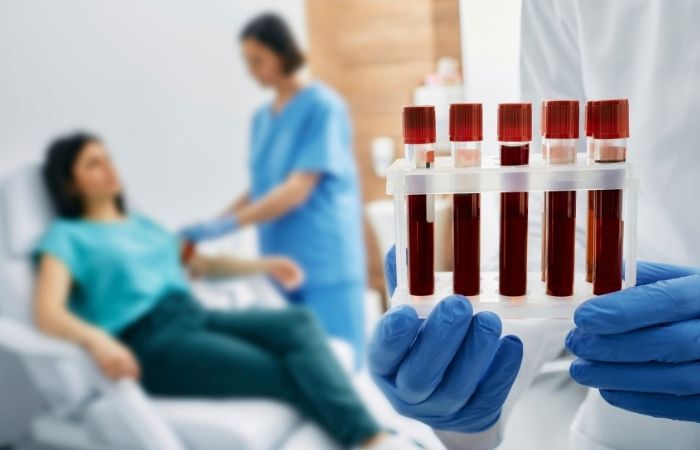
Before starting any suppression routine, accurate diagnosis is essential. The most reliable way to confirm a herpes infection is with a type-specific IgG blood test (for people without visible symptoms) or a swab test of an active lesion (if one is present). Timing matters: testing too soon after exposure can yield false negatives, especially in blood tests, which may take 6–16 weeks to show antibodies.
Here’s what that might look like for someone navigating first-time symptoms:
Day 1–5: You notice tingling, pain, or a small blister. If possible, get to a clinic or urgent care for a swab test while the lesion is fresh.
Day 6–30: If the sore has healed and swabbing is no longer possible, wait about 6 weeks and request a type-specific IgG blood test to check for antibodies.
After 6–12 weeks: Retest if results were negative but symptoms continue or if you're high risk for exposure.
If you're navigating this right now, don’t guess. This at-home herpes rapid test kit can help you find out fast, in private, on your terms.
Burned Out by Herpes Management? You’re Not Alone
Managing herpes isn’t just physical. It’s mental, emotional, and logistical. The cycles of flare-ups, fear, suppression, disclosure, and sometimes shame, can take a toll. And when you’re doing “everything right” and still getting symptoms, it’s easy to lose hope.
Naima, 36, describes herpes burnout as “death by a thousand paper cuts.” Not just the virus itself, but the constant vigilance. “I started skipping pills just to feel normal. I knew it wasn’t smart, but I was tired of living like I was broken.”
Monthly suppression offers more than a medical shift. It hints at psychological freedom. Fewer pills might mean fewer mental load moments. One decision per month instead of thirty. For some, that’s a radically different life.
But whether you take daily meds, monthly ones someday, or none at all, your worth doesn’t hinge on viral activity. Let’s say that again: you are not your outbreaks.
Can Natural Remedies Help Between Outbreaks?
This question comes up constantly. And here’s the honest answer: some integrative approaches show limited promise, but none are replacements for antiviral meds if you’re prone to frequent flares or want to reduce transmission.
There is conflicting evidence regarding lysine supplementation. Some people say it makes outbreaks less severe, while others say it doesn't do anything. Some research shows that lysine might stop viruses from making copies of themselves in some cases, but the amount and length of time it works for different people are very different.
Stress management, sleep hygiene, and diet play larger roles than many expect. Herpes reactivates more often when your immune system is taxed, so practices like yoga, mindful breathing, magnesium intake, and avoiding trigger foods (chocolate, nuts, red wine for some) can help.
That said, be cautious. “Natural” doesn’t always mean safe. Some essential oils marketed for herpes relief can irritate mucous membranes or even worsen symptoms. Always patch test, and avoid inserting anything inside genitals unless directed by a licensed provider.
There’s no harm in experimenting safely, but don’t abandon meds out of fear or shame. Suppression is still the most evidence-backed method for reducing herpes symptoms and transmission.
FAQs
- 1. Is there really a once-a-month pill for herpes?
- Not just yet, but we're getting close. A few antiviral drugs in development, like pritelivir, are showing promise for longer-lasting protection with fewer doses. But if you’re scrolling hoping to order that magic once-a-month pill today, you’ll still need to wait for FDA approval. Right now, it’s a "coming soon" situation, not a done deal.
- 2. Why would anyone need monthly treatment if daily meds already exist?
- That's a great question. For many people, daily meds work well, but not perfectly. Some people still get sick. Some people get tired of taking a pill every day, especially when it reminds them of something they don't want to think about. Monthly suppression isn't just about making things easier; for many people, it's also about getting their peace of mind back.
- 3. What if I’m on daily valacyclovir but still getting flares?
- You’re not alone. Herpes suppression isn’t one-size-fits-all. Breakthrough outbreaks can happen even with perfect adherence. Stress, hormones, other illnesses, or just your immune system doing its quirky thing can all play a role. Talk to your provider, sometimes a dosage change or switching meds helps. And if monthly options become available soon, you might have even more flexibility.
- 4. Can I just take a huge dose of Valtrex once a month instead?
- Nope, please don’t try that. Valacyclovir isn’t designed for mega-dosing like that, and taking more doesn't mean longer protection. In fact, it could mess with your kidneys or give you some gnarly side effects. Suppression has to be timed and titrated carefully, more isn’t always better.
- 5. Does monthly treatment mean I won’t transmit herpes anymore?
- That would be ideal, but we’re not there yet. Daily suppression has been shown to reduce transmission risk significantly (by about 48% in couples studies). We expect monthly meds, if effective, to offer similar benefits. But until that data is official, use condoms and talk openly with partners about what you're doing to protect both of you.
- 6. What does suppression even mean if I don’t have symptoms?
- Here’s the twist: you can still have viral shedding even when you feel totally fine. That’s where suppression helps. It keeps the virus quiet, not just for your sake, but for anyone you’re intimate with. So even if you’re asymptomatic, suppression could be worth considering if you're in a relationship or dating.
- 7. Are natural remedies like lysine or essential oils legit alternatives?
- They’re more like sidekicks than superheroes. Some people find lysine helpful in managing outbreaks, and stress management can definitely play a role. But essential oils? Approach with caution. Some are harsh, especially down there. If you want to try natural tools, think of them as part of your toolkit, not a full-on replacement for antivirals if you're trying to prevent outbreaks or protect a partner.
- 8. What if I’m burned out on managing herpes altogether?
- That’s real, and it’s okay to say it out loud. Suppression fatigue, stigma fatigue, dating fatigue... they stack up. You might find relief in switching regimens, joining a support group, or just giving yourself permission to take a break from thinking about it 24/7. You're not failing. You're a human dealing with a chronic condition in a world that still doesn't talk about it enough.
- 9. Will monthly herpes meds cost more?
- Probably at first. Most new treatments launch at higher prices, especially if they’re still under patent. But over time, and especially if insurance gets on board, costs usually come down. You're really paying for peace of mind, privacy, and ease of use. And for many, that’s worth it.
- 10. Should I wait for monthly meds, or start daily suppression now?
- If you're struggling with outbreaks or worried about transmission, don’t put your life on pause waiting for something that’s still in trials. Daily suppression is safe, widely used, and effective. If monthly becomes available later? You can always switch. This isn’t a forever decision, it’s just your next step.
You Deserve More Than Just a Pill Plan
Whether monthly herpes suppression becomes a mainstream option in 2026 or remains experimental for now, one thing is already clear: your care should fit your life, not the other way around. If daily meds are working for you, amazing. If they aren't, you have every right to look into other options without feeling bad, ashamed, or second-guessing yourself.
And if you’re just beginning this journey, remember: herpes doesn’t define your worth. It’s a virus, not a verdict. Suppression is one tool, not a morality test or punishment. What you choose to do next is entirely up to you, and we’re here to support you at every step.
Don't put off getting the answers you need. This discreet and quick at-home combo test kit checks for the most common STDs.
How We Sourced This Article: We combined current guidance from leading medical organizations with peer-reviewed research and lived-experience reporting to make this guide practical, compassionate, and accurate.
- Herpes – STD Treatment Guidelines | Centers for Disease Control and Prevention
- WHO Guidelines for the Treatment of Genital Herpes Simplex (WHO / NIH)
- Helicase–Primase Inhibitor Pritelivir for HSV‑2 Infection | New England Journal of Medicine
- Effect of Pritelivir Compared With Valacyclovir on Genital HSV‑2 Shedding | JAMA
- Discovery, Chemistry, and Preclinical Development of Pritelivir | ACS Journal of Medicinal Chemistry
- Is There a Role for Chronic Suppressive Therapy in Herpes? | Cleveland Clinic Journal of Medicine
- Effects of Spatiotemporal HSV‑2 Lesion Dynamics and Antiviral Treatment on the Risk of HIV‑1 Acquisition | PLOS Computational Biology