Can Birth Control Trigger Herpes Outbreaks?
Quick Answer: Current research suggests hormonal contraceptives (like the pill, patch, ring, shot, implant, or hormonal IUD) do not directly cause more herpes outbreaks for most people. Of course you connect the dots.
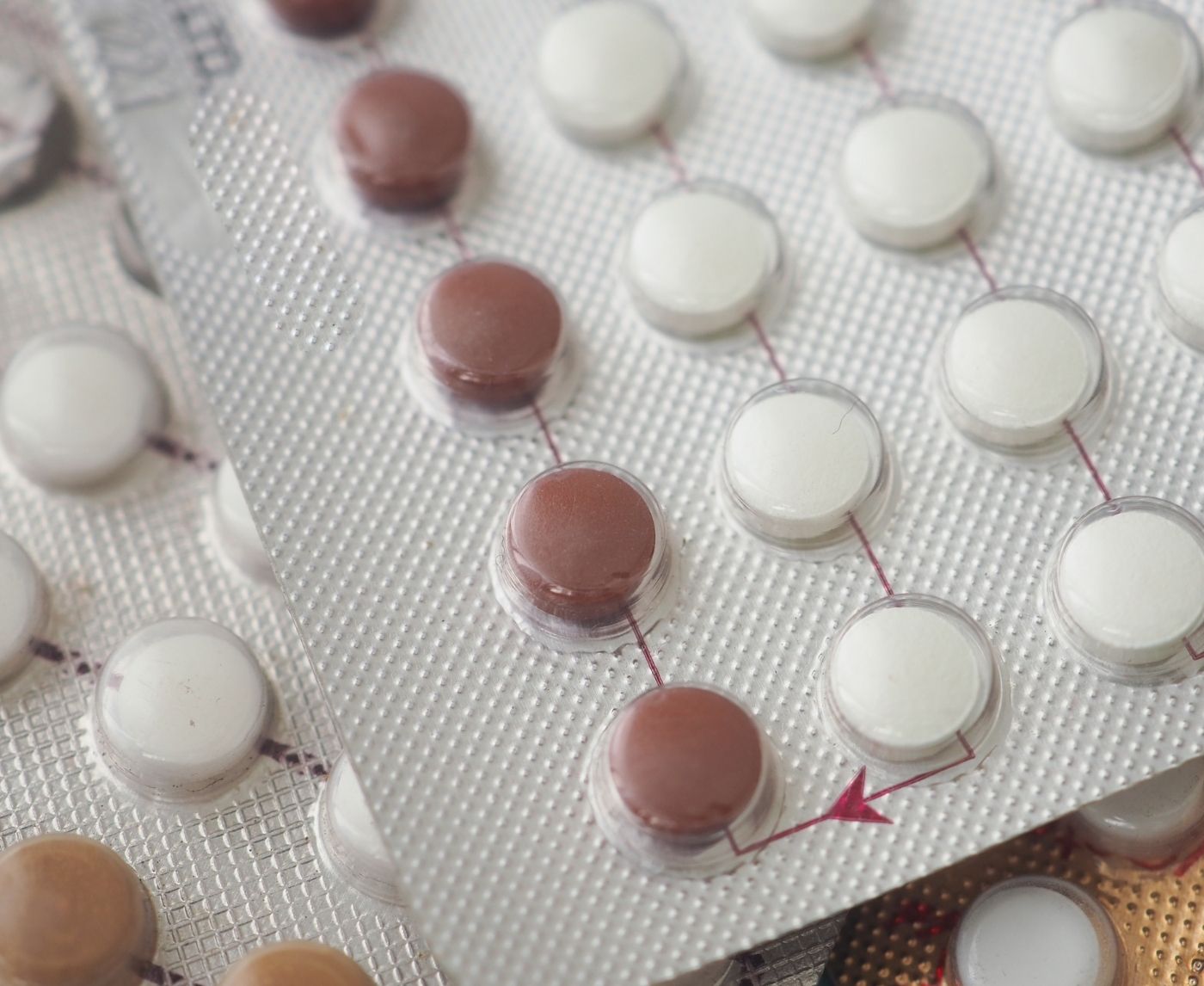
Quick Answer: Current research suggests hormonal contraceptives (like the pill, patch, ring, shot, implant, or hormonal IUD) do not directly cause more herpes outbreaks for most people. That said, hormone shifts, stress, new relationships, and changes in your routine around starting or stopping birth control can absolutely change how often outbreaks show up for you personally
Why So Many People Blame Birth Control for Their Herpes Flares
Let’s start with the lived reality, not the lab. You go on the pill, get a hormonal IUD, or switch from condoms-only to “I trust my implant,” and suddenly your body feels different. Maybe you’re having more sex with one partner, or more partners. Maybe you’re less anxious about pregnancy so you’re more relaxed and spontaneous. And then, boom, a herpes outbreak shows up for the first time in months. Of course you connect the dots.
We’re wired to link “new thing” with “new symptom.” If your first huge herpes flare happens within a week or two of inserting an IUD, it’s going to feel like cause and effect, even if your immune system was already juggling a new partner, jet lag, and a rough patch at work. That doesn’t mean you’re wrong to notice the pattern; it just means we have to be careful about what we blame.
There’s another layer: a lot of people only find out they have herpes right when they’re making big sex-related decisions. New partner, new relationship status, new contraception plan. So herpes, birth control, and emotional upheaval all show up in the same chapter of your life. It’s very easy to feel like, “If I’d never started birth control, maybe I wouldn’t be dealing with this.” That guilt is heavy, and unfair.
On top of that, conversations about both herpes and contraception are still soaked in stigma. Providers can be rushed or awkward. Partners can say hurtful things. It’s no wonder people end up venting online: “My herpes got worse after starting the pill, is this a thing?” You deserve a better answer than “it’s in your head” or “just stop your birth control,” so let’s look at what actually drives outbreaks.
What Actually Triggers Most Herpes Outbreaks?
Herpes (HSV-1 or HSV-2) is a long-term infection. After the first infection, the virus hangs out in nerve cells and can reactivate from time to time. Sometimes it shows up as obvious sores. Sometimes it “sheds” silently from the skin or mucosa with no visible symptoms at all. What flips that reactivation switch isn’t one single thing, and it’s definitely not just “you were bad” or “you had sex.”
Research and real-world experience point to a bundle of triggers that can nudge your immune system off balance. Think of them as stressors, not just emotional stress, but anything that makes your body work harder: illness, sleep loss, friction, hormone swings, intense exercise, or even a new skincare product on your genitals. Hormonal contraceptives live in the same general neighborhood as these triggers, but they’re only one piece.
Here are some of the most common triggers people with genital herpes report, plus what they often notice around them:
- Major emotional stress (breakups, exams, money problems, caregiving) often followed by an outbreak a few days later.
- Physical strain or illness, like the flu, COVID, or even a hardcore workout phase, making flares more likely.
- Genital friction from long or rough sex, especially without enough lube or with condoms that don’t fit well.
- Hormonal changes around the menstrual cycle, pregnancy, postpartum, or perimenopause.
- Fatigue, alcohol binges, or sleep disruption (night shifts, travel, new baby) chipping away at immune resilience.
Notice what isn’t on that list: “having herpes automatically gets worse over time.” For many people, outbreaks actually get less frequent as the years go by. If your flares suddenly feel out of control after a contraception change, it’s more likely about how many of those triggers piled up at once, and birth control may or may not be part of that pile.
Hormones, Herpes, and the Pill: What the Science Says
So what happens when researchers zoom in on hormonal contraception and herpes specifically? The short version: the more carefully they measure things, the less dramatic the differences look.
Some older studies did suggest that people with HSV-2 who used certain hormonal methods had slightly higher rates of “viral shedding” (when the virus is present on the skin or in genital secretions, with or without symptoms). Those early studies were important, but they had limits: small sample sizes, imperfect timing, and less precise ways of tracking outbreaks and shedding.
More recent research has used daily swabs and more detailed outbreak diaries. Those newer studies haven’t found big, consistent differences in how often HSV-2 shows up in people using hormonal contraception compared with those who aren’t. In plain language: if hormonal birth control is making a difference in herpes activity, it looks subtle, not like a night-and-day switch.
Large trials that followed people choosing different birth control methods (like the shot, a levonorgestrel implant, or a copper IUD) also haven’t shown that any specific method dramatically increases the risk of catching HSV-2 in the first place. That’s important: if one method truly supercharged herpes risk, we’d expect to see that signal when thousands of people are followed over time.
None of this means hormones are irrelevant. Estrogen and progesterone absolutely interact with the immune system and with genital tissues. It just means that, at a population level, hormonal birth control doesn’t seem to be a giant, reliable “on/off” switch for herpes outbreaks. Individual bodies can still respond differently, and your personal pattern still matters.
| Trigger | How It Can Affect HSV | Evidence Strength | What You Can Control |
|---|---|---|---|
| Emotional stress | Stress hormones can dampen immune responses and make reactivation more likely. | Moderate – commonly reported, supported by studies. | Stress management, therapy, boundaries, rest when possible. |
| Illness or immune dips | Illness diverts immune resources, sometimes allowing HSV to flare. | Moderate to strong. | Vaccination where appropriate, basic illness prevention, rest and hydration. |
| Genital friction | Micro-trauma to skin and mucosa can “invite” reactivation. | Moderate. | More lube, different positions, breaks during sex, well-fitting condoms. |
| Hormone fluctuations | Changes in estrogen/progesterone may subtly affect local immunity. | Emerging/variable; stronger around menstrual cycle. | Tracking cycle patterns, adjusting contraception with a provider if needed. |
| Sleep loss & exhaustion | Chronic fatigue can lower immune resilience. | Moderate. | Sleep hygiene, realistic work/life adjustments, asking for help. |
| UV/heat exposure (more for oral herpes) | Sunburn and heat can trigger cold sores for some. | Strong for cold sores; less clear for genital HSV. | Lip balm with SPF, shade, limiting intense heat exposure. |
Table 1. Common herpes outbreak triggers and practical ways to reduce their impact.
Do Different Types of Birth Control Affect Herpes Differently?
Not all hormonal contraceptives are built the same. Some use a combination of estrogen and progestin. Others are progestin-only. Some work mostly at the level of cervical mucus and ovulation; others also change how your uterine lining behaves. It’s reasonable to wonder whether one type is more “herpes friendly” than another.
Here’s the current reality: no major guideline says, “Avoid this specific hormonal method if you have herpes because it will make your outbreaks much worse.” That recommendation just doesn’t exist. People with HSV use every type of birth control under the sun, pills, patches, rings, shots, implants, hormonal and non-hormonal IUDs, and many don’t notice any change at all in their flares.
There are some nuanced differences, though. Methods that give you a more stable hormone level (like certain pills or long-acting methods) might smooth out the big hormone swings around ovulation and your period. For some people, that seems to reduce their “like clockwork” pre-period outbreaks. For others, changing the hormone pattern temporarily feels like chaos until their body adjusts.
Non-hormonal options like the copper IUD avoid systemic hormones altogether. That can be appealing if you strongly suspect your flares are tied to hormone changes. But copper IUDs can also make periods heavier and crampier for some, and painful periods can be their own stressor. There’s no method that magically turns herpes off; there are just different tradeoffs for your body, your life, and your risk tolerance.
| Method | Contains Hormones? | What Research Suggests for HSV | Protects Against STDs? | Notes |
|---|---|---|---|---|
| Combined pill, patch, ring | Yes – estrogen + progestin | No consistent evidence of big changes in outbreak frequency. | No | May smooth cycle; some people still notice hormone-linked flares. |
| Progestin-only pill (mini-pill) | Yes – progestin only | Limited, but no strong signal of major HSV changes. | No | Good for those who can’t take estrogen. |
| Depo shot (DMPA) | Yes – progestin | Large studies have not shown dramatic HSV risk differences. | No | Can alter bleeding patterns; mood and bone effects to consider. |
| Implant (e.g., etonogestrel) | Yes – progestin | No strong evidence of big HSV changes. | No | Long-acting; spotting is common. |
| Hormonal IUD | Yes – low-dose progestin | Data doesn’t show clear worsening of herpes. | No | Very effective; often lighter or absent periods. |
| Copper IUD | No | Does not affect hormones directly; no known HSV impact. | No | Can increase cramps/bleeding in some users. |
| Condoms (external/internal) | No | May reduce transmission risk but don’t fully prevent HSV spread. | Yes – partial, not perfect, for herpes. | Still key protection, especially with new partners. |
Table 2. Birth control methods and what current evidence suggests about their relationship with herpes.
If you’re looking at this table and thinking, “Okay, but I’m still not even sure this is herpes,” you’re not alone. Many people never get a clear diagnosis because they’re too embarrassed to go in, or a provider shrugs off their symptoms.
That’s where at-home STD testing can help. If you want private, lab-grade answers about herpes and other STDs without a waiting room, an at-home kit from STD Test Kits lets you test discreetly, on your schedule, with clear instructions and support.
You can choose a targeted herpes test or a broader panel if you’re worried about more than one infection. Either way, knowing your actual status is way less stressful than guessing.
Why Your Outbreaks Changed After Starting Birth Control (Even If the Pill Isn’t the Villain)
Let’s be honest: most people don’t start birth control in a vacuum. It usually comes with a big life shift. Maybe you finally left a bad relationship and are dating again. Maybe you and a long-term partner decided it’s time to stop relying on Plan B roulette. Maybe you’re navigating gender-affirming care, postpartum chaos, or perimenopause and trying to regain some control over your body.
All of those transitions are stressful, even if they’re good changes. Stress by itself can crank up herpes activity. Add in more frequent sex, different kinds of sex (oral, anal, rougher play, sex toys, group scenes), and maybe a new sleep schedule or diet shift, and your body is juggling a lot. It makes sense that outbreaks could increase during the same season you started hormonal contraception, even if the hormones aren’t the main driver.
There’s also the timing of hormone shifts themselves. Some people notice flares when they first start or stop a method, or when they switch dose or brand. That doesn’t automatically mean the method is “bad” for you; sometimes outbreaks calm down again once your body adjusts over a few months. But if you’re six months in and you consistently see a pattern, it’s absolutely worth bringing that data to your provider and talking through options.
You’re allowed to say, “I want reliable birth control and I also want my herpes to be manageable.” Those are not unreasonable demands. The goal is not to tough it out forever while you quietly suffer, nor to panic-quit birth control without a backup plan and end up terrified of pregnancy.
How to Track Patterns Without Driving Yourself Nuts
One of the most powerful tools you have is not a pill or a device, it’s your own logbook. That doesn’t sound glamorous, but it turns “I think this might be happening” into “here’s what I’ve actually noticed over the last three months.” Providers take that kind of information much more seriously, and it helps you feel less like you’re imagining things.
For about 6–8 weeks, try keeping a simple, judgment-free record. It doesn’t have to be an app; the notes app in your phone or a paper journal works fine. Each day, jot down a few basics: any outbreak symptoms, where you are in your cycle (if you have one), what birth control you took or had in place, big stress events, illness, intense sex sessions, major sleep disruptions, or travel.
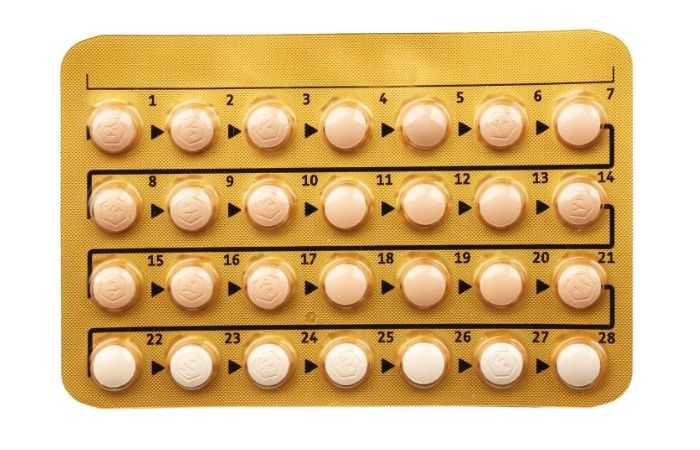
Over time, you may start to see patterns: outbreaks clustering around the placebo week of your pill pack, or after 2–3 nights of terrible sleep, or after marathon weekends with a new partner. That’s data, not a verdict or a moral statement. Bring that log to your doctor or nurse and say, “Here’s what I’m noticing. Can we adjust my birth control or outbreak management based on this?” That’s the kind of conversation where you’re in the driver’s seat.
If you’re also worried that you’ve picked up other STDs in the middle of all this change, consider layering in a broader at-home panel from STD Test Kits alongside your pattern tracking. Some infections can be silent but still add to inflammation and discomfort, so ruling them out can calm both your body and your brain.
When It Might Make Sense to Change Your Birth Control
Even if the science doesn’t scream “birth control causes herpes outbreaks,” your body still gets the final vote. It is completely valid to experiment with a different method if you suspect a real pattern and you’re not okay with it. The key is to do it intentionally, not out of sheer panic.
It might be reasonable to talk about switching or stopping a method if, for example, your outbreaks clearly ramped up soon after starting it, the pattern has continued for at least 3–6 months, and you’ve ruled out obvious other triggers like untreated STDs, intense ongoing stress, or a new chronic illness. It’s also fair to consider a change if you’re dealing with other side effects you hate (mood changes, headaches, bleeding issues) on top of herpes flares.
In that conversation, your provider should help you weigh tradeoffs: maybe moving from a combined pill to a hormonal IUD, or from a hormone-heavy method to a lower-dose one, or to a copper IUD plus condoms. You can also ask about suppressive herpes treatment (like daily antivirals) as a way to keep outbreaks and shedding down while keeping the birth control that works best for pregnancy prevention.
What you don’t owe anyone, including a partner, a doctor, or a faceless comment thread, is suffering in silence because “it’s probably not the birth control” or quitting a method you love out of fear when there are other ways to manage outbreaks.
FAQs
- 1. Can birth control cause more frequent herpes outbreaks?
- The answer is that, for most people, birth control does not directly cause more herpes outbreaks in a big way. Some older studies showed a little impact on viral shedding, but more recent, more detailed studies do not show a big difference in how frequently people experience herpes outbreaks or lesions, or shedding of the virus. However, it is worth noting that starting or changing birth control is a big change in your life, which can bring stress, more or different sex, less sleep, and hormonal shifts, all of which can make herpes outbreaks feel more noticeable, at least in the short term.
- 2. Does the pill make me more contagious if I have HSV-2?
- The best evidence we currently have suggests that taking a combination pill does not make people dramatically more contagious. It is possible that people can still shed the herpes virus, even without symptoms, with or without taking birth control pills, but using condoms and taking antiviral medications are still much more important in reducing your contagiousness than taking or not taking birth control pills. There may be a small chance that taking birth control pills can subtly influence shedding, but there is not strong evidence that “taking the pill makes you infectious all the time.”
- 3. Is the copper IUD better than other birth control methods if I have herpes?
- The copper IUD does not contain hormones, so it will not cause any hormonal shifts that, in a few people, may influence herpes outbreaks. If you are someone who feels strongly that hormonal shifts make herpes outbreaks worse, a copper IUD might be a good choice for you, because it does not contain hormones. However, copper IUDs can cause more painful periods, which can be stressful or painful, and do not protect against herpes or other STDs, so it will come down to how much you weigh the value of preventing pregnancy against managing herpes outbreaks.
- 4. Should I stop my birth control if I think it’s triggering flares?
- You don’t have to stop using birth control if you think it’s causing flares, especially if pregnancy would be very risky and unwanted for you. What you should do instead is pay close attention to the flares for a few months, then talk to your healthcare provider about switching to another birth control method while using tools such as daily antivirals, condoms, and adjusting the timing of sex. If the flares do seem to improve with the new birth control, then this will be valuable information, but it’s still best to make this transition in a planned manner, rather than in a state of panic.
- 5. Can Plan B or emergency contraception cause a herpes outbreak?
- In most cases, the quick spike of hormones in the body with the use of emergency contraception will not cause an outbreak of herpes, but in some cases, a few people may experience an outbreak, especially if they were stressed, tired, and having a lot of sex in the days immediately preceding the use of the emergency contraception. If you do experience an outbreak with the use of the emergency contraception, then it might be worth talking to a healthcare provider about going on a regular birth control method to avoid the use of the emergency contraception in the future.
- 6. Are herpes outbreaks around my period normal, even on the pill?
- Yes, it is true that a lot of women with genital herpes do experience flares just before or during their period. Again, this is related to hormone levels as well as the natural changes in the local genital environment. Using the pill can help to regulate hormone levels, which may help with this symptom in some women, but others still experience perimenstrual flares of herpes. If you know your herpes outbreaks tend to be related to your period and are significantly impacting your life, you can ask your healthcare provider to see if using daily antivirals or adjusting your birth control (such as using an extended cycle pill) might help you with this symptom.
- 7. Is it safe to use daily valacyclovir and hormonal birth control together?
- The answer to this question is yes, it is safe to use daily valacyclovir or other antiviral drugs in combination with hormonal birth control methods. There is no known interaction with birth control pills or other forms of hormonal contraception, so your healthcare provider should not worry that using valacyclovir or a similar drug will interfere with your ability to prevent pregnancy. So, yes, it is totally fine to tell your healthcare provider, “I’m on the pill, and I’m taking daily valacyclovir.”
- 8. How do I talk to my doctor about herpes and birth control without being judged?
- Well, you should not be judged, and you have the right to a non-shaming discussion with your healthcare provider. So, first of all, you should be able to tell your healthcare provider what you want: “I want to be able to prevent pregnancy, and I want to be able to control my herpes.” Bring your symptom tracking with you to your appointment, and be sure to ask your healthcare provider specific questions: “Could I change my birth control to something else?” or “Is suppressive therapy a good idea in my case?” If your healthcare provider makes you feel judged or embarrassed, it is totally fine to seek a second opinion or a more LGBTQ-friendly, sex-positive healthcare provider.
- 9. Do condoms and birth control guarantee my partner is safe from herpes?
- Condoms used properly and consistently will greatly reduce the chance of passing herpes to a partner. The chances of passing herpes are reduced to near zero when the condoms are used properly. The problem is the herpes virus is present outside the protected area of the condom. Birth control of any type is ineffective in the prevention of the passing of the herpes virus. The best protection is a combination of talking, condoms, and avoiding sex when outbreaks are occurring.
- 10. How do I know whether the sore is herpes or irritation from the IUD or the vaginal ring?
- When you are irritated by the string of an intrauterine device, the vaginal ring, or friction, you may develop redness, rawness, or small abrasions. They may look like herpes but are not. The herpes sore may begin with tingling, burning, or pain. It may also develop in clusters of small blisters. The only way to know is to have the sore cultured or to be tested with blood or swab tests when the symptoms appear. If you are uncertain of the cause of the sore, you may want to try an at-home STD test.
You Still Deserve Reliable Birth Control and Good Sex
Herpes stigma loves to whisper that you’ve lost your right to carefree sex, spontaneous hookups, queer joy, or kink curiosity. Add in the fear that your birth control is somehow making everything worse, and it can feel like your choices narrowed to “risk pregnancy” or “risk constant pain and guilt.” That’s an awful, false dilemma.
The truth is that millions of people live with herpes and still prioritize both pleasure and pregnancy prevention. Some use hormonal contraception and barely notice any connection with their outbreaks. Others find a better rhythm with non-hormonal methods, daily antivirals, or adjustments in how and when they have sex. There’s no one “right way” to be a responsible, sexy, herpes-positive human.
If you’re in the thick of this, watching for every tingle, wondering if your pill pack is betraying you, it might help to start with what you can actually control: testing, pattern tracking, and open conversation with a provider you trust. From there, you can experiment with changing one variable at a time, not throwing your whole life into chaos.
You deserve to celebrate your body without constant fear. If part of that is finally getting clear test results, an at-home herpes or combo STD kit from STD Test Kits can be a quiet power move: no waiting room, no awkward “so, uh, I think I have herpes” speech, just answers you can act on. From there, you get to choose the birth control and outbreak plan that fits your life, your gender, your partners, and your future.
How We Sourced This Article
To write this guide, we reviewed peer-reviewed studies on herpes (HSV-1 and HSV-2), hormonal contraception, and viral shedding, along with large clinical trials comparing different birth control methods. We cross-checked those findings against major public health organizations and clinical guidelines that shape how providers actually practice in real life.
From there, we filtered down to a small set of high-quality, readable sources that reflect current medical understanding without burying you in jargon. This article is meant to translate that science into plain language so you can make informed choices about both your birth control and your herpes management.
About the Author
Dr. F. David, MD, is a physician with experience in sexual health, primary care, and trauma-informed counseling. They focus on turning dense research into clear, shame-free guidance so people can navigate STDs, contraception, and relationships without fear-based medicine.
Reviewed by: Vanessa T. Moore, NP-C | Last medically reviewed: February 2026
This article is for informational purposes and does not replace medical advice.