It Looked Like a Pimple It Was Herpes.
Quick Answer: Herpes can look like a pimple, ingrown hair, or razor bump in early stages. If the bump blisters, scabs, or comes with flu-like symptoms, it may be herpes, not just skin irritation. Or a razor bump.
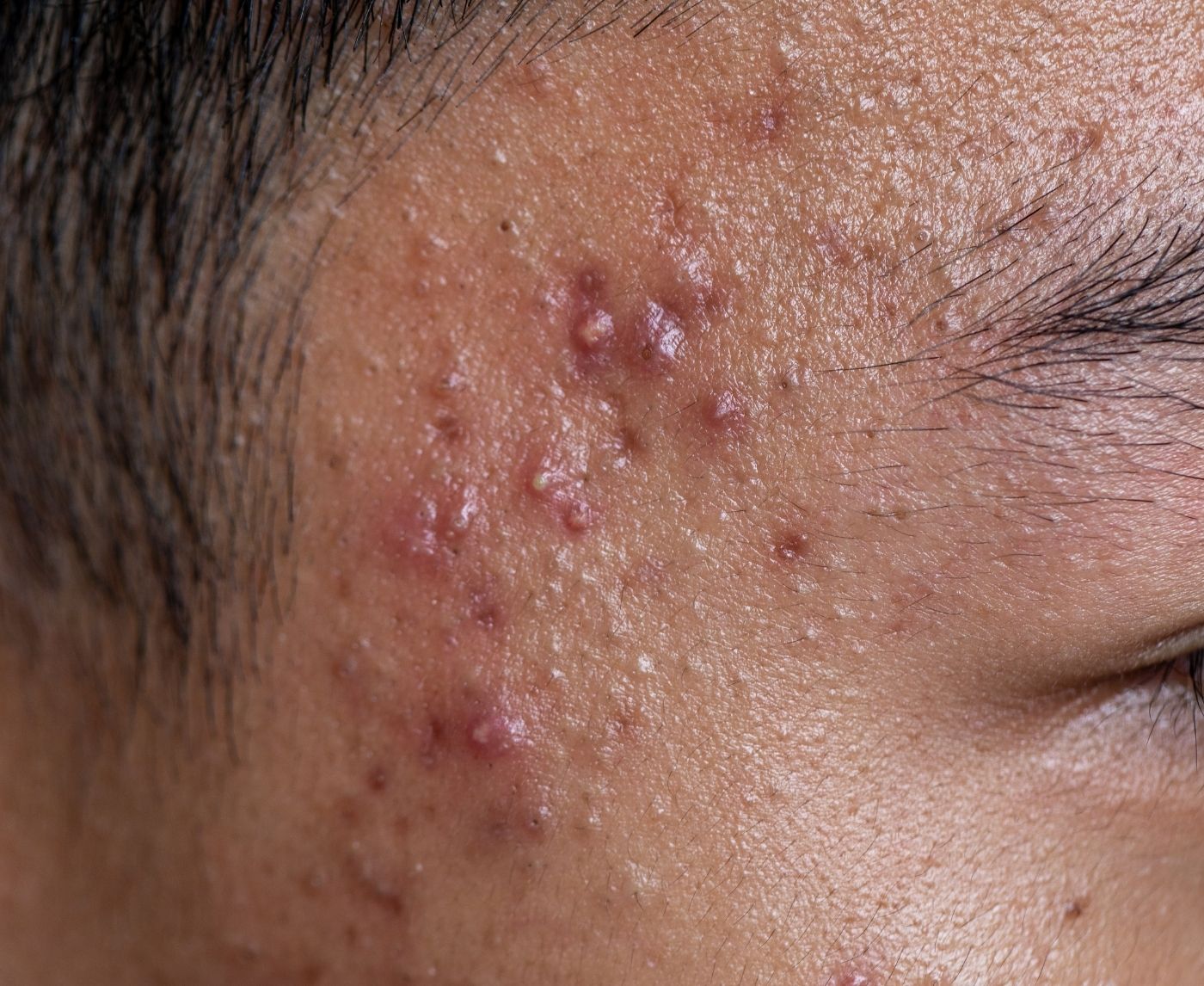
Quick Answer: Herpes can look like a pimple, ingrown hair, or razor bump in early stages. If the bump blisters, scabs, or comes with flu-like symptoms, it may be herpes, not just skin irritation. Testing is the only way to know for sure.
Why So Many People Miss the Early Signs
It’s not just you. The early symptoms of genital herpes are often so subtle that even doctors miss them. According to the CDC, most people with herpes don’t even know they have it. That’s because it doesn’t always cause the textbook cluster of painful blisters we’ve all been taught to fear.
Instead, the first sign might be a single red bump. It might look like a pimple. Or a razor bump. Or nothing at all. Sometimes it’s just an itch, a tingle, or the feeling you’ve pulled a hair wrong. It may go away in a few days, or it may burst and scab like a cold sore.
And here’s the kicker: by the time it hurts, it’s already contagious.
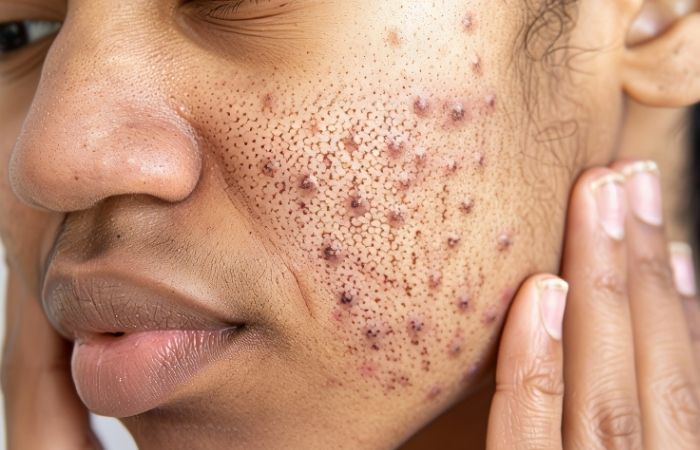
This Isn’t Just Razor Burn, And Here’s Why
Let’s talk visuals. Here’s how some common genital skin issues present at first glance:
| Condition | Appearance | Pain Level | Contagious? |
|---|---|---|---|
| Ingrown Hair | Red, raised bump with possible whitehead; may have visible hair trapped under skin | Mild, sometimes itchy or tender | No |
| Pimple | Small pustule with white or yellow center, may pop and drain | Mild | No |
| Herpes (HSV-2) | Fluid-filled blister or group of blisters; may scab or ulcerate | Moderate to severe (but sometimes painless) | Yes |
| Folliculitis | Cluster of red bumps around hair follicles, often itchy | Low to moderate | Usually no |
Figure 1. A visual comparison of genital bumps. Herpes can resemble both pimples and ingrown hairs, especially during early outbreaks.
“I Thought It Was an Ingrown Hair. It Wasn’t.”
Leah, 28, first noticed something after a beach weekend with her new boyfriend. She had shaved before the trip. Three days later, a small bump appeared near her bikini line. It didn’t hurt. She assumed it was from the razor or sand.
“I didn’t think twice. It wasn’t painful. No itching, no burning. Just a bump,” she said.
By day five, the bump had become a cluster of blisters. She started feeling flu-like symptoms, headache, low-grade fever, and body aches. That’s when she went to urgent care. A swab test confirmed genital herpes (HSV-2).
“I was devastated. I kept thinking, why didn’t I know? I thought herpes would hurt. I thought you’d know,” Leah shared.
Her story isn’t rare. Misdiagnosing herpes as a pimple, razor burn, or ingrown hair delays testing, and increases the chance of transmission to partners.
What Happens If You Ignore It
Waiting it out isn’t always harmless. Some people assume the bump will fade on its own, and it might. But here’s what else might happen:
| Day | What Might Happen | Herpes Red Flag? | |
|---|---|---|---|
| Day 1–2 | Small bump appears; may look like a pimple or shave bump | Usually not obvious | |
| Day 3–5 | Bump blisters, may become painful or itchy; flu-like symptoms start | Yes | |
| Day 6–10 | Lesion scabs over or crusts; may ooze clear or yellow fluid | Yes | |
| Day 11+ | Healing begins, but virus may still shed | Yes, even without visible sores |
Figure 2. Typical herpes outbreak timeline. Symptoms can vary or be completely absent, but a single pimple-like bump that blisters or returns is a warning sign.
You Deserve Answers, Not Guesswork
Herpes doesn’t always look like a disease. That’s what makes it dangerous, and why so many people unknowingly pass it on. If you’ve got a bump you’re unsure about, especially one that blisters or recurs, the most responsible thing you can do is test.
You don’t need a doctor’s visit to get clarity. STD Test Kits offers discreet herpes testing you can do from home, with results in minutes.
If your head is spinning, peace of mind is one test away.
The Problem With “Just Watching It”
Most people don’t rush to get a test for one random bump. It’s human. You wait. You Google. You look at pictures and convince yourself it’s probably nothing. But here’s the truth: herpes is one of the most misdiagnosed and misunderstood STDs out there.
In fact, even some doctors miss it. That’s because herpes doesn’t always look like the textbook cluster of painful blisters. In its early stages, or if you’ve had it for a while, it can show up as:
- A single bump that looks like a pimple or cyst
- A tiny cut or abrasion you mistake for chafing
- An itch or tingle with no visible signs
- A sore throat if it’s transmitted orally
This is why relying on appearance alone is risky. Herpes can be silent, but contagious. The longer you wait to test, the longer you leave a partner vulnerable. And if you’re already in an outbreak cycle, early diagnosis means faster relief and less spread.
Can You Get Herpes Without Symptoms?
Yes, and it’s far more common than people think. Studies estimate that up to 80% of people with HSV-2 don’t know they have it. Many never notice their first outbreak. Others mistake it for something else, like heat rash, a yeast infection, or irritation from sex or shaving.
The virus doesn’t need an active sore to spread. That’s called “asymptomatic viral shedding,” and it’s how herpes passes even when someone looks and feels totally normal.
That’s also why you can get herpes from a partner who swears they’ve never had symptoms. And why you might be carrying it without realizing it too.
How Herpes Actually Spreads (And Why It’s Easy to Miss)
Herpes is primarily spread through skin-to-skin contact, not fluids. You can catch it from:
- Genital-to-genital contact (with or without penetration)
- Oral sex (if the partner has oral herpes/HSV-1)
- Touching a sore and then touching yourself or a partner
- Even sharing sex toys if not properly cleaned
Condoms lower risk, but don’t fully protect. That’s because the virus sheds from skin outside the area a condom covers. And while suppressive antiviral medication can reduce transmission, many people aren’t on it because they don’t know they’re infected.
Here’s where things get complicated: herpes doesn’t show up on standard STD panels. Most urgent care clinics won’t test you for herpes unless you ask specifically, and even then, blood tests can miss recent infections. You need the right kind of test at the right time.

What Tests Can, and Can’t, Tell You
There are two main ways to test for herpes simplex virus (HSV):
- Swab test: If you have an active sore, this test collects fluid directly from the lesion. It’s the most accurate test, especially within the first 48 hours of symptom onset.
- Blood test (IgG/IgM): This looks for antibodies your body makes in response to the virus. But it takes time for antibodies to develop, usually 4 to 12 weeks after exposure, so it’s not good for catching new infections.
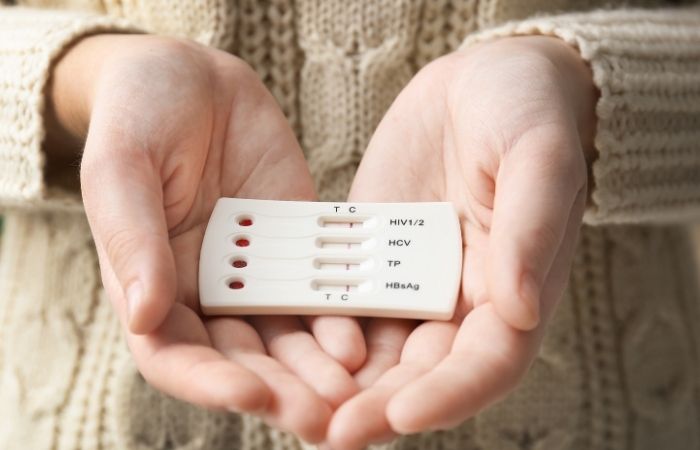
Some at-home herpes tests offer finger-prick blood samples you mail to a lab. Others use rapid cassette tests that detect antibodies with a small drop of blood, like the Herpes Test Kit. These are best used at least one month after suspected exposure for accurate results.
If you’ve had a suspicious bump, sore, or flu-like symptoms in the past few weeks, testing now gives you a clearer picture. If you’re in an active outbreak, swab testing within the first few days is ideal.
“I Got a Negative STD Panel, But Still Had Herpes”
Marcus, 34, got tested at a clinic after a weekend fling. His panel came back clean. But two weeks later, he noticed a tiny bump at the base of his penis. No pain, no itching. He thought it might be a bug bite or friction from underwear.
“I wasn’t worried. I had just tested. I figured if it was something serious, they’d have caught it,” he said.
But the bump blistered. Then came a dull ache in his legs and groin, followed by fatigue and chills. A second visit confirmed the truth: it was HSV-2. His first test didn’t include herpes. No one told him herpes wasn’t standard.
“I felt betrayed, not by my partner, but by the process. Why wasn’t I warned?”
Marcus’s story highlights the gap between what people expect from STD testing and what they actually get. Unless you ask for herpes testing, or use an at-home kit that includes it, it’s easy to miss.
Why No One Talks About Herpes (And Why That Hurts)
Herpes carries more shame than almost any other STD, and for no good reason. It’s one of the most common infections in the world. According to the World Health Organization, over 3.7 billion people under age 50 have HSV-1, and around 500 million have HSV-2. That’s half a billion people, many with no symptoms at all.
But because herpes isn’t curable, it gets treated like a moral failure. As if it says something about your choices, your worth, your past. This kind of stigma isn’t just wrong, it’s dangerous. It keeps people from testing. It stops partners from talking. It turns a manageable skin condition into a mental health burden.
And here’s the real kicker: herpes doesn’t mean you were irresponsible. Plenty of people catch it during long-term relationships, from partners who didn’t know they had it. Others get it after a single hookup where protection was used. This isn’t about blame. It’s about biology.
Getting the Diagnosis: A Moment That Changes Everything
When that positive result lands, whether from a clinic swab, a lab test, or an at-home kit, it can hit hard. You might feel dirty, angry, scared, or numb. That’s normal. But it doesn’t mean your life is over.
Jasmine, 23, described the moment she saw her positive test result on a rapid cassette at home:
“It was like my body froze. I stared at the little pink line for five minutes. I kept thinking, ‘But it didn’t hurt. I thought it was just a zit.’”
She took a breath. She looked up HSV-2 treatment. She messaged a telehealth clinic. Within 24 hours, she had a prescription for antivirals and a care plan. No in-person visit. No judgment. Just answers.
You can have that too.
Testing at home gives you control, over your timing, your privacy, your next step. And with discreet delivery, no one has to know unless you choose to share it. Whether you’re checking a weird bump or confirming a past scare, you deserve clarity without shame.
What Treatment Actually Looks Like
There’s no cure for herpes, but there is treatment. And for many, it works incredibly well.
The standard treatment is an antiviral medication like acyclovir, valacyclovir (Valtrex), or famciclovir. These meds can:
- Shorten the length of an outbreak
- Reduce the severity of symptoms
- Lower the chances of passing herpes to a partner
- Help prevent future outbreaks if taken daily
You don’t have to take pills every day unless you want to. Some people only medicate during flare-ups. Others opt for suppressive therapy if they have frequent recurrences or want to protect a partner.
And no, you don’t need to “see a sore” to start meds. If you’ve tested positive, especially with symptoms like pain, burning, or blisters, telehealth providers can prescribe treatment based on your story and results.
There’s no shame in managing a virus that almost half the population carries. Treatment is care, not punishment.
How to Talk to a Partner (Without Falling Apart)
This is the conversation everyone dreads. But it doesn’t have to be a disaster.
Start by anchoring the truth: herpes is common, manageable, and most people have no idea they carry it. Then explain how you found out, what you’ve learned, and what you’re doing about it. The key is confidence, not defensiveness.
Sample script:
“Hey, I just learned I tested positive for HSV-2. It’s super common, and I may have had it for a while without symptoms. I’m managing it with meds and learning more. I wanted to tell you directly because I respect you.”
You’re not asking for permission. You’re offering honesty. And if they care about you, they’ll appreciate that more than you know.
Many people continue to have healthy sex lives, relationships, and even families after a herpes diagnosis. You just need the facts, and the courage to own your story.
Should You Retest? Here's When It Matters
If your first test came back negative but you still have symptoms, or the bump changed shape, blistered, or returned, retesting may be your next step. Herpes has an incubation window, and antibody-based tests (like many at-home rapid kits) may not catch very recent infections.
For swab tests, timing is critical: test during the first 48 hours of a fresh sore for best accuracy. For blood-based antibody tests, waiting at least 4 weeks after suspected exposure gives the body time to build detectable antibodies.
If you’ve tested positive, you typically don’t need to retest, unless you're unsure which type (HSV-1 vs HSV-2), or you want confirmation from a lab. But for peace of mind after a confusing bump or a false sense of “it was just a pimple,” retesting is valid, smart, and stigma-free.
FAQs
- 1. Can herpes actually look like a pimple?
- Totally. That’s what gets most people. The first outbreak can show up as a single bump that looks like a zit, ingrown hair, or razor burn. If it blisters, scabs, or keeps coming back in the same spot? That’s when herpes climbs to the top of the suspect list.
- 2. Is it supposed to hurt?
- Not always. Some people feel nothing. Others get burning, itching, or even flu symptoms before the sore shows up. But here’s the twist: no pain doesn’t mean no problem. Plenty of people never get textbook symptoms, and still test positive.
- 3. Why didn’t my STD panel include herpes?
- Because most panels don’t. Seriously. Unless you ask for it directly, herpes often gets skipped. Why? Because it’s so common and so stigmatized, some doctors assume you “don’t want to know.” We think that’s ridiculous. You deserve full info, not filtered results.
- 4. How soon after sex can I test for herpes?
- If you have symptoms, like a new bump or sore, test right away with a swab (within 1–3 days is ideal). But if you’re using a blood-based test, wait at least 4 weeks after exposure. Earlier than that, your body might not have made enough antibodies yet.
- 5. Do condoms stop herpes?
- They help a lot, but they’re not a force field. Herpes lives in skin, not just fluids. So anything the condom doesn’t cover (like the base of the penis or outer labia) can still be contagious, even when no symptoms are visible.
- 6. I had a bump, but now it’s gone. Am I in the clear?
- Maybe, maybe not. Herpes sores usually go away within 7–14 days. But the virus can stick around in your body and reactivate later. If that bump came with tingling, burning, or flu vibes, or if it comes back in the same spot, it’s worth testing to be sure.
- 7. What’s the difference between HSV-1 and HSV-2?
- Both are types of herpes. HSV-1 usually lives in the mouth (cold sores), but it can also show up on genitals through oral sex. HSV-2 mostly affects the genitals and is more likely to recur. But either one can be passed by skin contact, and both are manageable.
- 8. Can I still have sex if I test positive?
- Yes, absolutely. You just have to be real with your partner. With condoms, meds, and honesty, herpes doesn’t have to end your sex life. Loads of people date, hook up, marry, and thrive post-diagnosis. You’re still you. You’re just more informed now.
- 9. How long does an outbreak last?
- Usually 7 to 14 days. The first outbreak tends to be the worst. After that, if it comes back, it’s often milder and shorter. Some folks get several a year. Others might never have another one again. It’s unpredictable, but manageable.
- 10. Will this show up on my medical records?
- Only if you go through a clinic and use insurance. If you test at home with a kit like the ones from STD Test Kits, your results are private and don’t go in your health file unless you choose to share them. Total control, zero judgment.
You’re Not Dirty, You’re Just Human
If you’re here, reading this, worried about a bump that looked too small to matter, you’re not alone. We’ve all been taught to panic about herpes and downplay every other skin issue “down there.” But confusion doesn’t keep you safe. Testing does.
This isn’t about shame. It’s about clarity, control, and protecting your body and the people you care about. Whether it’s herpes or just an ingrown hair, knowing is better than guessing.
How We Sourced This Article: We combined current guidance from leading medical organizations with peer-reviewed research and lived-experience reporting to make this guide practical, compassionate, and accurate. In total, around fifteen references informed the writing; below, we’ve highlighted some of the most relevant and reader-friendly sources.