World Cup, Free Condoms, and What No One Talks About: STD Risks at Global Events
Quick Answer: Toronto is spending $200,000 on free condoms and lube ahead of the 2026 FIFA World Cup, not just for fun, but to prevent a surge in STDs. Health departments know this. There’s real data behind the plan.
Quick Answer: Toronto is spending $200,000 on free condoms and lube ahead of the 2026 FIFA World Cup, not just for fun, but to prevent a surge in STDs. It’s a reminder that large public events drive real sexual health risks, and that accessible, stigma-free STD testing (including at-home kits) is a critical part of the prevention plan.
When the World Arrives, So Does the Risk
The City of Toronto’s plan isn’t new or unusual. Every time a major international event rolls through, be it the Super Bowl, Mardi Gras, or the Olympics, there’s a documented uptick in casual sex, condom distribution, and unfortunately, STD transmission. Health departments know this. That’s why Toronto Public Health isn’t just handing out condoms; they’re setting up entire outreach stations to offer HIV testing, sexual health info, and what they call a “welcoming” environment for diverse communities. Translation: people are going to hook up, so let’s at least make it safer.
There’s real data behind the plan. After the 2010 World Cup in South Africa, syphilis cases in some cities increased within months. During Brazil’s Carnival, local clinics report spikes in gonorrhea and chlamydia following the festivities. Even in North American cities, events like music festivals and Pride weekends correlate with higher-than-average STD testing volumes and positivity rates. So, while the media may snicker at “$200K in lube,” public health workers see something else: proactive disease prevention, before the surge hits.
But even with free condoms, testing remains the missing link. Many infections are symptomless. People may leave Toronto infected, and not know it until weeks later. That’s why the rise of at-home STD kits is so critical. You don’t need to stand in line at a clinic. You don’t need to explain your sex life to anyone. You can swab, test, and know, on your terms.
Who This Guide Is For (And Why It Matters)
If you’re someone who plans to attend the World Cup, travel to a major event, or even just live in a city that’s about to get a million new visitors, this guide is for you. Whether you’re a host or a guest, whether you plan to party or just can’t resist the energy of a crowd, your body may be more at risk than you think. This isn’t fearmongering, it’s sex-positive realism.
And let’s be honest: many people skip testing. Maybe your hookup seemed “low risk.” Maybe you used a condom but something felt off. Or maybe everything was great, and two weeks later, you feel a weird twinge of doubt. The truth is, that doubt is normal. What matters is what you do with it. You don’t need to spiral. You just need a plan.
This article walks you through what counts as a real STD test, how soon to test after exposure, what the window periods mean, and why timing is everything. You’ll also see how to make use of at-home kits so you can take care of yourself without shame, hassle, or delay. Because when the world comes to your city, or your bedroom, you deserve answers, not assumptions.
What Even Is an STD Test Kit?
A real STD test, as opposed to the so-called "checkup" described in the article, is not just a simple urine sample. Rather, it is a sophisticated diagnostic procedure using proven technology, such as NAAT (nucleic acid amplification tests), to diagnose the presence of actual, active bacterial STDs such as chlamydia, gonorrhea, and trichomoniasis. This type of test identifies the actual DNA or RNA of the bacteria, not just the presence of antibodies against the disease. Blood tests are the gold standard for viruses such as HIV and syphilis.
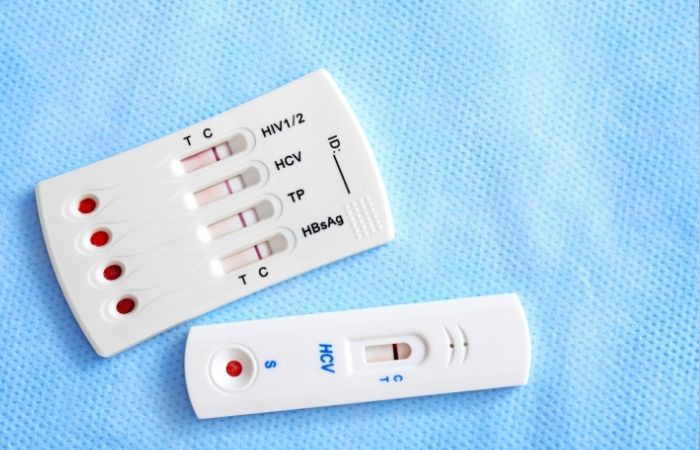
At-home STD kits make this process radically more accessible. Some are rapid-result kits, great for quick peace of mind with fingerstick blood samples. Others are mail-in lab kits that let you collect urine, swabs, or fingerstick samples and ship them discreetly to a certified lab. The accuracy? On par with clinic testing, as long as you follow instructions and test at the right time.
If you're prepping for a travel-heavy summer, hosting international guests, or just feeling the vibes of a major event, test yourself proactively. STD Test Kits offers combo panels and single tests you can do without ever stepping into a clinic. Discreet, fast, and doctor-trusted.
Why Timing Is Everything: Window Periods Explained
Think of the window period as the time between exposure and when a test can reliably detect an infection. It’s the “you might be infected, but the test doesn’t know it yet” phase. Testing during this period can result in a false negative, not because you're in the clear, but because the bacteria or virus hasn’t multiplied enough to be picked up. It’s frustrating, yes, but it’s also science, and understanding it helps you test smarter.
So let’s say you had a casual hookup during the World Cup’s opening week. If you test the next morning, odds are the results won’t tell you much. But wait a week or two, and that test becomes a lot more accurate. Most bacterial STDs like chlamydia and gonorrhea are detectable by day 7–14. Viral infections like HIV and syphilis may need three to six weeks for peak accuracy, depending on the test used.
| STD | Common Test Type | Sample | Typical Window Period | When Accuracy Peaks |
|---|---|---|---|---|
| Chlamydia | NAAT (PCR) | Urine or vaginal swab | 7–14 days | 14–21 days |
| Gonorrhea | NAAT (PCR) | Urine or vaginal swab | 7–14 days | 14–21 days |
| Trichomoniasis | NAAT or Rapid Antigen | Swab or urine | 5–28 days | 14–28 days |
| Syphilis | Antibody Test | Blood | 3–6 weeks | 6–12 weeks |
| HIV | Ag/Ab Combo or NAAT | Blood or oral fluid | 2–6 weeks (Ag/Ab), 10–33 days (NAAT) | 6–12 weeks |
Table 1. Common STDs and their window periods. Timing affects accuracy, test too soon and you may miss a hidden infection.
Which Testing Option Fits Your Life?
You’ve got options. And what works for someone else may not work for you. At-home rapid tests give you results in minutes using fingerstick blood. They’re great if you’re feeling anxious, need quick peace of mind, or want to test discreetly before or after a big event. Mail-in lab kits are best if you want maximum accuracy across multiple infections, they test for bacterial STDs and often include HIV or syphilis too. Clinics still matter, especially if you’re experiencing symptoms, need treatment, or want to test with a provider guiding you through it.
Let’s say you had a spontaneous hookup at a fan meetup in Toronto. You're not sure if protection was used properly. Do you really want to wait weeks to see a provider? Or explain your sex life to a stranger? For many, the answer is no, and that’s where home testing wins. It’s not just about comfort. It’s about doing something now instead of waiting in silence.
| Method | Privacy | Speed | Accuracy | Best Use Case |
|---|---|---|---|---|
| At-Home Rapid Test | Very High | 15–20 minutes | Moderate to High | Need quick results with zero fuss |
| Mail-In Lab Kit | High | 2–5 days | High | Want full STD screening from home |
| Clinic Visit | Moderate | Same day to several days | Very High | Have symptoms or need follow-up care |
Table 2. Comparing STD testing options. Choose based on speed, comfort, and your current risk factors.
When Should You Retest After a World Cup Fling?
Here’s the thing: one test might not be enough. If you tested right after a hookup, you may have tested too early. A second test 3–4 weeks later can catch what the first missed. And if you’re dealing with partners from different regions, many of whom may have different STD exposure rates or vaccination histories, retesting isn’t paranoia. It’s protection.
Think of it like this: just because your car didn’t make a noise on the drive home doesn’t mean the brakes are fine. You check. Same goes for your body. Retest if you had symptoms that didn’t quite make sense. Retest if you had more than one partner over the month. Retest if you just want to sleep better at night. It’s your body. You make the rules.
Why Big Events = Big STD Spikes (Yes, Really)
People underestimate just how much global events like the World Cup shift behavior. Hotels fill up. Nightlife explodes. Language barriers, alcohol, and a general “I’m on vacation” mindset lead to more spontaneous sex, with less planning and, often, less protection. It’s not judgment, it’s human nature. And public health departments know this because they’ve seen it. STD spikes after big events aren’t theory. They’re history.
Studies from Brazil’s Carnival show post-event rises in gonorrhea and syphilis. In the UK, post-music festival weeks see increased clinic visits for STI concerns. After the 2016 Olympics in Rio, public health officials emphasized rapid testing access for athletes and tourists. This isn’t about Toronto alone, it’s about a predictable trend that smart cities prepare for.
When you combine global foot traffic, elevated hookups, and inconsistent condom use, you get the perfect storm. The good news? If more people test, before and after these events, we break the chain. That’s why Toronto’s investment in lube and condoms should come with a second investment: in testing access. Fortunately, you don’t need to wait for the city to act. At-home testing means you can start that prevention cycle yourself.
But What If You Feel Fine?
Here's where most people fall into a dangerous trap: “I don’t feel sick, so I must be fine.” But up to 70% of chlamydia cases and 50% of gonorrhea cases in women are completely asymptomatic. That number drops a bit for men, but still, many don’t show obvious symptoms. No burning. No discharge. Just business as usual… until a partner tests positive, or worse, infertility complications arise months or years later.
Being symptom-free doesn’t mean you’re bacteria-free. And especially in the context of a major event where you don’t know your partner’s testing history, assuming you're safe based on “feelings” is a gamble. Real safety is about checking, not guessing. And that’s where discreet testing changes everything. No judgment, no lecture, no waiting rooms. Just the truth, privately.
Partners Visiting from Abroad? Here’s What You Should Know
World Cup host cities are magnets for visitors from dozens of countries, and that’s a beautiful thing. But it also introduces STD exposure variables that most people don’t think about. Some countries have different testing standards, vaccine access, or antibiotic resistance patterns. Take gonorrhea: the World Health Organization has tracked resistant strains in Southeast Asia, Europe, and Latin America that are harder to treat than those in Canada or the U.S.
This doesn’t mean international visitors are dangerous, it just means awareness matters. You might be exposed to bacterial strains your body or local clinic isn’t used to handling. Testing after international hookups isn’t xenophobic. It’s realistic. It’s also smart to test before if you plan to hook up during your trip or while hosting. Mutual testing is hot. So is honesty.
The Mental Load of Not Knowing
We don’t talk enough about what it feels like to sit with uncertainty after a hookup. Maybe you’re not worried enough to call a clinic, but not relaxed enough to forget it, either. That mental limbo can mess with your sleep, your focus, even your relationships. You find yourself Googling symptoms at 2AM, wondering if that twinge is nothing, or everything.
This is where home testing offers more than just medical answers. It offers mental relief. Swab, wait a few days, and get clear results. No second-guessing. No inner spiral. And if something does come up? You’re still ahead of the game. You can treat early, notify partners (anonymously if needed), and move on with confidence instead of shame. That’s power.
FAQs
1. Seriously… Toronto’s buying lube for the World Cup?
Yep, and honestly, it’s one of the most practical things a city can do. When a million people show up, things happen. The goal isn’t to police anyone’s fun, it’s to make sure people have the tools to protect themselves. Free lube + free condoms = fewer infections and less friction (in every sense of the word).
2. Do STDs really spike during big events like this?
They do. Every. Single. Time. It’s not about Toronto being wild, it’s human behavior 101. You’ve got strangers, energy, alcohol, hookups, and lowered inhibitions. Boom. After festivals, conferences, even big sporting events, clinics often report an increase in STD testing and diagnoses. It’s a pattern, not a coincidence.
3. I used a condom, do I still need to test?
Condoms are amazing, but they’re not magic. They don’t protect against everything (like skin-to-skin infections such as HPV or syphilis), and even the best ones can break or slip. If something felt off, or you just want to be sure, testing gives you real answers instead of maybes.
4. How soon after sex can I test?
If you’re testing for bacterial STDs like chlamydia or gonorrhea, wait at least 7–14 days after the hookup. Testing earlier might miss the infection. Can’t wait? Test now and again in 2–3 weeks. Peace of mind isn’t a one-shot deal, it’s a process.
5. I feel totally fine, why would I test?
Because “feeling fine” and “being clear” aren’t the same thing. Most people with chlamydia have zero symptoms. Same with early HIV or syphilis. That’s why these infections spread so easily, they’re quiet. If you’ve had a new partner (or three), testing is just self-respect in action.
6. What if my partner was from another country?
Then it’s even smarter to test. Different regions have different STD prevalence rates, and some resistant bacterial strains don’t play by the same treatment rules. It’s not about blame. It’s about understanding your exposure and protecting your health.
7. I’m nervous. Will anyone find out I ordered a test?
Not unless you tell them. At-home STD kits ship in boring, discreet packaging with no giveaways. Results come through a secure portal, not your email inbox. It’s your health, your business.
8. How fast do at-home test results come back?
Depends on the type. Rapid tests give you results in about 15–20 minutes. Mail-in kits usually take 2–5 days once the lab receives your sample. Either way, it’s way faster, and more private, than most clinic routes.
9. What if I test positive?
First, breathe. Then get treated. Most bacterial STDs are curable with a simple round of antibiotics. Many telehealth services can prescribe remotely. No shame, no big scene, just one decision at a time. And if you need to tell a partner? There are anonymous tools that make that easier too.
10. Is retesting ever necessary?
Absolutely. If you tested too early, had more than one partner, or got treated recently, a follow-up test can confirm you’re actually in the clear. Think of it like a safety net, it catches what one test might miss.
You Deserve to Celebrate, Without Regret
The World Cup is about unity, passion, and unforgettable moments. But it’s also a time when sexual health risks increase, especially in host cities like Toronto. Whether you’re a visitor, a resident, or just caught up in the energy, your health doesn’t have to take a backseat. You can enjoy the games, the crowds, and yes, the hookups, without wondering “what if” weeks later.
Testing is a quiet power move. This at-home combo test kit gives you answers on your own terms, in your own space. Don’t wait for symptoms. Don’t wait for regret. Take the win before the whistle blows.
How We Sourced This Article: We combined current research on sexual health trends at global events with guidance from leading medical organizations and peer-reviewed journals. This guide also incorporates lived experience reporting and cultural context to make it as actionable as it is accurate. Around fifteen sources informed the writing; below, we’ve highlighted six of the most relevant and reader-friendly for further reading.
- City of Toronto spending $200,000 on World Cup condoms, lube – Yahoo News
- WHO – STIs Fact Sheet
- Condoms for STI Prevention – WHO Fact Sheet (efficacy and correct use)
- Epidemiology of Sexually Transmitted Infections in Visitors to Mass Gatherings (PubMed)
- Infectious Disease Risk Assessments at FIFA World Cup 2018 – ECDC (condom use recommended to reduce STI transmission)
- Infection Risks Associated with FIFA World Cup – NIH PMC (mass gatherings and general infectious disease risks)