If You Can Talk About Your Wild Night, You Can Talk About STD Testing
Quick Answer: STD testing should be normalized in group chats the same way we talk about hangovers and hookups, because peer support reduces stigma, increases testing rates, and saves lives. Why? Will they judge me?

Quick Answer: STD testing should be normalized in group chats the same way we talk about hangovers and hookups, because peer support reduces stigma, increases testing rates, and saves lives.
What’s So Hard About Saying “I Got Tested”?
We live in a world where group chats are safe spaces for everything from thirst traps to breakup debriefs. But somehow, saying “I’m getting tested” still feels like breaking a rule. Why?
It’s not about the people. Many of us trust our friends with deep emotional stuff. But cultural silence around STDs runs deep, thanks to decades of shame-based education and media that only shows STI testing in crisis or punishment contexts. So even among friends, bringing it up can feel risky. Will they judge me? Will they think I’m dirty? Will it make them uncomfortable?
Even worse, the silence feeds itself. If no one else brings up STD testing, it feels abnormal when you do. But the reality is far more people are testing, and testing regularly, than we realize. They’re just not talking about it.
And that silence? It comes at a cost. According to the CDC, STDs are at an all-time high in the U.S., with young adults accounting for nearly half of all new cases. But testing rates still lag behind exposure risks. The stigma? Deadlier than the infection itself in many cases.

Group Chats = Emotional Infrastructure
Your group chat already functions as a health checkpoint, you just might not think of it that way. When someone posts, “I think I have food poisoning,” the replies flood in: “Hydrate,” “Go to urgent care,” “Do you need me to bring you soup?”
So why does “I have a weird bump” trigger crickets?
Part of the issue is how we’ve compartmentalized sexual health as something private, yet we don’t apply the same rule to emotional meltdowns, digestive disasters, or even bathroom updates during travel. If someone is on a new antidepressant or got a COVID test, we check in. But sexual health? We ghost.
This double standard isn't just awkward, it’s dangerous. It means people delay testing because they feel alone. It means no one knows the right testing window after exposure. And it means we don’t benefit from the most powerful tool in sexual health: peer accountability.
One recent study published in the Journal of Adolescent Health found that when young adults saw friends talk about testing in casual ways, they were significantly more likely to test themselves within the next 30 days. Peer cues matter, especially in tight-knit friend groups where behavioral mimicry is common.
“I Got Tested”, Scripts That Don’t Make It Weird
So how do you say it without it feeling like a buzzkill?
Here’s the truth: you already have the social muscles. You use them when texting your friends after a hookup, when you vent about a weird Tinder date, or when you debrief a breakup. STD talk can live in the same emotional lane, it just needs a script.
Try this:
“Lol that weekend was insane. Also, I just ordered a home STD test bc my throat’s been acting sus. Highly recommend.”
“Okay but can we all agree to test before the cabin trip? I’ll send the link I used. Took 5 minutes.”
“Hey heads up, I tested positive for chlamydia. Got treated but just wanted to flag in case. You good?”
Each of these does three powerful things: it removes shame, it centers care (not blame), and it opens the door for others to do the same. No judgment. Just facts and friendship.
Scripts like this aren’t just cute, they’re harm reduction. They make it easier for someone who’s scared, confused, or unsure to take action. And they anchor the truth that testing is part of self-care, not confession.
“I Was the Only One Who Got Tested, Until I Said Something”
Lina, 24, had just returned from a Vegas bachelorette weekend with her college friends. “I’d hooked up with someone there,” she shared, “and I was feeling itchy a few days later. Nothing major, but just off.”
She ordered a combo STD test, tested in her bathroom, and found out she had trichomoniasis. “I was shocked. I didn’t even know what it was. But it was treatable, and I got meds fast.”
The hardest part? Telling the group. “We were back to texting memes, and I remember typing, erasing, typing again. Finally, I just said it: ‘Hey y’all, I had a little souvenir from the trip: trich. Treated and fine, but get tested if you hooked up.’”
The response?
“Thanks for saying something.” “Just ordered mine.” “Omg I never would’ve known to test for that.”
Within a week, four of the seven women had tested. Two tested positive and got treated. “None of them were mad. If anything, they were grateful I broke the ice.”
That’s the power of one friend being brave. Group chat becomes group care.
Don’t Wait for the Scare, Make Testing Part of the Ritual
You already know the drill after a night out: hydrate, debrief, post the thirst trap, complain about Uber prices. Adding “gonna test this week” doesn’t make it clinical, it makes it proactive.
Imagine if post-trip rituals included STD testing the way they include hangover jokes. Imagine if after a new hookup, the question wasn’t “Did you go back to their place?” but “Did you test yet?” Imagine if every friend group had a test link ready to go.
You don’t need to be the "health police." You just need to normalize testing like we normalize everything else about hookup culture: the good, the messy, and the awkwardly real.
Don’t wait for symptoms, or a scare, or that one friend’s text to start the convo. You can be the spark.
Need an easy, discreet way to start? This at-home combo test kit checks for the most common STDs in just minutes, with no awkward clinic visit or waiting room.
The Psychology Behind Silence (And How to Break It)
Why do we freeze up when STD testing comes up, even in groups where nothing else is off-limits?
According to recent behavioral health studies, sexual health stigma triggers the same part of the brain that processes social rejection. It’s not just embarrassment, it’s survival. We’re wired to avoid anything that might make us feel like we don’t belong.
But here’s the plot twist: those same studies show that belonging cues can override shame cues. That means when someone shares about getting tested and receives support, it rewires the emotional script. STD talk stops being scary. It becomes safe, even empowering.
So when you say, “I got tested,” and your group responds with, “Good call,” or “Thanks for the reminder,” it doesn’t just help you, it makes it easier for the next person to say it too.
Fear vs. Reality: What’s Actually at Risk
People also fear the stigma of being judged, pitied, or talked about if they bring up the topic of STDs. What is the true risk of not discussing it?
The true risk of not discussing it is that if you don’t get treated for an STD, you could end up with Pelvic Inflammatory Disease, Infertility, Chronic Pain, and an increased risk of HIV. Some STDs, such as Chlamydia, don’t show symptoms but can still be spread. Others, such as Herpes or HPV, will still carry a stigma with them for the rest of your life, although they can be treated.
Not being tested will not make you any cleaner. It will only make you less informed. It will not make you any safer if you wait until you show symptoms, or until someone else brings it up.
In a group chat, not bringing up the topic will not save your image. It will put your crew at risk.
When Group Chat Culture Becomes Public Health
Let’s talk ripple effect. One friend drops a test link in the chat. Another follows up with “ordering now.” A third says “just did mine last week, all clear.” Suddenly, you’ve got momentum. A culture shift in real time.
Think of it like micro-influencing, but for health. And unlike viral posts or PSA campaigns, this kind of influence works because it’s intimate. It’s trusted. It’s you.
When peer groups create norms around testing, two things happen:
- People test more frequently, because it’s no longer awkward.
- People disclose more honestly, because it feels safe to do so.
This isn’t just speculation. A 2021 study in the American Journal of Sexual Health found that friend-based accountability dramatically increased follow-through on testing after high-risk weekends. One text can shift behavior across an entire group.
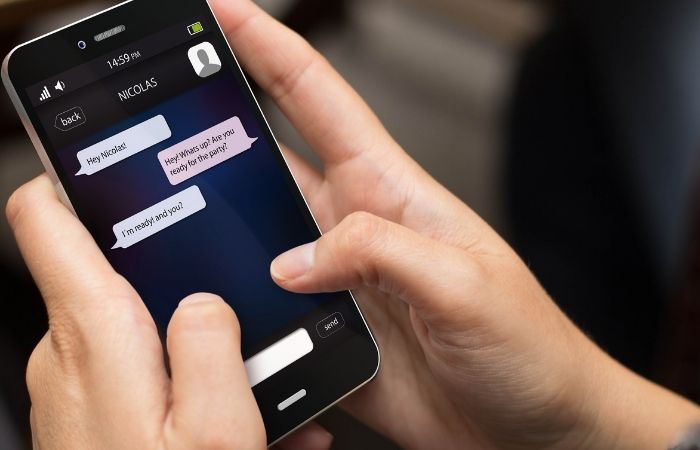
Make Testing as Normal as Brunch Plans
We already use group chats to plan weekends, hype up outfits, and figure out who’s bringing the White Claw. Why not also drop a reminder like:
“Y’all I’m booking my test kit today before the beach trip. Let me know if you want me to send the link.”
“Post-festival ritual: hydrate, unpack, get tested. ????”
These are the new friendship scripts we need, not fear-based, not medicalized, just real-life and respectful.
Want to send a no-pressure nudge to your friends? STD Test Kits offers fast, discreet options you can share without making it weird.
You Deserve Friends Who Normalize Testing
The real flex isn’t just wild stories, it’s friends who look out for each other. Who check in after the hookup and ask, “Did you test?” the same way they ask, “Did you get home safe?”
STDs aren’t a punishment. Testing isn’t a confession. It’s what care looks like. And that care can, and should, live right alongside all the chaos, laughter, and group selfies that make up your digital life.
Don’t wait for a scare. Don’t wait for symptoms. This combo STD test kit gives you fast answers and total privacy, no waiting rooms, no judgment, just clarity.
FAQs
- 1. Is it weird to say “I got tested” in a group chat?
- Not even a little. If you’re already talking about messy hookups, blackout brunches, or dating app drama, adding “btw I tested this week” isn’t weird, it’s smart. Think of it as the new “drink water and eat carbs.” It shows care, not cringe.
- 2. What if nobody else in my group chat talks about testing?
- Someone has to go first. That doesn’t mean becoming the STD sermonizer, it can be casual: “Did my routine test this week, reminder to check your junk too ????.” Chances are, someone else will reply “I’ve been meaning to!” or “Send me the link.” You’re not alone, you’re just early.
- 3. How do I bring up testing after a group trip or party weekend?
- Try humor. Try honesty. Try: “Post-festival protocol = rehydration, unpacking, STD test. ???” You’re not accusing anyone; you’re modeling what care looks like after a good time. It’s not about blame, it’s about cleanup, like the group Venmo or finding that one lost AirPod.
- 4. Will my friends think I have something if I talk about getting tested?
- Let’s flip that: maybe they’ll think you’re proactive, responsible, and low-key hot for normalizing health stuff. People who test regularly tend to have better sexual outcomes, fewer untreated infections, and more open communication with partners and friends. That’s a flex.
- 5. Do these tests show up on my billing or mail?
- Nope. At-home kits from STD Test Kits come in ultra-discreet packaging, no loud labels, no awkward pharmacy pickup. And nothing on your bank statement screams “STD test.” It’s your health. Your privacy. Your call.
- 6. Do I really need to test if I don’t feel sick?
- Yep. Some of the most common STDs, like chlamydia and HPV, can have zero symptoms. You could feel fine and still be passing something on. That’s why routine testing matters. It’s not about panic, it’s about prevention. Silent infections are real, and they don’t send calendar invites.
- 7. What if I test positive and my friends know?
- First off, take a breath. Most STDs are treatable, and a positive result doesn’t mean you’re reckless, it means you’re informed. If your friends know and react with judgment? That’s on them. If they react with support? You just helped normalize something way too many people still suffer through in silence.
- 8. Are those at-home test kits even accurate?
- They’re more reliable than your situationship’s texting habits. Seriously though, when used correctly, rapid STD tests like the ones from STD Test Kits are FDA-approved and clinically validated. Just follow the instructions, don’t test too early, and you’ll get results you can trust.
- 9. How often should people my age test?
- If you’re under 30, hooking up, or changing partners, aim for every 3–6 months. After a new partner? Test. After a condom slip? Test. After spring break? Definitely test. Don’t wait for symptoms, use exposure and activity as your guide.
- 10. Is it pushy to suggest a friend get tested?
- Only if you say it like “you probably have something.” But if you say “Hey I just tested, here’s the kit I used, highly recommend,” it lands totally differently. Framing matters. Offer, don’t order. Normalize, don’t shame.