Do You Have to Tell Your Dentist You Have an STD?
Quick Answer: You usually don’t need to tell your dentist about an STD unless it affects your mouth or requires precautions during treatment. Why This Even Comes Up: The Real Fear Behind the Question We get it.
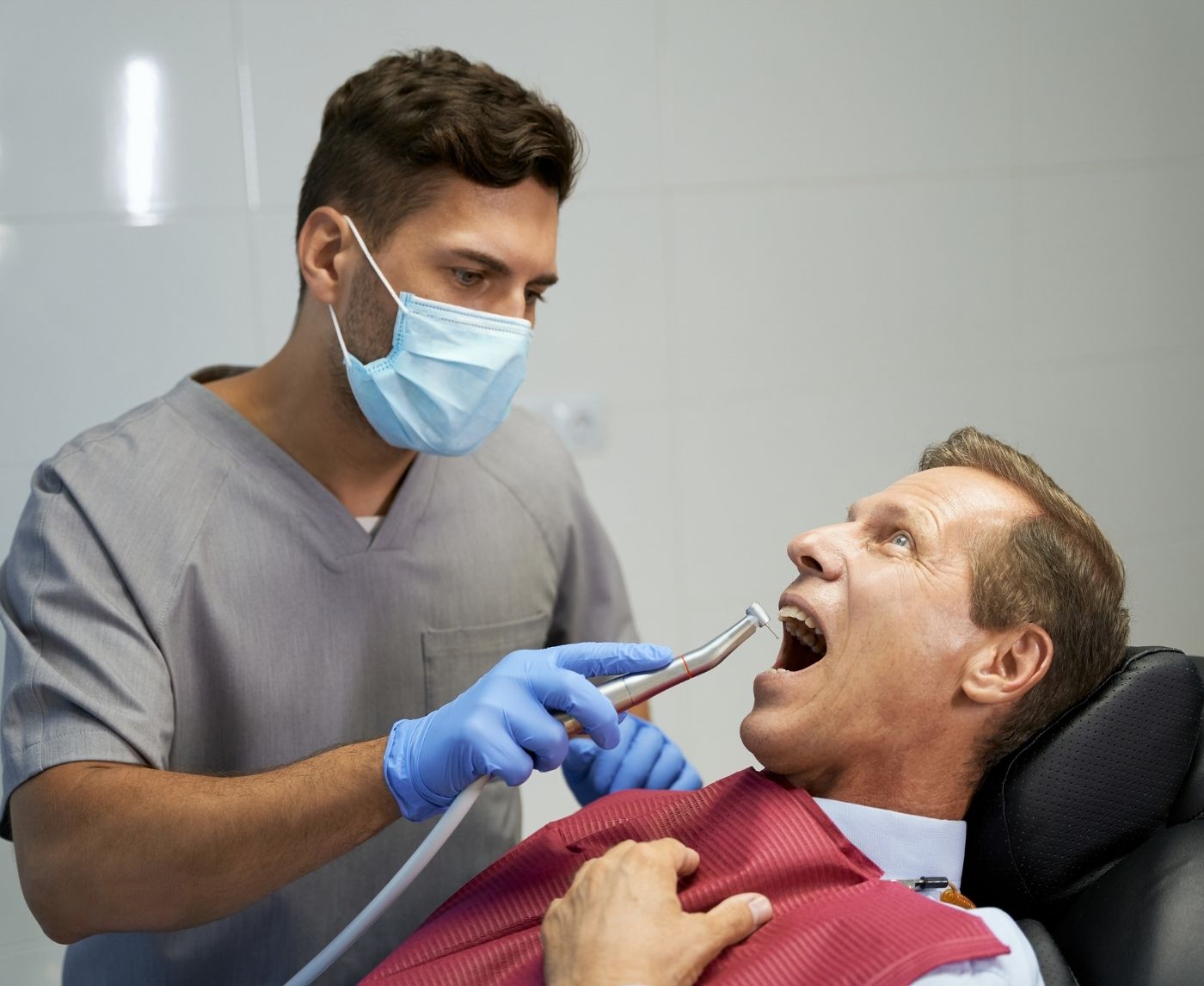
Quick Answer: You usually don’t need to tell your dentist about an STD unless it affects your mouth or requires precautions during treatment. But if you have active sores, bleeding, or suspect oral symptoms, it’s safer (and more respectful) to disclose or reschedule.
Why This Even Comes Up: The Real Fear Behind the Question
We get it. You’re not trying to lie, you’re trying to protect your privacy. But you also don’t want to put anyone at risk, especially someone who’s literally working inside your mouth. So what’s the line between being honest and oversharing?
Most people aren’t even sure how STDs interact with dental care. Can your dentist get infected? Will they judge you? Are you legally required to say something? Behind these questions is often a mix of guilt, fear, and misinformation. One Reddit user wrote: “I had a cold sore and canceled my cleaning because I didn’t want the hygienist to catch it. But I also didn’t want to tell them I have herpes. I just said I was sick.”
That emotional tug-of-war is what this guide is here to settle, no shame, no scare tactics, just clear answers.
STDs That Can Show Up in Your Mouth (And Ones That Can’t)
Not every STD shows up in your mouth, but some absolutely can. And that matters if you’re getting your teeth cleaned, having dental work done, or dealing with ulcers, gum irritation, or bleeding.
Here's what science says about which STDs can impact your oral health:
| STD | Can Affect Mouth? | Visible Signs | Contagious via Oral Contact? |
|---|---|---|---|
| Herpes (HSV-1 & HSV-2) | Yes | Cold sores, ulcers | Yes, especially with active sores |
| HPV | Sometimes | Warts (rarely visible) | Possibly through deep kissing or oral sex |
| Gonorrhea | Yes | Redness, pus in throat (pharyngeal) | Yes, via oral sex |
| Chlamydia | Rarely | Usually asymptomatic | Possible, but low risk |
| Syphilis | Yes | Painless mouth sores | Highly contagious in early stages |
| HIV | Yes (indirectly) | Thrush, ulcers, gingivitis | Extremely low via saliva; blood is the concern |
Table 1. STDs with potential oral symptoms and transmission concerns in dental settings.
Most dentists don’t test for STDs and can’t diagnose them on sight, but they may spot signs you didn’t notice. That’s especially true for herpes, HPV, and syphilis, which can cause lesions, ulcers, or unusual growths in the mouth or throat.
Does Your Dentist Need to Know?
Legally, no, you’re not required to disclose your STD status unless it directly impacts the care you’re receiving. That said, if your symptoms involve your mouth, gums, tongue, or throat, your dentist should know, just like they’d need to know about a recent cold sore, surgery, or medication.
Think of it this way: if your infection could change how they treat you, how your tissues respond, or how much bleeding might occur, it’s relevant. If your STD has no oral symptoms, is well-managed, and doesn’t involve open lesions or immune suppression, it’s private, and stays that way.
One dentist we consulted put it bluntly: “I don’t need to know everything. But if a patient has an active sore or immune issues, that’s a clinical concern, not a moral one.”
Is It Ever Dangerous to Go to the Dentist with an STD?
Short answer: not usually, but context matters. The biggest risk isn’t to the patient, but to the provider if there’s active bleeding, broken skin, or contagious lesions.
Dentists use standard precautions like gloves, masks, and tool sterilization for every patient, not just those with known infections. That includes assuming everyone could carry HIV, hepatitis B, or other bloodborne pathogens. It’s called “universal precautions,” and it protects everyone involved.
But let’s be real: if you show up with a fresh herpes blister, pus-filled lesion, or bleeding mouth ulcer and say nothing, that’s not just risky, it’s disrespectful. Rescheduling isn’t shameful. It’s responsible.
Bottom line: the danger isn’t the STD. It’s how active it is, where it’s located, and whether you’re honest about it when it matters most.
When You Should Absolutely Reschedule
If you’re experiencing active symptoms in your mouth, blisters, sores, swelling, bleeding, or pain, you need to pause before walking into that dental chair. Not forever. Just until your mouth is healed and non-contagious.
Most dentists will tell you that they can’t safely work inside a mouth that’s flaring up with ulcers or sores. Local anesthesia, scaling tools, and flossing wires can all irritate or even rupture fragile tissue. Worse, they can aerosolize saliva and blood, putting hygienists and staff at risk, even with protective gear.
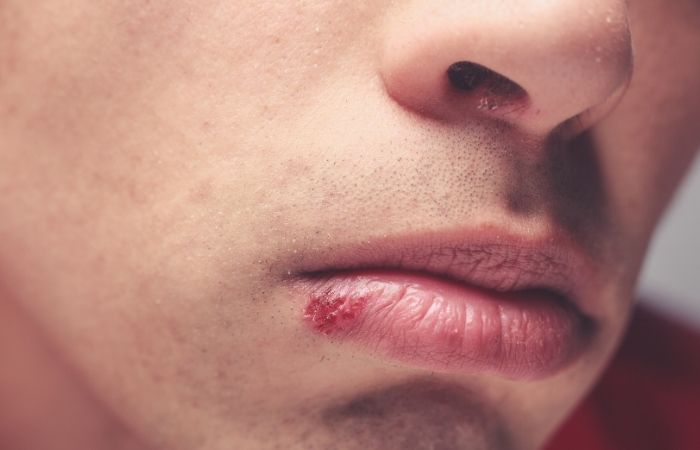
Let’s say you have a cold sore on your lip or inside your mouth. That’s likely caused by herpes simplex virus type 1 (HSV-1). It's highly contagious when active, and your dentist will likely postpone treatment for safety. Same goes for a suspicious mouth ulcer that hasn’t healed in a week, especially if there’s a chance it’s related to syphilis or HPV.
If in doubt, call and ask: “I have a sore in my mouth, should I reschedule?” No need to name the virus unless it’s relevant to your dental care plan. This isn't confession. It's consideration.
“I Had Herpes, and I Still Went to the Dentist”
Andre, 32, had lived with oral herpes for years. Most of the time, it was a non-issue. But the morning of his dental appointment, he felt the telltale tingle. A blister was forming.
“I didn’t want to lose the appointment, so I didn’t say anything. But halfway through the cleaning, my lip cracked and started bleeding. The hygienist gently stopped and said we’d need to reschedule.”
Andre felt humiliated, but the staff reassured him: this happens. They cleaned up, rescheduled him for two weeks later, and he left with a note about antiviral suppression to reduce outbreaks.
This isn’t a horror story. It’s a common one. Providers aren’t there to shame you, they’re trained to manage health, not judge it. But they can only protect themselves (and you) if you’re honest about what’s happening in your mouth.
How to Talk to Your Dentist Without Embarrassment
Here’s the good news: you don’t need to walk in and say, “I have herpes.” You just need to mention anything that could impact your oral tissue, immune system, or healing response. You can say:
“I have a small sore on my lip, should I still come in?”
“I’m managing a virus that sometimes causes mouth sores. I think one might be forming.”
“I’m immunocompromised right now, is there anything I should be careful about during treatment?”
You don’t owe a label. You owe a heads-up.
Most dental offices are trained in confidentiality and HIPAA compliance. They can’t disclose your condition to others. If your STD doesn’t affect your oral health or care, it stays your business and no one else’s.
When Silence Could Backfire
Maybe you’re thinking, “But it’s almost healed” or “I’ll just keep my mouth shut, literally.” That’s risky thinking. Open wounds or even low-symptom viral shedding can still transmit infections through blood, saliva, or aerosolized droplets during dental procedures.
Worse, if a provider unknowingly touches a lesion and then adjusts their own mask or scratches their face (yes, it happens even with gloves), exposure risk jumps. They may also alter anesthesia dosage, antibiotic selection, or procedure plans if they know your immune status.
If the idea of disclosure still makes your chest tighten, ask the receptionist for a private callback or email a brief note ahead of time. That gives you a buffer, and ensures no awkward surprises in the chair.
Your Privacy, Your Power: What You’re Entitled To
You have the right to control your medical information. Dentists can’t demand your sexual history or test results unless it directly affects your treatment. But you also have the right to a safe, informed experience, and that’s a two-way street.
If you feel uncomfortable, look for LGBTQ-friendly or trauma-informed clinics. Many now advertise this clearly. You can also bring someone with you to appointments or ask to speak with the hygienist or dentist in private before the procedure begins.
Transparency builds trust. But that doesn’t mean full exposure. You get to set the tone. And when in doubt, opt for caution: reschedule, heal, and come back when you, and your mouth, are ready.
Can You Catch an STD from a Dental Tool?
This is one of the most anxiety-fueled myths out there, and it’s worth addressing clearly: you cannot get an STD from a properly sterilized dental tool.
Dental clinics in the U.S., U.K., Canada, and most developed countries are required to follow strict sterilization protocols. Instruments are either autoclaved (super-heated steam sterilization) or disposed of after a single use. Work surfaces are disinfected between patients, and gloves are changed with every single person who sits in that chair.
Infections like HIV, syphilis, and hepatitis B are bloodborne. That means you’d need contaminated blood to enter your bloodstream, something that’s near impossible in a regulated dental environment.
Still, if you’re visiting a clinic abroad or in a setting with questionable hygiene practices, trust your instincts. If a provider doesn’t wear gloves or reuse disposable tools, that’s a red flag. You have every right to walk out.
When to Reschedule vs When to Show Up
Not sure what to do? Here's a breakdown that might help clarify:
| Situation | Reschedule? | Reason |
|---|---|---|
| Active cold sore near lips or inside mouth | Yes | Risk of viral shedding and tissue damage during treatment |
| Suspected syphilis sore on tongue or gum | Yes | Highly contagious and requires medical attention |
| HPV diagnosis, no mouth symptoms | No | Not transmitted via dental procedures; no disclosure needed |
| Positive chlamydia test, no oral symptoms | No | Does not affect dental treatment or pose oral risk |
| HIV positive, stable on meds, no mouth sores | No | Standard precautions cover all bloodborne risks |
| Unexplained mouth ulcer that’s bleeding | Yes | Could complicate care or indicate active infection |
Table 2. Common dental scenarios involving STDs, and what action to take.
FAQs
- 1. Can my dentist tell I have an STD just by looking in my mouth?
- Not unless something obvious is going on, like a visible sore, ulcer, or growth. Most STDs don’t scream “Look at me!” in the mouth. Your dentist isn’t a psychic or an STD specialist. They’re trained to notice unusual tissue changes, not diagnose chlamydia from a glance.
- 2. What if I have a cold sore on the day of my appointment?
- Reschedule. Cold sores are contagious, especially when they’re new or oozing, and dental work stretches your lips and gums in ways that can make things worse. Call the office and say, “I’ve got a lip sore, should I push the appointment?” That’s enough. No shame, just safety.
- 3. I’m HIV positive. Do I need to tell my dentist?
- If you're healthy, on treatment, and don’t have any oral symptoms, you don’t need to say a thing. Standard precautions protect everyone. But if your immune system is fragile or you’re prone to mouth infections, giving your dentist a heads-up can help tailor your care, not judge your status.
- 4. Is it illegal to hide an STD from your dentist?
- Nope. You’re not legally obligated to disclose your STD history. The exception? If you’ve got active mouth symptoms, like a bleeding sore that might affect treatment. That’s not about “the law”, it’s about clinical relevance and mutual respect.
- 5. Could I give my dentist herpes?
- If you’ve got an active cold sore and they’re poking around your mouth, yes, it’s possible. Dental tools, cracked lips, and aerosolized droplets don’t mix well with herpes. That’s why most clinics reschedule when a patient walks in with a blister. It’s not punishment, it’s protection, for both of you.
- 6. I don’t know if it’s an STD or just a canker sore. What should I do?
- If it popped up after oral sex, if it hurts more than usual, or if you’ve got other symptoms (swollen glands, fever, weird discharge), play it safe and test. At-home kits can give you answers fast, and help you figure out whether that dental appointment should wait.
- 7. Can a dentist spot HPV in the mouth?
- Sometimes. If you’ve got visible warts or irregular patches in your throat or gums, they might mention it and refer you out. But HPV usually flies under the radar unless you’re getting a very thorough exam, and even then, it’s easy to miss without a biopsy.
- 8. How do I bring up an STD without saying the words?
- Keep it vague and medical. Try: “I have a sore that’s healing but might still be contagious,” or “I’m managing a virus that sometimes affects my mouth.” You’re not lying. You’re sharing what they need to know, on your terms.
- 9. Can a dentist refuse to treat me if I have an STD?
- Not legally, no, especially not in the U.S. or countries with anti-discrimination healthcare laws. They can reschedule if you have an active outbreak, but that’s about infection control, not stigma. If you’re ever turned away unfairly, report it. You have rights.
- 10. I’m on antibiotics for chlamydia. Do I need to cancel my cleaning?
- Probably not. If you’re feeling okay and have no symptoms in your mouth, you’re good to go. Just make sure you’re not dealing with oral irritation, ulcers, or side effects that might complicate things. If in doubt, call the front desk, they’ve heard weirder questions.
Your Next Best Step (Especially If You’re Still Unsure)
Let’s face it, most people aren’t sure if their symptoms matter. That’s where at-home testing can step in. It takes the guesswork out of situations where timing, privacy, and clarity collide.
Our 6‑in‑1 At‑Home STD Test Kit checks for the most common infections, including herpes, chlamydia, and syphilis, from the privacy of home. Results arrive quickly, and you’ll know whether your mouth symptoms are worth bringing to your dentist’s attention, or not.
Because the truth is: testing isn’t just about risk. It’s about peace of mind. And you deserve that before stepping into the dental chair.
How We Sourced This Article: We combined current guidance from leading medical organizations with peer-reviewed research and lived-experience reporting to make this guide practical, compassionate, and accurate. In total, around fifteen references informed the writing; below, we’ve highlighted some of the most relevant and reader-friendly sources.