STD or Something Else? Rashes, Sinus Pain, and Facial Signs Explained
Quick Answer: STD symptoms can absolutely appear on the face, especially through oral transmission. Testing is the only way to know for sure. Let’s say you gave oral sex to a partner whose status is unknown.
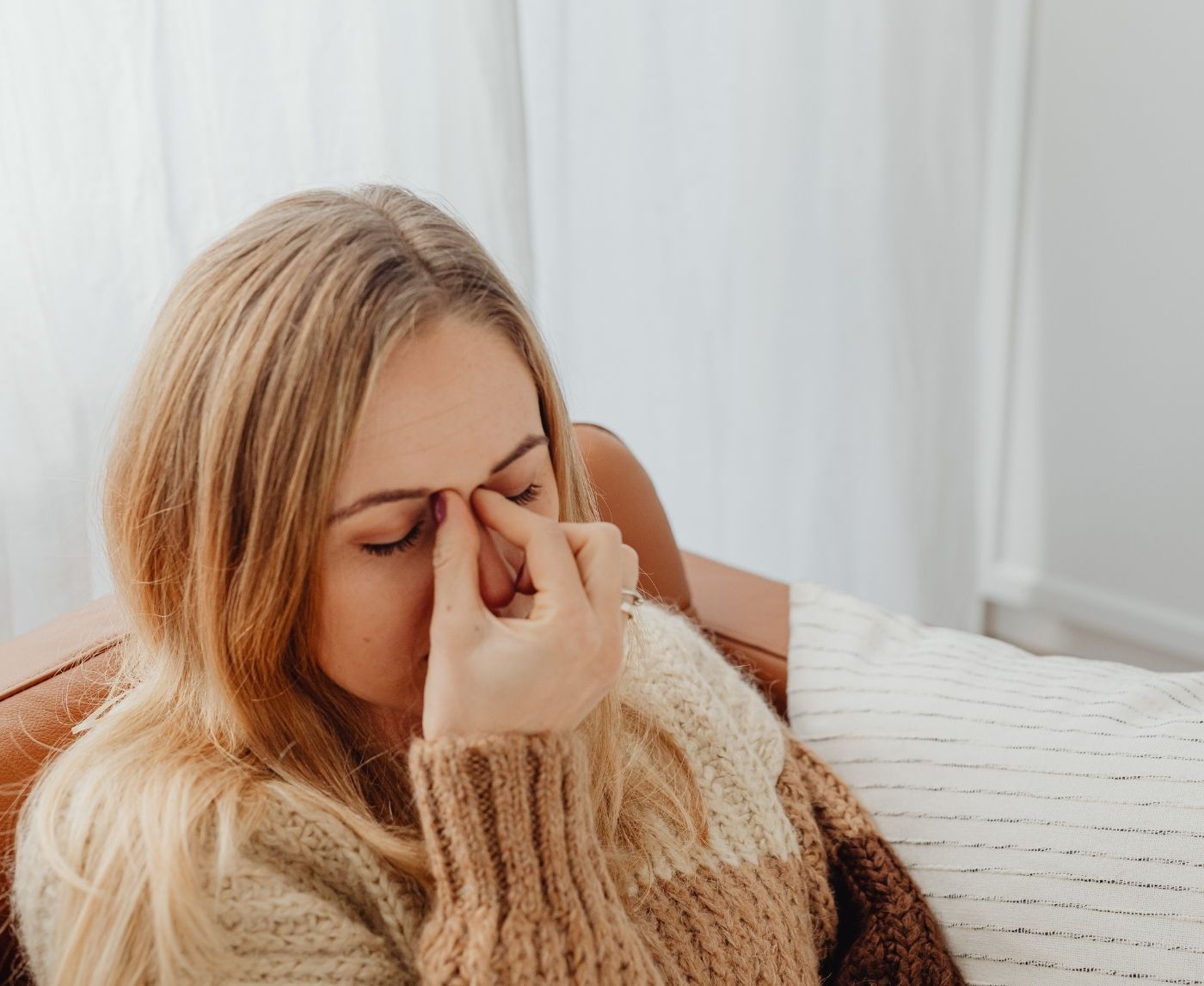
Quick Answer: STD symptoms can absolutely appear on the face, especially through oral transmission. Rashes, sore throats, sinus pain, and skin lesions may be early signs of infections like gonorrhea, syphilis, chlamydia, or herpes. Testing is the only way to know for sure.
This Isn’t Just Razor Burn, And Here’s Why
People tend to associate STDs with genitals, but facial exposure happens more than anyone talks about, especially with oral sex, rimming, and kissing. Let’s say you gave oral sex to a partner whose status is unknown. A week later, you’ve got a sore throat, swollen glands, and a dry red patch forming on your jawline. Your doctor calls it “irritation” or “contact dermatitis.” But what if they’re wrong?
Most healthcare providers aren’t trained to look for STDs in the facial region unless you specifically bring it up. And let’s be honest: who’s going to say, “Hey, could my sinus infection be from chlamydia?” You deserve better information, and a clear plan.

Sinus Pain and Sore Throat After Oral? Don’t Ignore It
Gonorrhea and chlamydia can infect the throat and sinuses, and you may not even realize it until symptoms mimic a cold, a bacterial sinus infection, or even seasonal allergies. These STDs thrive in mucous membranes, and that includes your throat, nasal cavity, and even ear canals.
According to the CDC, pharyngeal gonorrhea (gonorrhea in the throat) is often asymptomatic but can present as:
| Possible STD | Facial Symptoms | Often Mistaken For |
|---|---|---|
| Gonorrhea | Sore throat, swollen tonsils, sinus pressure, postnasal drip | Sinus infection, strep throat, allergies |
| Chlamydia | Throat irritation, dry cough, jaw soreness, sinus pressure | Viral cold, tension headache, TMJ disorder |
| Syphilis | Painless mouth or lip sore, nasal inflammation, cracked corners of the mouth | Canker sore, cold sore, dry skin |
| Herpes (HSV-1 or HSV-2) | Blisters near mouth, chin, or nose; tingling skin; itching | Acne, razor burn, eczema flare-up |
Table 1. STD-related facial symptoms and how they’re often misdiagnosed.
If you're experiencing any of these and recently had oral sex, especially without protection, it’s time to consider testing.
Breakouts, Bumps, and Rashes: When Skin Sends a Signal
Acne around the mouth? Peeling patches on your cheeks? A crusty sore that won’t go away? Skin is often the first place facial STDs whisper their arrival. But here's the twist: STD-related rashes and sores on the face don’t always look alarming. Sometimes they mimic dry skin, beard burn, or a bad reaction to lip balm.
Syphilis in its early stages can cause a painless sore anywhere on the face, often near the lips or nasal area. Herpes outbreaks aren’t always dramatic blisters, they can present as small, itchy bumps. And in some cases, HIV seroconversion rash (part of the body’s initial immune response) can include subtle red spots or lesions across the cheeks and hairline.
Bottom line: if a skin issue doesn’t respond to over-the-counter treatments, or appears after new sexual contact, it’s worth considering an STD panel, especially if facial contact or oral sex was involved.
How It Spreads: The Reality of Oral and Facial Transmission
It doesn’t take full-on penetrative sex for STDs to end up in your face. These infections are passed through mucous membrane contact, saliva, and in some cases, skin-to-skin friction. This means you can get an STD from:
| Contact Type | STD Risk | Facial Exposure Area |
|---|---|---|
| Oral sex (giving) | High | Throat, lips, nose, skin around mouth |
| Kissing | Low to moderate | Lips, inside mouth, chin |
| Rimming (oral-anal) | High | Nose, sinus exposure, mouth, skin |
| Touching face after genital contact | Moderate | Cheeks, nose, around eyes, ears |
Table 2. How STDs can be transmitted to the face through non-genital contact.
If this sounds unfamiliar, you’re not alone. Many people were never taught that facial STDs exist, especially those acquired from non-penetrative sex. That’s why stigma and shame linger. But here’s the truth: it’s not dirty, it’s not rare, and it’s nothing to be embarrassed about. What matters is getting tested and treated early.
“I Thought It Was Allergies”, When Diagnosis Goes Sideways
Marcus, 27, had just come back from a weekend trip with his new partner. A few days later, his sinuses were completely clogged, his throat ached, and he’d developed a strange dry patch above his upper lip. His urgent care doctor diagnosed a mild sinus infection and gave him amoxicillin. But ten days in, nothing had changed, except now his tonsils were swollen, and he felt exhausted. A friend urged him to get an STD panel. The result? Oral chlamydia and early syphilis.
“I was floored. I didn’t even know you could get that stuff in your face.”
This happens more than you’d think. When doctors don’t ask about recent sexual activity, especially oral or non-penetrative sex, facial symptoms caused by STDs get misdiagnosed as seasonal illness, eczema, or strep. That delays proper treatment and increases the risk of transmission.
If you’re reading this with a scratchy throat, a flaky rash, or sinus pain that won’t quit, and none of the usual meds are helping, it might be time to think outside the box. Or rather, inside the mouth.
Why Some STDs Hide in Plain Sight (Especially in the Face)
Many sexually transmitted infections are stealthy. They don’t always cause dramatic pain or obvious sores. This is even more true when they infect non-genital areas like the mouth, throat, or facial skin. Why?
Because the immune response in these areas can be milder. You might just feel “off,” or mistake symptoms for a cold or contact allergy. Plus, common triggers, like shaving, kissing, spicy food, or new toothpaste, can mimic symptoms. This is why even healthcare professionals may not flag them as STD-related without context.
Here's a quick comparison of STD facial symptoms versus their common non-STD “lookalikes”:
| Facial Symptom | Possible STD Cause | Common Misdiagnosis |
|---|---|---|
| Flaky, red skin around nose or mouth | Syphilis, HSV | Seborrheic dermatitis, chapped skin |
| Sore throat with white spots | Gonorrhea, chlamydia | Strep throat, viral infection |
| Pimple-like bumps on jawline or cheeks | HSV, secondary syphilis | Acne, folliculitis |
| Sinus pressure and nasal drainage | Oral chlamydia, gonorrhea | Allergies, bacterial sinus infection |
Table 3. STD-related symptoms vs. common lookalikes, why many people miss the signs.
STD-related facial symptoms often overlap with completely benign conditions. The key difference? When they appear after a new sexual encounter, especially oral or skin contact. If your face flared up days after giving oral sex or receiving it, and it’s not clearing, testing makes sense, even if symptoms seem mild.
What About Ears and Jaw Pain, Can That Be an STD Too?
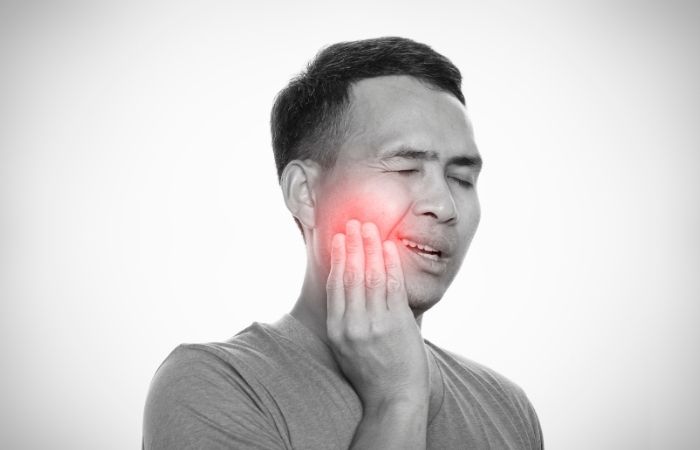
Believe it or not, yes. Some readers report earaches, TMJ-like jaw pain, or muffled hearing after a high-risk oral encounter. While rare, infections like pharyngeal gonorrhea can cause referred pain in surrounding areas, especially if lymph nodes swell or sinus drainage backs up into the middle ear.
One case study published in Sexually Transmitted Diseases journal documented a patient who presented with ear and facial nerve pain, but the underlying issue was an untreated oral gonorrhea infection that had spread to adjacent structures. The patient had never considered an STD because the only symptom was “annoying jaw pain.”
If you feel pressure or pain around your ears or jaw after sexual contact, especially if it’s paired with throat symptoms or fatigue, get checked. STD Test Kits offers combo kits that can detect oral-stage infections discreetly.
Your Body, Your Info
Let’s be clear: getting tested for a possible facial STD isn’t shameful, it’s responsible. Whether you’re managing facial rashes that don’t heal, sinus issues that seem too stubborn, or throat pain that doesn’t add up, the peace of mind that comes from answers is worth it.
You don’t have to go to a clinic and explain every detail if you’re not ready. This at-home combo kit checks for the most common STDs linked to facial symptoms, without judgment, waiting rooms, or paperwork. You collect your sample, mail it, and get results discreetly.
Testing isn’t a confession. It’s clarity.
What About the Person I Was With? Do They Need to Know?
Short answer: probably, yes. If you’re experiencing facial symptoms that turn out to be STD-related, especially something like oral gonorrhea, chlamydia, or syphilis, your partner may be infected too, even if they have no symptoms. And they might have passed it on unknowingly, or picked it up from you.
This isn’t about blame. It’s about closure, care, and breaking the silent cycle of untreated STDs. Let’s say you got a sore throat and weird rash from giving oral sex, your partner might not feel anything, but still be carrying the infection in their urethra, vagina, or rectum. If they’re not treated, you could end up passing it back and forth.
Here’s the good news: telling someone doesn’t have to be dramatic. In fact, it can be short, factual, and even anonymous if needed. We include communication tips in our article on how to tell a partner about STD exposure.
Retesting After Treatment (Or If You’re Still Unsure)
Let’s say you tested positive. You did treatment. Maybe you got antibiotics for oral chlamydia or a short course for gonorrhea. You’re cleared, right? Sort of. You still might need to retest in 3 to 6 weeks, especially if symptoms linger or you weren’t sure about partner status.
Here’s when retesting makes sense:
| Scenario | Recommended Retest Window | Why It Matters |
|---|---|---|
| After treatment for oral chlamydia or gonorrhea | 3 weeks | Check for cure and rule out reinfection |
| Persistent sore throat or sinus issues | 3–6 weeks | Delayed symptoms may reflect treatment failure or new exposure |
| New symptoms after hookup | 2–4 weeks | Window period affects test accuracy, some infections take time to show up |
| Partner tested positive | Immediately, then retest at 3–4 weeks | You may need confirmatory results even if asymptomatic |
Table 4. Retesting guidance based on facial symptom scenarios and exposure timelines.
Many home tests now offer re-order discounts or bundles. If you’re in that waiting game, the Combo STD Test Kit can help you retest from home without repeating a clinic visit.
Not Just Physical: The Mental Load of Facial STD Symptoms
There’s the rash. The sore throat. The sinus pressure that won’t let up. But there’s also the mental loop that kicks in: What if it’s something serious? What if I gave it to someone else? What if this never goes away?
STD symptoms in the face feel especially personal. You can cover a genital rash. But a sore on your lip? A breakout on your cheek? That’s your identity. Your visibility. And when people stare, or when you think they might be, it’s easy to spiral into shame.
This is where trauma-informed care matters. You’re not “dirty.” You didn’t do something wrong. Oral sex is a normal part of life. So is kissing. So is trusting someone who didn’t know they were infected. Facial STDs aren’t a moral failure, they’re a medical issue. And they’re treatable.
If you need help managing the mental stress, STD support hotlines and confidential telehealth services are out there. You can also start with a private test at home, which gives you the power to act on facts, not fear.
Can You Prevent Facial STDs?
You can reduce the risk, yes, but there’s no way to eliminate it entirely if you’re sexually active. That said, a few simple moves make a big difference:
Use barriers during oral sex. That means condoms or dental dams, especially with new partners. This lowers your chance of catching gonorrhea, chlamydia, and syphilis in the throat or facial area.
Watch for skin-to-skin symptoms. If your partner has a cold sore or unexplained rash near the genitals or mouth, that’s not the time for kissing or oral. HSV-1 and HSV-2 can spread easily during active outbreaks, even without penetration.
And yes, washing your hands matters. If you touch genitals, then your face, you could expose yourself to infections like HPV or herpes. Most people don’t realize that transmission can be that subtle.
| Prevention Method | What It Helps Prevent | Realistic Tips |
|---|---|---|
| Condoms or dental dams during oral sex | Gonorrhea, chlamydia, syphilis, herpes | Use flavored barriers to improve comfort and acceptability |
| Check for visible sores or rashes | Herpes, syphilis, HPV | If something looks off, skip oral or kissing that day |
| Wash hands before touching your face | HPV, herpes (via indirect contact) | Use sanitizer if soap isn’t available post-contact |
| Test between new partners | All major STDs | Make it a routine like STI “spring cleaning”, not a crisis move |
Table 5. Facial STD prevention strategies that balance protection with reality.
Prevention isn’t about being paranoid, it’s about being informed. Whether you’re single, partnered, kinky, monogamous, or exploring, it’s okay to ask, test, pause, or pull back. And it’s okay to want reassurance.
FAQs
- 1. Can an STD really cause sinus pain?
- Yeah, it sounds weird, but it’s true. STDs like gonorrhea and chlamydia can infect your throat and upper airways after oral sex. That irritation can mimic a sinus infection, with pressure behind the cheeks, post-nasal drip, and even headaches. If it hit you days after giving oral? Definitely worth testing.
- 2. Is that flaky skin around my mouth from herpes or just dry weather?
- Could be either, but timing matters. If you’ve recently had a new partner, especially with oral or skin contact, and now you’ve got peeling, red patches that don’t respond to moisturizer, it could be a mild herpes outbreak or even early syphilis. Don’t panic, but don’t ignore it, either.
- 3. How soon after oral sex would symptoms show up?
- Some pop up within a few days (like herpes blisters or a sore throat from gonorrhea), while others take weeks. Syphilis sores, for example, can take up to 21 days. And some infections? Totally silent. That’s why relying on symptoms alone is risky, testing tells the real story.
- 4. What does an STD sore on the face actually look like?
- Not always like a “sore” at all. It might be a dry, cracked spot near your nose, a tiny bump on your lip that stings, or a scab you keep mistaking for a shaving cut. Herpes and syphilis can both show up around the mouth or chin, and they don’t always look dramatic.
- 5. Can a sore throat after a hookup be an STD?
- Totally. Especially if you were the one giving oral. Gonorrhea and chlamydia can infect the throat and cause a burny, raw feeling, sometimes with swollen tonsils or white spots. Most people write it off as strep or allergies. If it lingers, get it checked.
- 6. I kissed someone with a cold sore, should I be worried?
- Cold sores = HSV-1, which is a herpes virus. It’s super common and super contagious during active outbreaks. If you kissed someone mid-flare, there’s a decent chance you could contract it. Not a guarantee, but yes, it’s a real risk, and symptoms may show up a week or two later.
- 7. My doctor said it’s just allergies, but I don’t feel right. Should I still test?
- Trust your gut. If something feels off, especially if symptoms popped up after a new sexual encounter, get tested. Misdiagnoses happen all the time when STDs show up outside the genitals. You’re not overreacting. You’re being smart.
- 8. Can I really get an STD from just giving oral?
- Yes, and it’s one of the most common blind spots. People think oral sex is “low risk,” but gonorrhea, chlamydia, syphilis, and herpes can all be passed that way. The throat, nose, and mouth have mucous membranes, exactly what those infections need to spread.
- 9. What kind of test can check for these facial symptoms?
- A good combo kit will screen for the big offenders, gonorrhea, chlamydia, syphilis, herpes, HIV, via swabs or small blood/urine samples. You don’t need to go to a clinic unless you want to. Home tests can give you answers, fast and private.
- 10. Why does this feel so embarrassing?
- Because no one talks about it. Facial symptoms make things feel personal in a way that’s hard to explain, especially if they’re visible. But here’s the truth: your body’s just doing its job. It’s trying to tell you something. And you listening? That’s not shameful. That’s powerful.
Yes, Facial STDs Are Real, But They’re Also Treatable
Rashes. Throat pain. Sinus misery. If these show up days after a hookup, they’re worth paying attention to. It’s not paranoia, it’s pattern recognition. The faster you test, the sooner you stop worrying and start treating whatever’s going on.
That doesn’t mean rushing to conclusions or self-diagnosing from Google images. It means having tools on hand that are discreet, fast, and accurate. You can order yours from STD Test Kits today and get results without waiting for appointments or dealing with judgment.
Your face deserves peace of mind too.
How We Sourced This Article: We combined current guidance from leading medical organizations with peer-reviewed research and lived-experience reporting to make this guide practical, compassionate, and accurate. In total, around fifteen references informed the writing; below, we’ve highlighted six of the most relevant and reader-friendly sources.