Flu Symptoms After Sex? It Could Be Something Else
Quick Answer: Flu-like symptoms after sex can be an early sign of STDs like HIV, syphilis, or herpes. He’d just gotten back from a festival where he’d hooked up with someone new. Five days later, his whole body ached.
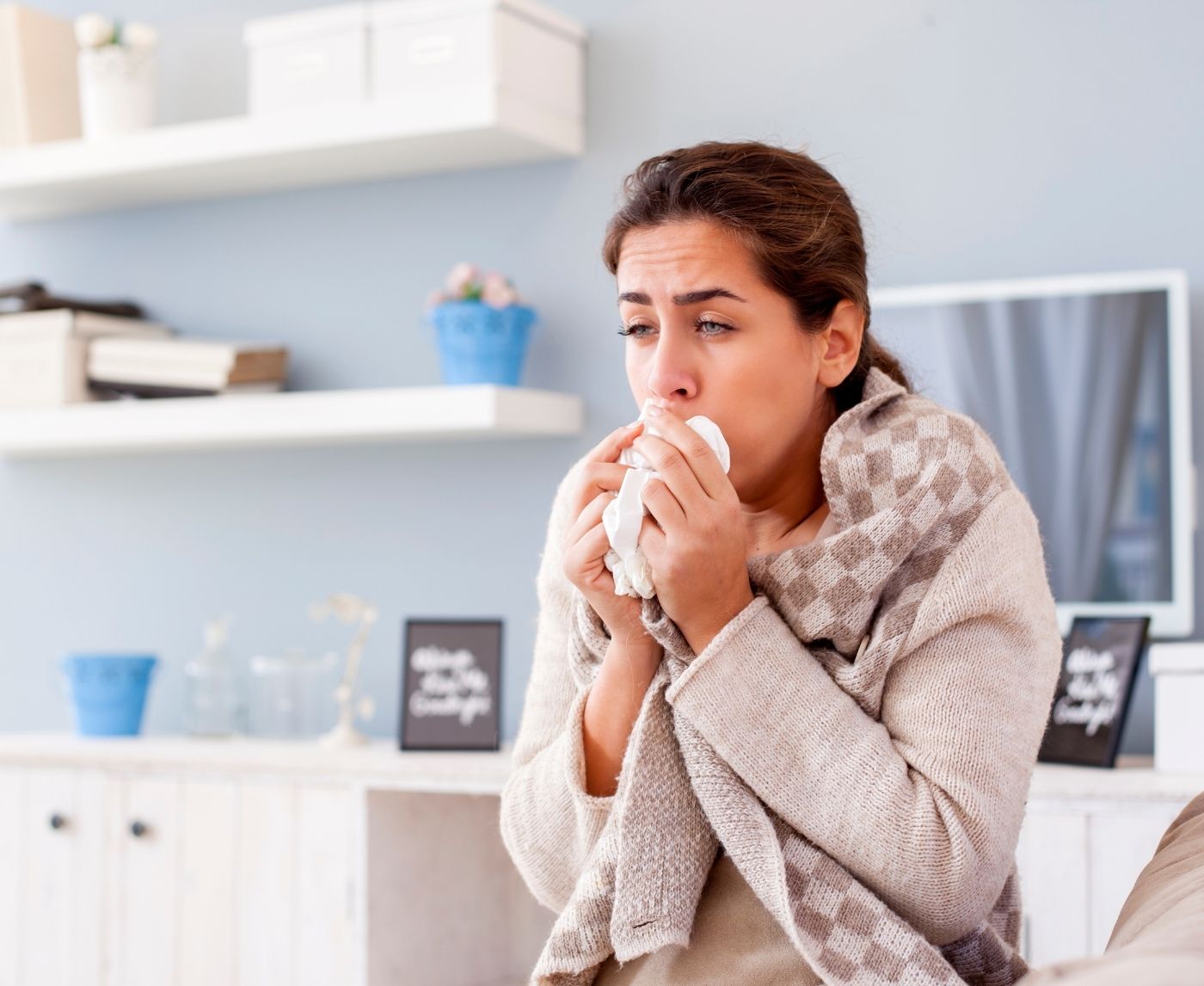
Quick Answer: Flu-like symptoms after sex can be an early sign of STDs like HIV, syphilis, or herpes. If you experience fever, fatigue, chills, or sore throat post-exposure, consider testing, especially if you had unprotected sex or new partners.
It Feels Like a Virus, Because It Is
Julián, 28, chalked up his swollen lymph nodes and crushing fatigue to a rough work week. He’d just gotten back from a festival where he’d hooked up with someone new. Five days later, his whole body ached. “I figured I was just rundown,” he remembers. “Or maybe I caught something on the plane.” But when the night sweats started and Tylenol didn’t touch the fever, he began to worry.
This isn’t a rare story. In fact, the CDC notes that acute HIV infection often looks exactly like the flu in its first 2 to 4 weeks after exposure. The symptoms come from your body’s immune response, not the virus itself, so the overlap with a cold or seasonal bug is almost identical. According to CDC guidance, fever, sore throat, rash, and fatigue are among the most commonly reported early HIV symptoms.
And HIV isn’t the only culprit. Syphilis, in its primary and secondary stages, can also produce headaches, fever, muscle aches, and swollen glands. Early-stage herpes, especially the first time your body encounters it, can spark flu-like symptoms even before sores appear. In all three infections, the signs often show up within days or weeks of sexual exposure, and many people have no idea what they’re actually experiencing.
Why the Misdiagnosis Happens So Often
Let’s be real, most people don’t think “STD” when they have chills and a sore throat. A cough? That feels like COVID. Body aches? Must be flu. Tired and sweaty? Probably just PMS or not sleeping enough. This misattribution is part of what makes these STDs so sneaky, and so easily missed. Many doctors even treat patients for viral infections or sinus issues without thinking to ask about recent sex or run an HIV or syphilis panel.
For people who’ve just had a new partner, a condom mishap, or a hookup while traveling, these “flu” symptoms might be something more. And here’s the catch: you can still be contagious during this window, even before test results turn positive. That’s why understanding the overlap, and testing at the right time, matters more than just for peace of mind.
| Symptom | Possible STD Link | Flu-Like Match? |
|---|---|---|
| Fever | HIV, Syphilis, Herpes | ✓ |
| Fatigue | HIV, Syphilis, Hepatitis B | ✓ |
| Muscle aches | HIV, Herpes | ✓ |
| Night sweats | HIV, Syphilis | ✓ |
| Sore throat | HIV, Herpes | ✓ |
Table 1: Common “flu” symptoms and which STDs may present with them. Shared symptoms often cause misdiagnosis or delayed testing.
But I Didn’t Notice Any Sores or Discharge…
This is the part that trips people up. You don’t have to see a blister, a rash, or unusual discharge to have an STD. Some of the most serious infections start deep inside the body, no visible signs. Especially with HIV and syphilis, flu-like symptoms can come before any skin changes or noticeable lesions. Even herpes, which is famous for sores, can cause systemic symptoms before any outbreak appears, or without one at all.
Take Ravi, 31, who got tested after a week of unexplained exhaustion. “No discharge, no bumps, nothing that screamed STD,” he said. “But I felt like I was dying. I had this weird back ache and low fever, and I just knew something was off.” His HIV test came back positive, but early. Caught in the acute phase, it was easier to get linked to care and start treatment before his immune system took a hit.
That’s why knowing the timeline matters. Testing too early can lead to false negatives, but ignoring the symptoms altogether delays treatment, risks transmission, and ramps up anxiety.
Window Periods: When Should You Actually Test?
Every STD has its own “window period”, the time between exposure and when a test can reliably detect it. This is where most confusion happens. If you test during the first few days of symptoms, especially with HIV or syphilis, you may still test negative even if you’ve been infected. That’s why retesting after the peak accuracy window is so important.
Here’s a breakdown of when symptoms might appear, and when you can expect accurate results if testing:
| STD | Flu-Like Symptoms Start | Test Accuracy Window |
|---|---|---|
| HIV | 2 to 4 weeks post-exposure | 4 to 12 weeks (Ag/Ab combo preferred) |
| Syphilis | 3 to 6 weeks post-exposure | 6 to 12 weeks (antibody-based tests) |
| Herpes (primary) | 4 to 10 days post-exposure | 2 to 4 weeks (best with symptoms) |
Table 2: Typical symptom onset vs optimal testing windows. Testing too early can miss infection, repeat testing often recommended.
If you’re in that early window and already feeling sick, don’t wait for everything to resolve on its own. Start with a rapid test now and plan for a second test at the right timing. That way, you catch the infection early, or get peace of mind knowing you're clear.
Wondering where to start? You can order a discreet Combo STD Home Test Kit and check for several infections at once, including HIV, syphilis, and herpes. Results in minutes, no awkward clinic wait.
False Relief, Delayed Diagnoses: What Happens When You Wait
There’s a dangerous comfort in a negative result, especially if it comes too soon. Tasha, 24, tested negative for HIV and syphilis after a night of unprotected sex. She had body aches and a sore throat but assumed the test cleared her. “I felt relieved,” she said, “but two weeks later I had this rash on my chest and insane night sweats.” Her second test, taken five weeks after exposure, came back positive for HIV.
This is the reality for many people. You might feel flu symptoms after sex, take a rapid test the next day, and think you're in the clear. But biology doesn't move at the speed of anxiety. Most rapid tests rely on antibodies or antigens that haven’t fully developed in your system yet. The result may be accurate for someone infected months ago, but unreliable for someone newly exposed.
That doesn’t mean you should skip early testing altogether. Think of the first test as a starting point, not the finish line. A “negative” now simply means: not yet detectable. If you’re feeling symptoms or know there was risk, plan to test again in 2 to 4 weeks, ideally with a highly sensitive test like a 4th-generation Ag/Ab combo for HIV or a lab-confirmed blood test for syphilis.
Where, and How, to Test When You Feel Sick
When your body feels like it’s fighting something, the last thing you want is a confusing clinic visit or a week-long wait. The good news: testing has evolved. You can now choose between at-home rapid tests, mail-in kits, or in-person options. Here’s how they compare when flu-like symptoms are the red flag.
| Testing Option | Turnaround | Best Use Case |
|---|---|---|
| At-Home Rapid Test | 10–15 minutes | Immediate check when you’re too sick, anxious, or private to wait |
| Mail-In Lab Kit | 2–5 days (plus mailing) | More accurate results during mid-window period |
| Clinic or Urgent Care | Same-day to 1 week | When symptoms worsen or complications appear |
Table 3: Testing options by urgency and use case. No one test fits all, timing and symptoms matter.
Imagine this: It’s midnight, your fever’s climbing, and you can’t sleep. You don’t want to go to urgent care and explain your sex life to a stranger. This is when having a rapid test on hand can help break the spiral. It won’t catch everything early, but it can rule out some things fast. Then, follow up with a second test a week or two later to confirm. You’re not choosing between peace of mind and science, you’re layering both.
Is It Always an STD? What Else Could It Be?
Not every flu-like illness after sex is an STD. But when symptoms hit days after a new encounter, the timeline is suspicious enough to consider. Some other possibilities include:
- Mononucleosis (often mistaken for herpes): Can cause sore throat, fatigue, swollen glands, and fever. Spread through kissing or shared drinks.
- COVID-19 or other respiratory viruses: Symptoms can start suddenly and mimic everything from cold to pneumonia.
- UTIs or kidney infections: Especially in people with vaginas, these can cause back pain, chills, and general malaise without classic burning-urine signs.
- Hepatitis B or C: Both can be sexually transmitted, especially through blood exposure. Early signs include fatigue, fever, nausea, and jaundice (yellowing eyes/skin).
The challenge is that your body only knows so many ways to signal distress. Fever, fatigue, and chills are generic symptoms. But context is everything. If the symptoms show up after unprotected sex, multiple partners, or a known exposure, it’s worth testing for STDs first, then exploring other causes.
If you’re unsure where to start, head over to STD Rapid Test Kits for a discreet test kit that checks for multiple infections at once. No appointment, no judgment, just answers.
How to Talk About It With a Partner
Let’s say you’re sick, sweating through your sheets, and starting to panic. You’re also wondering: should I tell the person I hooked up with? It’s a brutal crossroads, especially if things were casual, recent, or emotionally charged. But here’s the thing: you don’t need a diagnosis to justify concern. You just need clarity, and a little courage.
Start simple. “Hey, just wanted you to know I’m not feeling great, some fever and fatigue after the weekend. I’m getting tested for a few things to be safe. Wanted to give you the heads-up in case you want to do the same.”
That kind of message doesn’t accuse, shame, or make assumptions. It simply opens a door. Whether the other person responds with care, defensiveness, or silence, that’s their part. Yours is honesty and self-protection.
If speaking directly isn’t an option, consider anonymous partner notification tools offered by some health departments and clinics. These let you send a message (often via text or email) without revealing your name.
Remember, testing isn’t just about you, it protects everyone you’ve touched. Literally.

Retesting: When the First Result Isn’t the Final Word
What if your first test was negative but you’re still feeling off? Or worse, what if symptoms have intensified? This is where retesting comes in. It’s not about paranoia; it’s about understanding how your body and testing tech don’t always sync up in real time.
After an initial exposure and flu-like symptoms, retesting at 3, 6, and even 12 weeks may be recommended, especially for HIV or syphilis. In early infections, antibodies may still be building up in your system, and even highly sensitive tests can miss them. Waiting doesn’t mean ignoring. It means giving the science time to catch up with your story.
Jordan, 35, tested twice before her syphilis result came back reactive. “First one was negative, second one inconclusive,” she explained. “I thought I was just paranoid. But the third one confirmed it, and by then I’d already passed it to my boyfriend.” Her honesty about the testing timeline saved him months of mystery symptoms. “Don’t stop after one test,” she says now. “Listen to your body and retest if anything feels off.”
Some home test providers even recommend built-in retest windows or offer bundles to make it easier. A combo test today can give you baseline peace of mind, and a retest in 2 to 4 weeks can close the loop. Either way, the sooner you know, the faster you can protect your partners and yourself.
The Stigma of Feeling Sick After Sex
This part is harder to talk about than symptoms: the shame. No one wants to be the person who got “something.” Especially not when all you feel is tired, sore, or vaguely gross. But this silence is part of how STDs keep spreading, because we feel too ashamed to ask questions, get tested, or tell our partners we’re worried.
The truth? Getting sick after sex doesn’t make you dirty. It makes you human. Every one of us is vulnerable to infection, even with protection, even in loving relationships. What matters isn’t how it happened, but what you do next.
Testing isn’t a confession. It’s care. And if you’re reading this because something feels off in your body, you’re already doing the right thing. You’re paying attention.
Whether it’s herpes, HIV, syphilis, or something else, early detection makes everything easier: treatment, disclosure, recovery, and emotional healing. You don’t have to navigate it alone, and you don’t have to walk into a clinic to start.
Try an at-home kit like the Combo STD Home Test Kit if you want speed and privacy. Or go with a mail-in option if you prefer lab-grade confirmation. Just don’t let fear keep you frozen.
How to Protect Yourself Moving Forward
Feeling flu-like after sex can be a wake-up call, but it doesn’t have to be a scarlet letter. Once you’ve tested and ruled out or confirmed an infection, it’s time to shift toward protection. That doesn’t mean wrapping yourself in plastic wrap and never touching another human. It means making informed choices about partners, protection, and testing timelines.
Consider this your after-action plan:
- Use condoms or barriers consistently, especially with new or multiple partners.
- Get tested regularly, even if you feel fine.
- Make testing part of your dating conversations: “I like you. I test regularly. You good with doing the same?”
- Keep one or two home tests on hand so you’re not scrambling when anxiety hits.
- Trust your instincts. If your body says something’s wrong, listen, even if your last test said everything’s fine.
One night of sex shouldn’t lead to weeks of anxiety. But if it does, let that be the moment you take your sexual health into your own hands. Not with fear, but with facts, tools, and choices you control.
FAQs
- 1. Can an STD actually feel like the flu?
- Yep, and that’s what makes it so tricky. We’re talking chills, body aches, sore throat, swollen glands, the whole “I’m getting sick” package. In early stages, infections like HIV, syphilis, and herpes can totally masquerade as the flu. If the timing feels off, like symptoms hit right after a new hookup, it’s worth testing, just in case.
- 2. How soon after sex do STD symptoms show up?
- It depends on the infection. Herpes can flare within days. HIV usually takes 2 to 4 weeks. Syphilis can hang back for up to 6 weeks. There’s no universal “day X” rule, which is why tracking your timeline, and being honest with yourself about exposure, is key.
- 3. What if I feel sick, but my STD test says negative?
- That could mean a few things. Most likely? You tested during the window period, before your body had built enough antibodies for the test to detect. Happens all the time. If your symptoms continue or get worse, retest. One negative doesn’t mean you’re in the clear forever, especially if your gut says something’s up.
- 4. Do you always get sores with herpes?
- Nope. A lot of people think herpes = painful blisters. But some never get a single sore. For many, the first sign is actually fever, fatigue, or muscle aches, aka flu-mode. If you’re feeling off and had recent sexual contact, don’t rule out herpes just because your skin looks normal.
- 5. Can I give someone an STD even if I feel fine?
- 100% yes. This is the silent part people forget. You can pass on HIV, chlamydia, gonorrhea, and more without having any symptoms yourself. Feeling healthy doesn’t mean you’re in the clear. That’s why regular testing matters, even when nothing seems wrong.
- 6. Is night sweating a sign of something serious?
- It can be. Night sweats are one of those sneaky symptoms that feel like a weird fluke… until you realize they might be tied to HIV, syphilis, or another infection. If you’re waking up drenched and you’ve recently had unprotected sex, testing is a smart next step.
- 7. What test should I use if I feel flu-ish after sex?
- If you're early in the game, like within a week, start with a rapid test, but know you might need to follow up. Around 2–4 weeks post-exposure, a combo HIV test (Ag/Ab) or a mail-in lab test for multiple STDs is your best bet. Home kits like the one offered here make it easier when you don’t want to leave the house.
- 8. Should I tell someone I slept with if I’m just feeling off?
- That’s a personal call, but here’s a thought: honesty early on can save both of you a lot of stress later. Something like, “Hey, I’m not feeling great and I’m getting tested, just wanted to let you know,” goes a long way. No blame. Just transparency.
- 9. Could it just be a cold and not an STD?
- Absolutely. But if the cold showed up right after sex, or feels unusually heavy, it’s smart to rule out infections that share similar symptoms. It doesn’t mean you’re dirty, it means you’re paying attention. And that’s a good thing.
- 10. How often should I test if I’m sexually active?
- Think of it like dental checkups, but for your sexual health. Every 3–6 months is ideal if you’re sexually active with new or multiple partners. Even if you feel fine. Even if you use protection. Testing isn’t a confession, it’s routine care.
You’re Not Overreacting, You’re Taking Control
Fever, fatigue, chills after sex? You’re not imagining things, and you’re not alone. These aren’t just passing bugs, they’re sometimes the early whispers of something your body is trying to fight. Whether it’s HIV, syphilis, herpes, or something else entirely, the way forward starts with clarity, not panic.
If you've read this far, it's because something doesn’t feel right, and that’s reason enough to act. You don’t need permission to test, and you don’t need perfect timing to get started. Whether you’re scared, confused, or just ready to know, we’ve got your back.
This at-home combo test kit checks for the most common STDs discreetly and quickly. No lab appointments. No awkward waiting rooms. Just answers, so you can move forward.
How We Sourced This Article: We combined current guidance from leading medical organizations with peer-reviewed research and lived-experience reporting to make this guide practical, compassionate, and accurate.