6 STDs You Can Catch From Oral, Even If It Feels “Low Risk”
Quick Answer: Yes, you can catch STDs from giving or receiving oral sex. Infections like gonorrhea, herpes, chlamydia, HPV, and even HIV can be transmitted this way, often without symptoms. I had zero symptoms.

Quick Answer: Yes, you can catch STDs from giving or receiving oral sex. Infections like gonorrhea, herpes, chlamydia, HPV, and even HIV can be transmitted this way, often without symptoms. Testing is the only way to know.
Why This Conversation Still Feels Taboo
There’s a reason so many people feel blindsided when an STD shows up after oral. The topic lives in a weird limbo, people talk about unprotected sex, but rarely specify if “oral” counts. Even doctors sometimes gloss over it during consults. Meanwhile, young people, queer communities, and those in new or multiple partner situations often treat oral as the default “low-risk” option.
Riley, 22, shared their experience during a Reddit Q&A: “I had unprotected oral with someone I was dating casually. A month later, I got tested and was positive for gonorrhea in my throat. I had zero symptoms. I was shocked, and honestly, kind of embarrassed. No one told me this could happen.”
This silence leads to confusion. People delay testing because they assume risk is minimal. They don't use barriers because they don't know how, or fear it’ll ruin the mood. And when symptoms do show up, many misattribute them to colds, allergies, or canker sores. The result? Infections keep spreading undetected.
These 6 STDs Can Be Transmitted Through Oral Sex
If you’ve been wondering whether it’s “really possible” to catch something from going down on someone, let’s break it down, clearly, factually, and without shame. Each of the following infections has been documented to spread via oral sex, regardless of gender, orientation, or role (giving or receiving).
| STD | Transmitted By | Possible Oral Symptoms | Can Be Asymptomatic? |
|---|---|---|---|
| Gonorrhea | Giving or receiving oral on genitals or anus | Sore throat, burning, swollen lymph nodes | Yes, especially in the throat |
| Chlamydia | Giving oral on penis or receiving oral on vulva/anus | Mild sore throat, sometimes none | Yes |
| Herpes (HSV-1 & HSV-2) | Skin-to-skin oral contact with sores or shedding skin | Painful blisters, cold sores, tingling mouth | Yes, especially during viral shedding |
| HPV | Oral contact with infected skin or fluids | Throat warts (rare), sore throat, lesions | Yes, most cases have no symptoms |
| Syphilis | Direct contact with syphilitic sores during oral | Open sores in mouth or lips, rash on palms/soles | Yes, especially in early stages |
| HIV | Oral contact with blood, semen, or vaginal fluids | None specific to mouth; flu-like illness may occur | Yes, early symptoms are nonspecific |
Table 1: Common STDs that can spread via oral sex, with typical presentation and risk level. Even in the absence of symptoms, these infections can still be passed on.
Notably, you don’t have to swallow to be exposed. These infections can enter through tiny cuts in your lips, tongue, gums, or throat tissue. The idea that it’s “only risky if they finish in your mouth” is just not true.
And yes, many of these are treatable. But only if you know you have them. And many won’t show up in your routine panel unless you ask for a throat swab specifically.

People are aslo reading: Is Oral Sex Safe? Why You Can Still Catch STDs Without Penetration
Case Study: “I Thought It Was Just a Sore Throat”
Andre, 28, had been feeling under the weather for weeks. “I thought it was allergies or maybe a lingering cold. My throat wasn’t super painful, just...off. I also had some congestion and assumed it wasn’t anything serious.”
When his new partner suggested they both get tested “just in case,” Andre shrugged and went along. He wasn’t worried. But when the clinic results came back, he tested positive for gonorrhea, in his throat. “I didn’t even know that was a thing,” he said. “I’d never had unprotected vaginal or anal sex. Just oral.”
Andre’s story isn’t rare. According to a recent study published in CDC’s STD Surveillance Report, oropharyngeal gonorrhea is rising among adults under 35, particularly in men who have sex with men, but also in heterosexual populations who engage in oral without protection.
The biggest challenge? Many of these infections never cause pain or visible symptoms. That’s why you can feel fine and still test positive, and still unknowingly pass it to someone else.
What About Protection? Is It Even Used?
Let’s be honest, most people don’t use protection for oral. Latex barriers like condoms and dental dams are recommended, but their usage is very low. In a national sex health survey, less than 10% of respondents said they used any barrier during oral sex with a new partner.
There are several reasons for this: discomfort, interruption of intimacy, stigma around asking, lack of access, or the perception that oral “doesn’t count.” But the risk is real regardless of how normalized the behavior is. Fluids like pre-cum, vaginal secretions, and even saliva (in cases of herpes or HPV) can transmit infections.
And it’s not just about the giving partner. Receiving oral can also expose you to infections if the other person has a cut in their mouth or active sores. The mouth is more porous than people realize. And if there’s gum disease, ulcers, or even a scratch from brushing too hard, those microscopic openings can become entry points.
Do At-Home Tests Even Catch These?
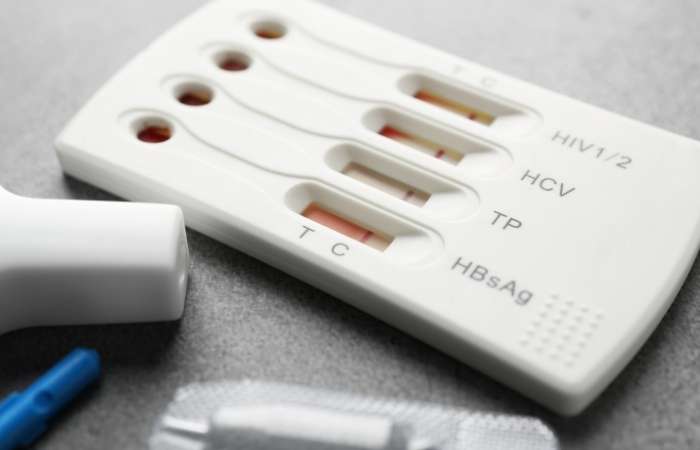
Here’s the catch, most over-the-counter or mail-in STD tests only check urine, blood, or genital swabs. But many throat-based infections won’t show up unless the test includes a specific oral swab. If you’ve only done a urine test and you're still experiencing symptoms, or had oral as your only exposure route, you might have missed something important.
At STD Rapid Test Kits, you can discreetly order tests designed to detect infections like oral gonorrhea, oral chlamydia, and HSV-1/HSV-2. Some combination kits allow for both genital and throat samples. The most important thing is to know what to test for and to choose kits that are right for your type of exposure, not just your symptoms.
If you're not sure, you could use a Combo Home Test Kit that checks for several STDs at once. It can save you time, money, and guesswork, especially when symptoms are unclear or not there at all.
We’ll dive into test accuracy and timing next, including how soon after oral exposure an infection might show up.
When Does It Show Up? Understanding Oral STD Timing
There’s nothing worse than waking up worried, Googling “STD symptoms from oral,” and realizing you don’t even know when to test. Timing is everything. Too early, and the infection might not show up yet, even if it's there. Too late, and you could unknowingly pass it on.
Every STD has a different incubation and window period. The incubation period is how long it takes for symptoms to appear (if they do). The window period is how long after exposure you need to wait before a test can reliably detect the infection. For oral STDs, that distinction matters, because throat-based infections often stay silent even when detectable.
Let’s say you went down on someone a week ago. You’re not feeling anything... yet. But that doesn’t mean you're in the clear. And if you test today and it’s negative, you might feel falsely reassured, when in fact, the bacteria or virus is still ramping up to detectable levels.
| STD | Incubation Period | Reliable Testing Window | Best Time to Retest |
|---|---|---|---|
| Gonorrhea | 1–14 days | 7+ days after exposure | 14 days (if high-risk) |
| Chlamydia | 7–21 days | 14+ days after exposure | 3 weeks after first test if symptoms persist |
| Herpes | 2–12 days | IgM: 10–20 days | PCR: when sores appear | 6 weeks post-exposure if no outbreak |
| HPV | 1 month to years | Often not detectable until lesions form | Not routinely tested unless symptoms arise |
| Syphilis | 10–90 days | 3–6 weeks for antibody tests | 12 weeks for most reliable results |
| HIV | 2–4 weeks for acute symptoms | 18–45 days for antigen/antibody test | 12 weeks for maximum accuracy |
Table 2: Window periods and retesting guidance for common oral-transmissible STDs. Some tests may detect infections earlier, but repeat testing ensures accuracy.
Here’s where many people go wrong: they test once, too early, and assume they’re in the clear. Then symptoms emerge weeks later, but by then, they may have exposed others. Or worse, they never develop symptoms at all, and infections go untreated for months.
If you’ve recently had oral sex with a new partner and didn’t use protection, consider this your timeline: wait at least 7–14 days, test once, and retest again around week 4–6 if you’re in a higher-risk group or still feeling off. That retest window catches anything the first round missed.
Case Study: “It Was Oral, But the Test Came Back Positive”
Jasmine, 32, is a sex educator and polyamorous mother of two. “I’m careful, but I also don’t believe in shaming myself or others for what feels good,” she said. “A few months ago, I gave oral sex to a new partner. We were both tested beforehand, but not for oral sites.”
Three weeks later, Jasmine developed a single sore on the inside of her lip. It was painful and persistent. Her doctor assumed it was a cold sore and sent her home. But something didn’t sit right. “I knew my body. This felt different.” She pushed for a full panel, this time, including a throat swab and HSV testing.
The result: a positive for HSV-2, the strain typically linked to genital herpes. It had been transmitted orally by someone who didn’t even know they were shedding virus at the time. “I wasn’t angry,” Jasmine said. “But I did wish someone had told me this was possible. I would’ve made a different choice that night.”
Jasmine’s story underscores a key truth: even well-informed, sexually responsible people can be blindsided by infections from oral sex. It’s not about fault, it’s about facts.
Why Throat-Based Infections Are Often Missed
Throat infections are sneaky. Unlike genital infections, which might produce discharge, itching, or sores, oral STDs often mimic benign conditions. A little throat irritation? Could be allergies. That one swollen lymph node? Maybe you slept weird. A single sore on your tongue? Stress ulcer, or something else?
That’s why so many people walk around with oral gonorrhea or chlamydia and never know it. These infections can stay localized in the throat for weeks or months without causing problems, or they can spread to partners’ genitals through oral-to-genital transmission. That makes the throat a hidden reservoir of ongoing transmission.
Testing is the only way to break the cycle. But it must include the right sample. Ask for a throat swab specifically, or use an at-home kit that supports oral site collection. Many people get “negative” results simply because the test didn’t check the area where the infection was hiding.
If you’re not sure which test to use or when to take it, try this: If your gut says something’s off, even if your throat just feels weird, trust that. Peace of mind is worth the swab.
Ready for discreet answers? Order a combo home test kit here and choose oral sample support to check where others don’t.
When to Retest (Even If You Feel Fine)
Let’s say you tested once already, maybe a few days after a hookup. It came back negative. But now it’s been three weeks, and that weird sensation in your throat won’t quit. Or maybe you’ve had no symptoms at all, but your partner just told you they tested positive for something you thought you didn’t need to worry about.
Here’s the rule of thumb: if your initial test happened within 10 days of exposure, it’s worth retesting at the 3- to 6-week mark. This applies whether your symptoms persist or you’re still in close contact with someone who tested positive. False negatives are rare, but they can happen, especially in early infection windows or with inadequate sampling techniques.
And remember: reinfection is possible. If your partner didn’t get treated, or if you resumed oral without protection after your first round of testing, you might’ve picked it up again. That’s why some health providers recommend retesting 3 months after treatment, especially for gonorrhea and chlamydia.
If you tested using a urine-based kit but your only exposure was oral? That’s not a retest. That’s a mis-test. Make sure your retesting strategy matches your actual exposure. If it doesn’t, the results mean very little.
How to Lower Your Risk Without Ruining the Moment
Let’s talk prevention, and let’s be real. The phrase “use protection during oral sex” often feels like it’s pulled from a pamphlet written by someone who hasn’t had sex since the ’90s. Most people skip barriers during oral because it feels awkward, disrupts intimacy, or just isn't normalized. But protection doesn’t have to kill the vibe. You just need options that fit real life.
Take Dante and Sam, both 25, who’ve been dating for three months. “We didn’t use anything at first,” Sam said. “But after a friend tested positive for syphilis from oral, we both got tested. Since then, we’ve started using flavored condoms for oral on him and cut-up dental dams on me. It was weird at first, but now it’s kind of hot. It shows we care about each other.”
If you’re giving oral on a penis, a flavored condom can be a low-effort option, especially if you’re with a new or multiple partner. For vulva or anal oral, dental dams (or even non-microwavable plastic wrap) are options. Are they perfect? No. But they reduce the risk significantly, especially for infections transmitted through skin-to-skin contact like herpes, syphilis, and HPV.
And remember, even if you skip protection, regular testing is a form of protection too. It creates informed choices. Testing every 3–6 months, or sooner after a new partner or exposure, is the standard recommendation for sexually active people not in monogamous or mutually tested relationships.
If you’re due, or overdue, start here: STD Rapid Test Kits offers discreet at-home options that check for common STDs from the comfort of home. Privacy. Control. No waiting rooms.
When You’re the One Who Tests Positive
Finding out you tested positive after a hookup, especially one you thought was low-risk, is an emotional gut punch. There’s guilt, confusion, shame, and fear. And there’s usually one pressing question: “What do I do now?”
Start here: take a breath. Most oral-transmissible STDs are treatable, manageable, or both. Chlamydia and gonorrhea can be cleared with antibiotics. Syphilis responds well to treatment if caught early. Herpes and HPV don’t have cures, but symptoms can be managed and outbreaks reduced. And HIV, if detected early, can be managed with medications that allow people to live long, healthy lives.
Let’s walk through a real moment. Devon, 35, got a call from his partner. “They told me they had oral gonorrhea and that I should get tested. I didn’t even know gonorrhea could live in your throat. But sure enough, my test was positive too. I felt stupid, honestly.”
Devon was treated at a walk-in clinic with a single antibiotic shot and a follow-up swab two weeks later. “I also had to text two other partners from that month,” he said. “It was uncomfortable, but one of them thanked me. Said no one had ever let them know before.”
If you’re in this situation, try a message like: “Hey, I just got tested and found out I have [infection]. I wanted to let you know so you can take care of yourself too.” Most partners will respond with appreciation, not anger. And if they don’t, that says more about them than it does about you.
Need help figuring out what to say or how to say it? You can find partner notification templates at Planned Parenthood or use anonymous apps that send texts on your behalf.
FAQs
- 1. Can you really get an STD just from going down on someone?
- Absolutely, though many people don’t realize it until it happens to them. Oral sex can transmit infections like gonorrhea, herpes, syphilis, and more. One night, no condom, no visible symptoms, and boom, throat infection. It happens more often than you think.
- 2. What does an oral STD even feel like?
- Sometimes like nothing at all, and that’s the scary part. But when symptoms do show up, they can mimic a sore throat, mild swelling, or even just a “scratchy” feeling you’d blame on allergies or dry air. If it lingers, stings, or just feels weird, it’s worth checking out. Don’t second-guess your instincts.
- 3. I brushed my teeth right before giving oral, did that protect me?
- Actually... it may have done the opposite. Brushing or flossing creates micro-cuts in your gums that make it easier for bacteria and viruses to get in. If you're planning to hook up, skip the toothbrush until after. Rinse instead if you need a quick refresh.
- 4. Why didn’t my STD test catch it if I have something in my throat?
- Because most tests don’t check your throat unless you specifically ask, or unless the kit includes a throat swab. If you only gave oral and tested your urine, you tested the wrong place. You need a test that actually checks where the action happened.
- 5. Can I pass an oral STD to someone even if I don’t feel sick?
- Yes. Many infections, especially herpes, HPV, and gonorrhea, can spread from someone who feels perfectly fine. That’s why regular testing matters even when you don’t have symptoms. No shame, just facts.
- 6. How soon after oral sex should I test?
- A good rule: wait at least 7 to 14 days after the hookup for most infections to show up. But if your test is negative and you're still feeling off, or your partner gets diagnosed, retest after 4 to 6 weeks. Timing matters for accuracy.
- 7. What if my partner says they’re “clean” but we didn’t use protection?
- “Clean” isn’t a test result. People can have infections without knowing, especially when they’re asymptomatic. If you went down on someone without a barrier, it’s okay to get tested just to be safe. That’s not distrust, it’s taking care of your health.
- 8. How can I talk to someone if I test positive from oral?
- Keep it simple, honest, and without blame. Try: “Hey, I tested positive for [infection] after our hookup. You might want to get checked too.” It’s not about shame, it’s about giving them the info they deserve. You’d want the same if the roles were reversed.
- 9. Can HIV really be passed through oral sex, or is that just a myth?
- It’s not a myth, but it’s not the highest-risk route either. Oral sex carries a lower risk of HIV transmission than vaginal or anal sex, but the risk isn’t zero, especially if there are cuts in the mouth, gum disease, or ejaculation involved. Think of it like this: if there’s blood, semen, or open sores in the mix, the chances go up. If you’re in a higher-risk situation or have multiple partners, it’s worth talking to a provider about options like PrEP (a daily pill that blocks HIV). Peace of mind can be preventative too.
- 10. Is there any way to make oral sex safer without ruining the mood?
- Totally. Flavored condoms, dental dams, even cling wrap in a pinch, these can all reduce risk and still keep things fun. Or if you go barrier-free, just make testing a regular part of your routine. Safety doesn’t have to kill the vibe, it can actually build trust.
You Deserve Answers, Not Assumptions
If you’ve had oral sex and you're feeling uncertain, trust that instinct. It doesn’t make you paranoid, it makes you informed. The idea that oral isn’t “real” sex has led far too many people to delay testing, ignore symptoms, or spread infections they didn’t even know they had.
Whether you’re dealing with a sore throat that won’t go away or just want peace of mind after a hookup, getting tested is an act of care, for yourself and your partners. You don’t need to wait for symptoms. You don’t need to wait for a clinic appointment. And you don’t need to justify your worry.
Don’t wait and wonder, get the clarity you deserve. This at-home combo test kit checks for the most common STDs discreetly and quickly.
How We Sourced This Article: We combined current guidance from leading medical organizations with peer-reviewed research and lived-experience reporting to make this guide practical, compassionate, and accurate.
- American Sexual Health Association – STDs Overview
- STI Risk and Oral Sex – CDC
- How HPV Spreads – CDC
- Sexually Transmitted Infections – StatPearls / NCBI Bookshelf
- Oral STDs: Symptoms, Treatment, and More – Healthline
- Sexually Transmitted Infections (STIs) – WHO Fact Sheet
- Sexually Transmitted Diseases (STDs): Causes & Risk Factors – Mayo Clinic
- Oral Sex and STIs – Brown University BWell Health Promotion