Ashamed to Ask Your Doctor About STDs? There’s Another Way
Quick Answer: At-home STD tests offer private, fast, and accurate results, without ever stepping into a clinic. They’re ideal for anyone avoiding testing due to shame, stigma, or lack of access. Her story is common.
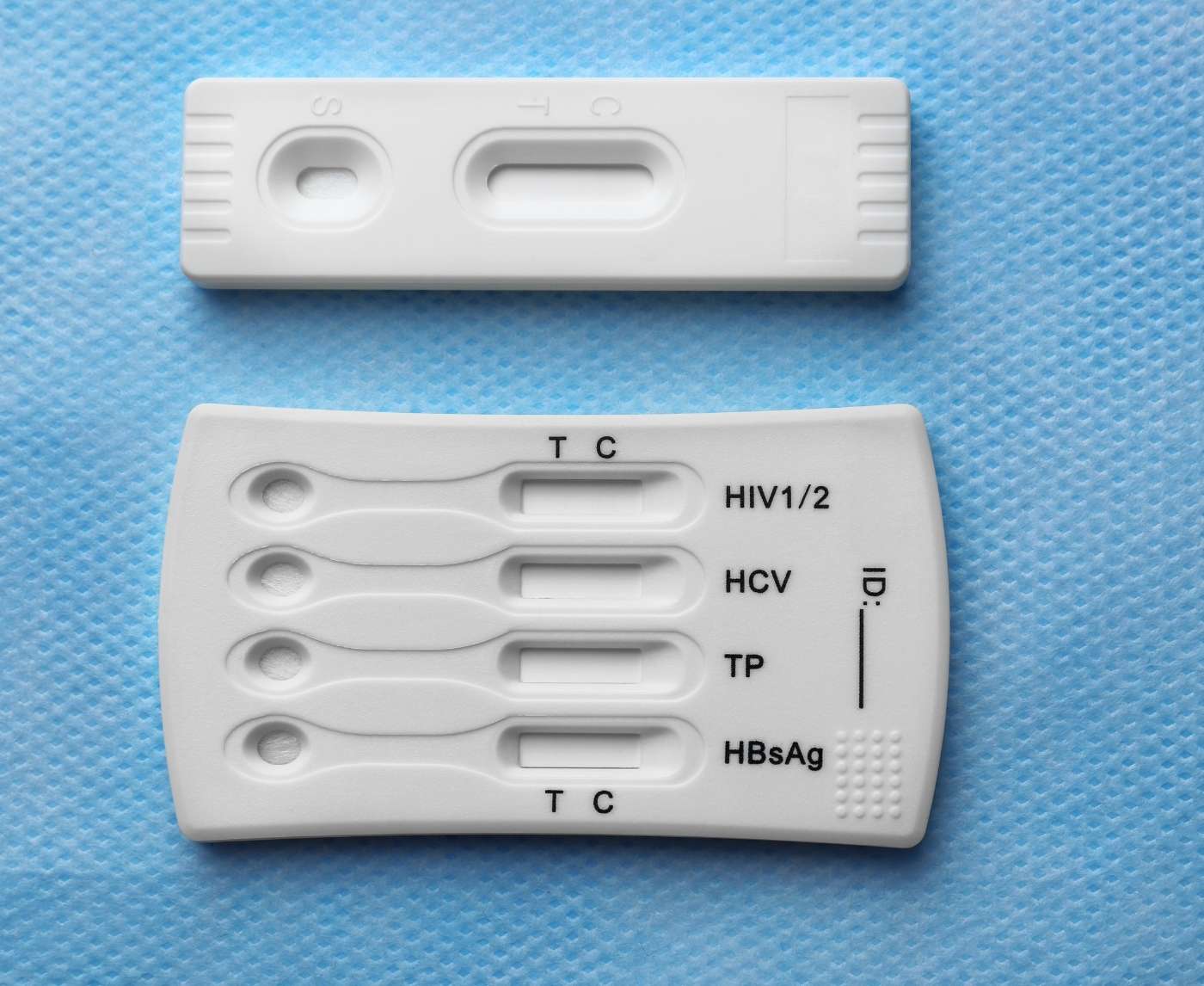
Quick Answer: At-home STD tests offer private, fast, and accurate results, without ever stepping into a clinic. They’re ideal for anyone avoiding testing due to shame, stigma, or lack of access.
Why People Delay STD Testing (And Why You're Not “Irresponsible”)
Jessie, 24, waited almost three months to test for chlamydia after her boyfriend cheated. “I couldn’t even say it out loud,” she said. “I knew what I needed to do, but I couldn’t handle the shame. I didn’t want anyone to know.” Her story is common. According to the American Journal of Sexual Health, stigma and fear of judgment are major barriers to STD screening, especially for women, LGBTQ+ people, and anyone who’s been shamed about sex.
Even when symptoms show up, the emotional cost of testing can feel higher than the health risk. People fear being seen, labeled, misunderstood. And if you’ve had a past trauma or bad healthcare experience, that fear can be paralyzing.
But delaying testing doesn’t make you reckless. It means you’ve been put in an impossible situation: choose between your health or your dignity. That’s where at-home tests come in, not just as a convenience, but as a lifeline.

How At-Home STD Testing Works (Step-by-Step)
If you’ve never used a rapid test kit, it might sound too good to be true. But the science, and the design, is legit. Most at-home STD kits use the same diagnostic technology as clinics: NAAT (nucleic acid amplification) for chlamydia and gonorrhea, or antigen/antibody testing for HIV, syphilis, and others.
Here’s how it typically works:
| Step | What Happens |
|---|---|
| 1. Order | You choose your test online, single STD or combo, and it ships in discreet packaging (no branding). |
| 2. Collect | You use a swab, urine sample, or fingerprick at home. Clear instructions come with every kit. |
| 3. Read or Mail | Some kits give instant results (like a pregnancy test). Others you mail back to a lab using prepaid packaging. |
| 4. Get Results | Depending on the test type, you’ll get results in minutes (for rapid kits) or 2–5 days via secure portal/email. |
| 5. What’s Next | If positive, many kits offer treatment referrals or telehealth follow-up. |
Figure 1. At-home STD testing workflow. Kits vary slightly, but all prioritize discretion and simplicity.
Want a real option? You can order this combo test kit from STD Rapid Test Kits, it screens for multiple infections and includes everything you need.
Does At-Home STD Testing Actually Work?
Yes, but only if you do it right. Most home tests that the FDA has approved use the same technology as clinical labs. The CDC says that self-collected samples for chlamydia, gonorrhea, and trichomoniasis are okay for screening. When people follow the directions, rapid tests for syphilis and HIV have also been shown to be very accurate in community studies.
That being said, timing is important. Even the best tests can miss infections if you test too soon after being exposed. Later in this article, we'll talk about window periods and the best times to do things. For now, believe that home testing works, but like any health tool, it depends on how and when you use it.
And if you're still not sure, keep in mind that testing at home is better than not testing at all. It may never be the perfect time, but having privacy can help you take that first step.
Privacy vs. Shame: Why Clinics Still Feel Risky
Let’s be real: walking into a public health clinic or telling your doctor you think you have an STD doesn’t feel neutral. Even if no one says anything, the anxiety is often unbearable. Some people fear being judged by staff. Others worry they’ll run into someone they know. For queer people, sex workers, or those in conservative towns, the stakes can feel even higher.
Amir, 32, avoided testing for gonorrhea for over a year after a one-night stand. “The idea of someone at work seeing me outside Planned Parenthood just shut me down. I wasn’t ready to have that conversation.” His experience isn’t rare. The National Institutes of Health highlights stigma as a persistent barrier to STD care across the U.S., especially in small towns and high-surveillance environments like schools and military bases.
This isn't just about how you feel. There are real effects of shame. The longer someone puts off testing, the more likely they are to hurt themselves or spread infections without meaning to. That's why alternatives that feel safe emotionally are more than just handy; they can save your life.
Side-by-Side: Clinic vs. At-Home STD Testing
If you’re torn between privacy and accuracy, here’s the good news: you don’t have to sacrifice one for the other. Let’s break down how clinic and at-home testing compare across the factors that matter most when you’re feeling overwhelmed, scared, or just done with in-person care.
| Factor | Clinic Testing | At-Home Testing |
|---|---|---|
| Privacy | Low to medium; requires face-to-face interaction | High; no in-person contact, discreet packaging |
| Speed | Same-day to 5 days depending on lab capacity | 10 minutes (rapid kits) or 2–5 days (mail-in kits) |
| Accuracy | Very high with NAAT and lab-confirmed methods | High for FDA-approved kits, varies by type |
| Cost | Free to $250+ depending on location and insurance | $39–$189 depending on kit and combo options |
| Stigma | Potential fear of judgment or being seen | Stigma-free; handled entirely in private |
| Support | May offer in-person counseling or follow-up | Some kits offer telehealth or partner referral services |
Figure 2. Comparing clinic vs. at-home STD testing options based on privacy, speed, and support.
How Much Does At-Home STD Testing Cost?
Price can matter, especially if you don't have insurance or can't get to sexual health services easily. But in a lot of cases, testing at home is just as good or even cheaper than going to a clinic, especially when you factor in the cost of getting there, taking time off work, or hidden emotional costs.
Here’s a general breakdown:
- Single STD rapid test: $39–$59
- Combo panel (chlamydia, gonorrhea, syphilis, HIV): $99–$149
- Mail-in lab panel with telehealth follow-up: $129–$189
These prices reflect kits like the Combo STD Home Test Kit, which checks for the most common infections and includes step-by-step guidance. Many of these tests are FDA-cleared and meet the same clinical standards used in in-office screenings.
If you're buying from a site like STD Test Kits, you’ll also see options for discreet shipping, bulk discounts, and expedited delivery, helpful if you're testing close to a partner meetup or feeling the pressure of symptoms now.
“I Couldn’t Go to a Clinic. The Kit Saved Me.”
Stories like this show up all the time in support groups and Reddit threads. One user shared: “I live in a house with my parents. I couldn’t go to a clinic without lying. I ordered a test kit and did it in my bedroom while they were out. It was negative. I cried from relief.”
Lina, 27, had a different experience. “I tested positive for trichomoniasis using a home kit. I thought I’d be devastated, but honestly, having the result without the judgment made it easier. I got treatment through telehealth. I didn’t have to explain my body to a stranger face to face.”
Whether the test comes back positive or negative, knowing privately can be a huge emotional release. Shame thrives in secrecy. Testing, especially on your own terms, breaks that cycle.
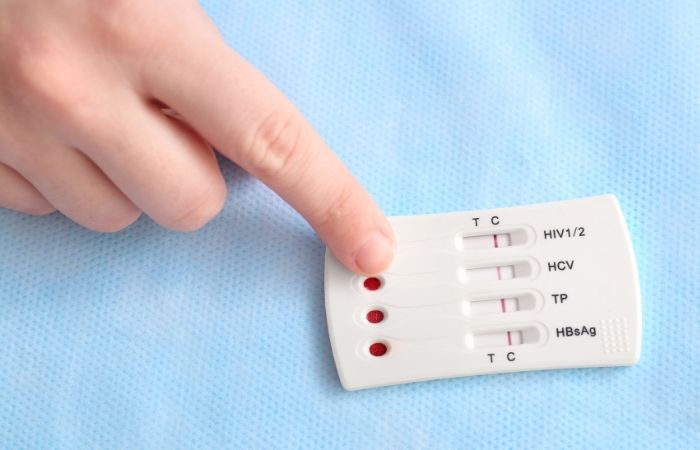
Your Test, Your Terms: Why Privacy Heals
This isn’t just about avoiding awkward conversations. For many, it's about reclaiming control in a world that often judges sexual behavior harshly. When you take the test at home, you get to protect your emotional safety without compromising your physical health. That’s not laziness or avoidance, that’s survival intelligence.
If you’re still debating, ask yourself this: would you rather wait weeks or months while anxiety builds, or test today and sleep better tonight? The emotional math is simple. Testing from home doesn’t just protect your privacy, it might actually be what gets you to test at all.
Timing Matters: When to Test After Possible Exposure
You want to test from home, but when should you do it? One of the biggest lies about STD testing is that you can get tested right after having sex and be sure. Sadly, that's not how infections work. The "window period" for each STD is the amount of time it takes for the infection to show up on a test after being exposed.
Testing too early can lead to false negatives, giving you false peace of mind. But testing too late risks more damage or transmission. Here’s what you need to know:
| STD | Earliest Test Time | Best Time for Accuracy | Test Type |
|---|---|---|---|
| Chlamydia | 5–7 days | 14 days | NAAT (urine or swab) |
| Gonorrhea | 5–7 days | 14 days | NAAT (urine or swab) |
| HIV (antigen/antibody) | 2–4 weeks | 4–12 weeks | Ag/Ab combo (blood or oral) |
| Syphilis | 3 weeks | 6–12 weeks | Antibody (blood) |
| Trichomoniasis | 5 days | 2–3 weeks | NAAT or rapid antigen (swab or urine) |
Figure 3. Window periods vary by infection. Testing too early may require a retest later to confirm accuracy.
Don't worry if you're not sure when to do something. It's perfectly normal to test now and again in a few weeks. That is often the best course of action, especially if your partner tests positive later or if you start to have symptoms.
False Negatives: Why One Test Isn’t Always Enough
Let's say you had unprotected sex and then took a test five days later. It came back negative. That's good news, but it might not be the whole story. If you tested during the early window, especially for HIV, syphilis, or chlamydia, the infection may not have reached levels that can be seen yet.
Devon, 29, tested negative for chlamydia using a home test five days after his partner told him they had an STD. “I felt safe for a week. Then I started peeing razor blades. Retested at day 16, it was positive.” This isn’t a failure of the test, it’s a misunderstanding of how long your body needs to show the infection.
Think of early testing like checking a cake that isn’t fully baked yet. The recipe is solid, but the timing changes everything. Retesting doesn’t mean the first test was wrong, it means you care enough to get the full answer.
If you’re unsure when to test or whether to retest, our Window Period Calculator can guide you based on date of exposure and infection type.
How Soon Can You Retest After Treatment?
If you’ve tested positive and received treatment, either through telehealth or an in-person provider, you may wonder: when can I safely check again? Here’s what to know:
- Chlamydia & Gonorrhea: Wait 3 weeks before retesting to avoid false positives from dead bacterial DNA
- Syphilis: Follow your provider’s schedule, often at 3, 6, and 12 months after treatment
- HIV: Retesting depends on exposure risk and your last window; check with a care provider
Many people retest not just for medical reasons, but emotional closure. You deserve to feel certain, not haunted by what-ifs. A second test can deliver peace of mind or catch reinfection early, especially if you’re with a new partner.
If you’re not sure where to start again, you can order a Combo Home STD Kit for follow-up screening in your own space, on your own time.
The Emotional Logic of At-Home Testing
For some, at-home testing isn’t just about privacy, it’s about emotional survival. Survivors of medical trauma, assault, or queerphobic healthcare may never feel fully safe in a clinic. At-home testing offers a different kind of care: one where you choose the setting, the moment, and the speed.
Whether you're testing out of fear, caution, or healing, know this: your decision is valid. You’re not weak for avoiding the doctor’s office. You’re smart for choosing a method that gets you answers without adding shame. That’s a win.
And if you're ready to take that step, STD Test Kits offers a range of discreet, science-backed kits that work. No awkward checkout. No forced conversations. Just you and the truth.
FAQs
- 1. Are these at-home STD kits legit?
- Yep, the good ones are. Tests that use NAAT (for chlamydia, gonorrhea, etc.) or FDA-cleared rapid tech have accuracy rates on par with clinics. You’re not just peeing on a strip and hoping, it’s real science, just packaged for your bathroom counter instead of a waiting room.
- 2. Will the box say “STD” on it?
- Not even close. The packaging is boring on purpose, no branding, no red flags. It could pass as a skincare order or a phone charger. So whether you live with roommates, nosy parents, or curious kids, your privacy is protected.
- 3. What if I test positive? Am I stuck?
- Not at all. First: breathe. Most STDs are treatable. Many kits come with telehealth access or a referral option so you’re not left hanging. And if you’re dealing with something like HIV, knowing early opens up options that save your life, not ruin it.
- 4. I don’t have symptoms. Should I still test?
- Short answer: yes. STDs love to play hide-and-seek. Chlamydia and trichomoniasis often show zero signs until damage is already done. If you’ve had new partners, skipped protection, or just want peace of mind, test anyway. Silence isn’t safety.
- 5. Do I have to talk to a doctor at any point?
- Only if you want to. Some people feel safer going full DIY. Others want a provider to walk them through treatment. At-home kits give you options, no forced small talk, no side-eye from a clinic nurse.
- 6. How fast do results come back?
- Depends on the test type. Rapid kits? You’ll know in 10–15 minutes. Mail-in lab kits usually take 2 to 5 days after the lab gets your sample. Either way, way faster than that “wait two weeks and call us” nonsense some clinics still do.
- 7. Will insurance cover this?
- Not always, but you can usually use an HSA or FSA card. And if you’re skipping time off work, gas money, and that awful clinic experience, many folks find it more than worth the price tag.
- 8. Can I really trust the results?
- If you follow the directions and test at the right time post-exposure, yes. But if you test too early, even the best kits might miss something. When in doubt, retest in a couple weeks. It’s not about being paranoid, it’s about being smart.
- 9. How do I tell my partner if something comes up?
- There’s no perfect script, but honesty + calm usually works. “Hey, I tested positive for [infection]. You might want to get checked, just in case.” Some test services even offer anonymous text alerts. Think of it as health care, not a confession.
- 10. I don’t even know what I was exposed to, what test should I get?
- Go for the combo kit. It checks for the most common STDs in one go, so you’re not playing infection roulette.
You Deserve Answers, Not Assumptions
If shame has been holding you back from testing, you’re not alone, and you’re not stuck. At-home STD kits exist because real people needed a better, safer way to get answers. Whether you’re avoiding the clinic, protecting your privacy, or just ready to stop wondering, there’s a kit for that.
Take control of your health without losing control of your story. Order your discreet combo STD test kit and get peace of mind in just a few days. No shame. No awkward waits. Just the clarity you deserve.
How We Sourced This Article: We combined current guidance from leading medical organizations with peer-reviewed research and lived-experience reporting to make this guide practical, compassionate, and accurate. In total, around fifteen references informed the writing; below, we’ve highlighted some of the most relevant and reader-friendly sources.