Honey Singh's Safe Sex Controversy Sparked Outrage; But It Exposed a Bigger Problem
Quick Answer: In India, public discussions about STDs and safe sex still trigger backlash, as seen with Honey Singh’s recent controversy.

Quick Answer: In India, public discussions about STDs and safe sex still trigger backlash, as seen with Honey Singh’s recent controversy. His attempt to raise awareness about STD risk was criticized for its tone, but it highlights the urgent need for private, at-home STD testing options that bypass stigma and support informed decisions.
What Happened With Honey Singh (And Why It Hit a Nerve)
In early 2026, a video of Honey Singh surfaced from a Delhi concert where he made a comment urging young people to “have sex in the car” during Delhi winters. The remark went viral for all the wrong reasons, many labeled it vulgar, inappropriate, and tone-deaf. But when Singh responded with a formal apology, he clarified that the line wasn’t just a provocation, it was a reference to safe sex. In fact, he claimed it was part of a larger effort to educate young people about STDs, condom use, and sexual safety.
In an emotional Instagram statement, Singh explained that he’d spoken with gynecologists and sexologists about the growing prevalence of unprotected sex and STD transmission among India’s youth. His intention, he said, was to use humor and street slang to break through cultural silence and reach people who might never talk openly about STDs otherwise.
But it backfired. The response was swift and brutal, media outlets condemned him, and fans debated whether his messaging was genuine or just another PR gimmick. Still, underneath the noise was a hard truth: in India, even a flawed message about sexual health is rare. And it raises an urgent question, if artists can’t talk about safe sex, who will?

Who This Guide Is For (And Why It Matters)
If you’re reading this after seeing the Honey Singh clip, wondering whether you should get tested, or feeling anxious after a risky hookup, this article is for you. It’s also for anyone in India who wants clarity without judgment. Whether you’re in a college hostel, on a road trip with your partner, or living in a conservative household where asking about condoms feels like a betrayal, we see you.
STD testing doesn’t have to be public, dramatic, or scary. It can be quiet, private, and just for you. That’s the power of at-home STD testing, and it’s something we’ll walk you through in this guide. From understanding what counts as a real STD test to knowing the right timing after exposure, you’ll get a full breakdown here, free of shame, loaded with facts.
What Actually Counts as an STD Test?
It’s easy to assume that an STD test just means peeing in a cup or getting a blood draw, but the truth is more specific. The most accurate tests for infections like chlamydia, gonorrhea, and trichomoniasis are called NAATs, Nucleic Acid Amplification Tests. These detect the DNA of the bacteria and are considered gold standard globally, including by the CDC.
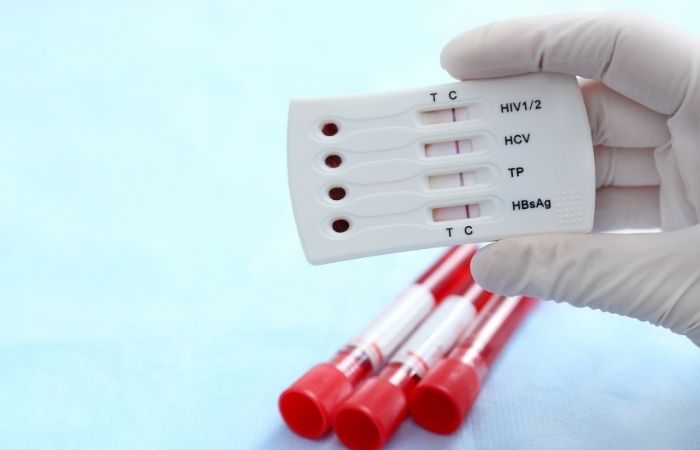
Other infections like syphilis or HIV rely on blood-based antibody or antigen testing, which can also be done using rapid test cassettes. Many of these are now available in India through mail-order kits that come in discreet packaging. These include fingerstick blood tests, urine collection kits, or vaginal swabs, depending on what you’re testing for.
You can order a discreet kit from STD Test Kits and test from the privacy of your home, no awkward clinic visits, no judgmental questions.
Window Periods: What to Know for Each STD
One reason people panic after a risky hookup is they want answers, fast. But testing immediately isn’t always effective. Every STD has a “window period”, the time it takes after exposure before a test can reliably detect infection. Testing too soon can result in a false negative, even if you’re infected.
| STD | Common Test Type | Sample | Typical Window Period | When Accuracy Peaks |
|---|---|---|---|---|
| Chlamydia | NAAT/PCR | Urine or swab | 7–14 days | 14+ days |
| Gonorrhea | NAAT/PCR | Urine or swab | 7–14 days | 14+ days |
| Syphilis | Antibody test | Blood | 21–42 days | 6–12 weeks |
| HIV | Ag/Ab combo | Blood or oral fluid | 18–45 days | 6–12 weeks |
| Trichomoniasis | NAAT or rapid antigen | Swab or urine | 5–28 days | 2–4 weeks |
Figure 1. Different STDs require different waiting periods before testing. These window periods reflect how long after exposure a test is likely to be accurate.
Rapid Test vs Lab Test: Pros, Cons, and Tradeoffs
When you’re scared or uncertain, the kind of test you choose matters, not just for accuracy, but for peace of mind. Let’s break it down in real terms. Imagine a 22-year-old in Pune who just had unprotected sex during a college trip. She can’t go to a clinic without raising eyebrows at home. So she buys a rapid test online, takes it in the bathroom with shaky hands, and waits for the lines to appear. That’s real life, and it’s why both rapid and lab-based options exist.
At-home rapid tests are discreet and fast, often showing results in 10 to 20 minutes. They’re useful for common infections like HIV, syphilis, and herpes. But their accuracy depends on timing. If taken too early, or if the user misses a step, false negatives can occur. Lab-based options, including mail-in kits, offer higher sensitivity but take a few days.
| Method | Privacy | Speed | Sensitivity/Accuracy | Good Fit When |
|---|---|---|---|---|
| At-Home Rapid | Very high | 10–20 minutes | Moderate to high | You need immediate reassurance |
| Mail-In Lab | High | 2–5 days | High | You want lab-grade accuracy |
| Clinic-Based | Low to moderate | Same day to 1 week | Very high | You have symptoms or need medical care |
Figure 2. Choosing the right testing method depends on your situation, urgency, and comfort level with privacy.
When to Test After Exposure
Here’s the most common question we hear: “I had sex last night, can I test today?” The honest answer? It depends on the infection, but generally: not yet. If you test too soon, your body may not have produced enough antibodies or antigens for the test to pick up. That’s why most professionals recommend waiting at least 7 to 14 days for chlamydia or gonorrhea, and up to 6 weeks for HIV or syphilis.
Take Rohan, 29, who hooked up with someone new on New Year’s Eve. Five days later, he panicked and took a rapid HIV test at home. It came back negative, but two weeks later, he developed a sore throat and felt off. A second test at week five showed a positive result. The first test wasn’t wrong, it was just too early. This kind of timing confusion is common and leads many people to false reassurance or unnecessary anxiety.
Here’s the takeaway: if it’s been fewer than five days, consider waiting unless you have symptoms. If it’s been 7 to 13 days, test with the understanding you may need to retest. If it’s been 14+ days, you’re in the ideal window for most STDs. And if your head keeps spinning, peace of mind is one test away, order the at-home combo kit here for quick results across multiple infections.
Do You Need to Retest? Here’s How to Know
Testing once doesn’t always mean you’re in the clear. If you tested too early, didn’t have symptoms yet, or continued having unprotected sex after your last test, you may need a follow-up. Retesting is especially important after treatment, why? Because some tests can still detect remnants of dead bacteria or antibodies for weeks afterward, leading to a confusing positive even if the infection is gone.
Neha, 24, got treated for chlamydia after a positive rapid test. She followed the antibiotics perfectly, but then tested again four days later, still positive. She panicked, assuming the treatment failed. Her doctor reassured her: that was just leftover bacterial DNA. She retested after four weeks and got a clean negative.
If you’ve been treated: wait 3 to 4 weeks before retesting. If you haven’t been treated but are still exposed or uncertain: test again in 30 to 45 days. And remember, testing isn’t just about diagnosis, it’s part of prevention.
Privacy, Shipping, and Discreet Support
Let’s be real, one of the biggest reasons people don’t get tested in India is fear. Not just of the result, but of being seen, judged, or exposed. That’s where discreet delivery matters. At-home test kits can be ordered online and shipped in plain packaging, with no sexual health branding or obvious labels. Even if you live with family or roommates, the package won’t give you away.
Results are confidential, only you see them. No government reporting, no clinic waiting room, no awkward questions. For many Indians, this privacy is not a luxury, it’s the only safe way to manage sexual health. Whether you’re in Mumbai or a small town in Bihar, as long as you can receive mail, you can take control. And with doctor-trusted brands like those on STD Test Kits, you don’t have to sacrifice accuracy for convenience.
What If You Test Positive?
Take a deep breath. A positive result can feel like the world is caving in, but it doesn’t have to. Most STDs are treatable with antibiotics or antivirals. You’re not dirty. You’re not broken. You’re part of a very large, very human club. The key now is to act, not to spiral.
Start by confirming the result. If you used a rapid test, follow up with a clinic or telehealth provider. Next, avoid sexual contact until treated. If you’ve been diagnosed with chlamydia, gonorrhea, or trichomoniasis, treatment is usually simple. HIV and herpes are lifelong but manageable.
Take 32-year-old Sameer, who got a surprise positive for syphilis after a one-night stand. He told no one for weeks, feeling ashamed. But eventually, he called an online helpline, got a prescription, and sent his partner a discreet message using an anonymous notification tool. Today, he talks about his experience openly, to help others avoid the fear spiral he fell into.
You deserve the same clarity. Test partners if needed. Retest after treatment. If you’re unsure where to start, this combo test kit checks for the most common STDs discreetly and quickly.
Which STDs Was Honey Singh Talking About?
When Honey Singh said he wanted to spread awareness about STDs and the risks of unsafe sex, he wasn’t wrong about the stakes. In India, infections like chlamydia, gonorrhea, syphilis, and even HIV are spreading faster than most people realize, especially among young, sexually active adults who aren’t using condoms consistently. Many of these infections are silent at first, especially in men, and get passed unknowingly between partners.
Unprotected vaginal and anal sex, whether it’s with a long-term partner, a one-night stand, or even during experimentation, can carry real risk. But because these topics are rarely discussed in schools or homes, misinformation and stigma flourish. People assume they’re “clean” if they feel fine, or that STD testing is only for those with multiple partners. In reality, anyone who’s had sex without protection should consider getting tested, especially if there’s a new partner involved.
Want to know which infections are most likely based on your situation? Try our STD Risk Checker Quiz for tailored guidance in under 60 seconds.
| STD | Transmits via | Common Early Signs (if any) | Test Timing | Treatment |
|---|---|---|---|---|
| Chlamydia | Vaginal, anal, oral sex | Burning while peeing, discharge (often no symptoms) | Best after 14 days | Antibiotics |
| Gonorrhea | Vaginal, anal, oral sex | Green/yellow discharge, sore throat, anal pain | Best after 14 days | Antibiotics |
| Syphilis | Skin-to-skin contact, oral/vaginal/anal sex | Painless sore, rash, mouth ulcers | Best after 21–42 days | Antibiotics (penicillin) |
| HIV | Blood, semen, vaginal fluid, anal sex | Fever, sore throat, fatigue (early symptoms rare) | Best after 4–6 weeks | Lifelong treatment, not curable |
Figure 3. Common STDs passed through unprotected sex, how they show up, and when to test for accurate results. Learn more about the best testing timelines in our guide: When to Test for Each STD.
FAQs
- 1. Can you get an STD the first time you have sex?
- Yep, and that surprises a lot of people. It doesn’t matter if it’s your first time, their first time, or you both “look clean.” If one person has an infection, even without symptoms, it can be passed in a single encounter. It’s not about experience, it’s about exposure.
- 2. I feel fine. Should I still get tested?
- Honestly? That’s exactly why you should. Most STDs don’t come with sirens and symptoms. Chlamydia and gonorrhea often have no early signs, especially in men. You could be totally symptom-free and still carry something that affects your fertility later. Getting tested isn’t just for “when something feels wrong.” It’s routine care, like brushing your teeth, but for your sexual health.
- 3. Is it embarrassing to buy an STD test online?
- Not even a little. In fact, it’s the opposite of embarrassing, it’s empowering. Think about it: you’re taking control, privately, without having to explain yourself to a stranger in a white coat. The packaging is discreet, no one has to know, and the test is doctor-trusted. It’s grown-up stuff.
- 4. How soon can I test after unprotected sex?
- We get this one a lot. And while it’s tempting to test the next morning (we’ve all been there), the truth is: timing matters. For most infections, 2 weeks is your best bet. Testing too early might give you a false sense of safety. But don’t worry, we built a whole guide for this: see when to test by STD here.
- 5. What if my partner says they’re “clean”?
- That’s cute, but… not reliable. “Clean” isn’t a test result. Unless they’ve been tested recently, and between that test and now, haven’t had any new partners, you can’t know for sure. Most people don’t lie, but they do assume. And that’s where infections slip through the cracks.
- 6. Are these tests accurate enough to trust?
- If you follow the instructions and time it right? Yes. STD Test Kits uses FDA-approved technology that’s widely used in clinics and home testing programs worldwide. For extra peace of mind, you can always retest or do a confirmatory lab follow-up. But for most people, these kits give the answers they need.
- 7. Will someone find out I ordered a test?
- Only if you tell them. Seriously. The package doesn’t say anything about STDs, there’s no branding on the outside, and the payment line won’t raise eyebrows. You’re in total control of who knows and when. That’s the beauty of home testing, it puts the power back in your hands.
- 8. What happens if I test positive?
- First: breathe. Most STDs are treatable. Some, like chlamydia and gonorrhea, go away with one round of antibiotics. Others, like herpes or HIV, require long-term management, but that doesn’t mean your life is over. People live full, amazing, love-filled lives after a diagnosis. What matters is catching it early and not ghosting your own health.
- 9. Do I have to tell my ex or partner?
- It’s not always easy, but yeah, it’s the right thing to do. You’d want to know, right? There are even anonymous tools that help you send a message without revealing your identity. What’s not okay is staying silent and hoping they never find out. STDs spread in silence. Break it.
- 10. I had oral sex, do I still need to worry?
- Possibly. Gonorrhea loves the throat. Syphilis and herpes can pass through mouth-to-genital contact too. Just because it wasn’t “real sex” doesn’t mean you’re off the hook. If there was no protection and you’re feeling unsure, testing is still smart. No judgment, just facts.
You Deserve Answers, Not Assumptions
Whether you’re a fan of Honey Singh or not, his controversial attempt to raise awareness has done one important thing, it started a conversation. And that’s something India desperately needs. Because behind the embarrassment, slang, and jokes is a public health truth: STDs are rising, and most people don’t know how or when to get tested.
Let’s change that. You don’t have to wait for a partner to ask. You don’t need a doctor’s approval. And you definitely don’t need to feel shame. This at-home combo test kit checks for the most common STDs discreetly and quickly, so you can stop guessing and start taking control.
How We Sourced This Article: We combined current guidance from leading medical organizations with peer-reviewed research and lived-experience reporting to make this guide practical, compassionate, and accurate. In total, around fifteen references informed the writing; below, we’ve highlighted some of the most relevant and reader-friendly sources.