Can You Get an STD Test Without Insurance?
Quick Answer: Yes, you can get an STD test without insurance through free clinics, public health programs, and affordable at-home test kits. Prices range from $0 to $129 depending on location, method, and type of STD.

Quick Answer: Yes, you can get an STD test without insurance through free clinics, public health programs, and affordable at-home test kits. Prices range from $0 to $129 depending on location, method, and type of STD.
Why So Many People Get Shut Out of Testing
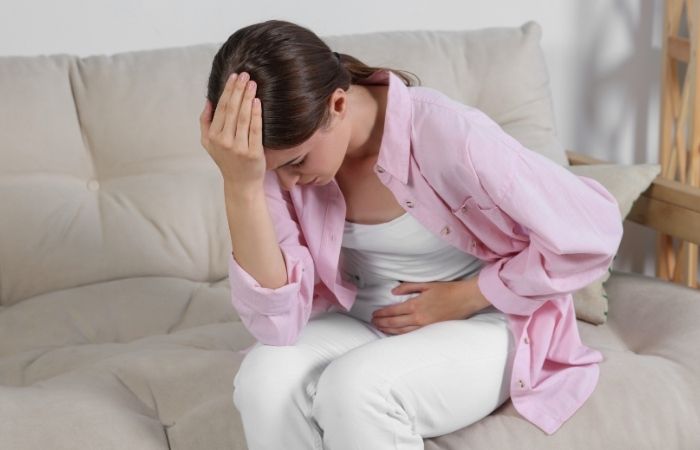
Kayla, 24, noticed unusual discharge and pelvic pain after a new hookup. She Googled symptoms. Everything pointed to chlamydia or gonorrhea. But without insurance and between jobs, she stalled, worried about cost, privacy, and being judged at a clinic. Three months later, the infection had spread, and she was treated for pelvic inflammatory disease in the ER.
Kayla’s story is horrifyingly common. According to the CDC, over 1 in 5 Americans has an STD at any given time, yet millions delay or skip testing entirely because they assume it will be expensive, humiliating, or impossible without insurance. It’s not just uninsured people either. Many avoid testing because:
- They're on a parent or partner’s plan and worry about confidentiality.
- They're undocumented or don’t trust clinics with personal info.
- They live in rural areas without local testing centers.
- They’ve been shamed before and fear repeat trauma.
The truth is, the U.S. healthcare system makes basic sexual health unnecessarily confusing, and expensive. But we’re breaking it down, step by step.
What STD Tests Actually Cost Without Insurance
Let’s cut through the noise. Here’s what common STD tests cost when paid out-of-pocket. Some clinics offer sliding scales or income-based programs, but here’s the general range you can expect across the U.S.:
| STD | Typical Clinic Cost | At-Home Test Kit |
|---|---|---|
| Chlamydia | $50–$150 | $49–$89 |
| Gonorrhea | $50–$150 | $49–$89 |
| Syphilis | $40–$100 | $45–$85 |
| HIV | Free–$60 | $29–$79 |
| Herpes (HSV 1/2) | $70–$120 | $59–$109 |
| Combo Panel (4–8 STDs) | $150–$400+ | $89–$129 |
Figure 1. Typical price ranges for STD tests with no insurance. Prices vary based on location and provider. At-home kits offer more predictable pricing.
If those numbers feel overwhelming, don’t panic. Many people pay nothing. You just need to know where to look, and what to ask for.
Where to Get Free or Low-Cost STD Tests
Here’s where you can start looking for affordable or no-cost testing options. Some are fully free, while others offer low sliding-scale fees based on income or age.
| Location | Cost | Privacy Level | Best For |
|---|---|---|---|
| Planned Parenthood | Free–$150 | Moderate | Young adults, people without insurance, queer-friendly care |
| Local Health Department | Often Free | Low–Moderate | Anyone; especially in high-STI regions |
| Community Clinics (FQHCs) | Sliding Scale | Varies | Low-income individuals, immigrants, uninsured |
| College or Student Health Centers | Included in Fees / Low Cost | Low–High (depends on insurance policy) | Students with privacy concerns |
| At-Home Test Kits | $29–$129 | Very High | Anyone seeking full privacy and convenience |
Figure 2. Where to get tested affordably. Each option offers different tradeoffs for privacy, speed, and access.
Need total privacy? STD Test Kits offers FDA-approved test kits you can use at home, no appointments, no judgment, and no insurance needed.
“I Thought It Would Be Free”, A Real Story of Hidden Costs
Darnell, 31, went to an urgent care after noticing a painful sore on his shaft. The provider agreed to test for syphilis and herpes, then handed him a bill: $328. That didn’t include treatment, only the testing. He’d asked if it would be covered. They said, “We’ll bill you later.” No one told him the out-of-pocket cost would be nearly a week’s pay.
This happens all the time. Urgent cares often can run STD tests, but they rarely advertise costs up front. Worse, providers may not order all relevant tests unless you ask directly. Many don’t offer combo panels. Others won't test if you're not visibly symptomatic.
Even with insurance, your Explanation of Benefits (EOB) might go to your household. For young adults on a parent’s plan, that can be devastating. Privacy isn’t just a preference, it’s a safety issue for many readers, especially those who are LGBTQ+, nonbinary, or in unsafe housing.
What About Telehealth STD Testing?
Telehealth is a growing option for people without insurance, but it’s not one-size-fits-all. Some providers offer free or low-cost consults and can mail prescriptions or order lab testing at a discount. Others only work with insurance or have subscription models that add hidden fees.
Here’s how to tell if a telehealth STD service might work for you:
- YES if: You want a treatment plan after a positive at-home result.
- YES if: You have mild symptoms and want a private consult.
- NO if: You expect full testing and don’t want surprise lab bills.
Some telehealth services may accept HSA/FSA cards, even if you don’t have full health insurance. Always check terms first.
Testing When You Have No Symptoms (But Still Need Peace of Mind)
You don’t need to be in pain, dripping, or covered in sores to get tested. In fact, many STDs, like chlamydia, gonorrhea, HPV, and even HIV, can show no symptoms for weeks, months, or ever.
Here are some common situations where you should test, even if nothing feels wrong:
- New sexual partner or open relationship
- Condom broke, slipped, or wasn’t used
- You're experiencing unusual discharge, itching, or pelvic discomfort
- Someone you slept with tested positive
- You're starting PrEP or switching birth control methods
Peace-of-mind testing matters. It’s not overreacting. It’s prevention. And it’s your right, even without insurance.
Can You Really Trust At-Home STD Tests?
At-home STD testing has come a long way. Today’s best rapid tests use the same lateral flow or immunoassay technology as clinics, and they’re FDA-cleared for accuracy. Some use NAAT (nucleic acid amplification tests), the gold standard for chlamydia and gonorrhea.
The benefit? You don’t have to wait two hours at a walk-in clinic just to get swabbed by a stranger. No judgment. No paperwork. No insurance needed. Just you, your body, and clear results, fast.
That’s why our 7-in-1 Complete At-Home STD Test Kit is one of the most trusted options for uninsured users. You can test for multiple infections at once and get results in minutes, right at home.
Free Testing Programs by State (And How to Find Them)
Nearly every state offers some form of free or low-cost STD testing, but the details vary. Some states have dedicated sexual health programs. Others run testing through local health departments or community clinics funded by the CDC or HRSA. Here's how to locate real options near you:
Step 1
Use the CDC’s clinic locator: gettested.cdc.gov. Enter your ZIP code to see free or sliding-scale clinics for HIV, syphilis, chlamydia, and more.
Step 2
Call your local health department and ask: “Do you offer walk-in or appointment-based STD testing for people without insurance?” Be specific about privacy if that’s a concern. Some clinics offer anonymous testing.
Step 3
Ask your local LGBTQ+ center, student health service, or Planned Parenthood branch. Even if they don’t test on-site, they can direct you to safe, non-judgmental clinics that won’t ask about insurance status.
Some states with standout programs:
- California: Free and anonymous testing widely available, especially in urban counties.
- New York: NYC has dozens of walk-in clinics with free or low-cost testing.
- Texas: Local programs vary, call ahead. Dallas and Austin have expanded options.
- Florida: State-run clinics offer free HIV and STI panels, especially in Miami-Dade.
- Illinois: Chicago Department of Public Health runs free testing year-round.
And don’t overlook mobile testing vans, pop-up events, or Pride festivals, many offer on-the-spot testing with no ID, no cost, and no questions.

How Long You’ll Wait for Results (And What Happens Next)
The method you choose affects both timing and accuracy. Here’s what to expect:
| Testing Method | Result Time | Accuracy | Follow-Up Needed? |
|---|---|---|---|
| At-Home Rapid Test | 10–20 minutes | Moderate–High | Optional retest or confirmatory lab if positive |
| Mail-In Lab Kit | 2–5 days | High (NAAT/lab-grade) | Some providers offer telehealth follow-up |
| Clinic Walk-In | Same day to 7 days | High | Usually includes treatment on-site |
| Urgent Care | Varies, often 1–3 days | High (if testing offered) | May refer out for treatment |
Figure 3. Estimated result timelines and next steps. Choose based on urgency, privacy needs, and access to follow-up care.
If you test positive, don’t panic. Most STDs are treatable, and all are manageable. Some at-home test providers will include follow-up support. For example, STD Test Kits offers treatment referrals and free guides for next steps.
You Don’t Need Insurance to Care for Yourself
Sexual health isn’t a luxury, it’s part of your whole-body wellness. Whether you’re broke, in between jobs, undocumented, or just trying to stay private, you have options. Your status doesn’t make you dirty. Being proactive doesn’t make you paranoid. Getting tested means you’re paying attention, and that’s powerful.
If you’re ready to stop guessing and start knowing, a discreet test can be on your doorstep tomorrow. This combo kit screens for the most common STDs in one go, without insurance, appointments, or shame.
FAQs
- 1. Can I really get an STD test for free, or is that just clickbait?
- You actually can. A ton of public health clinics offer free testing, especially for HIV, chlamydia, and gonorrhea. No catch, no insurance needed. Try the CDC’s tool at gettested.cdc.gov. Some clinics might ask for income info, but many won’t even look twice if you say “I don’t have insurance.”
- 2. Will my parents or partner find out if I get tested?
- If you use their insurance, probably yes. That’s because insurance companies send those dreaded Explanation of Benefits (EOBs) to whoever holds the policy, usually a parent or partner. If that makes your skin crawl, don’t risk it. Go with a clinic that allows anonymous testing, or use an at-home kit and skip the paperwork entirely.
- 3. Are at-home STD tests just gimmicks, or can I trust them?
- They’re legit. Today’s at-home kits use the same tech clinics do, like lateral flow or NAAT (super accurate stuff). The key is using them correctly and buying from a real provider, not some sketchy reseller on a shopping app. Look for FDA clearance.
- 4. But I don’t have symptoms, should I still bother testing?
- Yes, yes, yes. Most STDs are sneakier than you think. Chlamydia and gonorrhea can hang out quietly for months, especially in people with vaginas. HPV might not show up at all until it’s already caused changes to your cells. Think of testing like brushing your teeth, don’t wait until something hurts.
- 5. How long after sex should I wait to test?
- It depends. Some infections show up fast, others need time. For example, chlamydia can be detectable in 7–14 days. Syphilis takes 3–6 weeks. HIV depends on the type of test (rapid vs lab). If you test too soon, you might get a false sense of relief. Not sure? Retest in a month just to be safe, or use a combo kit with good sensitivity across the board.
- 6. I’m broke, what happens if I test positive and can’t afford meds?
- You still have options. Many public health clinics will treat chlamydia, gonorrhea, and syphilis for free. Some even offer antivirals for herpes. Planned Parenthood has sliding scale fees, and a few telehealth platforms will write prescriptions for cheap. Don’t ghost your own health. There’s help, you just have to ask.
- 7. Is STD testing at urgent care a good idea?
- Sometimes, but brace yourself for sticker shock. Urgent cares can run STD tests, but they don’t always tell you upfront how much it’ll cost. And not all of them are trained in sexual health. You might walk in for herpes and walk out with a UTI diagnosis and a $300 bill. If you go this route, ask about test pricing before you pee in that cup.
- 8. How private are at-home kits, really?
- As private as it gets. No clinic visits. No insurance statements. They come in discreet packaging, no giant “STD TEST INSIDE” labels. You open it, follow the steps, read your result, and move on. It's healthcare on your terms, not your insurance company's.
- 9. Can I use my HSA or FSA card for this?
- Usually, yes. Most legit at-home tests count as qualified medical expenses. You can use your HSA or FSA card at checkout, just like any other health product. Keep your receipt in case you need to back it up later.
- 10. What’s the most low-key way to get tested?
- A rapid at-home kit. Hands down. You swab or prick in the privacy of your bathroom, get results in minutes, and decide what to do next, without ever stepping into a waiting room or explaining anything to anyone. That’s why it’s our top rec if privacy is your #1.
Before You Panic, Here’s What to Do Next
Start with information, not fear. Use the CDC’s testing locator. Call your local health department. Consider a trusted at-home kit. Tell your partner, your friend, your future self: you did the responsible thing.
Don’t wait and wonder, get the clarity you deserve. This at-home combo test kit checks for the most common STDs discreetly and quickly.
How We Sourced This
How We Sourced This Article: We combined current guidance from leading medical organizations with peer-reviewed research and lived-experience reporting to make this guide practical, compassionate, and accurate. In total, around fifteen references informed the writing; below, we’ve highlighted some of the most relevant and reader-friendly sources.